

pro $24.99 per month
- access to all Manning books, MEAPs, liveVideos, liveProjects, and audiobooks!
- choose one free eBook per month to keep
- exclusive 50% discount on all purchases
- renews monthly, pause or cancel renewal anytime
lite $19.99 per month
- access to all Manning books, including MEAPs!
team
5, 10 or 20 seats+ for your team - learn more

Look inside
Rust in Action introduces the Rust programming language by exploring numerous systems programming concepts and techniques. You'll be learning Rust by delving into how computers work under the hood. You'll find yourself playing with persistent storage, memory, networking and even tinkering with CPU instructions. The book takes you through using Rust to extend other applications and teaches you tricks to write blindingly fast code. You'll also discover parallel and concurrent programming. Filled to the brim with real-life use cases and scenarios, you'll go beyond the Rust syntax and see what Rust has to offer in real-world use cases.
about the technology
Rust is the perfect language for systems programming. It delivers the low-level power of C along with rock-solid safety features that let you code fearlessly. Ideal for applications requiring concurrency, Rust programs are compact, readable, and blazingly fast. Best of all, Rust’s famously smart compiler helps you avoid even subtle coding errors.about the book
Rust in Action is a hands-on guide to systems programming with Rust. Written for inquisitive programmers, it presents real-world use cases that go far beyond syntax and structure. You’ll explore Rust implementations for file manipulation, networking, and kernel-level programming and discover awesome techniques for parallelism and concurrency. Along the way, you’ll master Rust’s unique borrow checker model for memory management without a garbage collector.what's inside
- Elementary to advanced Rust programming
- Practical examples from systems programming
- Command-line, graphical and networked applications
This well-written book will help you make the most of what Rust has to offer.
Engaging writing style and crisp, easy-to-grasp examples help the reader get off the ground in no time.
Rust in Action is remarkably polished!
Makes it easy to explore the language and get going with it.
I highly recommend this book to those who want to learn Rust.
related titles
related titles


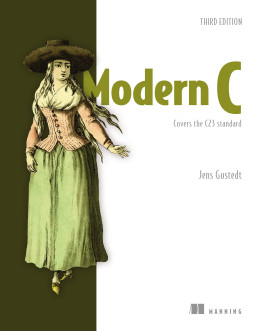
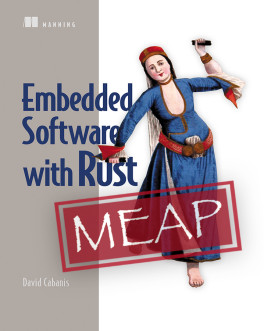


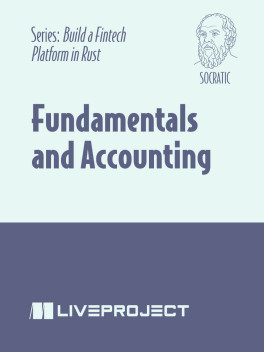


choose your plan
pro
monthly
annual
$24.99
$249.99
only $20.83 per month
- access to all Manning books, MEAPs, liveVideos, liveProjects, and audiobooks!
- choose another free product every time you renew
- choose twelve free products per year
- exclusive 50% discount on all purchases
- renews monthly, pause or cancel renewal anytime
- renews annually, pause or cancel renewal anytime
-
![]() Rust in Action ebook for free
Rust in Action ebook for free
 Rust in Action ebook for free
team
monthly
annual
$49.99
$499.99
only $41.67 per month
- five seats for your team
- access to all Manning books, MEAPs, liveVideos, liveProjects, and audiobooks!
- choose another free product every time you renew
- choose twelve free products per year
- exclusive 50% discount on all purchases
- renews monthly, pause or cancel renewal anytime
- renews annually, pause or cancel renewal anytime
-
![]() Rust in Action ebook for free
Rust in Action ebook for free
choose your plan
pro
monthly
annual
$24.99
$249.99
only $20.83 per month
- access to all Manning books, MEAPs, liveVideos, liveProjects, and audiobooks!
- choose another free product every time you renew
- choose twelve free products per year
- exclusive 50% discount on all purchases
- renews monthly, pause or cancel renewal anytime
- renews annually, pause or cancel renewal anytime
-
![]() Rust in Action ebook for free
Rust in Action ebook for free
team
monthly
annual
$49.99
$499.99
only $41.67 per month
- five seats for your team
- access to all Manning books, MEAPs, liveVideos, liveProjects, and audiobooks!
- choose another free product every time you renew
- choose twelve free products per year
- exclusive 50% discount on all purchases
- renews monthly, pause or cancel renewal anytime
- renews annually, pause or cancel renewal anytime
-
![]() Rust in Action ebook for free
Rust in Action ebook for free
choose your plan
pro
monthly
annual
$24.99
$249.99
only $20.83 per month
- access to all Manning books, MEAPs, liveVideos, liveProjects, and audiobooks!
- choose another free product every time you renew
- choose twelve free products per year
- exclusive 50% discount on all purchases
- renews monthly, pause or cancel renewal anytime
- renews annually, pause or cancel renewal anytime
-
![]() Rust in Action ebook for free
Rust in Action ebook for free
team
monthly
annual
$49.99
$499.99
only $41.67 per month
- five seats for your team
- access to all Manning books, MEAPs, liveVideos, liveProjects, and audiobooks!
- choose another free product every time you renew
- choose twelve free products per year
- exclusive 50% discount on all purchases
- renews monthly, pause or cancel renewal anytime
- renews annually, pause or cancel renewal anytime
-
![]() Rust in Action ebook for free
Rust in Action ebook for free
