pro $24.99 per month
- access to all Manning books, MEAPs, liveVideos, liveProjects, and audiobooks!
- choose one free eBook per month to keep
- exclusive 50% discount on all purchases
- renews monthly, pause or cancel renewal anytime
lite $19.99 per month
- access to all Manning books, including MEAPs!
team
5, 10 or 20 seats+ for your team - learn more

Look inside
Get Programming with Go introduces you to the powerful Go language without confusing jargon or high-level theory. By working through 32 quick-fire lessons, you'll quickly pick up the basics of the innovative Go programming language!
about the technology
Go is a small programming language designed by Google to tackle big problems. Large projects mean large teams with people of varying levels of experience. Go offers a small, yet capable, language that can be understood and used by anyone, no matter their experience.
about the book
Hobbyists, newcomers, and professionals alike can benefit from a fast, modern language; all you need is the right resource! Get Programming with Go provides a hands-on introduction to Go language fundamentals, serving as a solid foundation for your future programming projects. You’ll master Go syntax, work with types and functions, and explore bigger ideas like state and concurrency, with plenty of exercises to lock in what you learn.
what's inside
- Language concepts like slices, interfaces, pointers, and concurrency
- Seven capstone projects featuring spacefaring gophers, Mars rovers, ciphers, and simulations
- All examples run in the Go Playground — no installation required!
about the reader
This book is for anyone familiar with computer programming, as well as anyone with the desire to learn.
Perfectly organized for learning Go quickly; especially useful for inexperienced programmers.
Learn by doing! Plenty of examples will help you learn the core of the language and expose you to common Go idioms.
A great book about Go. Written for beginners but useful for seasoned developers too.
The first rung on successfully climbing the Go ladder.
related titles
related titles

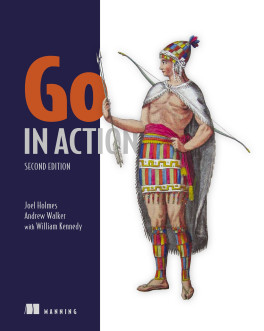

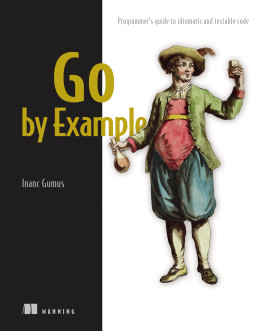


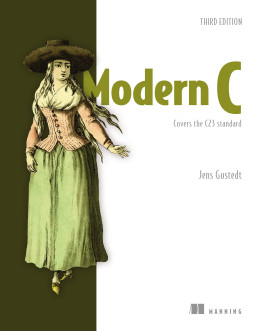


choose your plan
pro
monthly
annual
$24.99
$249.99
only $20.83 per month
- access to all Manning books, MEAPs, liveVideos, liveProjects, and audiobooks!
- choose another free product every time you renew
- choose twelve free products per year
- exclusive 50% discount on all purchases
- renews monthly, pause or cancel renewal anytime
- renews annually, pause or cancel renewal anytime
-
![]() Get Programming with Go ebook for free
Get Programming with Go ebook for free
 Get Programming with Go ebook for free
team
monthly
annual
$49.99
$499.99
only $41.67 per month
- five seats for your team
- access to all Manning books, MEAPs, liveVideos, liveProjects, and audiobooks!
- choose another free product every time you renew
- choose twelve free products per year
- exclusive 50% discount on all purchases
- renews monthly, pause or cancel renewal anytime
- renews annually, pause or cancel renewal anytime
-
![]() Get Programming with Go ebook for free
Get Programming with Go ebook for free
choose your plan
pro
monthly
annual
$24.99
$249.99
only $20.83 per month
- access to all Manning books, MEAPs, liveVideos, liveProjects, and audiobooks!
- choose another free product every time you renew
- choose twelve free products per year
- exclusive 50% discount on all purchases
- renews monthly, pause or cancel renewal anytime
- renews annually, pause or cancel renewal anytime
-
![]() Get Programming with Go ebook for free
Get Programming with Go ebook for free
team
monthly
annual
$49.99
$499.99
only $41.67 per month
- five seats for your team
- access to all Manning books, MEAPs, liveVideos, liveProjects, and audiobooks!
- choose another free product every time you renew
- choose twelve free products per year
- exclusive 50% discount on all purchases
- renews monthly, pause or cancel renewal anytime
- renews annually, pause or cancel renewal anytime
-
![]() Get Programming with Go ebook for free
Get Programming with Go ebook for free
