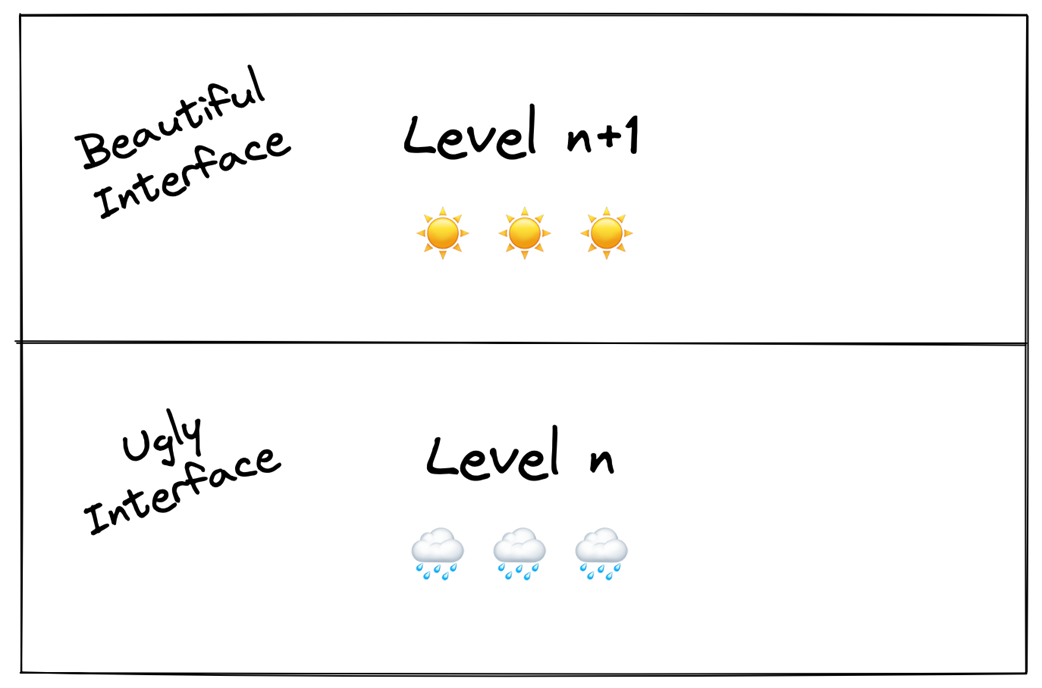
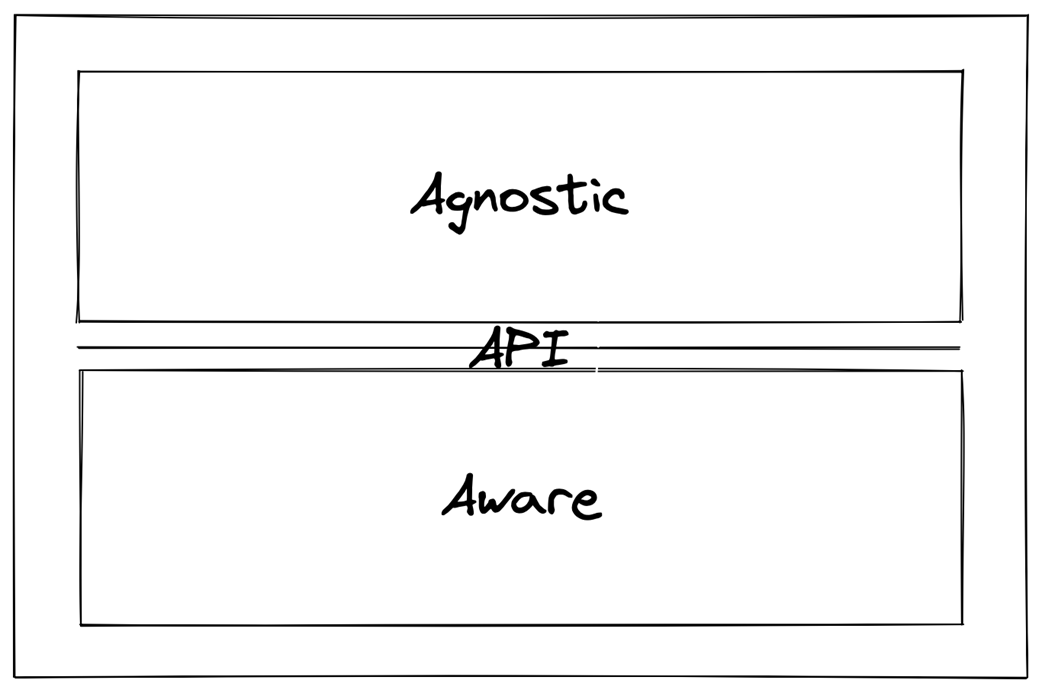
Transactions are presented as one of software engineering’s most transformative abstractions: although born in databases, they were embraced by distributed systems because they let developers act as if concurrency and failure do not exist. The chapter reframes the common ACID view through the lens of correctness and completeness, positioning transactions as the API that translates higher-level, concurrency- and failure-agnostic intent into lower-level, concurrency- and failure-aware execution. This builds on a broader discussion of abstractions as domain-shaping tools that reduce complex, “ugly” interfaces into simpler, “beautiful” ones, and highlights the recursive layering from hardware to operating systems to databases—where transactions and tables become the clean interface atop messy realities.
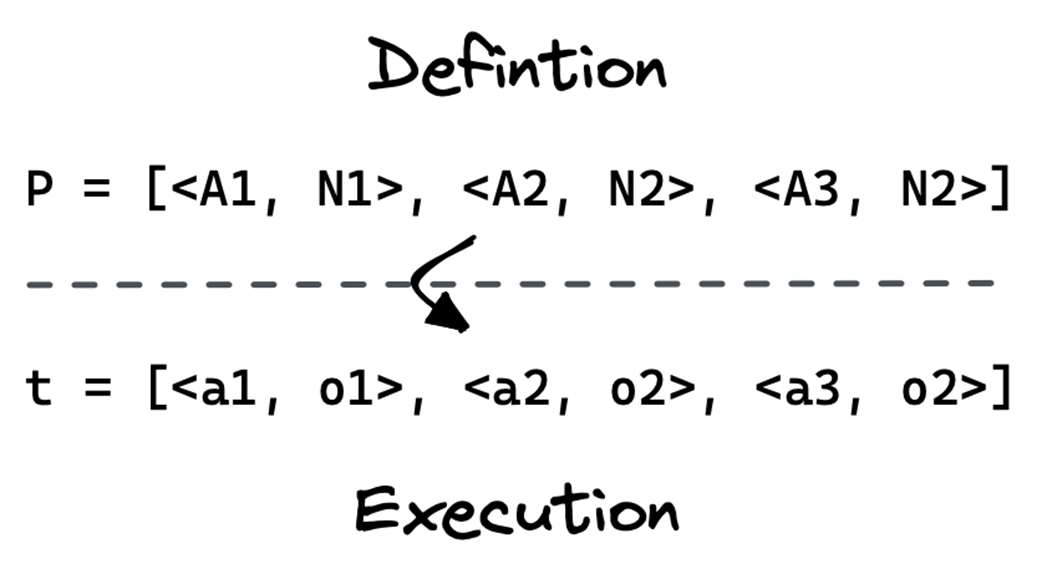
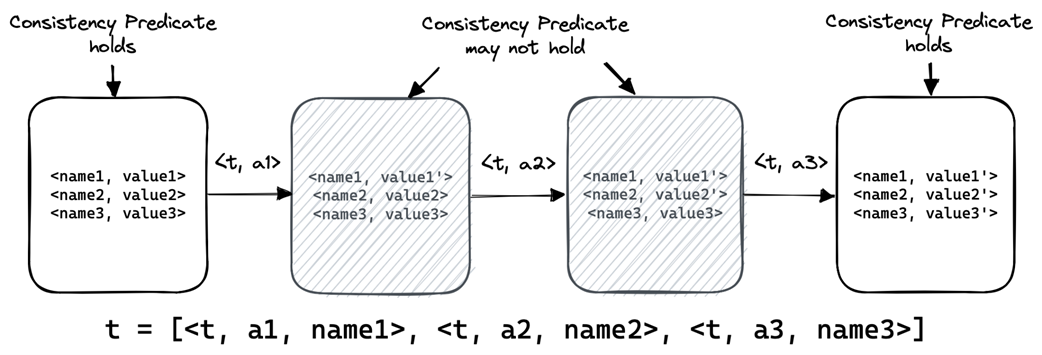
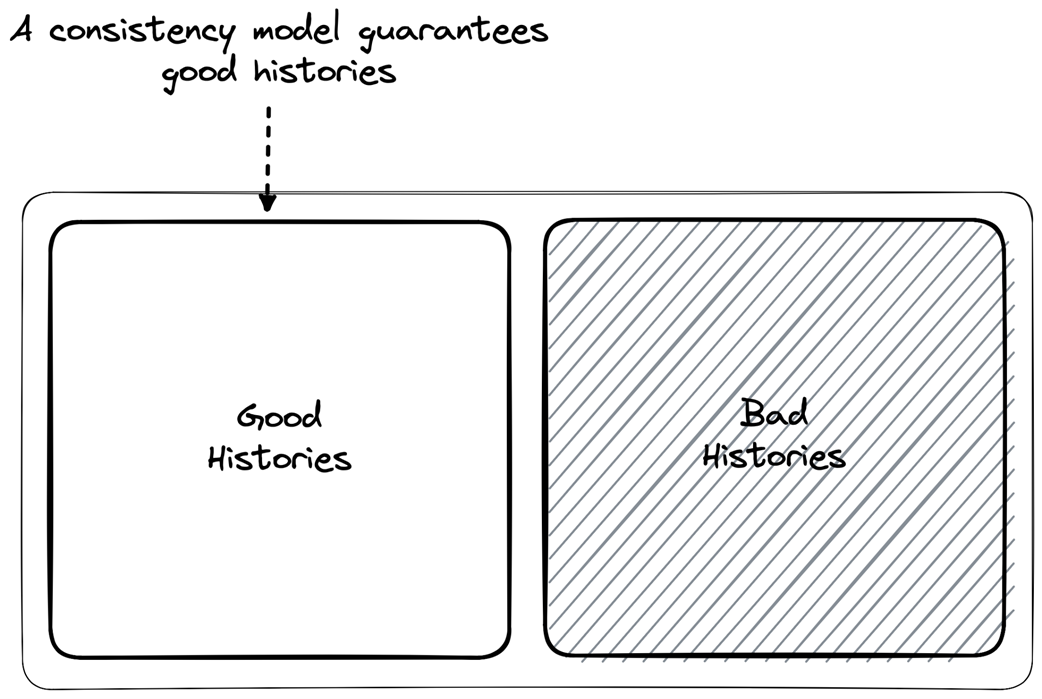
The “magic” of transactions is illustrated with a money-transfer example that lacks visible guards for races or failures, yet still behaves correctly and completely because of transactional guarantees. Correctness is ensured by isolation via serializability: concurrent histories are valid only if they are equivalent to some serial order, preventing anomalies even when operations interleave. The chapter abstracts databases as collections of named objects and defines programs (design-time intent) versus transactions (runtime executions), introducing histories as interleavings of actions across transactions. Consistency is clarified as an application-level predicate (e.g., with or without overdraft via constraints), while atomicity, isolation, and durability are platform-level guarantees that the database system enforces regardless of domain semantics.
Completeness—doing all or nothing despite failures—is achieved through recovery mechanisms, sketched via Undo/Redo with a focus on Undo logging. Before each operation, an inverse is recorded in a transaction undo log, enabling two valid traces: a commit trace that applies all operations, and an abort trace that undoes partial progress. The chapter distinguishes application-level aborts from platform-level aborts (crashes and restarts), explaining recovery by scanning the log for uncommitted work and rolling it back. To be safe across crashes during both forward and rollback phases, undo operations must be restartable (noop + idempotent). Altogether, by shouldering concurrency control and failure recovery, transactions deliver the promised developer experience: concurrency- and failure-agnostic definitions that execute correctly, completely, and durably.
The transformative nature of abstractions, according to Tannenbaum and Bos
The transformative nature of abstractions, according to Helland
Equivalence between higher level and lower level
Possible effects of concurrency
Possible effects of failure
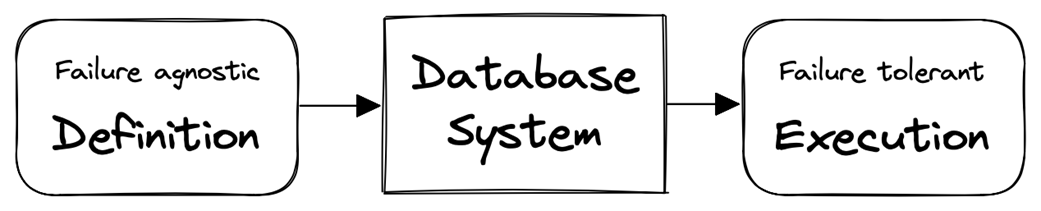
Definition and execution
The database system translates the failure-agnostic definition into a failure-aware and failure-tolerant execution.
Temporary consistency violation
Good and bad histories
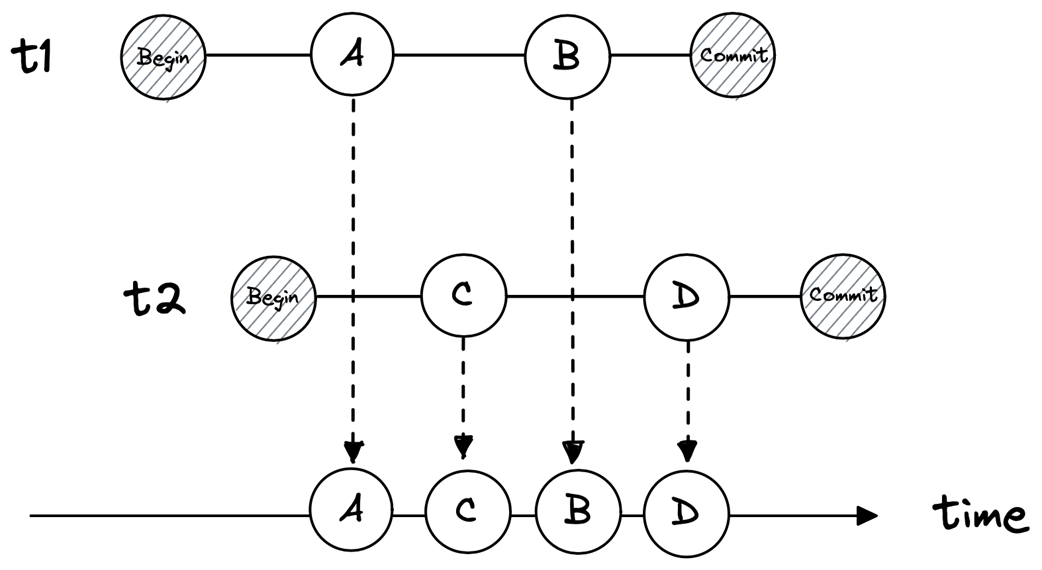
Serializability
Summary
Abstractions are illusions, turning the ugly into the beautiful.
Abstractions are layered; an entity using the abstractions of a higher level is reduced into entities using the abstractions of the lower level.
Transactions are an abstraction that allows an application to pretend that concurrency and failure do not exist.
The database system translates the concurrency and failure-agnostic definitions into a concurrency and failure-aware and -tolerant executions.
Transactions are commonly introduced and discussed in the context of ACID.
By embracing a holistic viewpoint, we recognize that transactions create an encompassing world where the challenges of concurrency and failure become virtually non-existent.
FAQ
Why are transactions discussed in a distributed systems book?Although born in databases, transactions were quickly adopted in distributed systems because they deliver a great developer experience. They hide the complexity of concurrency, partial synchrony, component failures, and unreliable networks, letting you build distributed applications (like web apps) as if those problems didn’t exist.What do transactions guarantee in this chapter’s framing?Transactions guarantee correctness and completeness. Practically, they let you pretend concurrency and failures do not exist by ensuring executions behave as if operations ran without interference and either apply fully or not at all.How does this chapter’s view differ from the classic ACID-first explanation?Instead of treating Atomicity, Consistency, Isolation, and Durability as separate end-goals, the chapter explains transactions through the unified lens of correctness (handling concurrency) and completeness (handling failures), with ACID as the underlying principles that enable those guarantees.What are the ACID properties and which are application- vs platform-level?- Atomicity: effects are all-or-nothing.
- Consistency: moves the database from one consistent state to another (defined by application rules).
- Isolation: executes as if it’s the only transaction (no interference).
- Durability: once committed, effects persist.
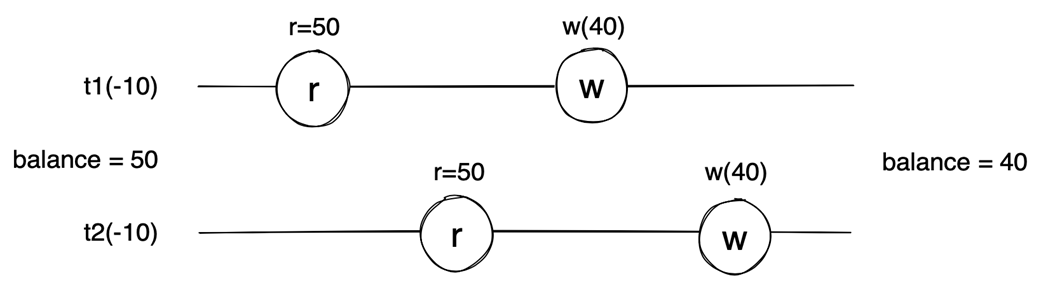
Consistency is application-level (depends on your invariants, like allowing or forbidding overdrafts). Atomicity, Isolation, and Durability are platform-level guarantees provided by the database.What problems show up in the money transfer example, and how do transactions address them?- Concurrency: interleaving read–write steps across concurrent transfers can produce incorrect balances (lost updates).
- Failure: a crash between debiting the source and crediting the target yields a partial transfer.
Transactions address both: isolation eliminates concurrency anomalies (correctness) and atomic commit/rollback eliminates partial effects (completeness).What is serializability and why is it the correctness criterion here?Serializability is a predicate on execution histories: a concurrent history is valid if it is equivalent to some serial order of the same transactions. It guarantees that even with concurrency, results and final state match a sequential execution, preventing anomalies.How is serializability implemented at a high level?The simple (but slow) way is a single lock over all objects, forcing sequential execution. More efficient approaches use finer-grained locking (and related techniques) to allow maximal concurrency while preserving serial (sequential) semantics.How are programs and transactions modeled in this chapter?A program (definition) becomes a transaction (execution). Operations on names become actions on objects. A transaction is modeled as a trace of triples ⟨t, a, o⟩. A history is an interleaving of such triples across multiple transactions, used to reason about correctness.How do databases ensure completeness with Undo logging?Before performing each operation, the database records its inverse in a Transaction Undo Log.
- Commit trace: execute the regular operations (no failure).
- Abort trace: execute some operations, then apply their recorded inverses in reverse order to restore the prior state.
This enables recovery when failures occur.What’s the difference between application-level and platform-level aborts, and why must Undo be restartable?- Application-level abort: explicit abort or an implicit one (e.g., a constraint violation). The system applies the recorded undo operations.
- Platform-level abort: a crash and restart at an arbitrary point. On recovery, the system scans the Undo Log to roll back any uncommitted transactions. Undo must be restartable—noop (applying op then undo equals just undo) and idempotent (repeating undo has no extra effect)—so recovery remains correct across repeated restarts.
pro $24.99 per month
access to all Manning books, MEAPs, liveVideos, liveProjects, and audiobooks!



 Think Distributed Systems ebook for free
