11 Supervised and Unsupervised Learning
This chapter surveys how machine learning—positioned within the broader field of artificial intelligence—has moved from research labs into everyday products, and frames the chapter’s central theme: using supervised and unsupervised learning to solve optimization problems. It refreshes key ML concepts and motivations (learning as error minimization, search restriction, and reward optimization), outlines major schools of thought, and highlights why abundant data and compute have propelled deep learning. A practical taxonomy distinguishes supervised, unsupervised, hybrid, and reinforcement learning (deferred to the next chapter), while emphasizing deep learning’s strength in end-to-end representation learning across modalities, reducing manual feature engineering.
The chapter then builds technical foundations needed for optimization use cases. It introduces graph-structured data and geometric deep learning, showing why many real systems are naturally graphs and how tabular data can be recast as nodes and edges. It contrasts Euclidean and non-Euclidean data, explains graph embeddings (transductive vs. inductive), and details Graph Neural Networks—especially Graph Convolutional Networks with message passing for node, edge, and graph prediction. Attention mechanisms refine neighborhood aggregation, yielding Graph Attention Networks with multi‑head attention. The chapter also covers Pointer Networks, which use attention as a pointer to produce variable-length, input-indexed outputs—crucial for combinatorial tasks—and explains Self‑Organizing Maps, whose competitive, neighborhood-based learning preserves topology for clustering and dimensionality reduction.
With these tools, the chapter demonstrates three ways ML supports combinatorial optimization: end-to-end prediction of solutions, learning to configure classical algorithms, and repeatedly consulting learned policies inside search. Worked examples include amortized (supervised) optimization over spheres for fast approximate solvers; a supervised graph-learning pipeline for TSP that embeds instances, predicts solution probabilities, and guides graph search; an unsupervised SOM approach to TSP that improves via parameter tuning; and a Pointer Network that learns convex hulls by selecting input indices in sequence. Collectively, these cases show how supervised and unsupervised methods can approximate or accelerate hard optimization tasks, trading one‑time training cost for rapid inference while leveraging structure (graphs, attention, topology) to generalize across instances.
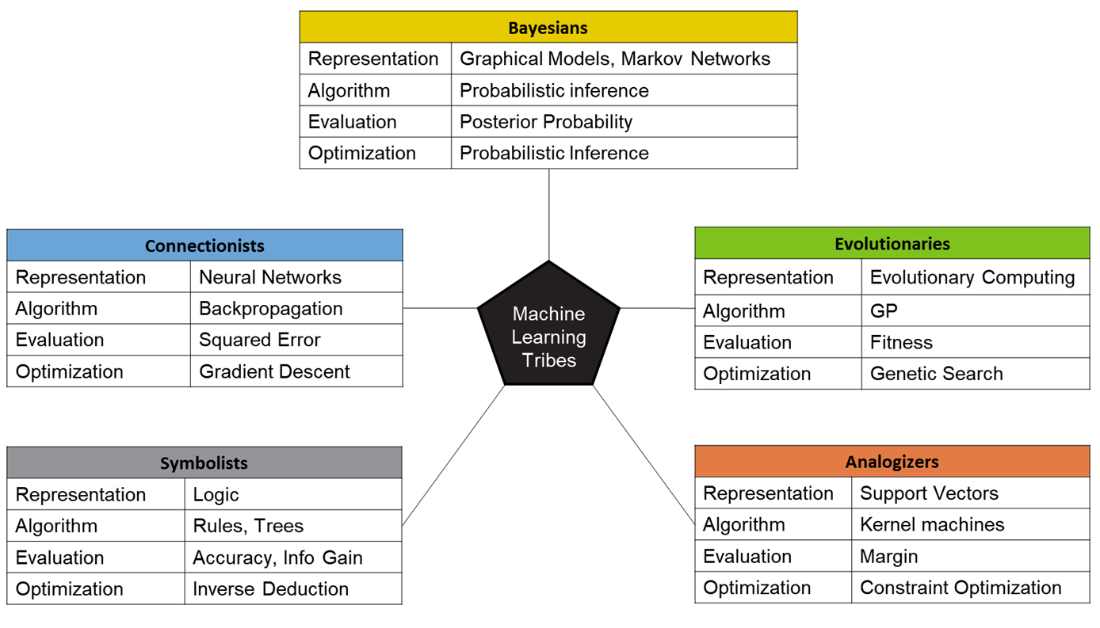
Different schools of thought of machine learning as per the Master Algorithm [3]
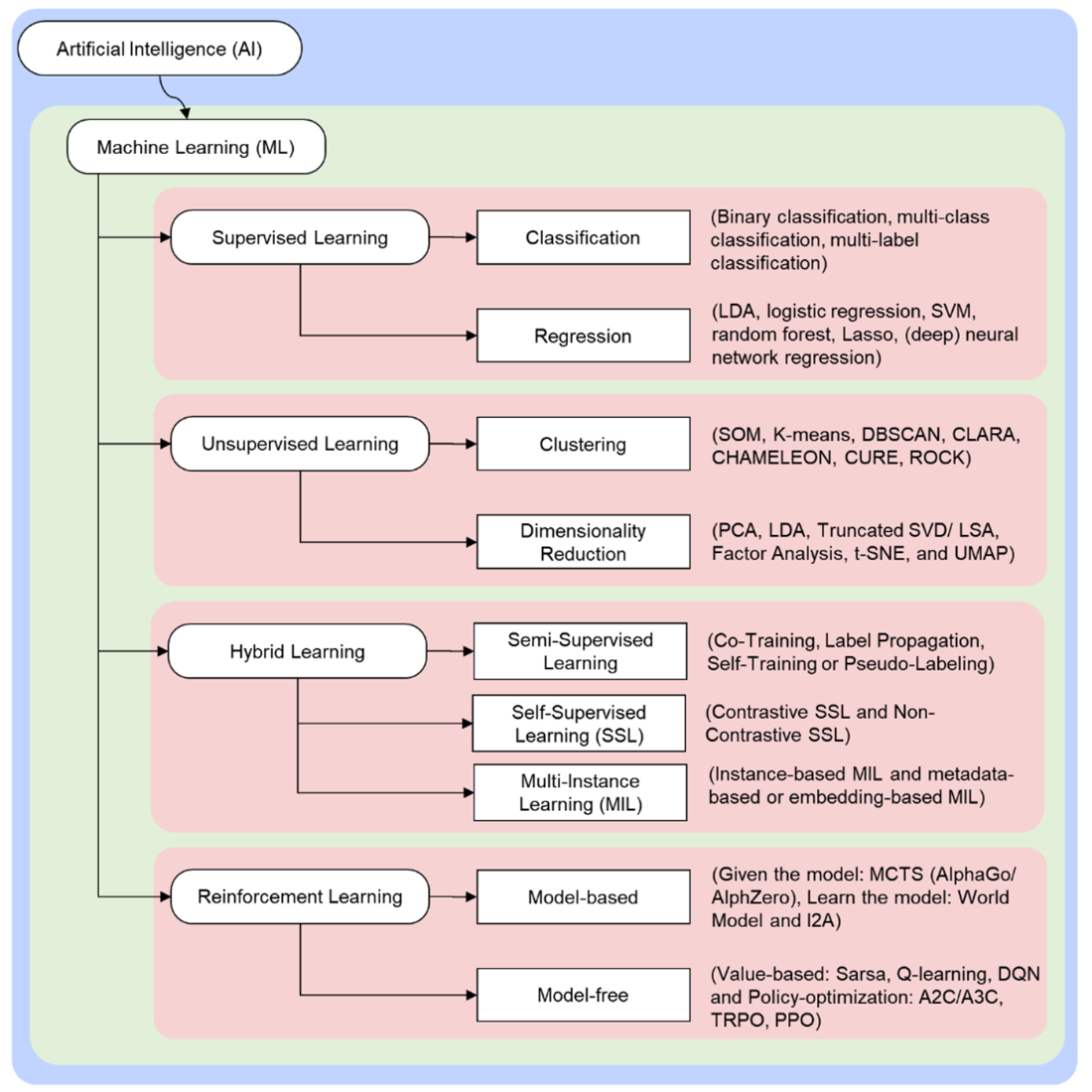
Machine learning taxonomy as a subfield of AI
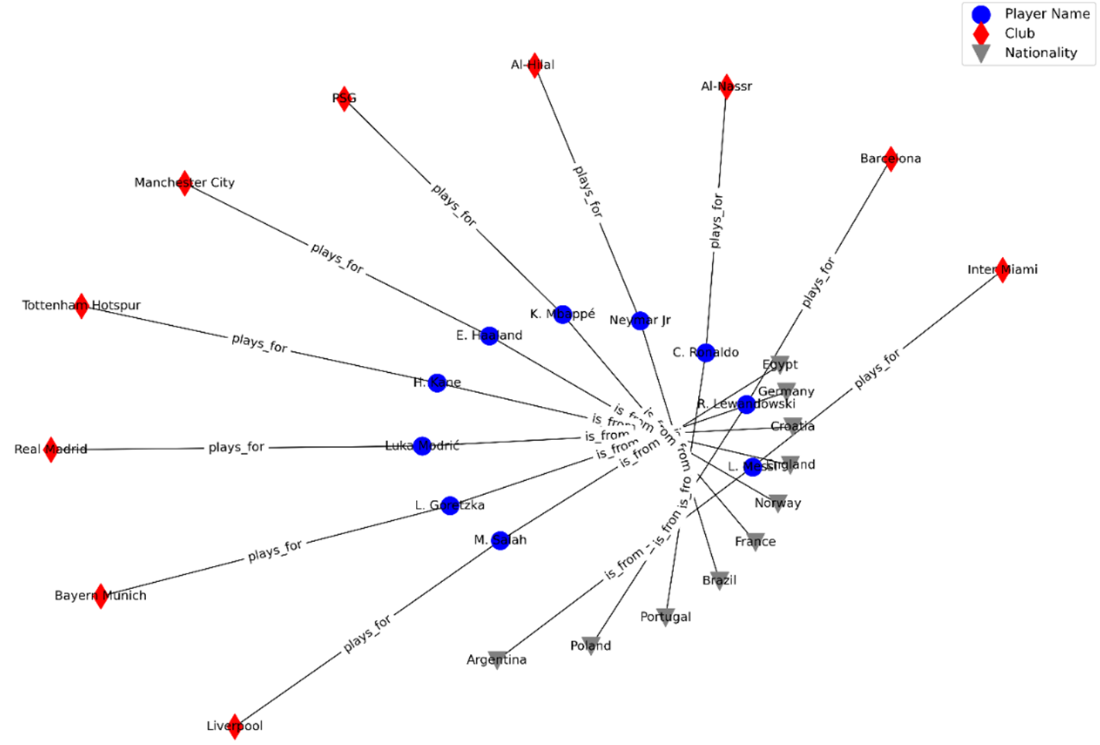
Graph-structured data of 10 selected soccer players.
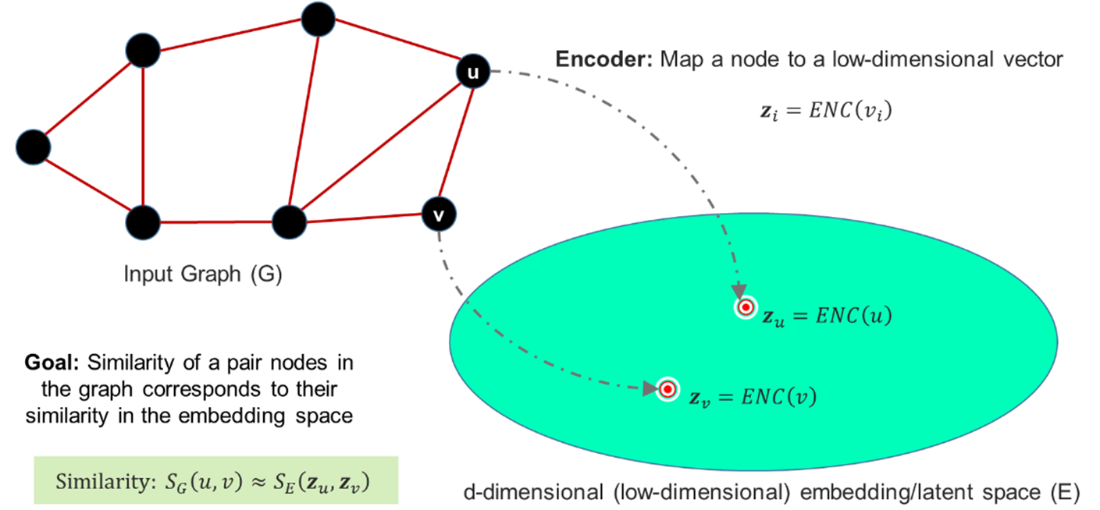
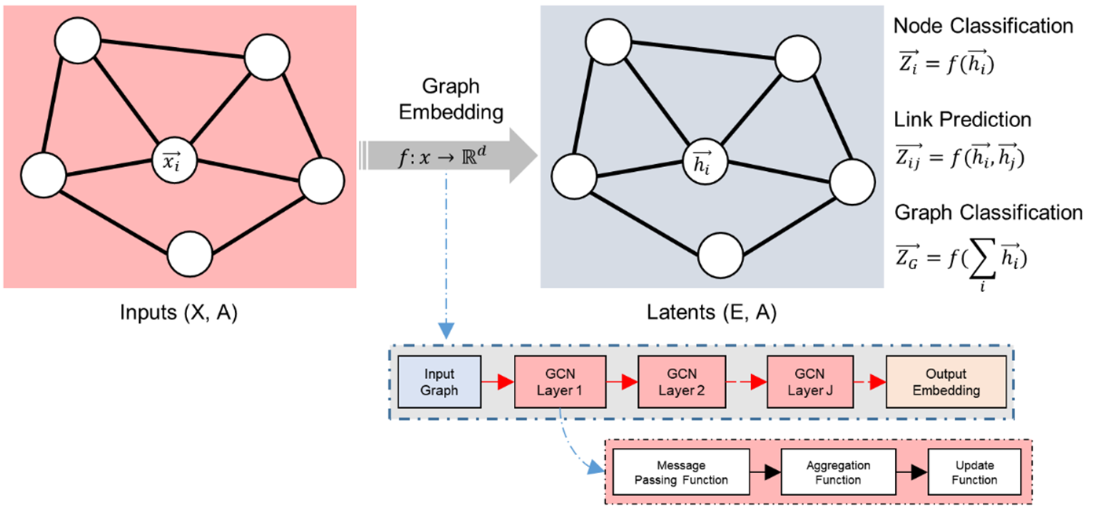
Graph embedding
Graph embedding and node/link/graph classification
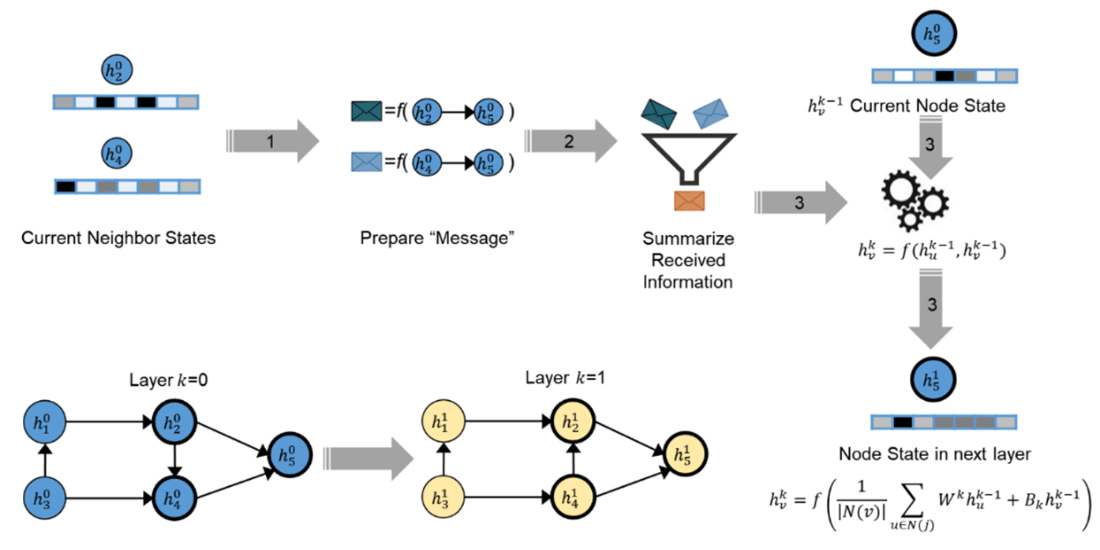
Message passing and update in GCN
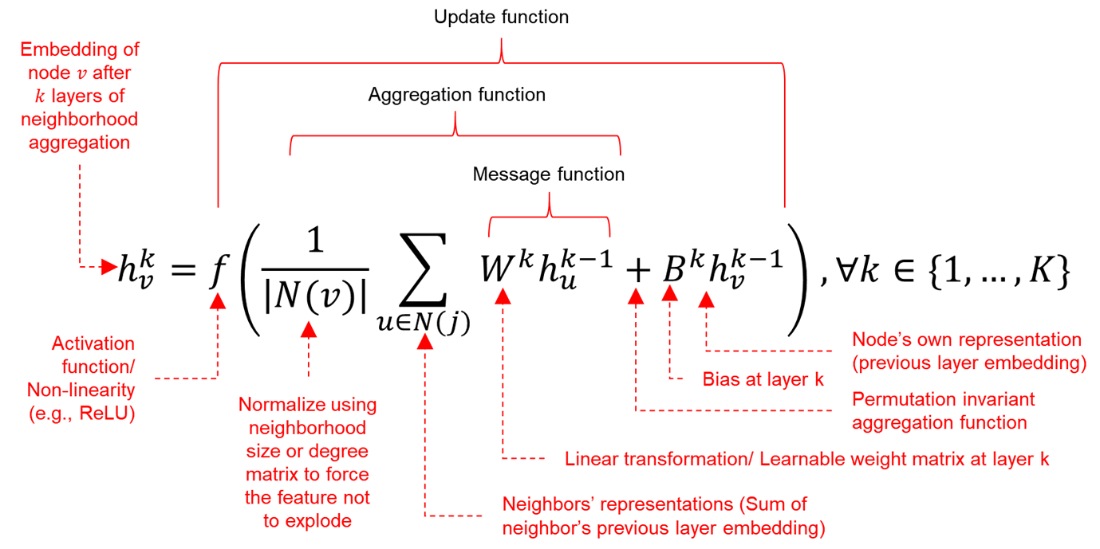
Embedding function in GCN.
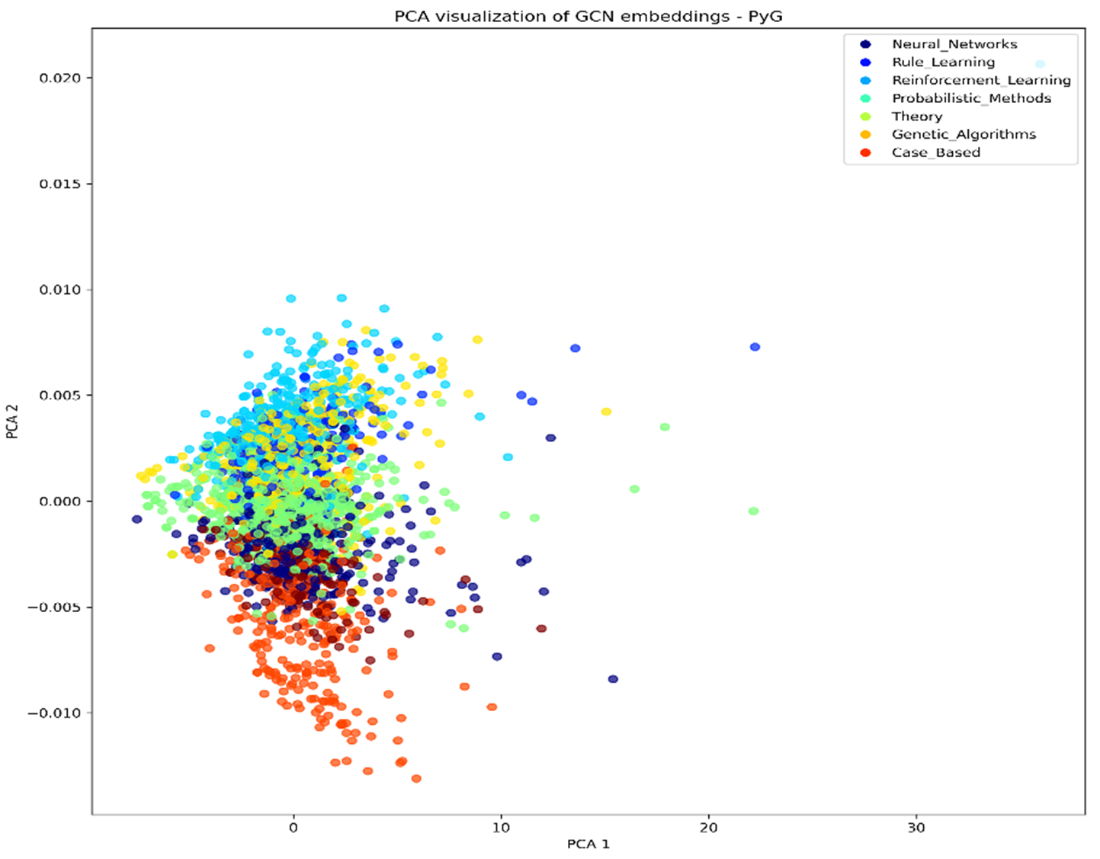
Node embedding using GCN in PyG
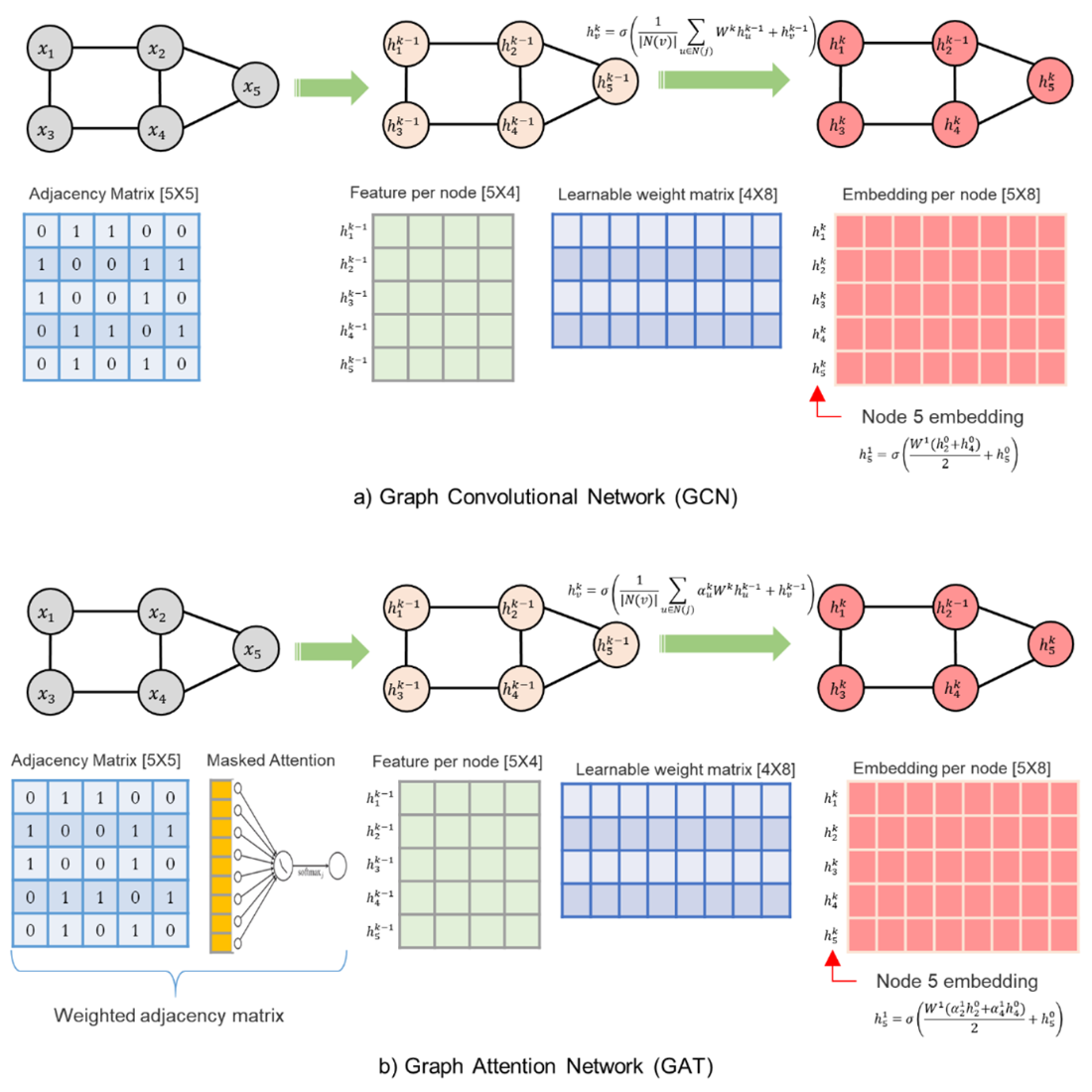
a) Graph Convolutional Network (GCN) versus Graph Attention Network (GAT)
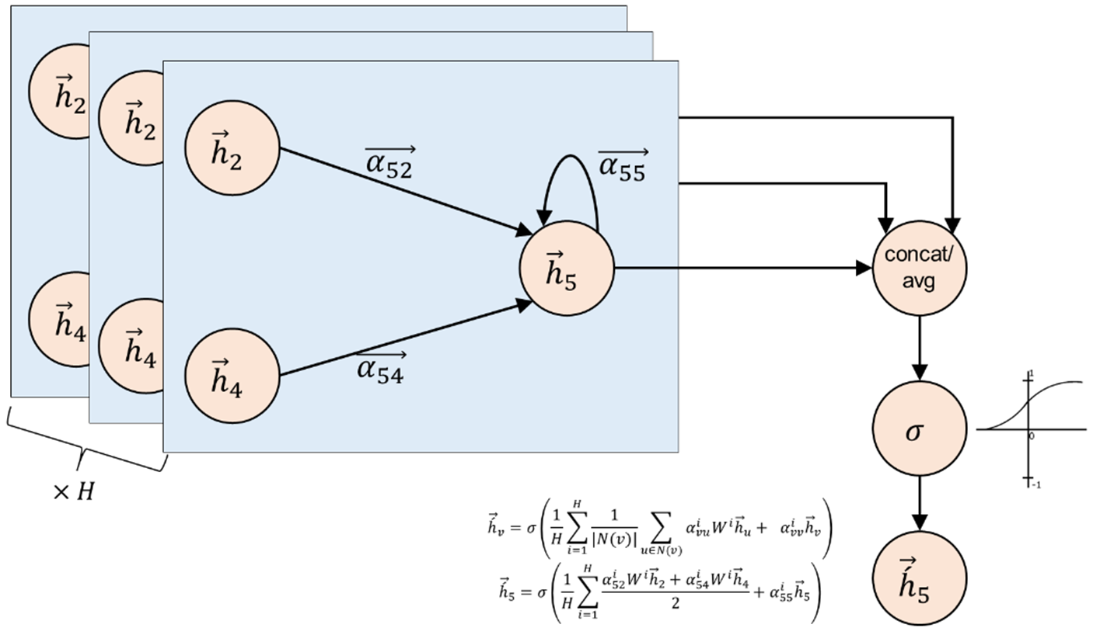
Multi-head attention with H = 3 heads by node 5. 𝛼52, 𝛼54, 𝛼55 are the attention coefficients between the nodes. The aggregated features from each head are averaged to obtain the final embedding of the node.
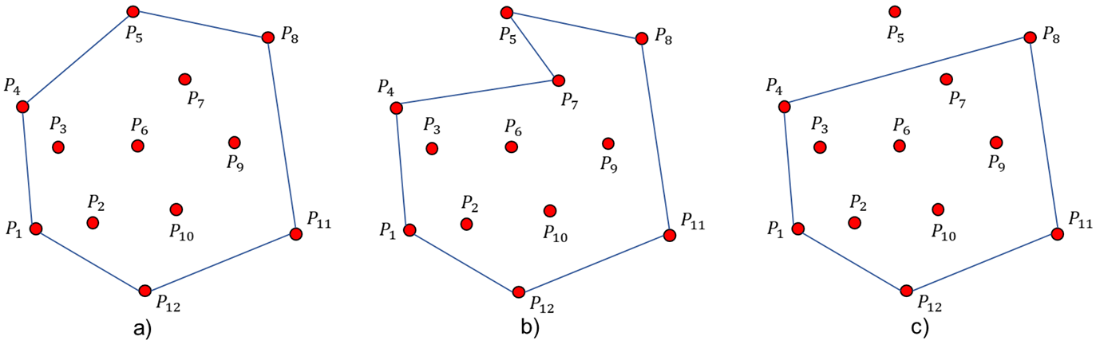
Convex Hull. a) Valid convex hull that enclosed all points while maximizing the area and minimizing the circumference. Note that the number of points included in the output sequence of the polygon may be smaller than the number of given points. b) Invalid convex hull as the circumference is not minimized. c) Invalid convex hull as not all the points are enclosed.
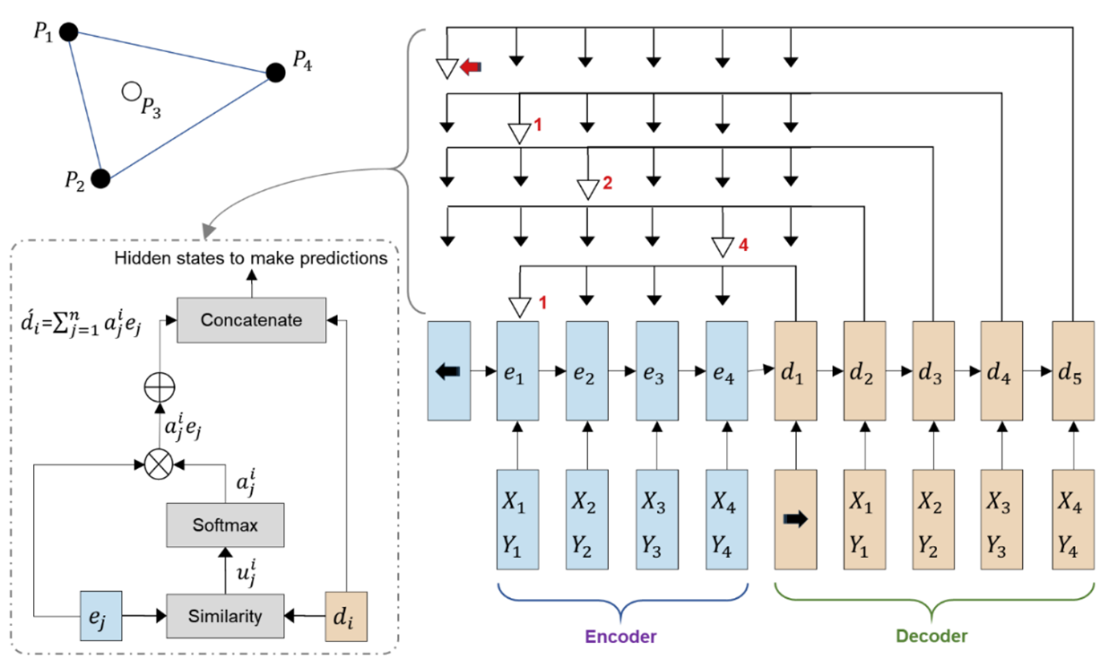
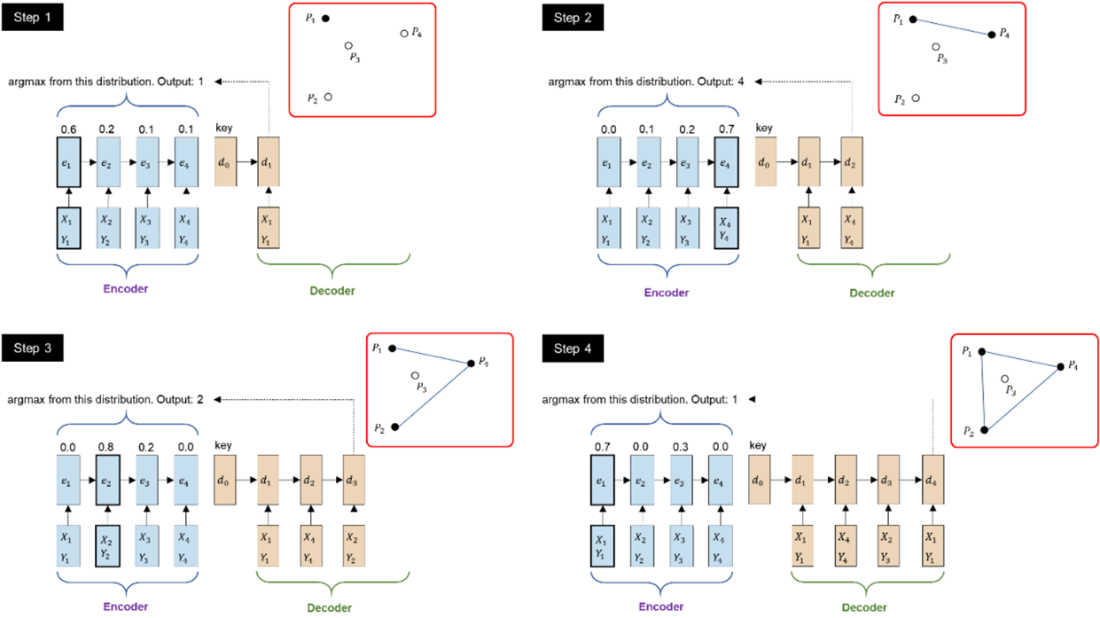
Pointer Network (Prt-Net) estimating output sequence [1 4 2] from input data points [1 2 3 4].
Equation 11.1

Equation 11.2

Equation 11.3

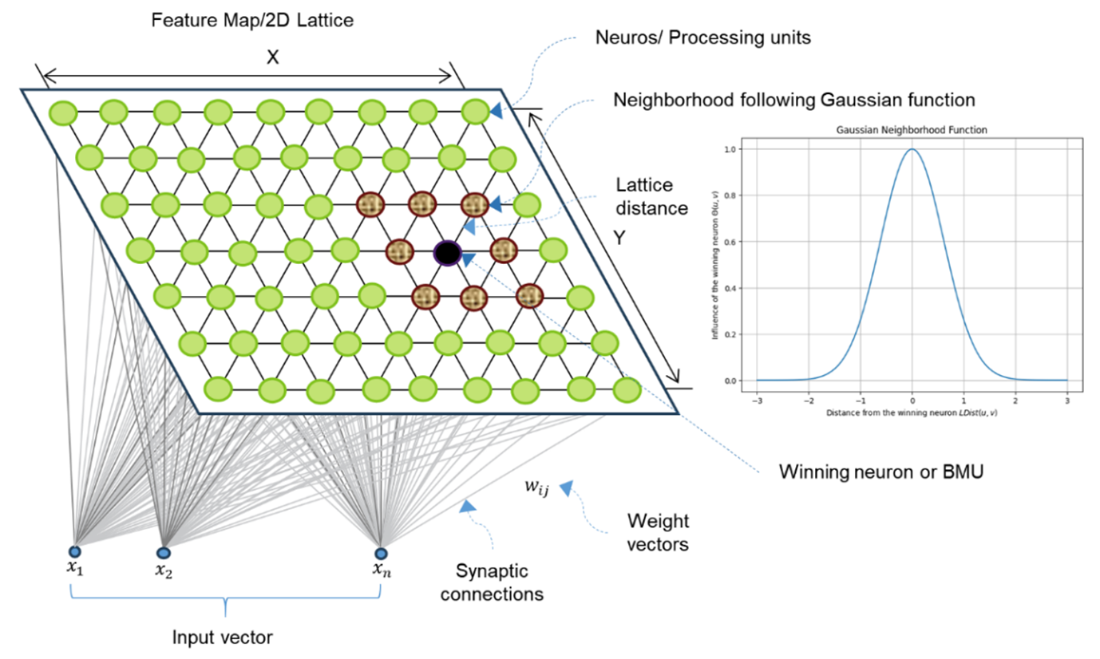
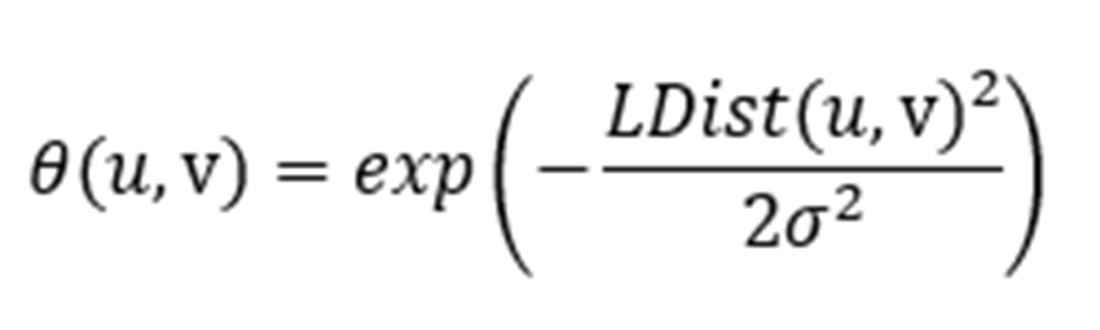
Self-Organizing Map (SOM) with Gaussian neighborhood function
Equation 11.4
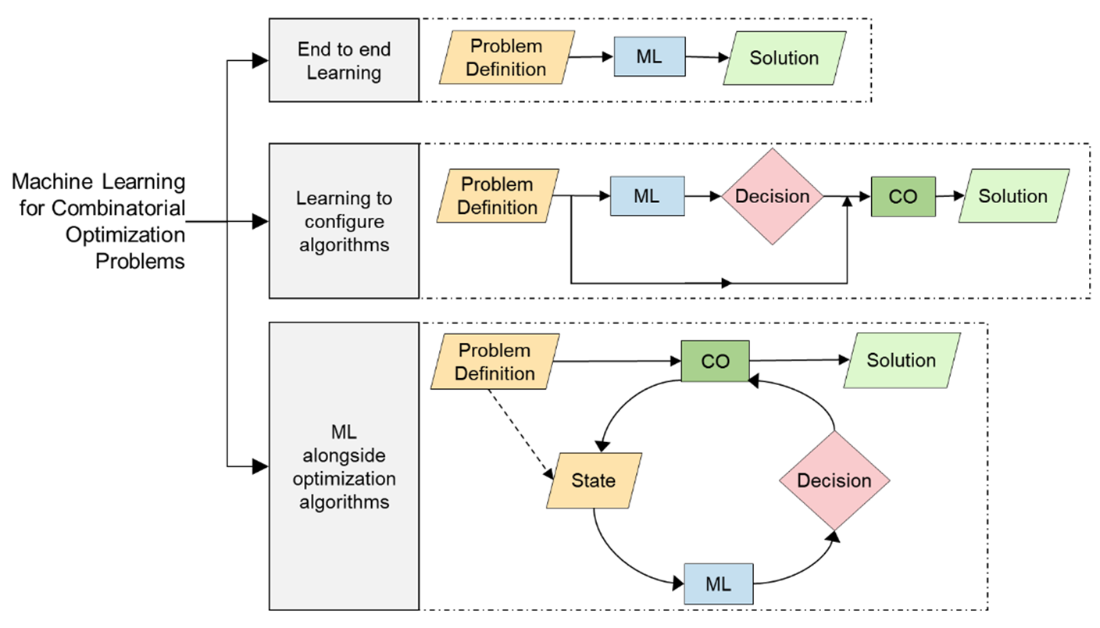
Machine learning (ML) for combinatorial optimization (CO) problems
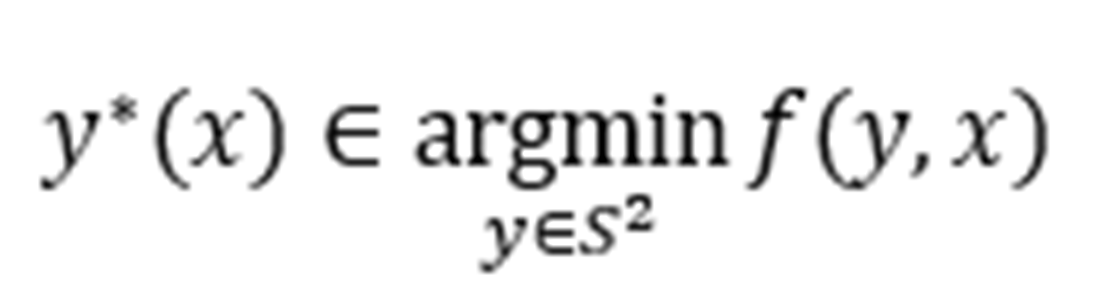
Equation 11.5
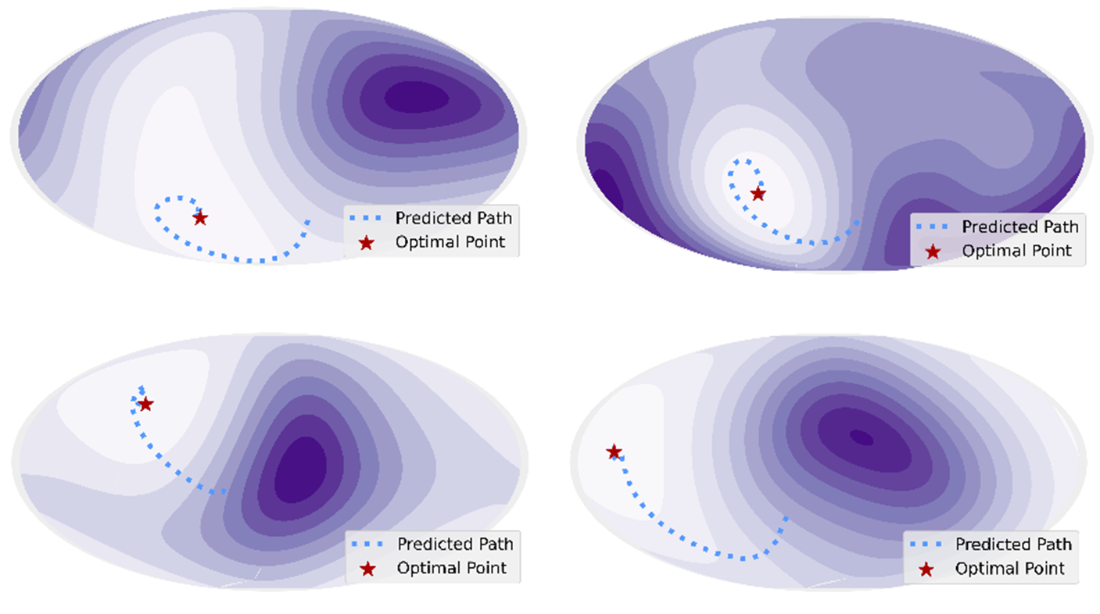
Example of outputs of the trained amortized model
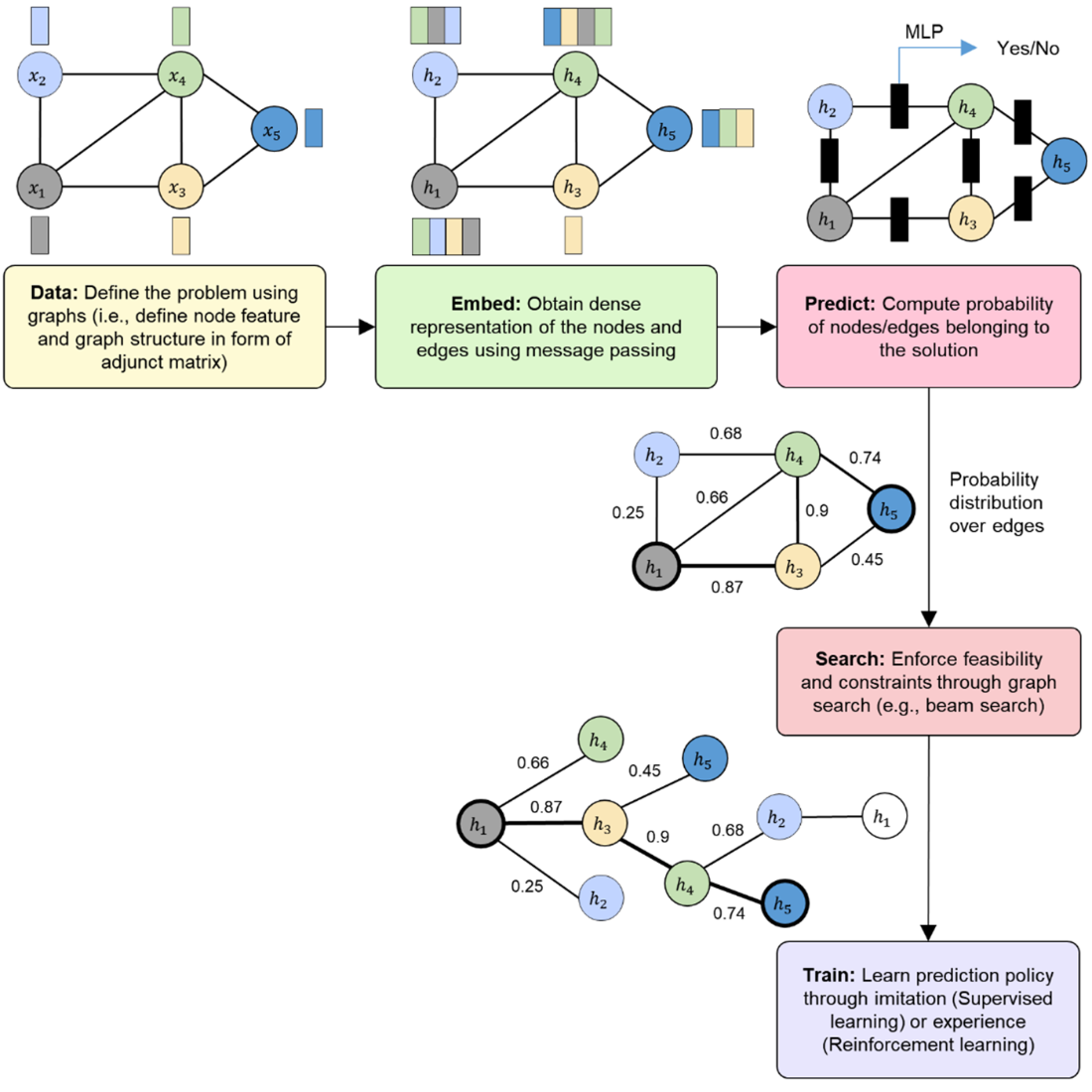
End-to-end pipeline for combinatorial optimization problems
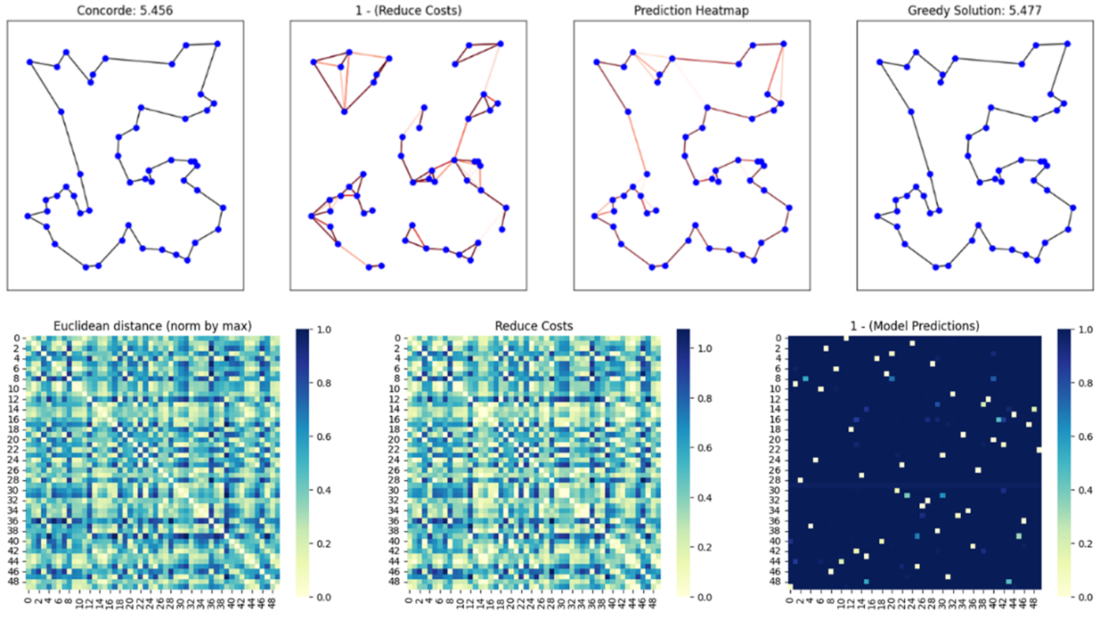
TSP50 solution using pretrained machine learning model.
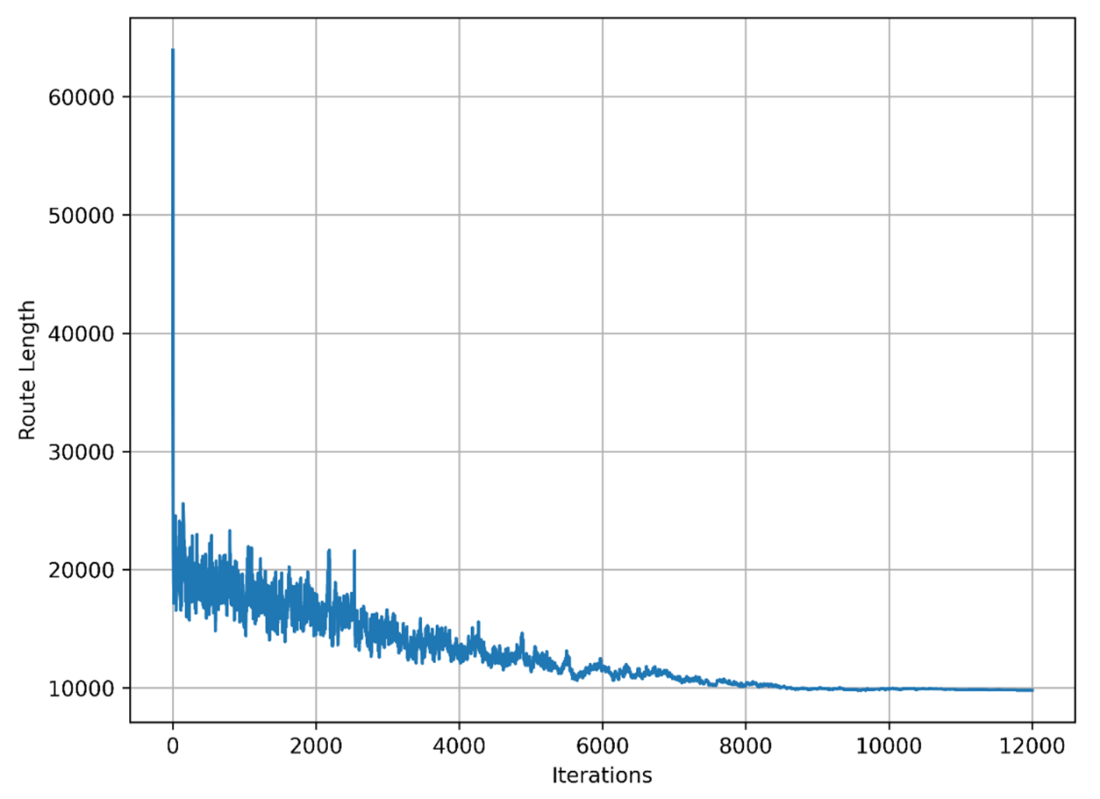
Route length per iteration of SOM for Qatar TSP. Final route length is 9,816. Optimal solution is 9,352.
Solving convex hull problem using Pointer Network. The output in each step is just a pointer to the input that maximizes the probability distribution.
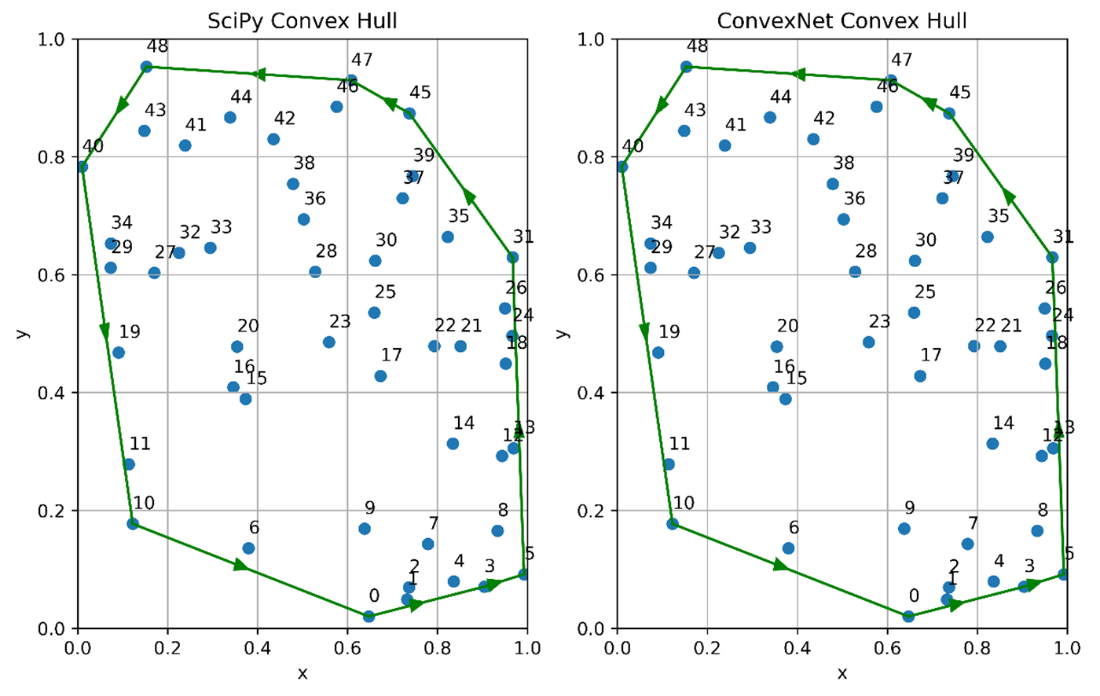
Conex hulls generated by Scipy and Ptr-Net for 50 points
Summary
- Machine learning (ML), a branch of artificial intelligence (AI), grants an artificial system/process the capacity to learn from experiences and observations, rather than through explicit programming.
- Deep learning (DL) is a subset of machine learning that is focused on the detection of inherent features within data by employing deep neural networks. This allows artificial systems to form intricate concepts from simpler ones.
- Geometric deep learning (GDL) extends (structured) deep neural models to handle non-Euclidean data with underlying geometric structures, such as graphs, point clouds, molecules, and manifolds.
- Graph Machine Learning (GML) is a subfield of machine learning that focuses on developing algorithms and models capable of learning from graph-structured data.
- Graph embedding represents the process aimed at creating a conversion from the discrete, high-dimensional graph domain into a lower-dimensional continuous domain.
- The attention mechanism allows the model to selectively focus on certain portions of the input data while it is in the process of generating the output sequence.
- Pointer Network (Ptr-Net) is a variation of the sequence-to-sequence model with attention designed to deal with variable-sized input data sequences.
- A Self-Organizing Map (SOM), also known as Kohonen map, is a type of artificial neural network (ANN) used for unsupervised learning. SOMs differ from other types of artificial neural networks as they apply competitive learning rather than error-correction learning (such as backpropagation with gradient descent).
- Neural Combinatorial Optimization refers to the application of machine learning to solve combinatorial optimization problems.
- Harnessing machine learning for combinatorial optimization can be achieved through three main methods: end-to-end learning where the model directly formulates solutions, using machine learning to configure and improve optimization algorithms, and integrating machine learning with optimization algorithms where the model continuously guides the optimization algorithm based on its current state.

 Optimization Algorithms ebook for free
