Overview

1 Why Lean, why now?

Modern software delivery exhibits a paradox: teams produce more code and wield richer toolchains—including AI assistants—yet lead times, quality, and predictability often stagnate. The friction stems less from individual performance and more from delivery systems that haven’t been designed for today’s scale and complexity. Lean thinking is presented as a developer-centric systems discipline that prioritizes value, exposes waste, stabilizes work, and improves the end-to-end path from intent to running software. Rather than treating AI or new tools as silver bullets, Lean reframes the challenge: understand how work actually flows, where constraints live, and how to build shared, executable standards so speed translates into sustainable outcomes.

Translating Lean’s core principles to software means redefining value as durable user capability; making the value stream from idea to production visible; managing flow to minimize queues, rework, and handoffs; applying pull to align work-in-progress with real demand and capacity; and pursuing continuous improvement by treating failures as signals. In this view, code creation is rarely the bottleneck—decision latency, unclear standards, brittle tests, and late feedback are. Techniques like encoding architectural constraints (linters, ADRs, agent personas), clarifying definitions of done, limiting batch size, and ensuring production-like testing environments move judgment upstream and shorten feedback loops. Lean complements Agile by refocusing attention on value, waste, and flow at the developer’s screen, not on distant process management.

A practical mental model ties these principles to the daily loop of intent, code, build/test, review, run, and learn. Real-world scenarios—AI-driven refactors that regress in production, dead code from long-lived sessions, and features that “look done” but are costly to operate—reveal systemic failure modes: delayed feedback, invisible queues, and diffused responsibility. Targeted interventions follow: small PRs and responsive reviews, production-like data in staging, automated load tests for risky changes, explicit readiness criteria before starting work, and blameless retrospectives that drive system enablers. The result is faster, more reliable flow demonstrated by shorter cycle times and fewer escapes—not by heroics, but by a system deliberately designed to surface constraints early, support human judgment, and learn continuously.

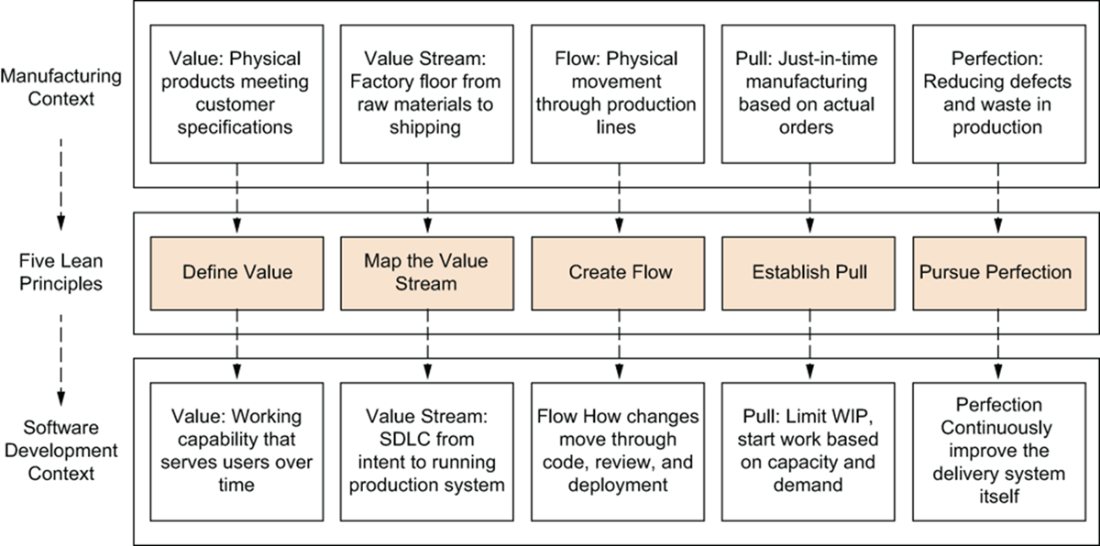
Mapping the manufacturing context to the software context for the five Lean principles.
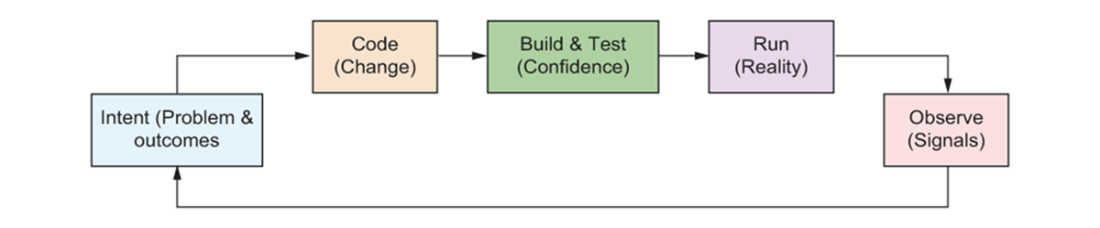
Simplified SDLC model showing the progression from intention to production.
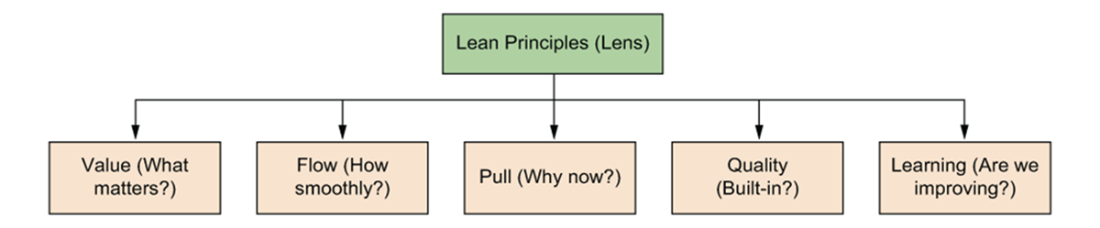
Five Lean principles to consider in day-to-day decision making to embrace Lean thinking.
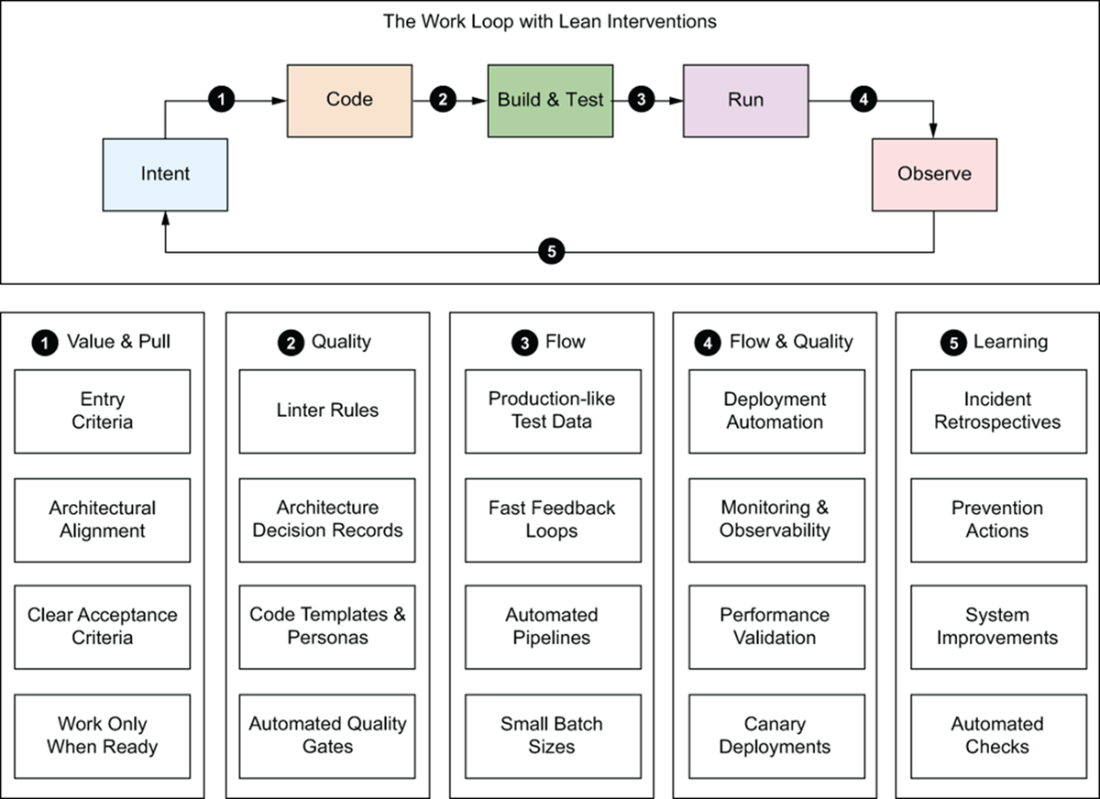
Work loop with Lean interventions, addressing specific failure modes from the notification preferences scenario.
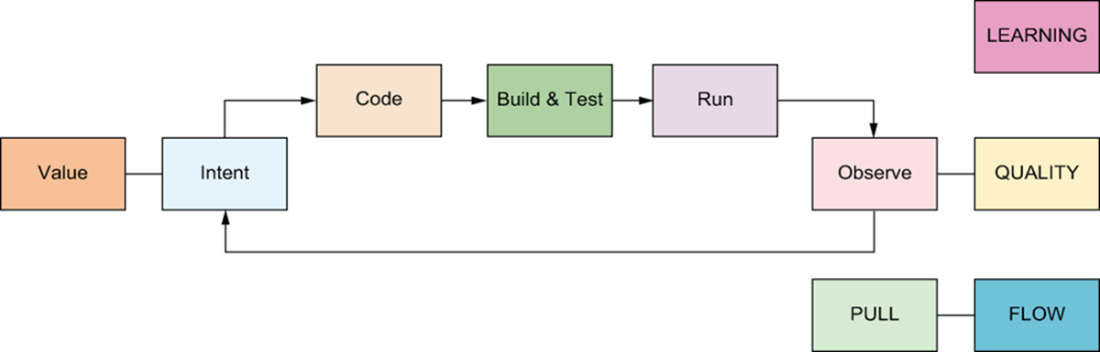
The holistic Lean model—five Lean principles surround and influence every phase of the work loop.
Summary

  • Modern software teams face persistent friction despite powerful tools and automation.
  • AI-assisted development increases speed, but also amplifies systemic constraints and hidden waste.
  • Most delivery slowdowns are caused by system-level issues, not individual skill or effort.
  • Software delivery is a continuous loop of intent, execution, validation, and feedback.
  • Lean provides a developer-centric way to reason about value, flow, delay, and rework.
  • Lean focuses on improving the system around the code, not just the code itself.
  • A shared mental model of the delivery system enables clearer judgment, faster learning, and more reliable outcomes.

FAQ

Why Lean, and why now, for modern software teams?Teams ship more code with richer toolchains and AI, yet lead times stay long, quality is inconsistent, and rework is high. The issue isn’t talent or effort—it’s that delivery systems aren’t designed or understood for today’s complexity. Lean reframes work as a system of value, waste, and flow so improvements target the real constraints, not just local speed.
If AI makes coding fast, why are outcomes still slow or fragile?AI lowers the cost of producing code, tests, and alternatives, but it doesn’t remove constraints in understanding, validation, integration, and operations. It often increases upstream output and congests downstream stages (review, testing, deployment). Without Lean practices (explicit standards, fast feedback, limited WIP), AI can amplify waste instead of outcomes.
What does “Lean” mean for software developers?Lean is a developer-centric systems discipline. It focuses on identifying user value, exposing waste, stabilizing how work moves across design, code, test, and deploy, and improving the end-to-end delivery system. It’s a set of thinking skills—optimize flow over output, fix root causes of rework, and encode shared standards that enable autonomy, especially in AI-assisted workflows.
How does Lean relate to Agile and other frameworks?Agile drew inspiration from Lean but often shifted toward managing process from a distance. Lean complements Agile/DevOps by making flow visible at the developer’s screen and improving it directly. It targets value, waste, and flow where work actually happens, rather than adding ceremonies.
What are the core Lean principles and how do they map to software?- Value: Not features or LOC, but sustained user capability in production. - Value stream: The path from idea to running system; make invisible queues and handoffs visible. - Flow: Smooth, predictable movement of work; in software it’s constrained by decisions and risk, not machines. - Pull: Start work based on real demand and capacity; limit WIP to prevent hidden inventory. - Perfection: Continuous improvement—treat defects, incidents, and delays as signals to improve the system.
What does it mean to “make the delivery system visible”?Map the software value stream end to end—from intent through code, build/test, review, run, and back via observation. Surface where work waits (PR queues, approvals, flaky tests, staging gaps), where it loops, and where decisions arrive late. Visibility prevents local optimization that harms overall flow.
Where does waste show up in modern SDLCs, and how do we address it?Common wastes include rework from late architectural decisions, waiting in review queues, dead code from long-lived context windows, flaky/slow tests, and “done” features that are costly to operate. Lean responses: make constraints explicit early (ADRs, linters, personas), limit WIP and batch size, use production-like test data and load tests, and define clear readiness signals for each transition.
How do standards, personas, and linters reduce rework in an AI era?They move judgment upstream so code starts aligned with architecture and quality. Examples: AI agent personas with architectural guidance, linter rules that enforce patterns, fitness functions for performance, and PR templates with entry criteria. When clear and consistently applied, they lower alignment costs and prevent invisible queues; when implicit, they just shift decisions and create rework.
What simple model can we use to diagnose delivery slowdowns?Use the delivery loop: Intent → Code → Build/Test → Run → Observe → back to Intent. Ask where work is waiting or looping. Then apply the Lean lens: Value (what matters), Flow (where it stalls), Pull (readiness to start/advance), Quality (where defects are introduced/caught), Learning (what system change prevents recurrence). This leads to targeted fixes (e.g., smaller PRs, parallelized tests, staging parity, load testing, blocking merges on failures).
How can a team start applying Lean immediately?- Observe first: measure PR queue age, test duration/flakiness, staging parity, and incident escape points. - Limit WIP and set entry/exit criteria for each stage. - Encode constraints early (ADRs, linters, templates, personas). - Seed staging with production-like data and add load tests for high-risk changes. - Commit to daily reviews and blameless retros focused on system changes that catch issues earlier. Small, consistent changes compound.

pro $24.99 per month

  • access to all Manning books, MEAPs, liveVideos, liveProjects, and audiobooks!
  • choose one free eBook per month to keep
  • exclusive 50% discount on all purchases
  • renews monthly, pause or cancel renewal anytime

lite $19.99 per month

  • access to all Manning books, including MEAPs!

team

5, 10 or 20 seats+ for your team - learn more


choose your plan

team

monthly
annual
$49.99
$499.99
only $41.67 per month
  • five seats for your team
  • access to all Manning books, MEAPs, liveVideos, liveProjects, and audiobooks!
  • choose another free product every time you renew
  • choose twelve free products per year
  • exclusive 50% discount on all purchases
  • renews monthly, pause or cancel renewal anytime
  • renews annually, pause or cancel renewal anytime
  • Lean Software Engineering ebook for free

choose your plan

team

monthly
annual
$49.99
$499.99
only $41.67 per month
  • five seats for your team
  • access to all Manning books, MEAPs, liveVideos, liveProjects, and audiobooks!
  • choose another free product every time you renew
  • choose twelve free products per year
  • exclusive 50% discount on all purchases
  • renews monthly, pause or cancel renewal anytime
  • renews annually, pause or cancel renewal anytime
  • Lean Software Engineering ebook for free