1 Getting started with distributed systems and Aspire
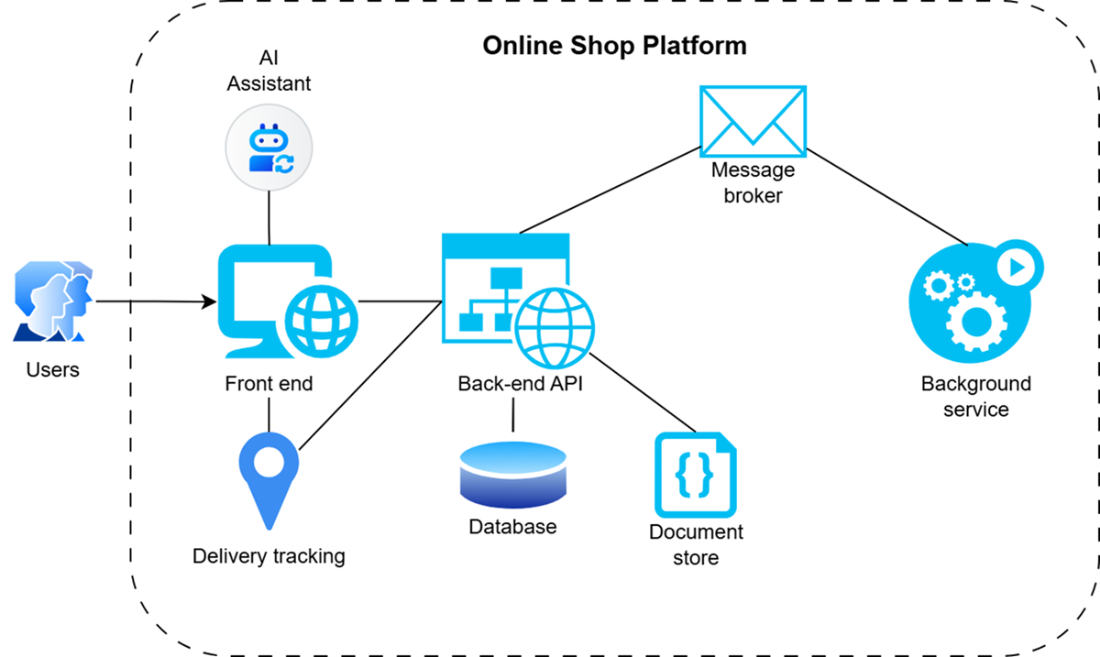
Distributed applications are much harder to run locally than a single-process app because they are made of independently running parts that all need to be started, configured, and kept in sync. The chapter uses an online shop to show how a storefront, API, database, cache, message broker, and background services cooperate as one system, even though each piece is separate and can fail, start slowly, or depend on something else being ready first.
To reduce that complexity, Aspire provides a code-first way to describe the whole application as a model centered on an AppHost project. From that single host, developers can start resources together, pass configuration and connection details, manage dependencies, discover services without hardcoded addresses, and see logs, state, and telemetry in one dashboard. The chapter emphasizes that Aspire does not merge services into one executable; it helps coordinate and observe them while they remain independent.
The first working example introduces a simple storefront and catalog API, then shows how the host application registers those projects, waits for readiness, and connects them through service discovery. It also introduces service defaults, which package shared setup such as health checks, telemetry, and discovery support into reusable code. By the end, the reader has a practical foundation for building, debugging, testing, and eventually evolving a realistic cloud-native system with Aspire.
A shopper’s request crosses the storefront, API, data stores, and background-processing components. Telemetry makes the complete workflow observable.
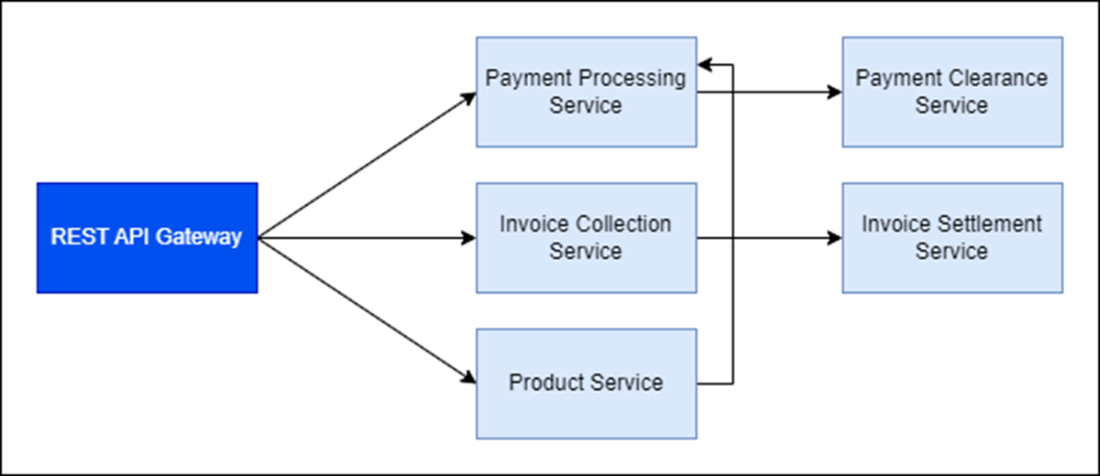
A distributed application consists of several specialist components separated by network connections.
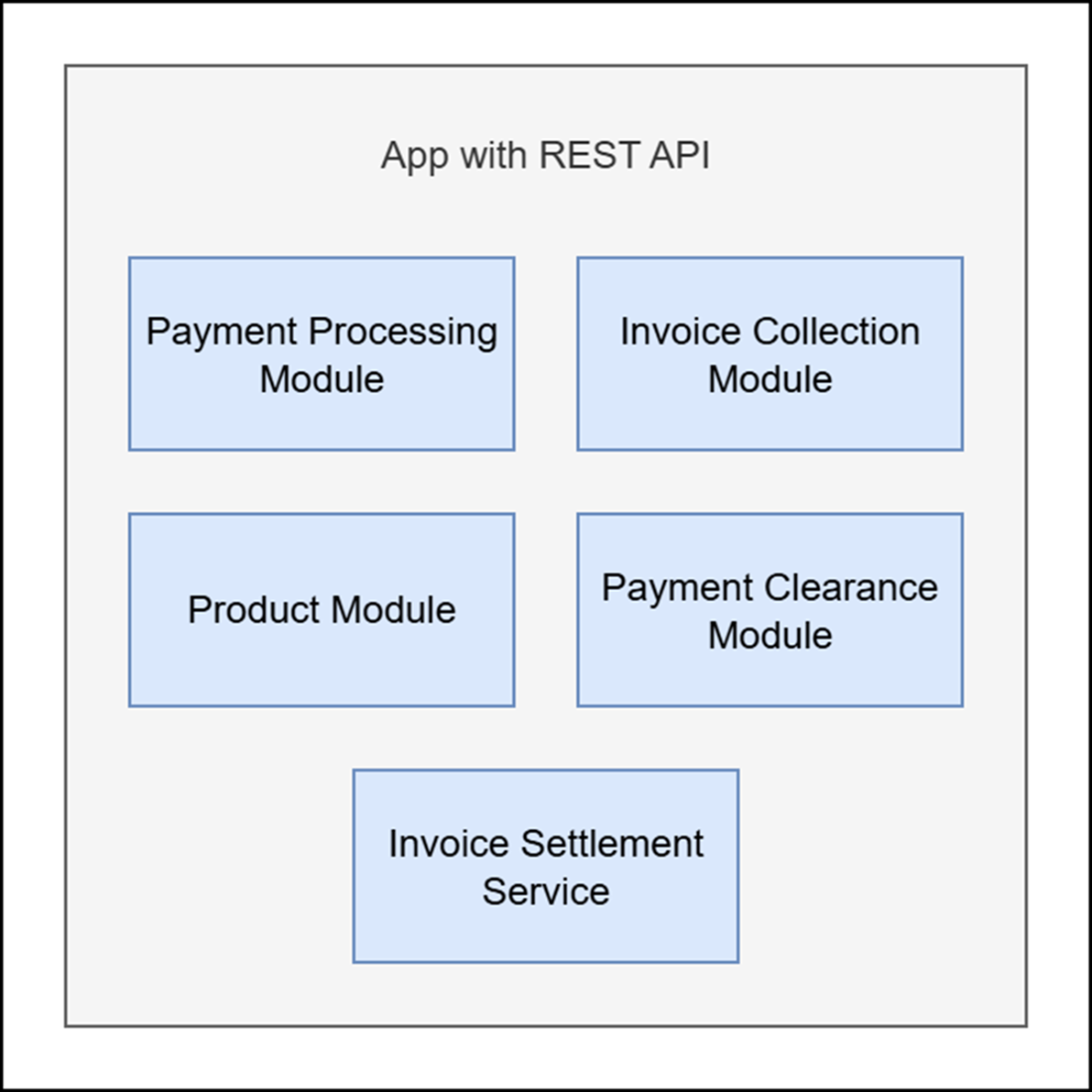
Structure of a modular monolith, in which different functionalities are managed inside the same application but split into distinct modules
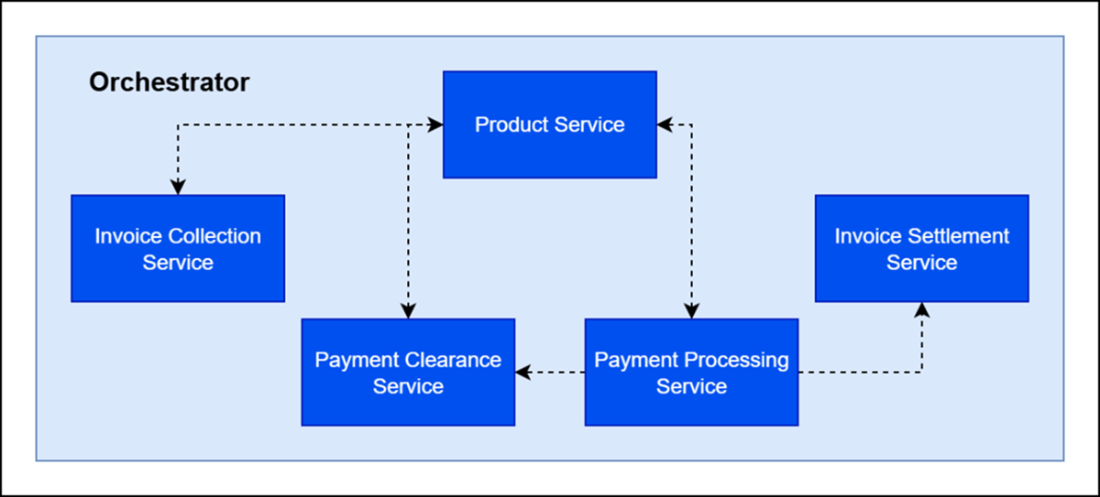
An orchestrator coordinates separate services over the network in a distributed application and ensures that they act as one functioning system.
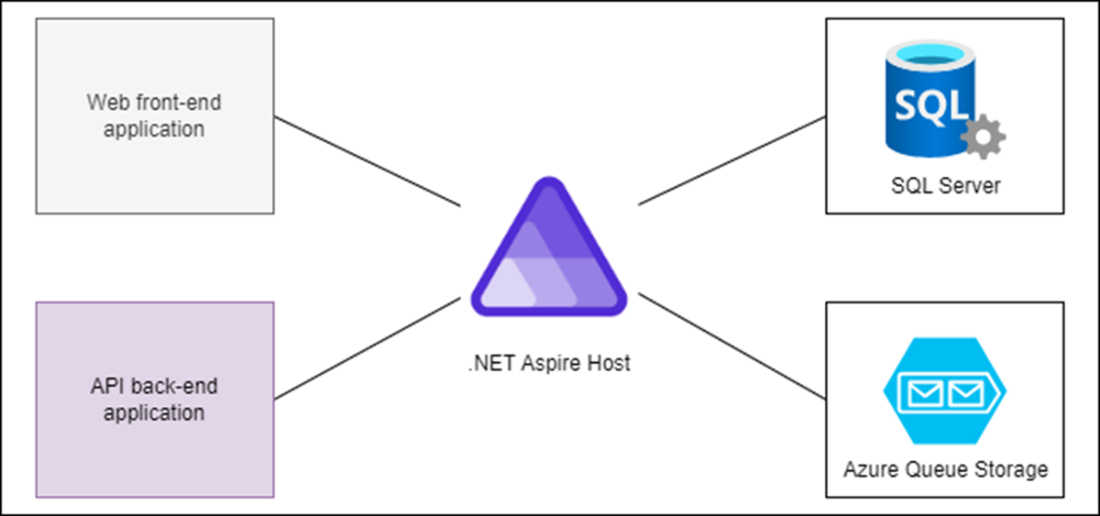
An Aspire host makes separate application services and infrastructure components run as though they're part of a single monolithic application.
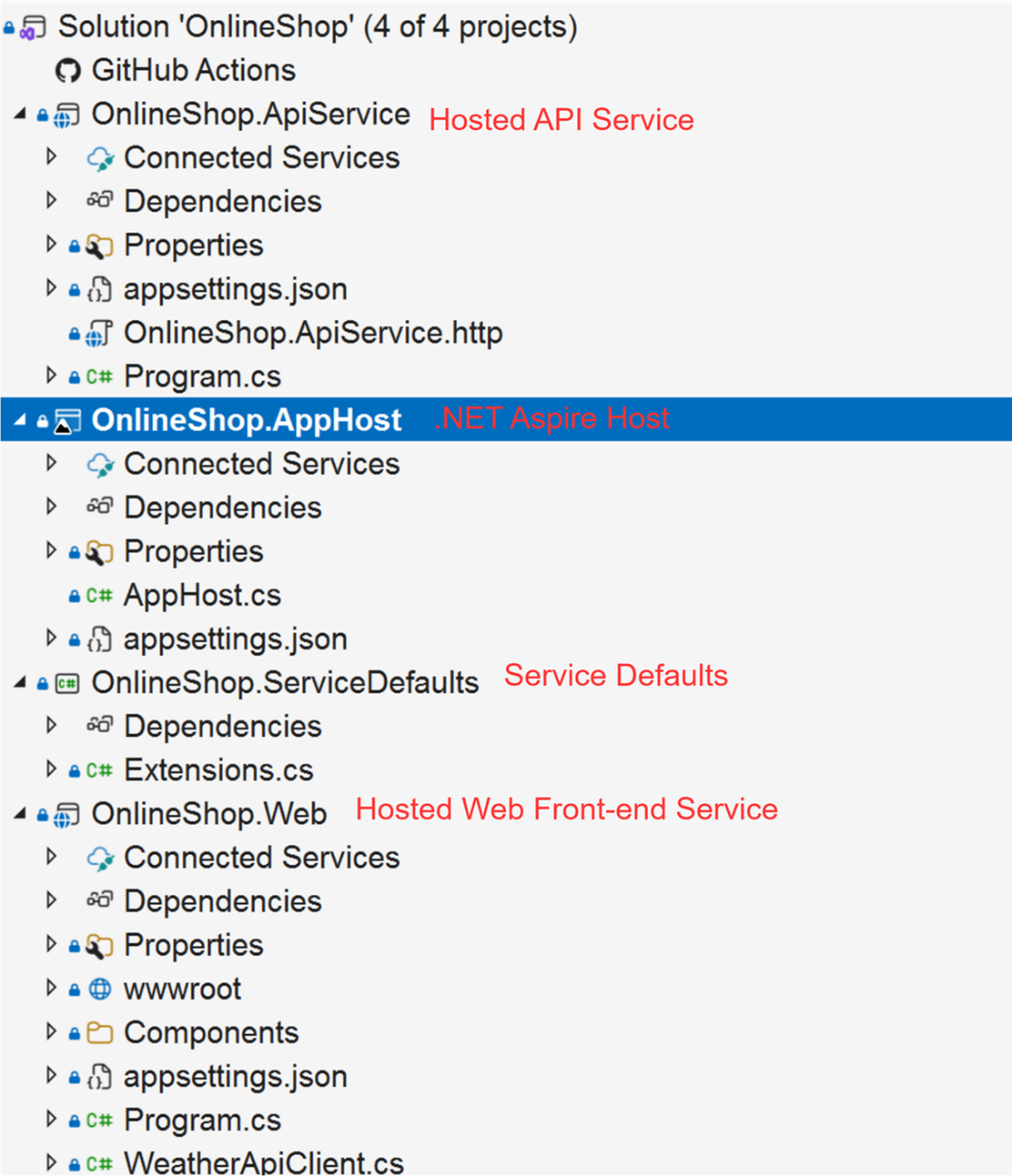
The structure of the Aspire solution
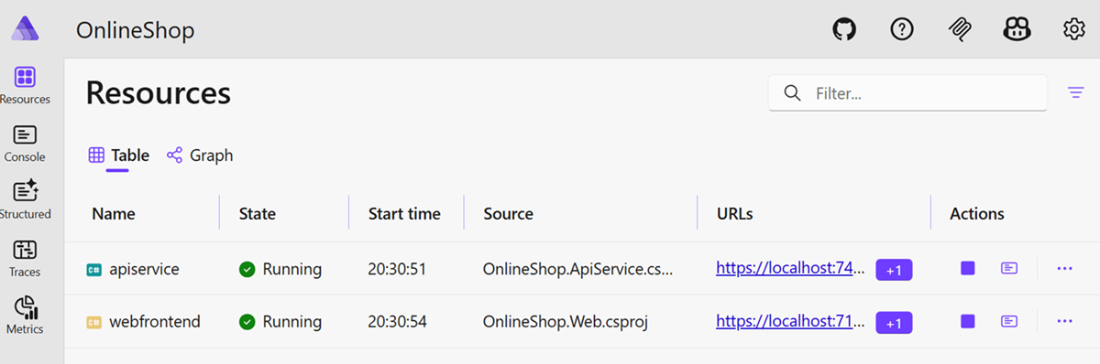
Aspire dashboard
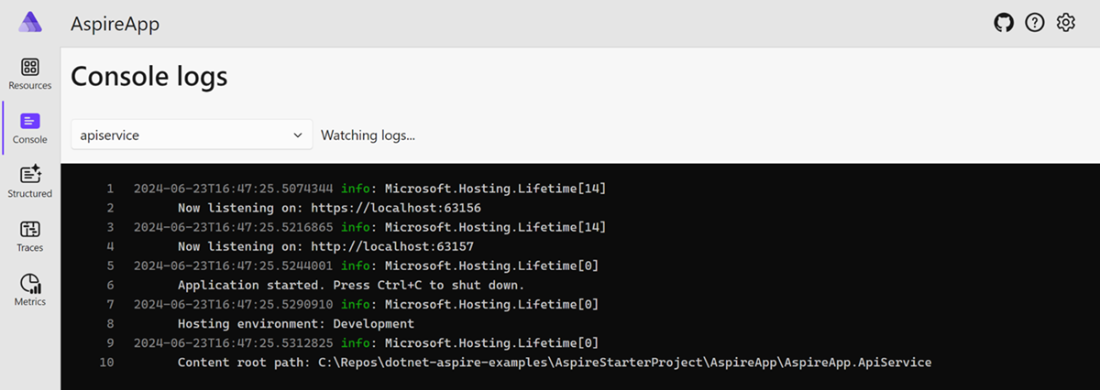
Aspire console log
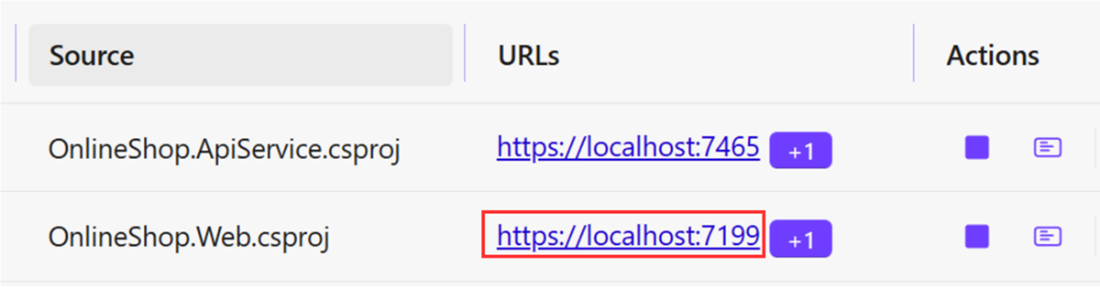
Aspire Resources webfrontend link
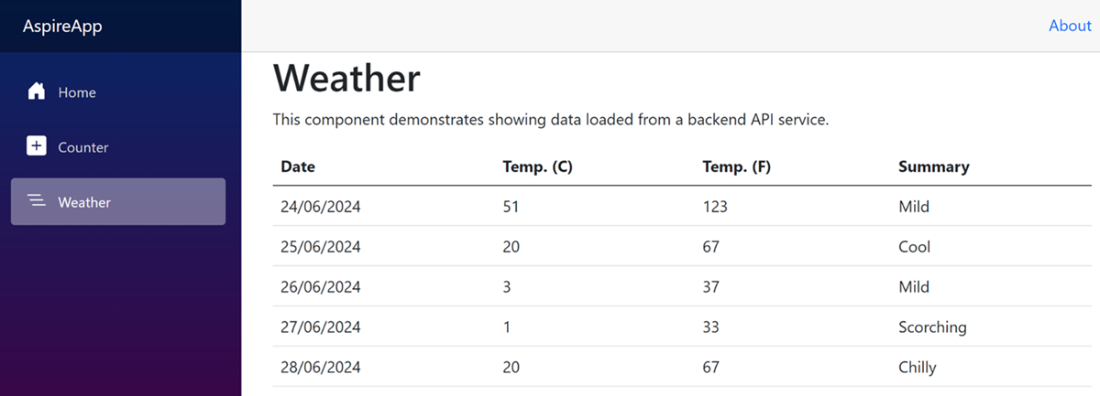
Blazor app hosted in Aspire
Summary
- Microsoft created Aspire to simplify the process of developing distributed applications.
- Distributed applications are systems that consist of multiple independent services that interact with one another.
- Orchestration is the process of coordinating services inside a distributed system.
- The main benefit of using Aspire is that it lets you run and debug a distributed application in a single process on a development machine, which substantially simplifies development.
- Aspire consists of the Aspire Host project, to which all other projects can connect.
- Different applications hosted by Aspire can pass references to one another when they're registered by the orchestrator.
- The service defaults project is used for shared dependencies that any Aspire-hosted apps can use.
- Service discovery lets you resolve addresses of Aspire-hosted apps by the names under which they were registered in the orchestrator.
- The Aspire orchestrator displays a dashboard that shows the status of all running services.

 How to Ship Distributed Systems with Confidence ebook for free
