1 What is machine learning? It is common sense, except done by a computer
Machine learning is presented as a practical, intuitive way for computers to make decisions much like humans do, by spotting patterns in data and using common sense—just scaled and automated. The chapter emphasizes that you don’t need deep math or extensive coding to get started; a visual mindset, curiosity, and a willingness to learn are enough. With modern computing power and abundant data, ML now touches almost every domain, from recommendations and image recognition to medical diagnosis and self-driving, making it an accessible tool for anyone eager to improve real-world processes.
The chapter clarifies key ideas and terminology: artificial intelligence is any decision-making by computers, while machine learning is the subset that bases those decisions on data; deep learning is a further subset centered on neural networks. It frames ML through the remember–formulate–predict process: draw on past data (experience), generalize a rule (a model), and use it to make future predictions. Models are the rules that represent data; algorithms are the procedures that build those models. Through a sequence of spam-vs-ham email examples, it shows how simple heuristics evolve into richer models as we add features (like day of week, message size, wording, sender, or errors) and how computers can efficiently test many rule combinations to find those that fit existing data while aiming to generalize to new cases.
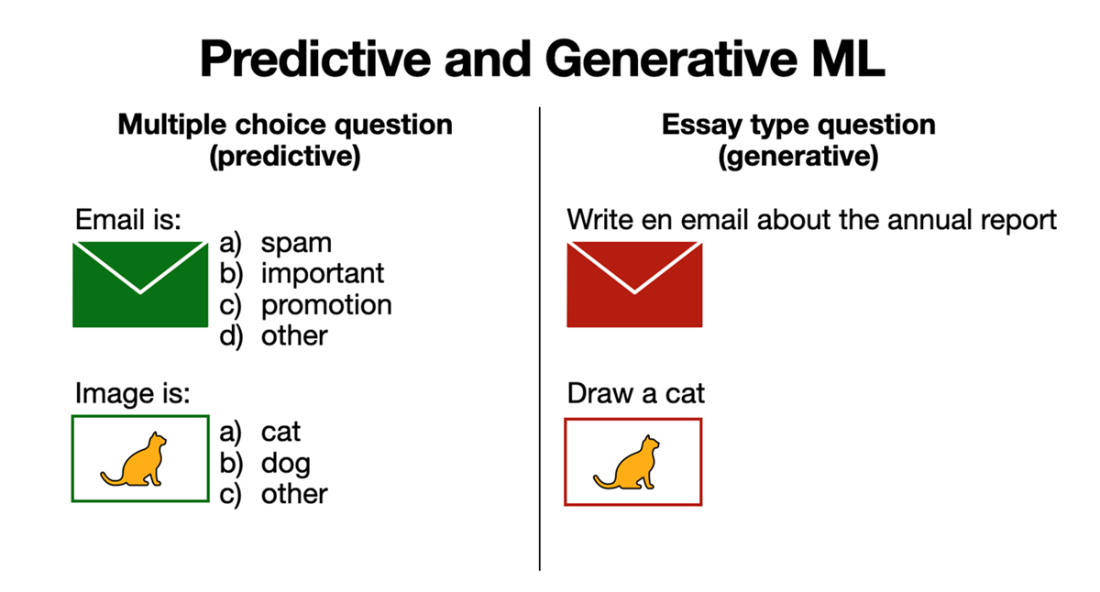
Pedagogically, the book treats formulas and code as languages best learned through concrete examples and clear visuals, building models from scratch early on and later leveraging libraries such as Scikit-Learn, Turi Create, or Keras as complexity grows. It distinguishes predictive ML—answering classification or regression questions—from generative ML, which creates new content like text or images and is inherently more challenging. While the focus is on predictive methods (with a dedicated chapter on generative techniques), the core goal is to develop strong intuition for data, features, models, and evaluation so you can choose approaches that generalize well and apply them confidently to problems you care about.
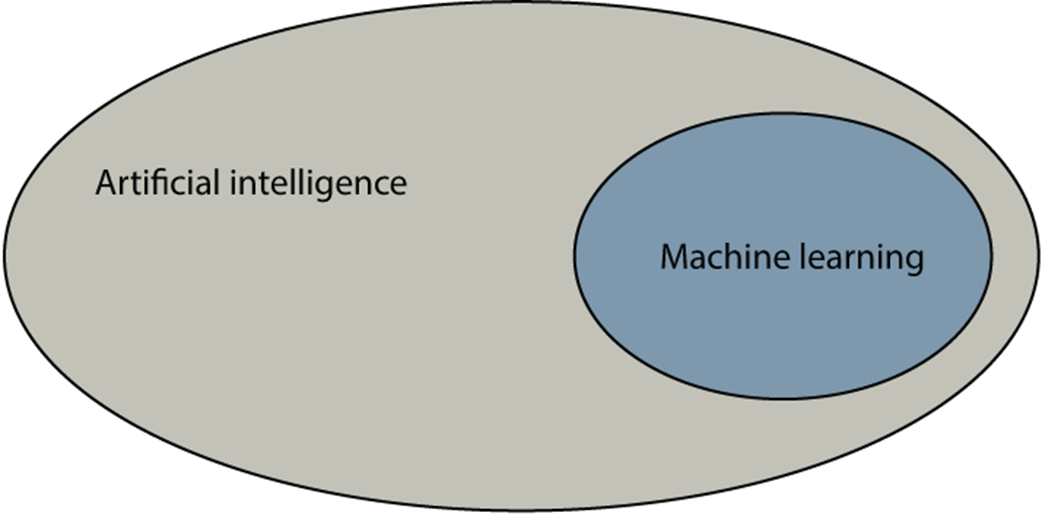
Machine learning is a part of artificial intelligence.
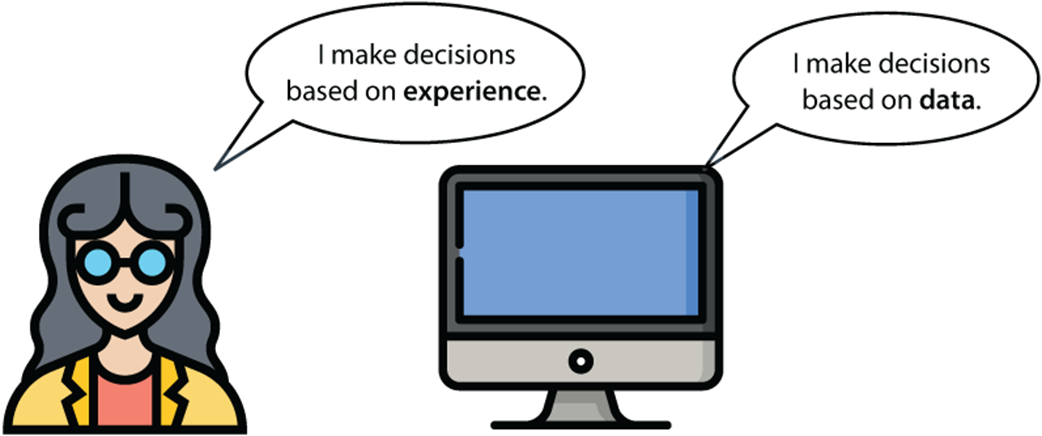
Machine learning encompasses all the tasks in which computers make decisions based on data. In the same way that humans make decisions based on previous experiences, computers can make decisions based on previous data.
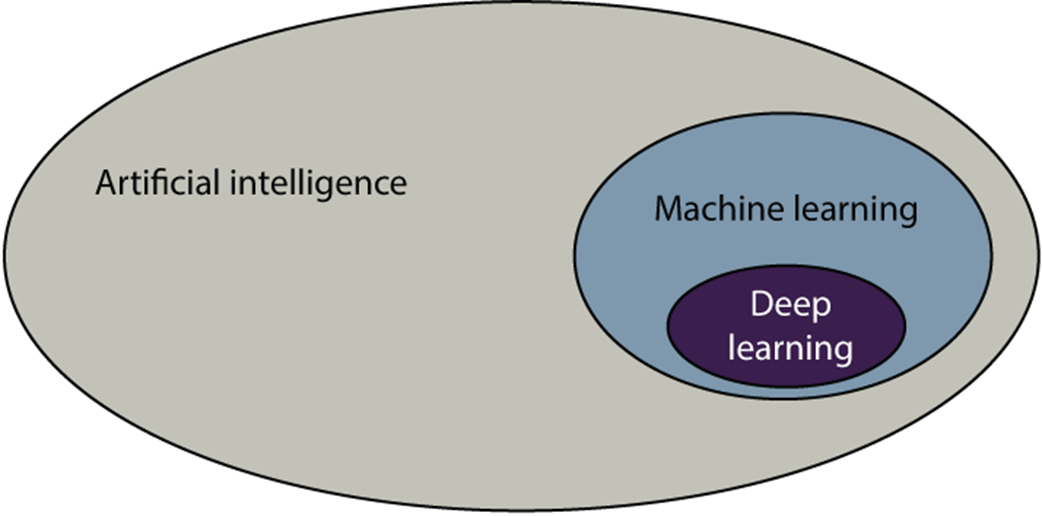
Deep learning is a part of machine learning.
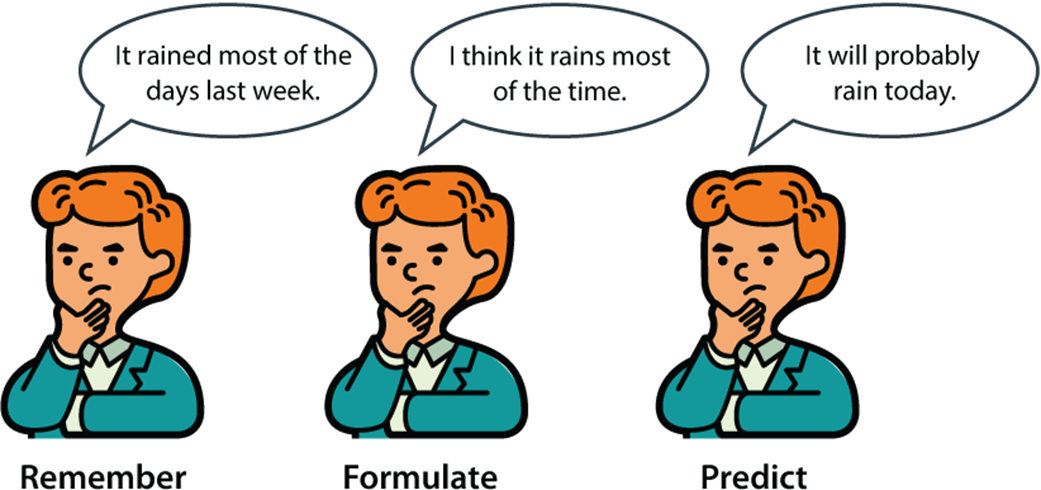
The remember-formulate-predict framework is the main framework we use in this book. It consists of three steps: (1) We remember previous data; (2) we formulate a general rule; and (3) we use that rule to make predictions about the future.
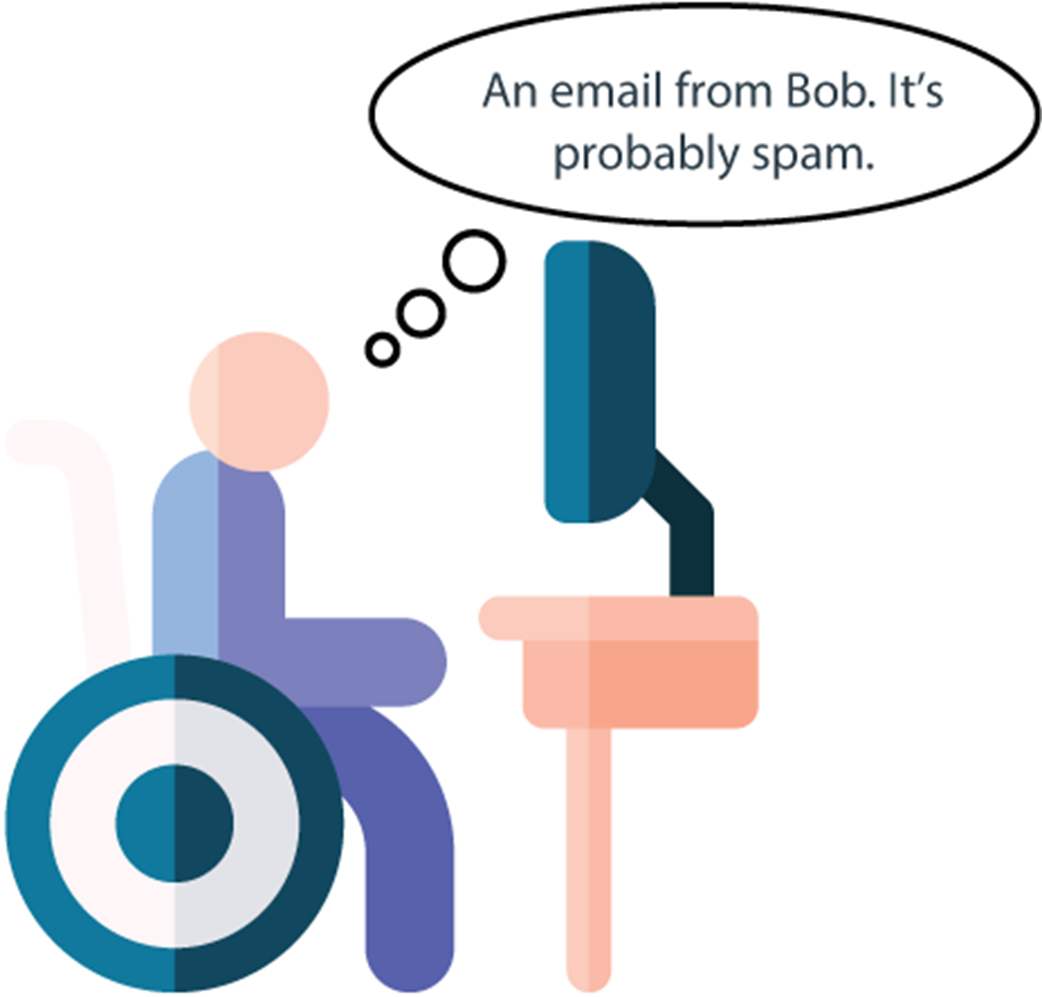
A very simple machine learning model
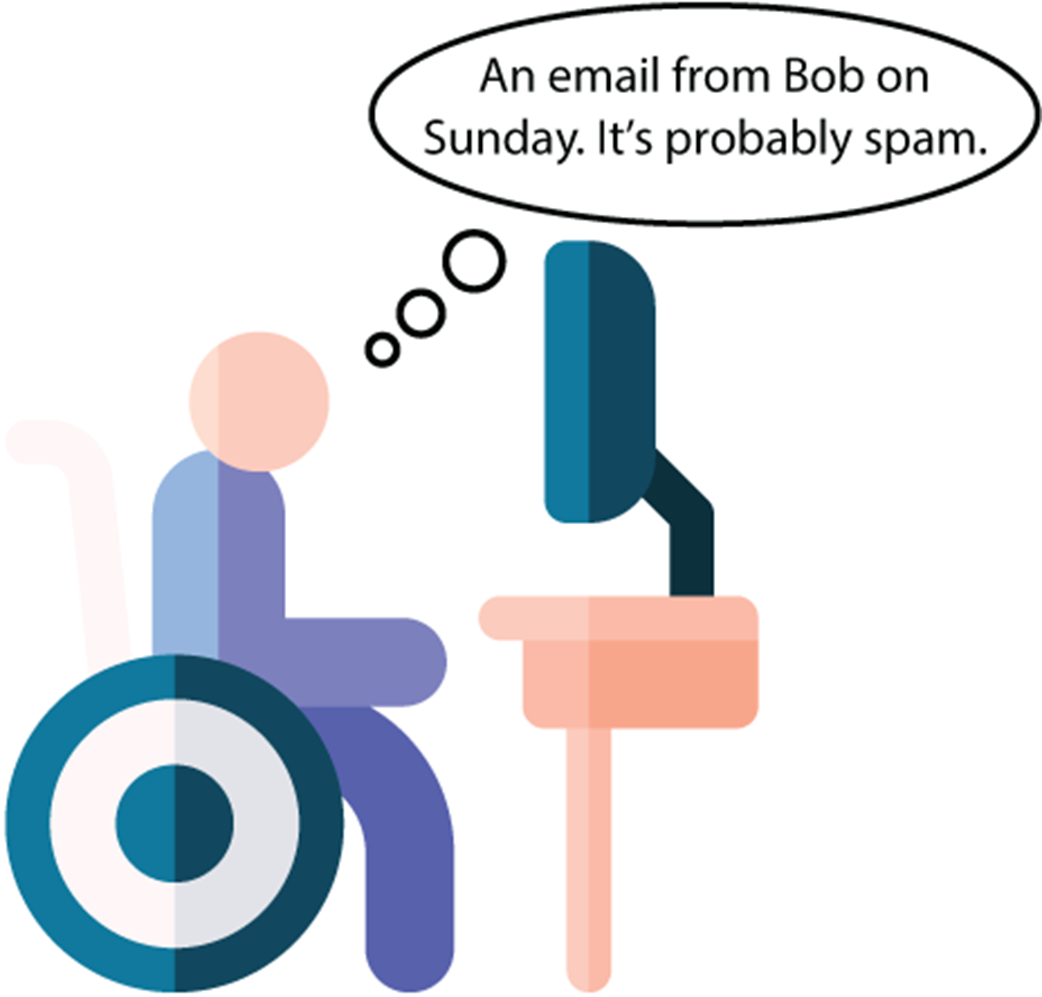
A slightly more complex machine learning model
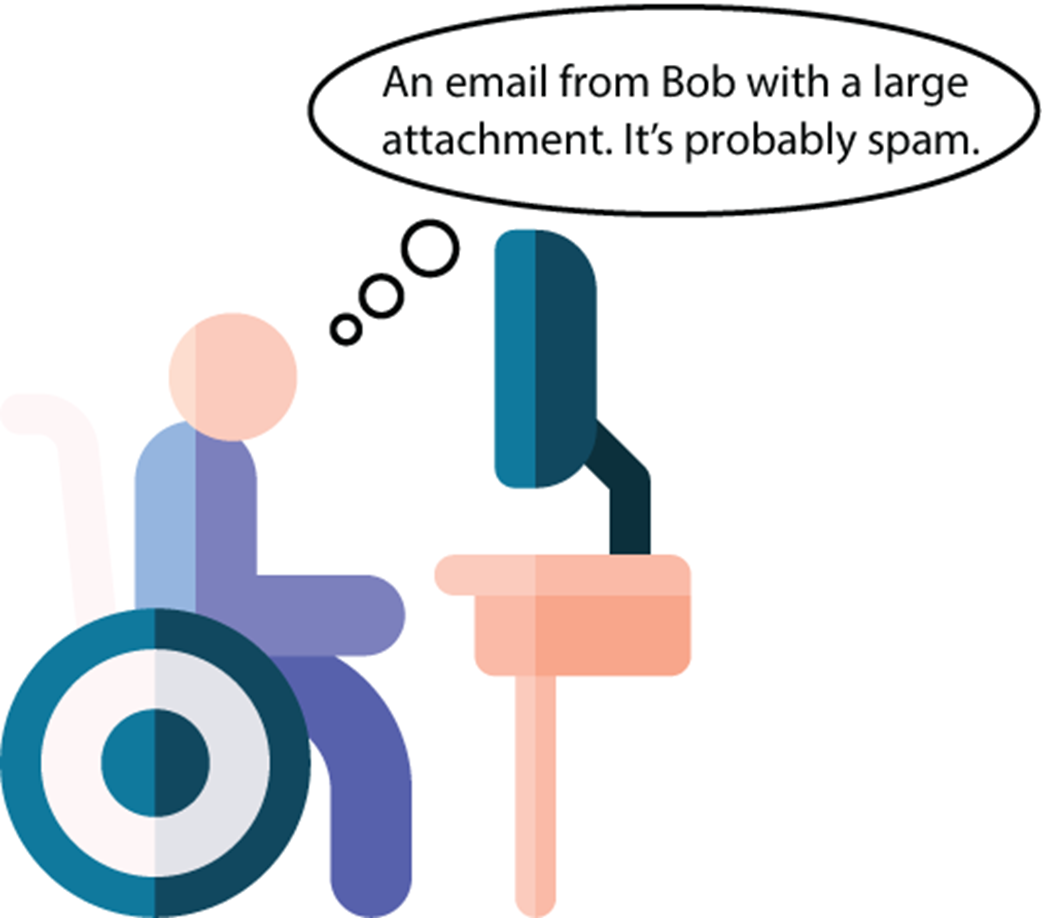
Another slightly more complex machine learning model
An even more complex machine learning model
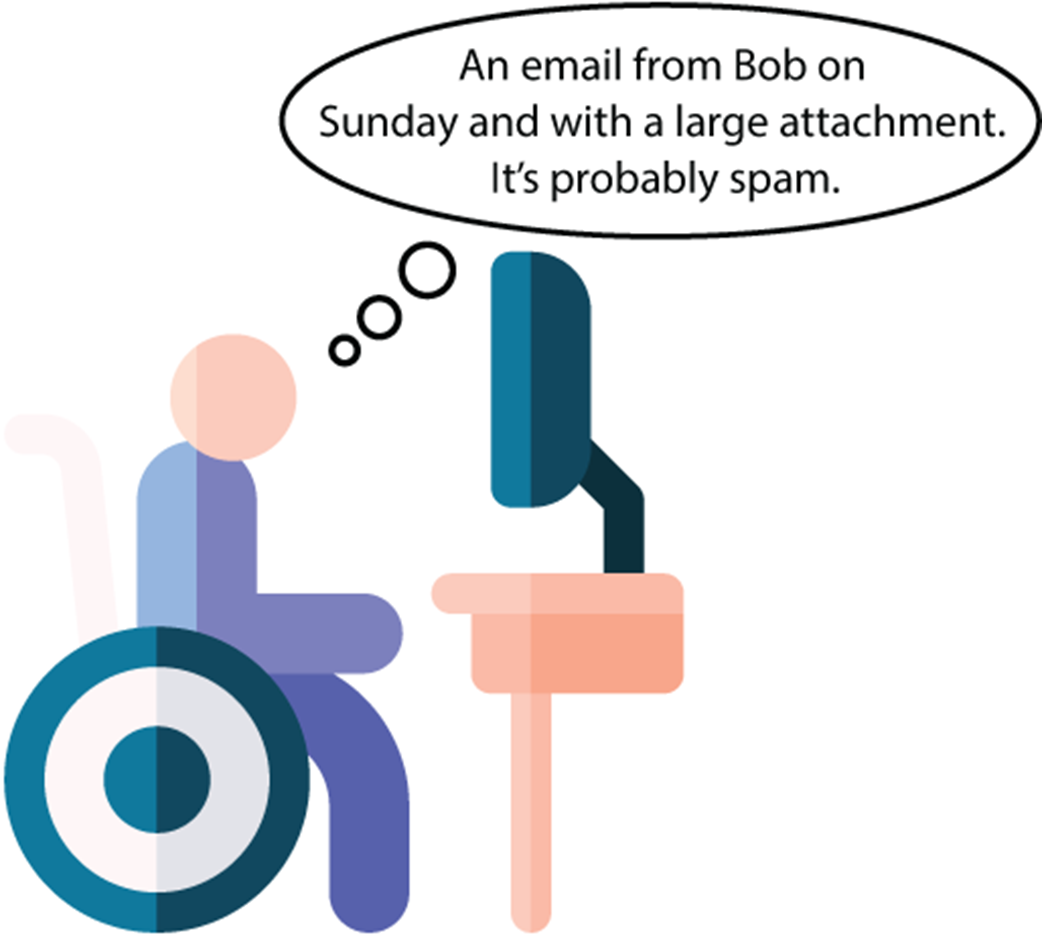
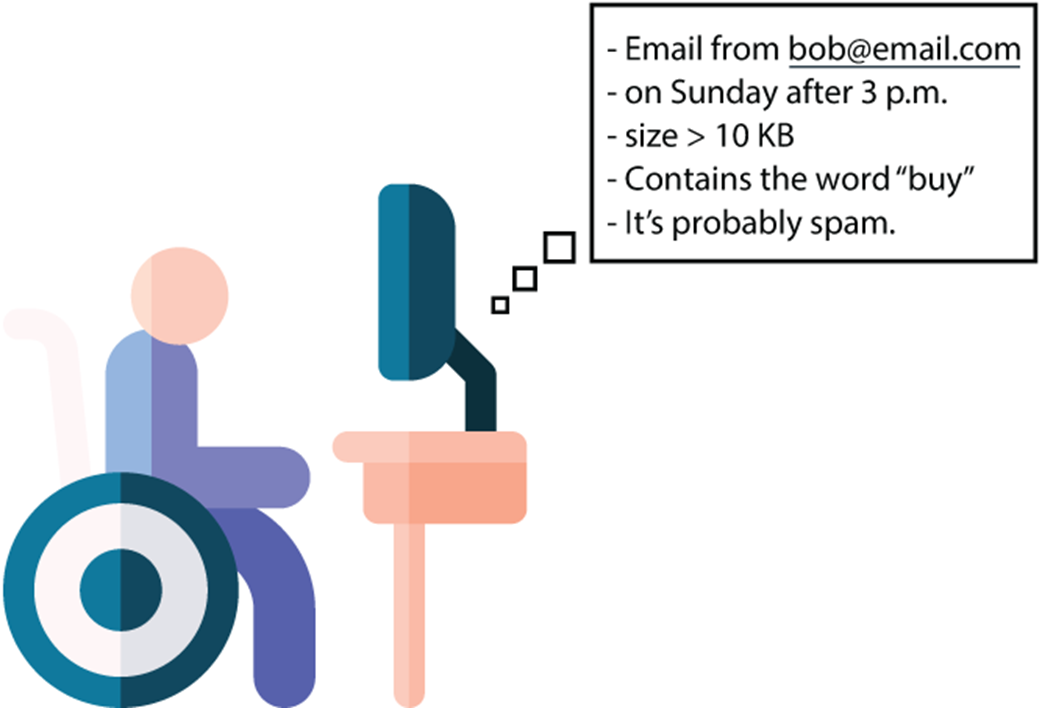
A much more complex machine learning model, found by a computer
Predictive machine learning is akin to answering questions, such as multiple choice. Generative learning is akin to writing an essay or drawing an image.
Summary
- Machine learning is easy! Anyone can learn it and use it, regardless of their background. All that is needed is a desire to learn and great ideas to implement!
- Machine learning is tremendously useful, and it is used in most disciplines. From science to technology to social problems and medicine, machine learning is making an impact and will continue doing so.
- Machine learning is common sense, done by a computer. It mimics the ways humans think to make decisions quickly and accurately.
- Just as humans make decisions based on experience, computers can make decisions based on previous data. This is what machine learning is all about.
- Machine learning uses the remember-formulate-predict framework:
- - Remember: look at the previous data.
- - Formulate: build a model, or a rule, based on this data.
- - Predict: use the model to make predictions about future data.

 Grokking Machine Learning, Second Edition ebook for free
