2 Privacy-centric marketing
This chapter explains how to reconcile personalization with rising privacy expectations by making trust and consent the centerpiece of marketing. As third-party identifiers recede and regulations such as GDPR and CCPA mature, consumers demand transparency and control over their data. Far from constraining results, a privacy-first approach anchored in responsible first-party data becomes a growth catalyst: it improves data quality, reduces risk, strengthens loyalty, and sustains competitive advantage. Treating data as a long-term asset—and embedding privacy from collection through activation—enables more relevant experiences and resilient performance.
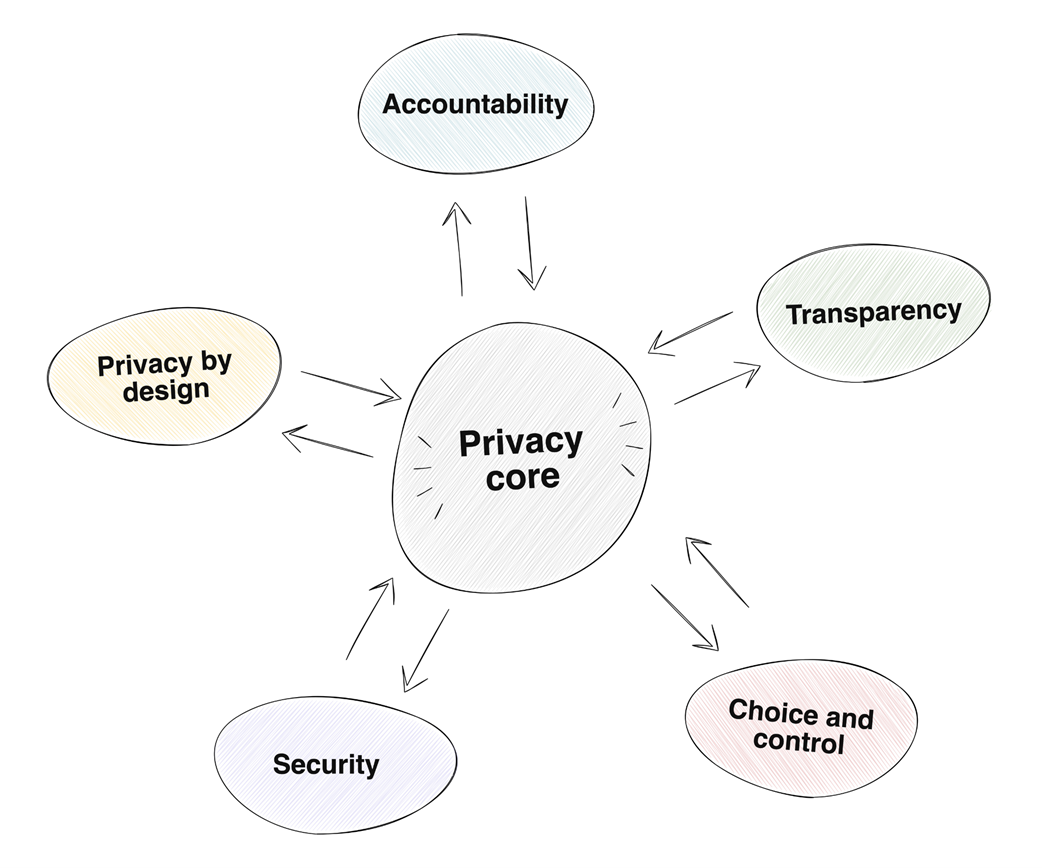
The chapter grounds execution in five principles—accountability, transparency, choice and control, security, and privacy by design—and shows how to put them into practice with clear governance, plain-language disclosures, granular consent and preference centers, and rigorous data minimization. It emphasizes continuous measurement beyond opt-in rates to assess real user trust and engagement. Privacy-enhancing technologies (anonymization, pseudonymization, differential privacy, homomorphic encryption, federated learning) help teams extract insight without exposing individuals. Success requires cross-functional collaboration, with “privacy champions” across marketing, legal, security, and IT to align ethics, compliance, and business goals.
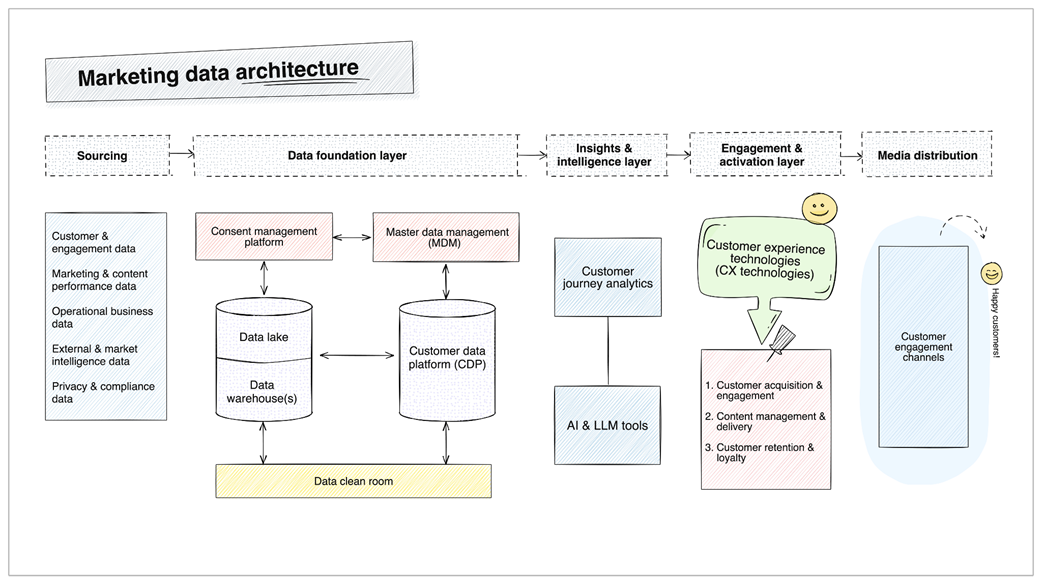
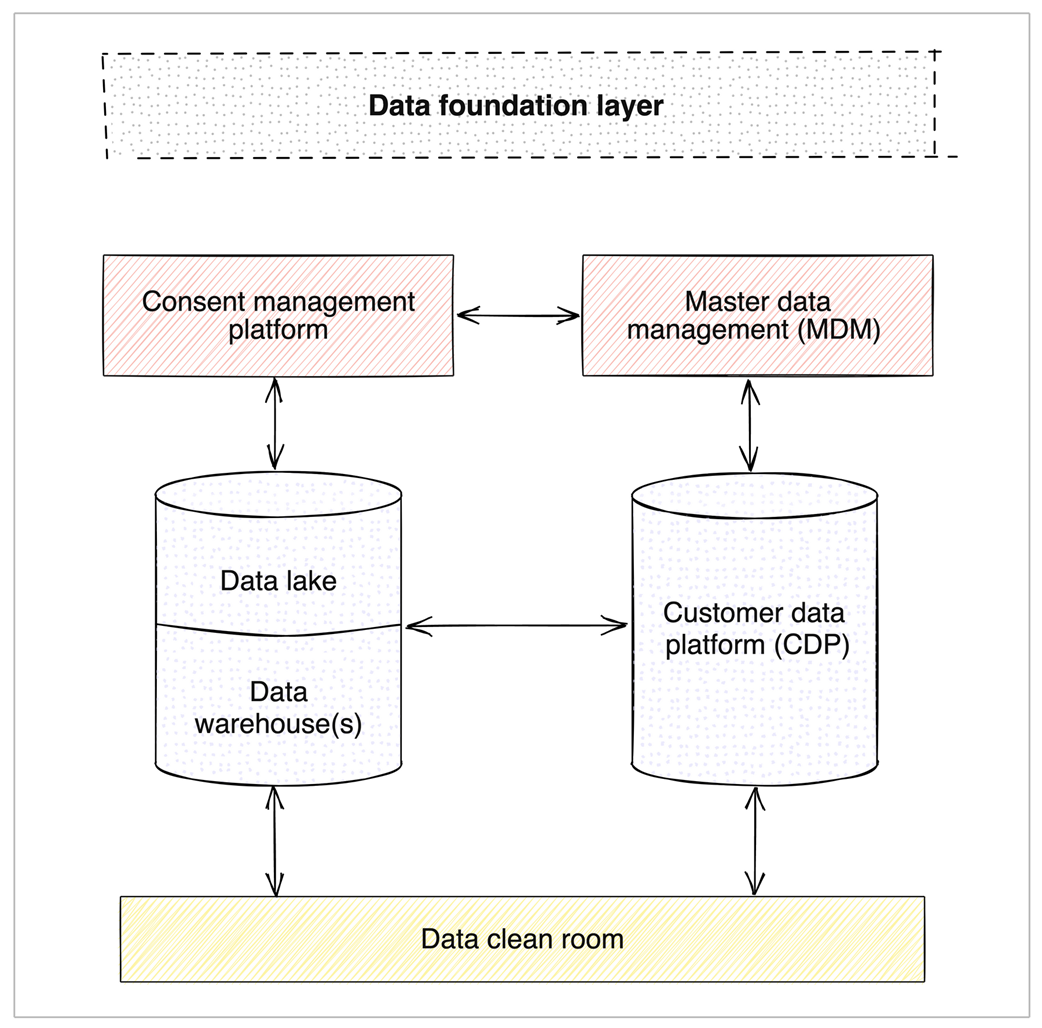
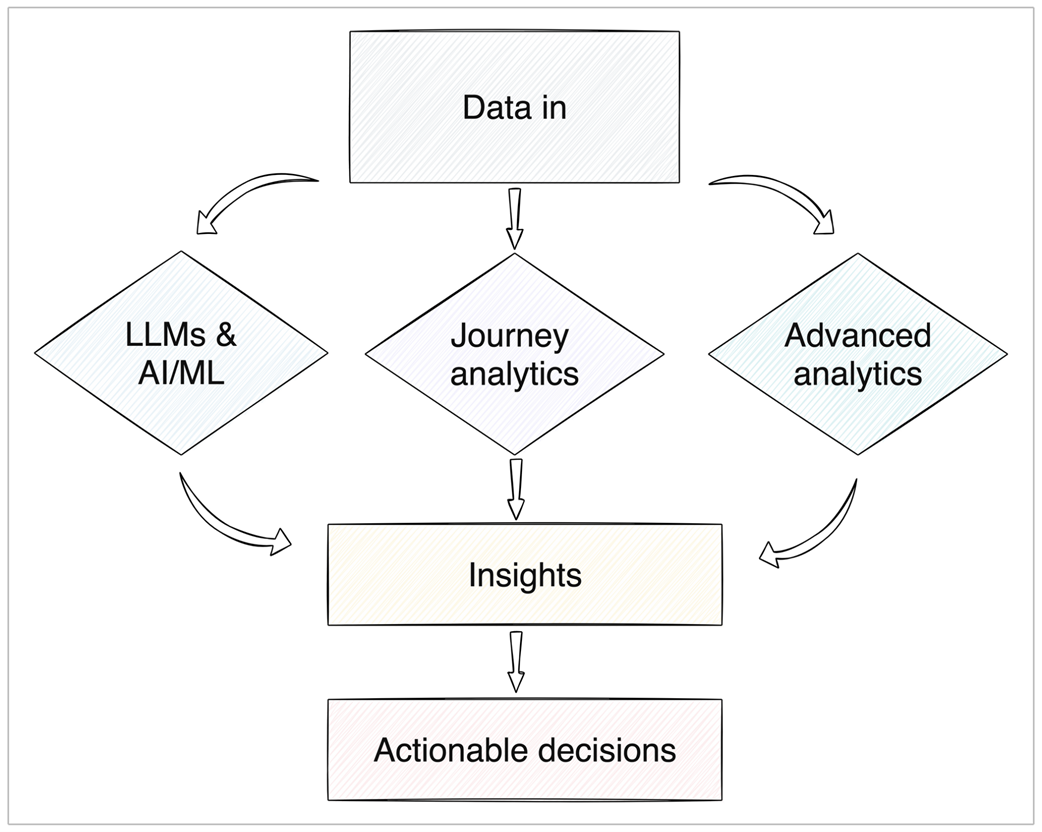
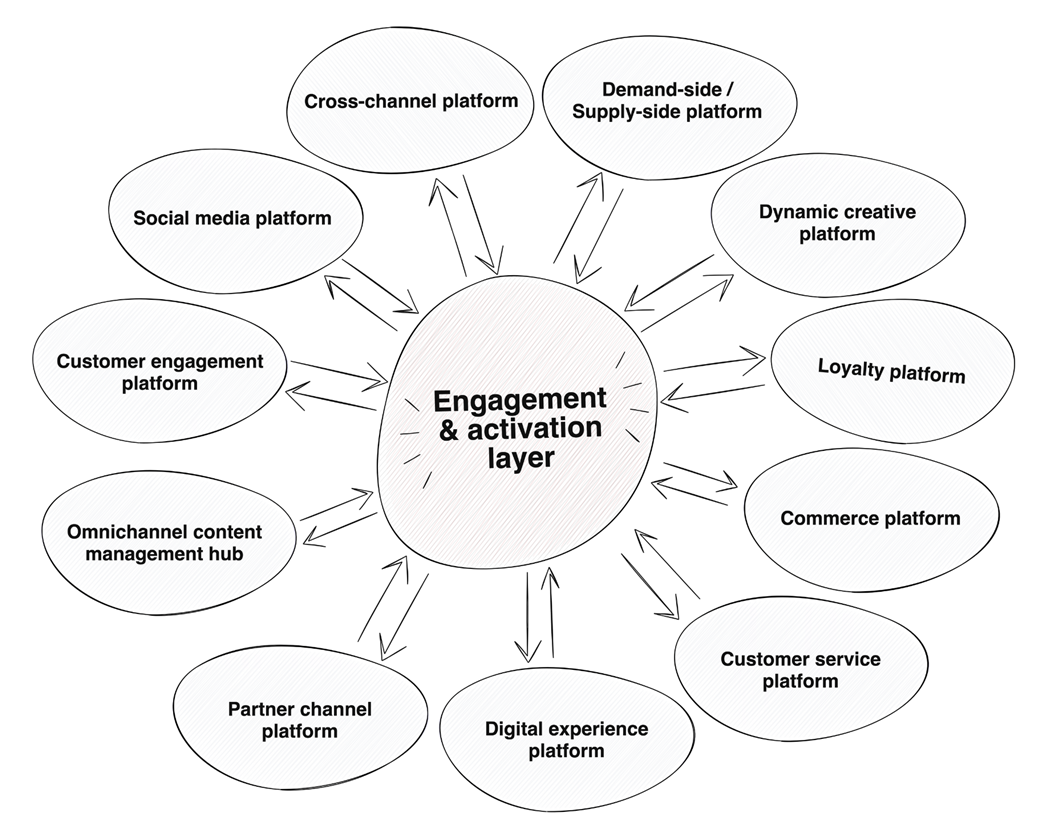
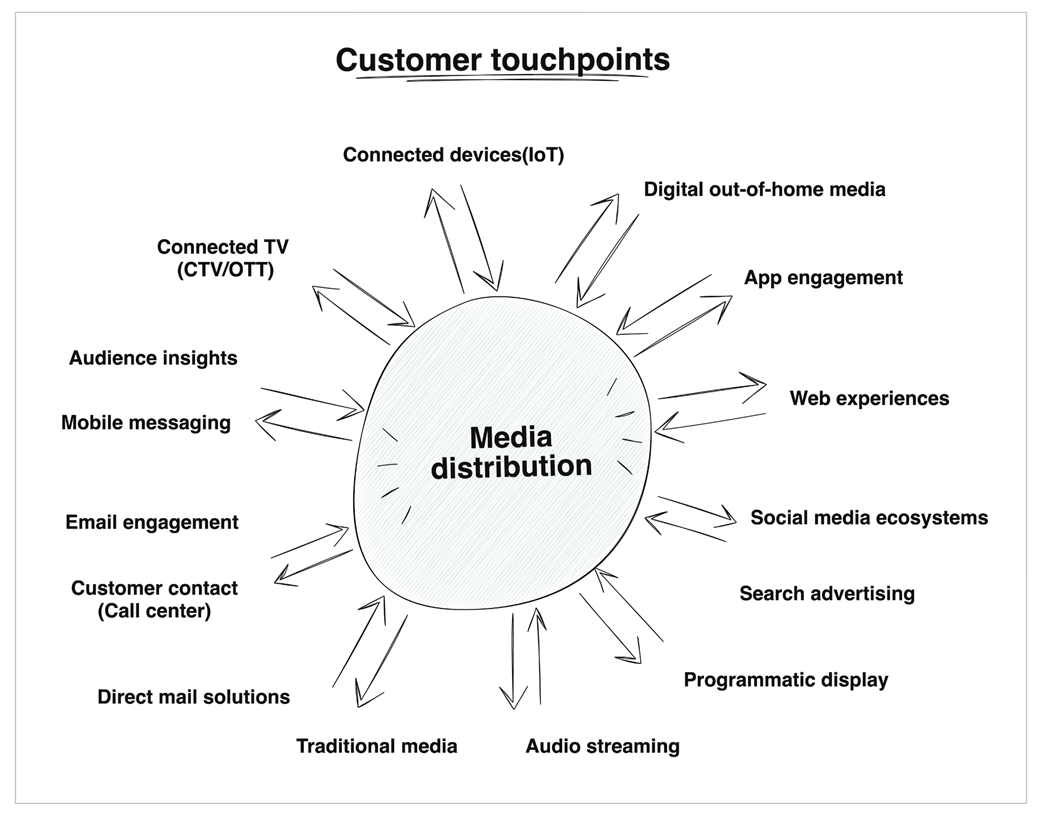
Operationally, the chapter maps privacy across the marketing data journey: in sourcing, collect only what’s necessary, de-identify early, and vet partners; in the data foundation, use a consent management platform to enforce user choices across master data, customer profiles, and shared analysis environments; in insights and intelligence, combine analytics and AI with explainability, PETs, and strict governance; in engagement and activation, deliver transparent, opt-out-friendly personalization and privacy-preserving testing; and in media distribution, adapt practices to each channel and use privacy-safe attribution. It closes with evolving tools and frameworks—data clean rooms, privacy-preserving AI, decentralized identity, and zero-knowledge proofs—and urges disciplined vendor evaluation, impact assessments, and ongoing training. Organizations that make privacy a system-wide operating principle earn trust, stay compliant, and convert responsibility into durable growth.
Core elements of user privacy
Marketing data architecture
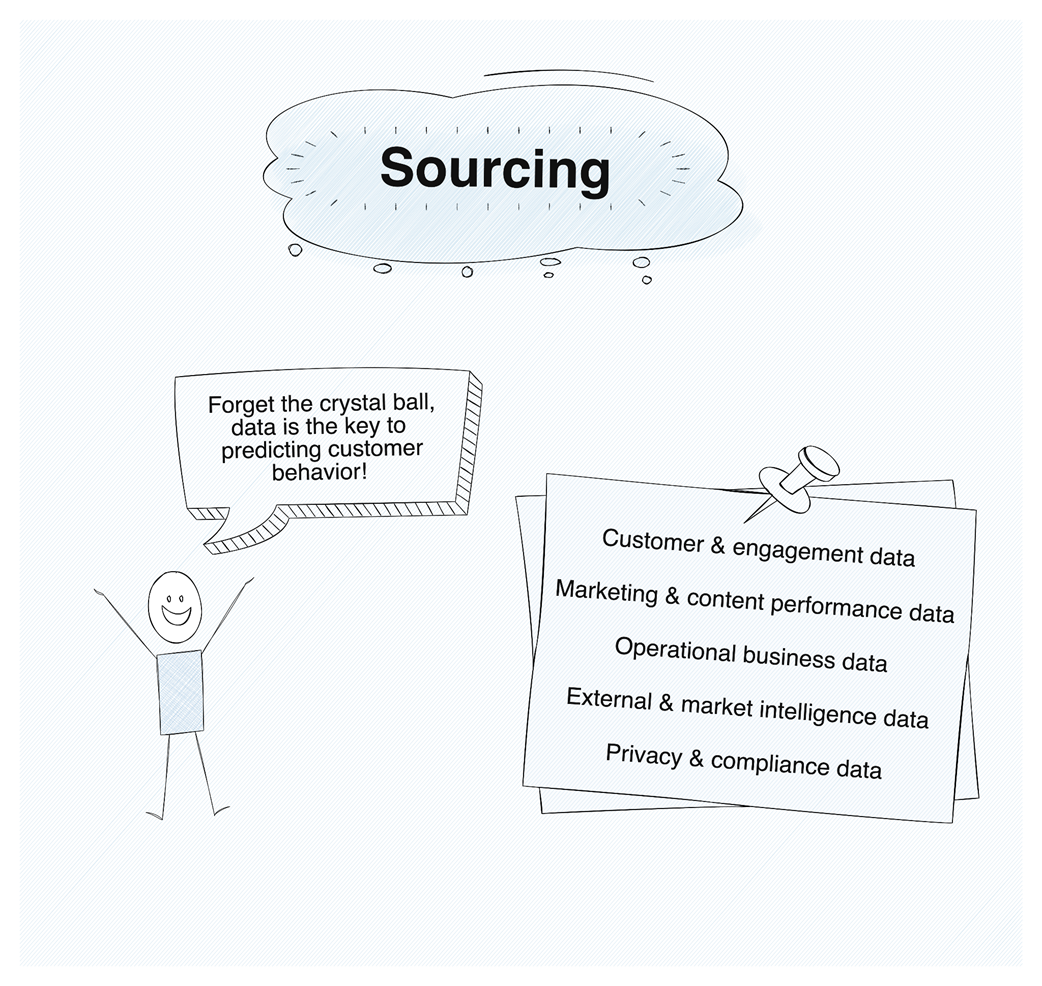
Sourcing layer: core data categories
Data foundation layer overview
User data journey with CMP integration
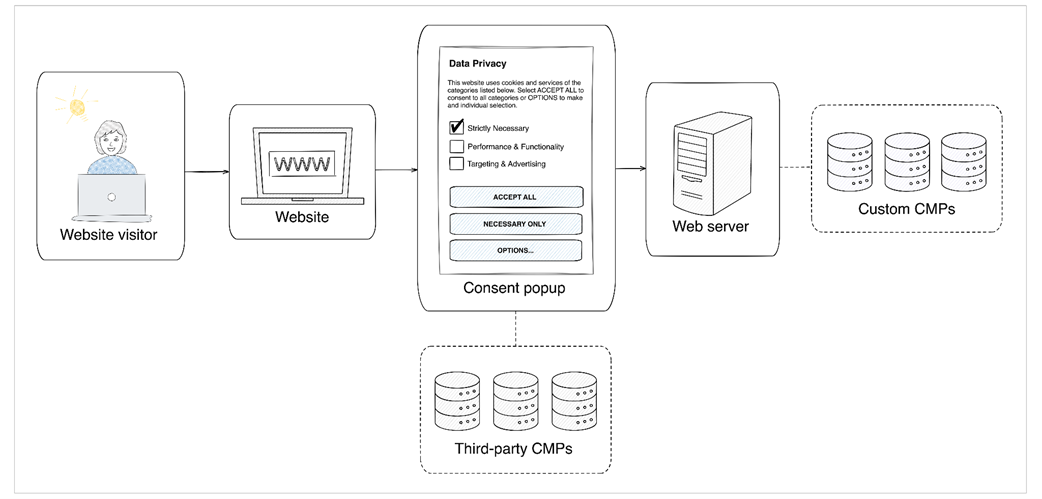
Insights and intelligence layer overview
Engagement and activation layer overview
Media distribution layer: key customer touchpoints
Summary
- Privacy-centric marketing balances personalization and privacy, recognizing privacy as a fundamental right and business driver.
- The current landscape is shaped by eroding consumer trust, rising privacy concerns, and evolving regulations like GDPR and CCPA.
- Key principles of privacy-centric marketing include transparency, user control, data minimization, purpose limitation, security, and privacy by design.
- Ethical first-party data practices require transparency, user control, minimized collection, and robust security.
- Integrate privacy across the marketing data architecture layers: the sourcing layer, the data foundation layer, the insights and intelligence layer, the engagement and activation layer, and the media distribution layer.
- Marketers must use evolving technologies like data clean rooms, privacy-enhancing technologies, and privacy-preserving AI to balance personalization with privacy.
- Continuous innovation and adaptation to emerging technologies and frameworks are essential for navigating the changing privacy landscape.

 First-Party Data Activation ebook for free
