2 Building a legacy modernization framework powered by Vibe Engineering
Legacy modernization is presented as a disciplined AI-assisted workflow for taking an unfamiliar codebase, extracting its essential behavior, and moving it to a modern stack without getting lost in the details. The approach starts by using LLMs to understand the system at a high level: what business value it provides, how its layers fit together, what deployment models it supports, and which behaviors must be preserved. The chapter uses a small JBoss-based member management application as the running example, but the method is framed as reusable for larger migrations.
The core of the framework is incremental migration with careful checkpoints. Instead of trying to rewrite everything at once, the process recommends copying the legacy project into a clean new repository, initializing a fresh git history, and working through logical migration steps with clear commits after each one. The chapter emphasizes using tests as a safety net, generating missing unit and integration tests early, removing tests tightly coupled to the old platform, and choosing change sizes that are large enough to benefit from AI but small enough for humans to review confidently. It also highlights trade-offs such as the risk of carrying too much context, over-asking the model to infer requirements, or using AI for tasks that static refactoring tools can handle more reliably.
As the migration progresses, the legacy stack is replaced piece by piece: JBoss and Jakarta EE components give way to Spring Boot equivalents, the UI and controller layer are rebuilt while keeping backward-compatible behavior, the persistence layer is moved from relational storage to MongoDB, and documentation is generated to make the new system easier to run and maintain. The chapter also shows when AI excels, such as adapting database code and integration tests, and when it should be constrained, such as avoiding unnecessary UI redesign or package renaming that is better handled by traditional IDE tooling. The end result is a modernized application, improved test coverage, and a repeatable modernization pattern that balances automation with human review.
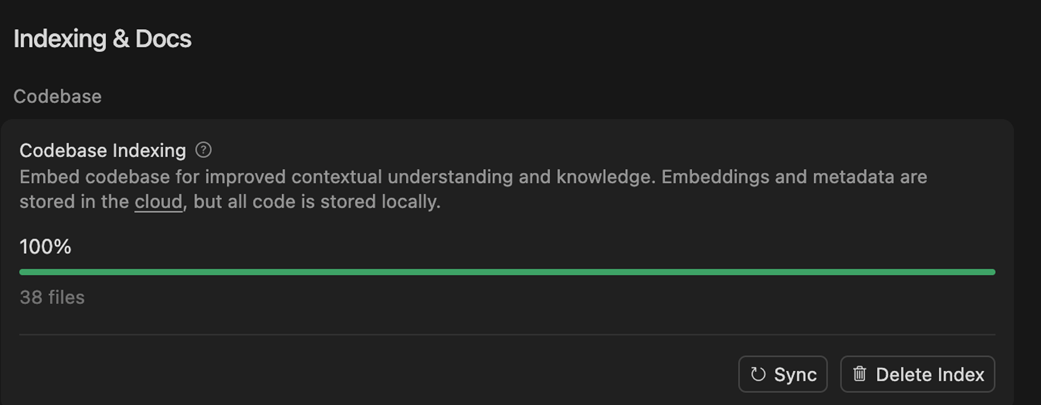
The state of Cursor indexing the files.
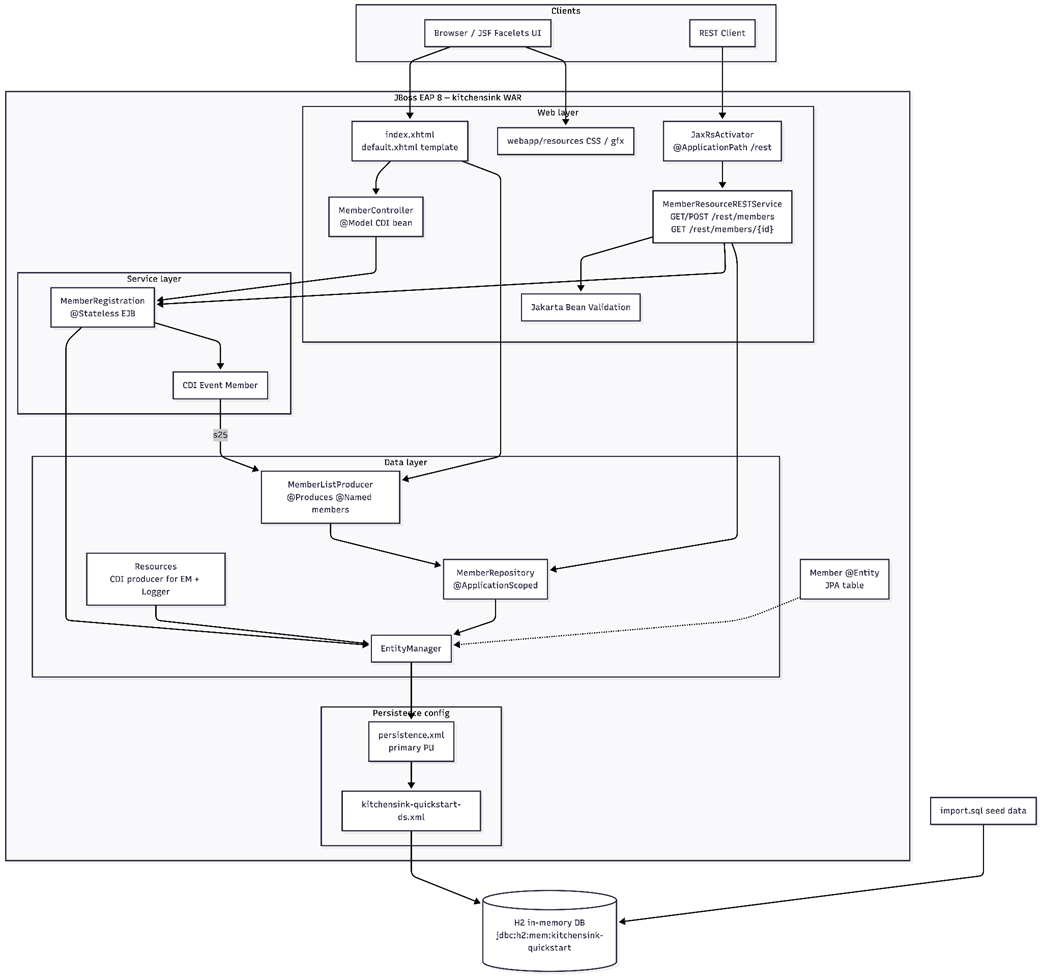
The mermaid chart visual representation of the architecture.
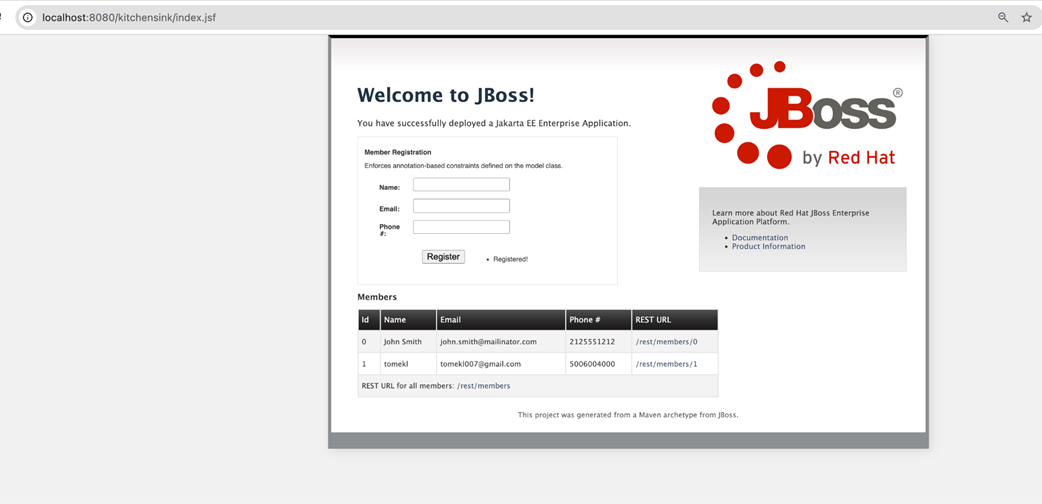
The UI of a legacy application
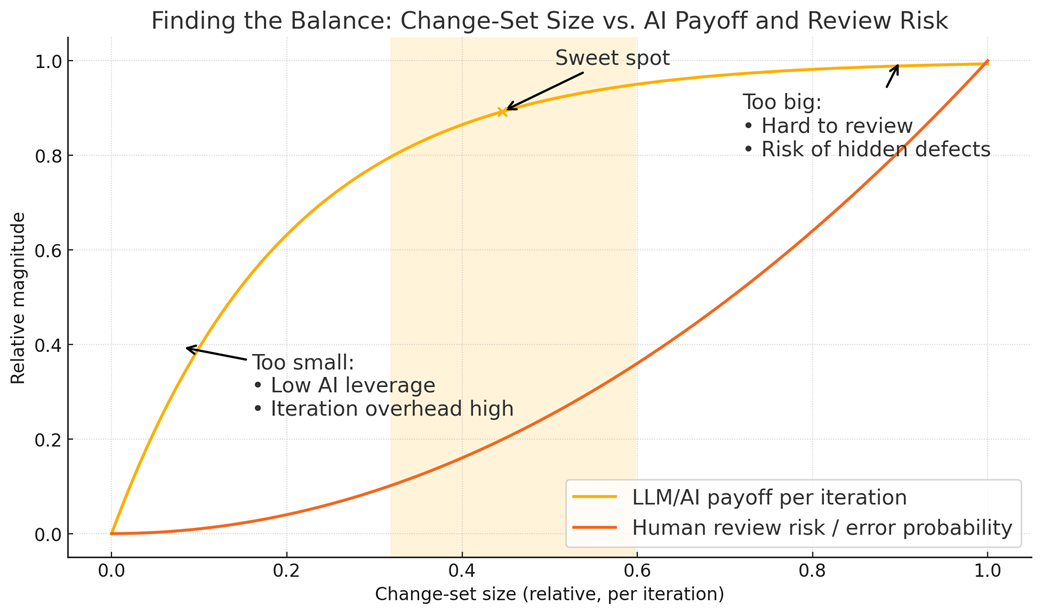
Change-set size vs the AI Payoff during the application migration. The higher the magnitude of change, the higher the review risk.
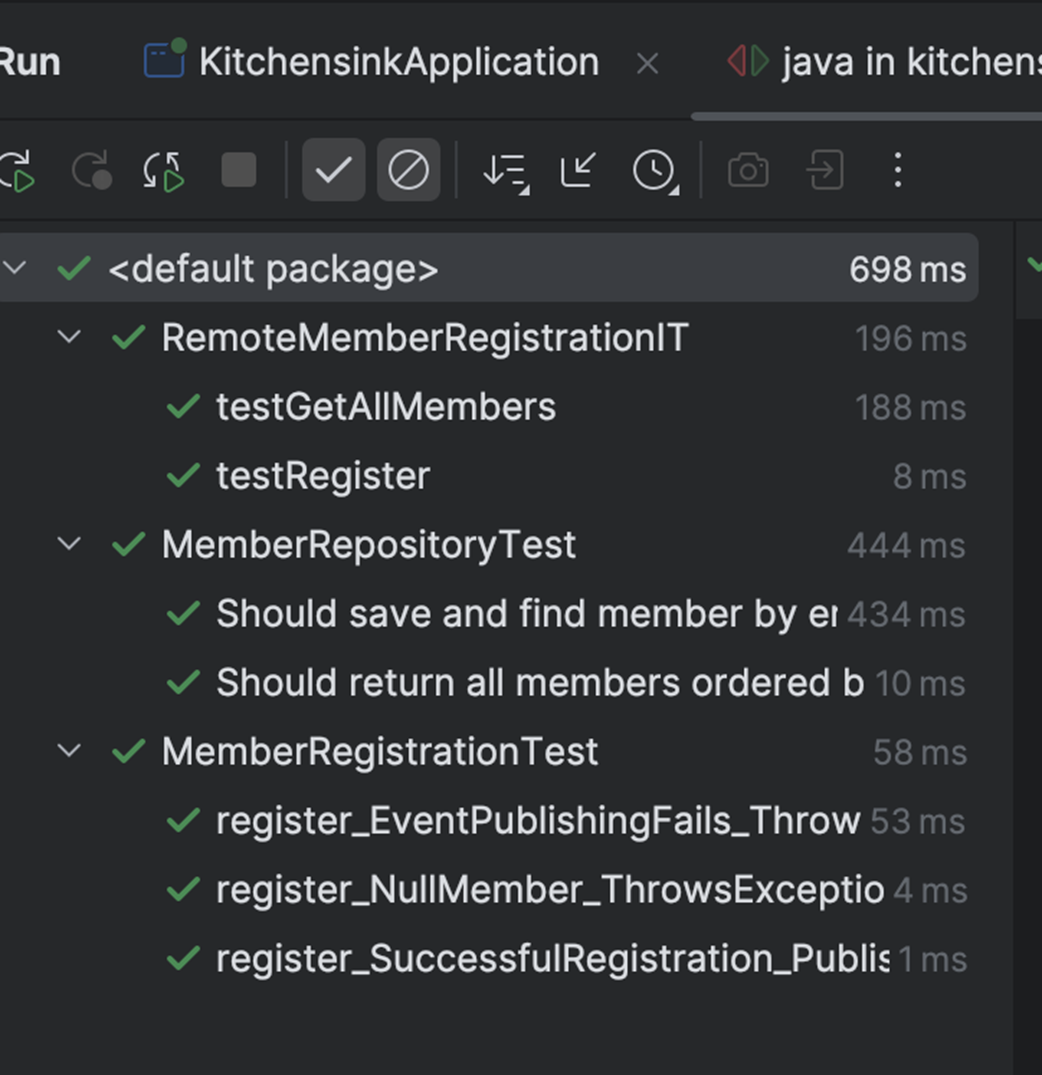
All tests are passing after applying a minimal set of changes.
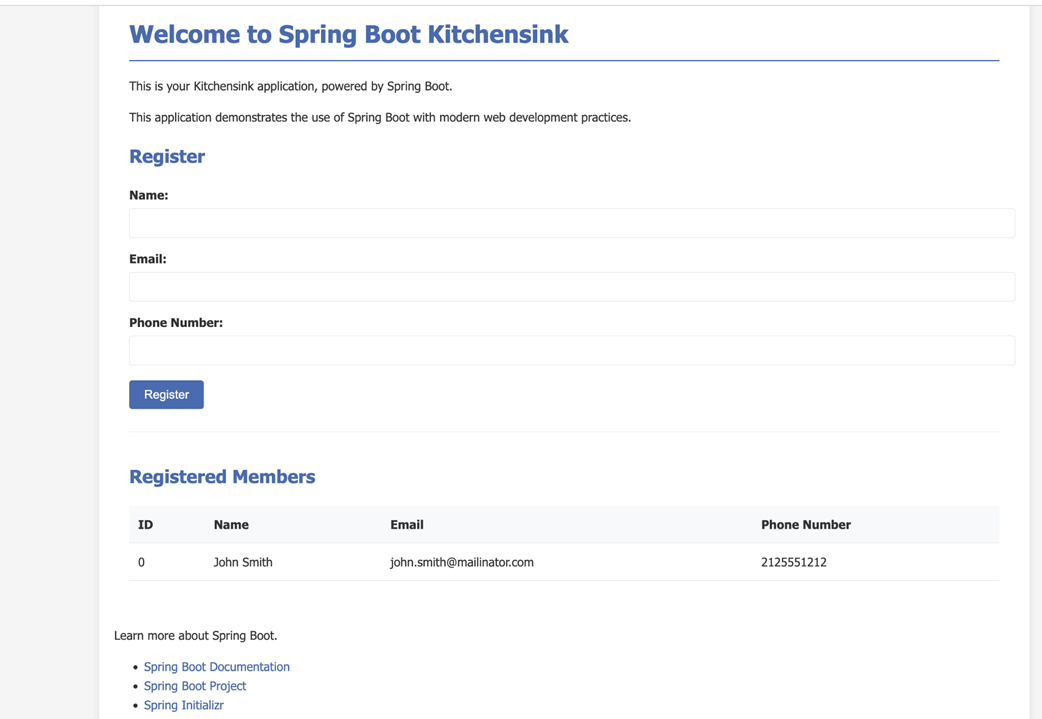
UI after migration to Spring Boot.
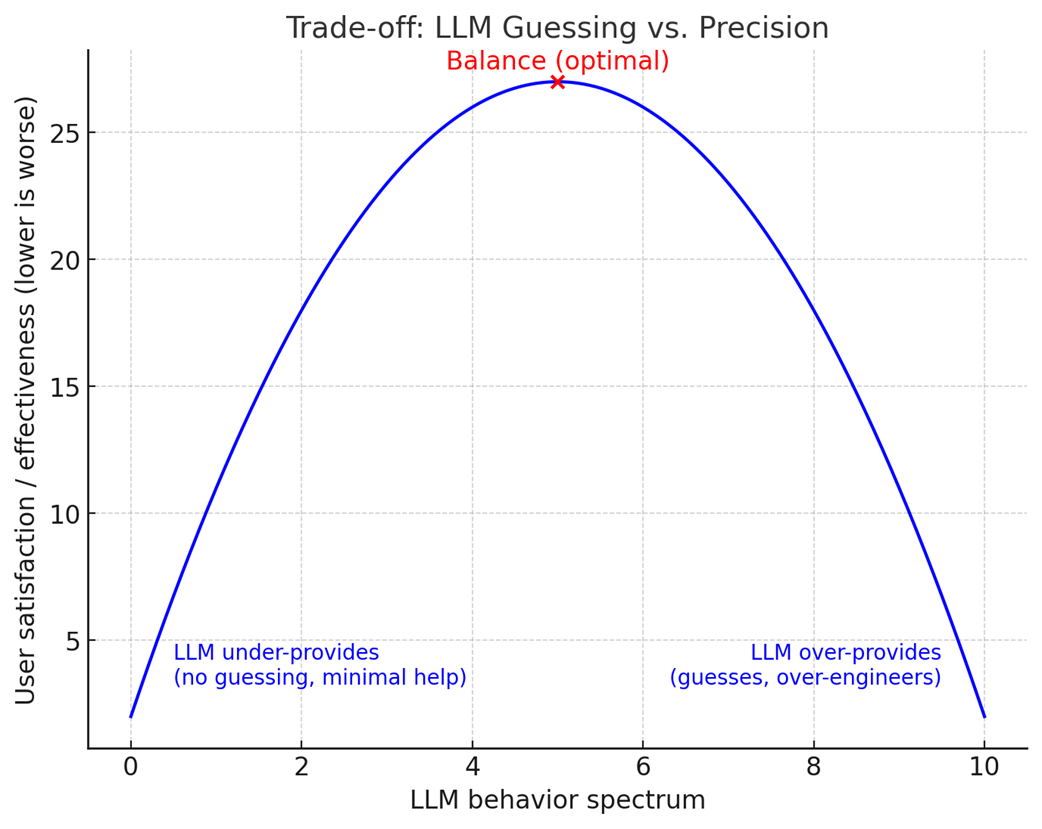
LLM inferring too much vs too little.
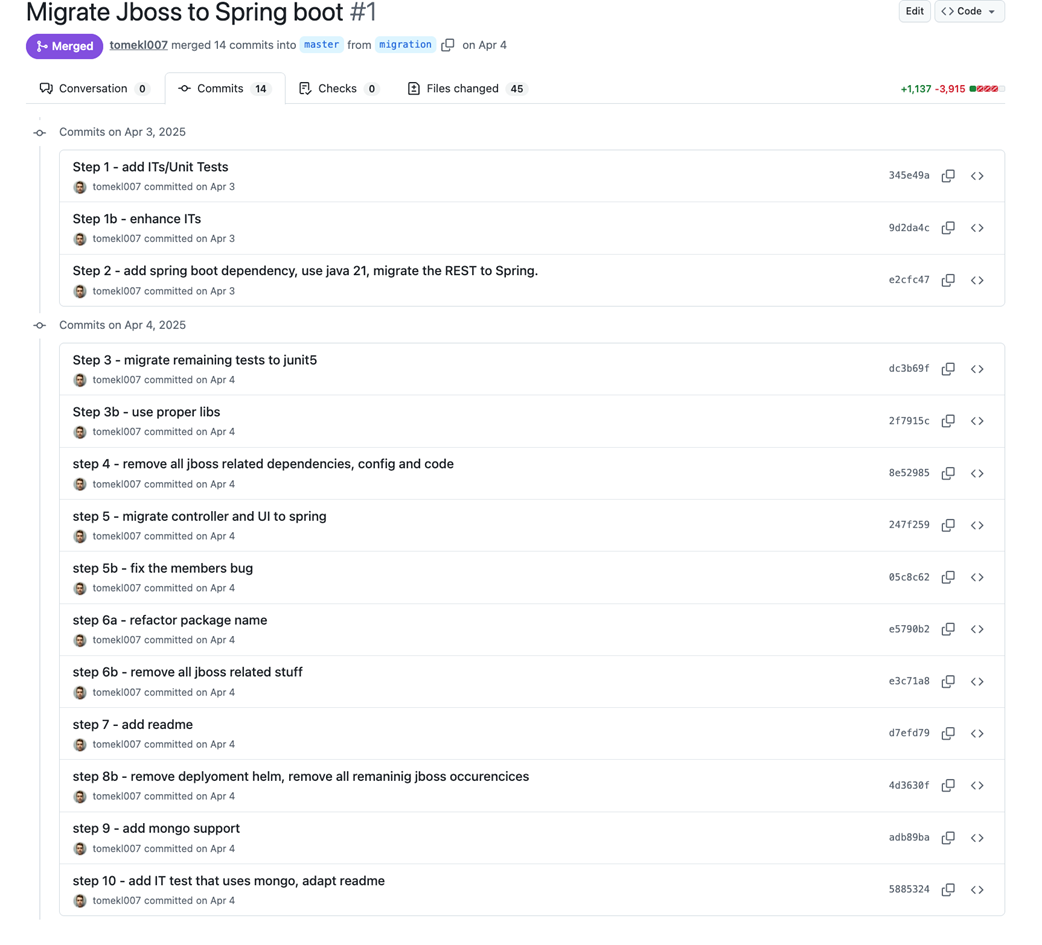
The final Pull Request contains all the stages.
Summary
- Extracting knowledge and understanding the bigger picture of an application can be done without diving into the codebase. Still, it requires us to avoid mistakes and existing habits of initially manually delving into the codebase.
- We developed a hybrid approach for the repository handling by combining the pros of the in-place and new repo approaches.
- The trade-off between too small and too big code increments done by an AI tool is an essential factor in the workflow. We tried to find a sweet spot between those two states where LLM suggests code increments that are not too small to make the process cumbersome, but also not too big to allow the human reviewer to understand the increment.
- Sometimes LLMs try to infer too much of the potential future needs, making the code over-engineered or even introducing bugs. We learn how to leverage this in some context, but also how to guard against this situation for unwanted cases.
- Establishing a framework for the gradual migration, with each step tested and encapsulated, allows us to reduce the need for manual review and increase the quality of each change

 Vibe Engineering ebook for free
