9 Beyond Code
This chapter argues that long-term success in software engineering depends on far more than writing code. The “beyond code” skills—communicating clearly, thinking critically, managing knowledge, and protecting one’s mental health—determine whether engineering work is useful, sustainable, and trusted. The chapter frames coding as only one part of the job; the harder and often more career-defining work is understanding the real problem, explaining ideas to others, making decisions under uncertainty, and continuing to grow without burning out.
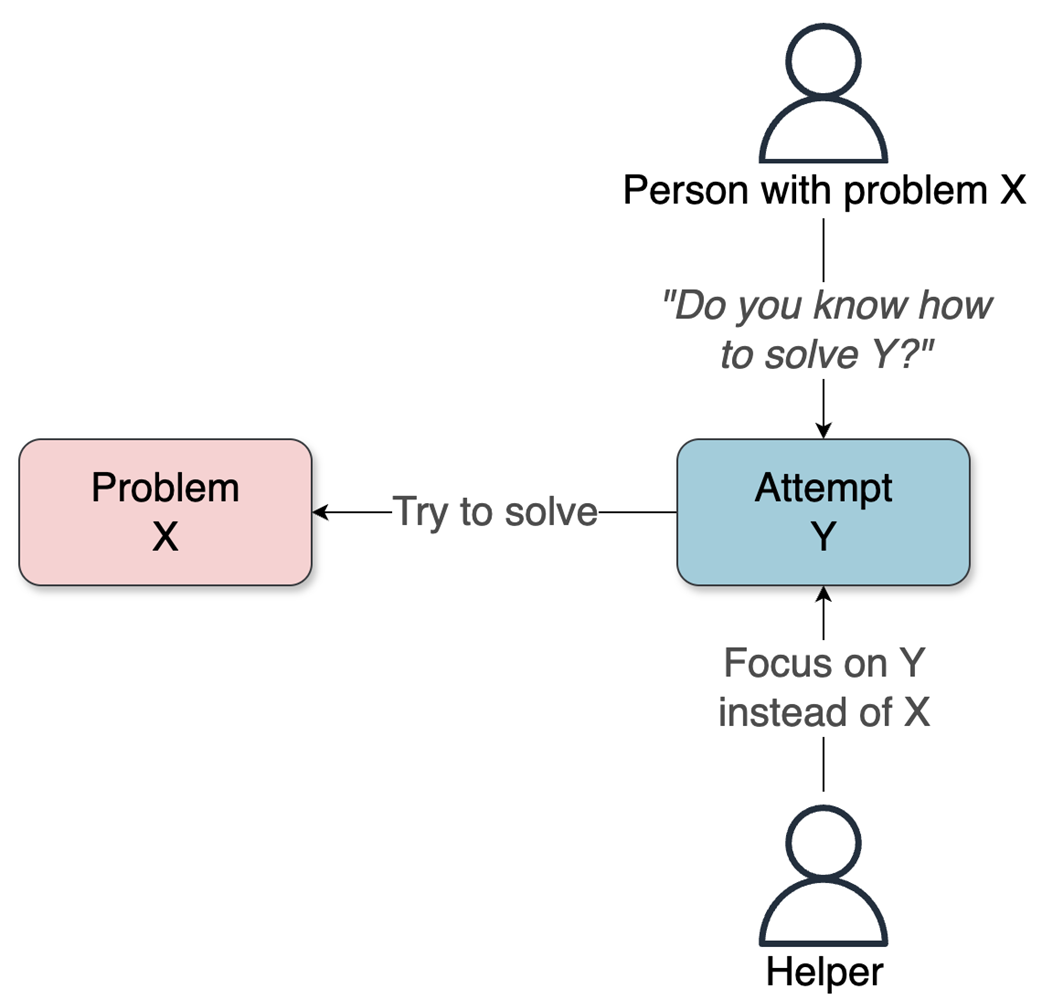
A major theme is improving judgment. The chapter explains the XY problem, where people ask for help with a proposed solution instead of the underlying problem, and recommends sharing context so others can help solve the right issue. It also covers technical writing practices such as managing reader expectations, avoiding unsupported claims, clarifying consequences, reinforcing key ideas, and making code examples understandable. From there, it explores cognitive biases that distort engineering decisions: confirmation bias makes us favor evidence that supports our assumptions, the streetlight effect makes us look only where data is easy to find, and survivor bias makes us learn from visible successes while ignoring failures. To counter these traps, the chapter encourages seeking contradictory evidence, challenging defaults, reviewing failures deeply, and using tools like lateral thinking and mistake journals to generate better ideas and learn from experience.
The chapter also emphasizes building systems and habits that support a sustainable career. Because engineers encounter more information than memory can reliably hold, it recommends a “second brain”: an external system for capturing useful ideas, organizing them by actionability, distilling them into reusable knowledge, and later expressing them in work. Finally, it turns to mindset: admitting “I don’t know” builds trust, managing energy matters more than simply managing time, and mental health must be treated as central rather than optional. The closing message is that engineers are humans first; the best careers are built thoughtfully, humbly, and sustainably, with strong fundamentals and healthy long-term practices.


Summary
- Communication
- The XY problem traps people who ask about an attempted solution (Y) without sharing the underlying problem (X). Including context lets helpers suggest better solutions and avoids wasted back-and-forth.
- Effective technical writing manages reader expectations, avoids unsupported assertions, makes consequences explicit, and never assumes a topic is "simple" for the reader.
- Cognitive biases
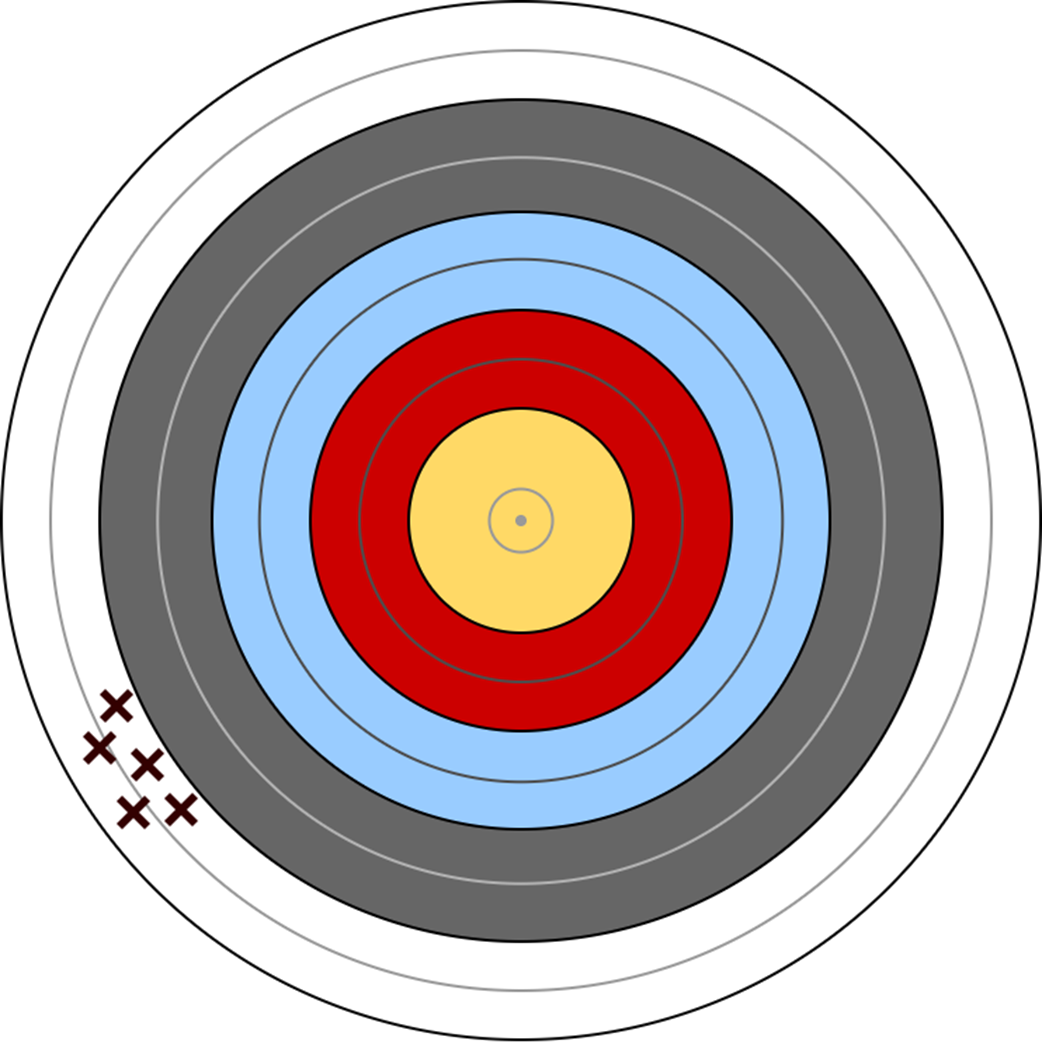
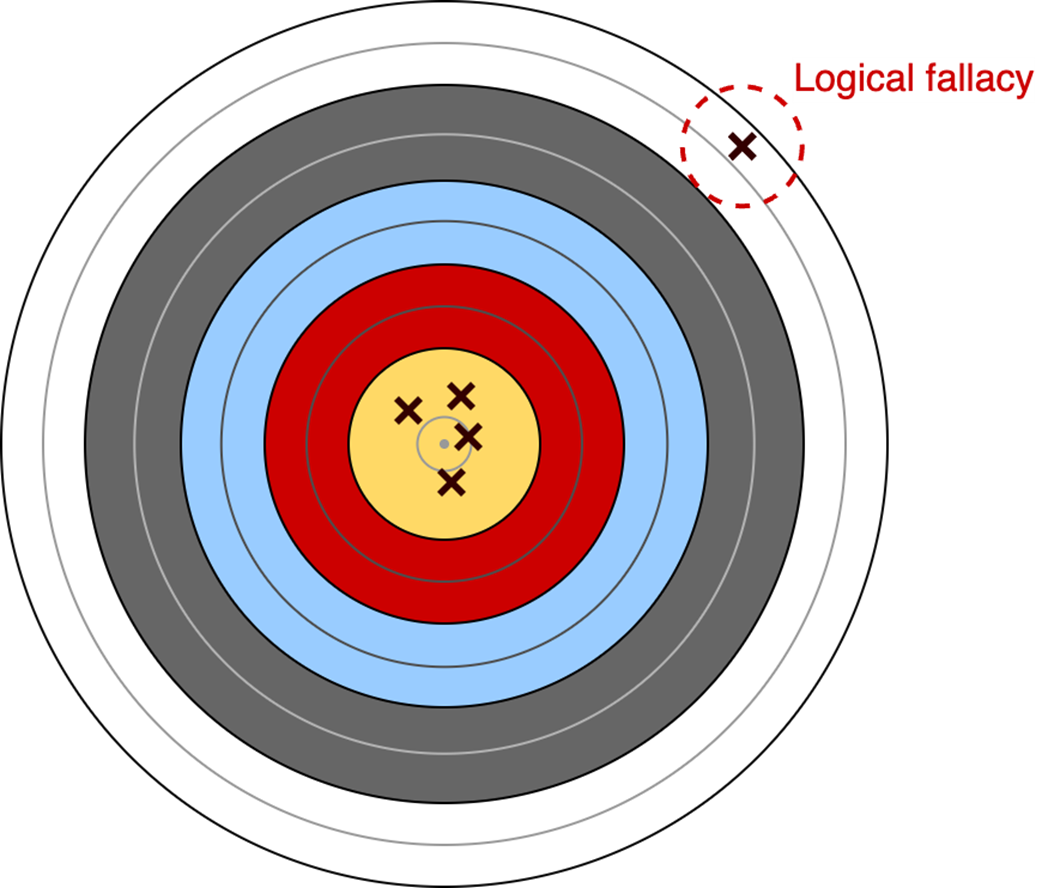
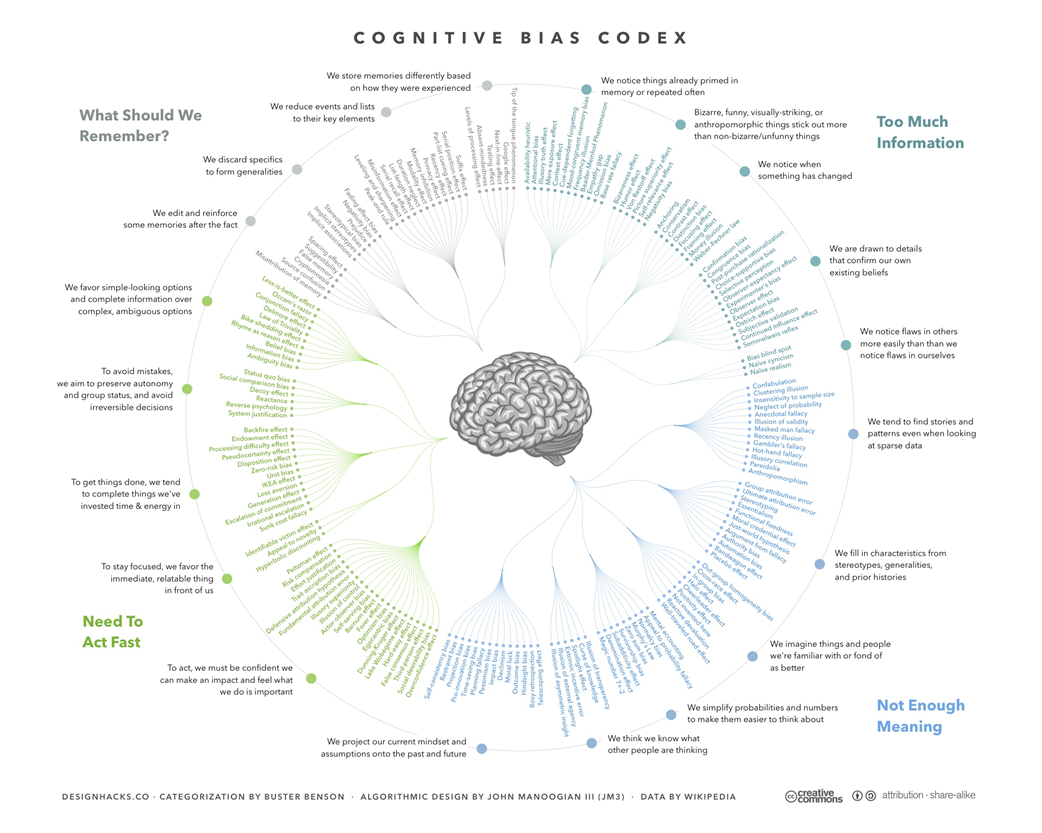
- Cognitive biases are systematic patterns of deviation from rational judgment, distinct from logical fallacies. Recognizing they exist is the first step in compensating for them.
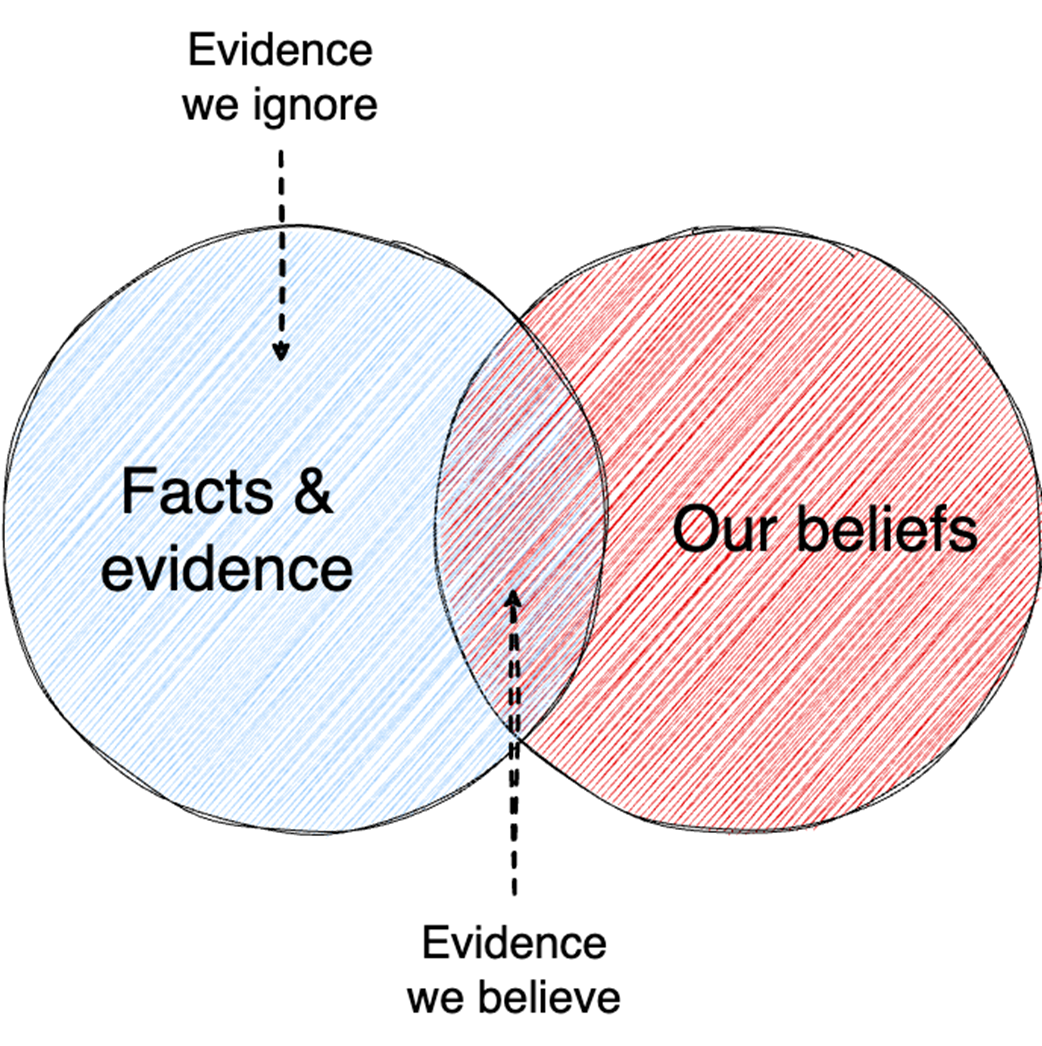
- Confirmation bias makes us favor, interpret, and recall evidence in ways that support our existing beliefs. Counter it by deliberately seeking disconfirming evidence and writing assumptions down to keep them visible.
- The streetlight effect makes us focus on what's easily measurable rather than what's most relevant — visible dashboards, easy-to-monitor code paths, surface-level review issues.
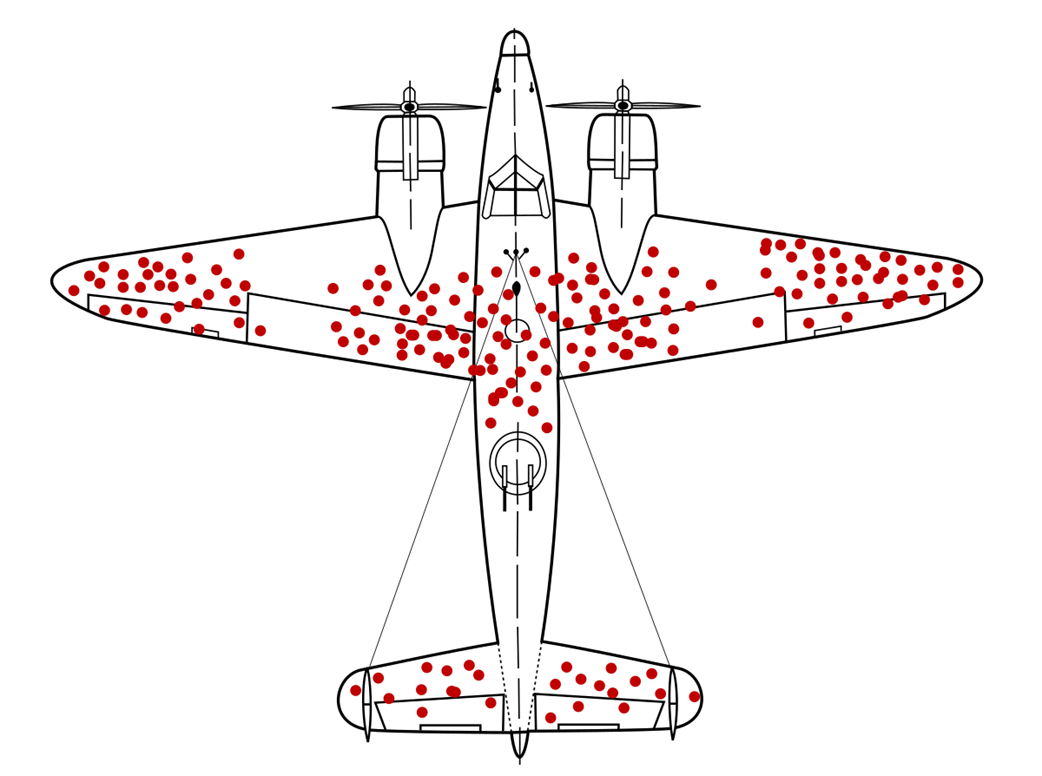
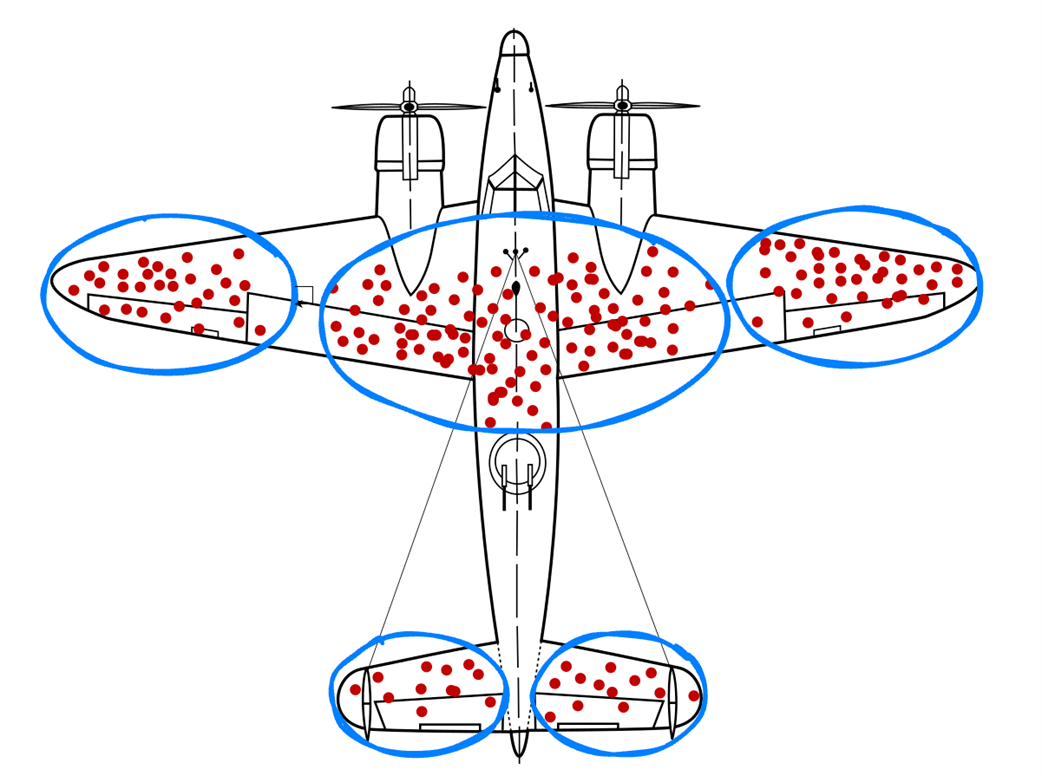
- Survivor bias makes us draw conclusions from successes while ignoring the failures that didn't survive to be observed. Especially dangerous when idolizing successful companies, projects, or career paths.
- Critical thinking
- Lateral thinking escapes habitual reasoning patterns by combining unlikely information or following unexpected connections. Techniques include reversal, SCAMPER, challenging assumptions, and provocative statements.
- A mistake journal turns frustrating personal mistakes into structured lessons, with each entry capturing the context, problem, impact, and correction plan. Reduces repeated mistakes and surfaces patterns over time.
- Knowledge management
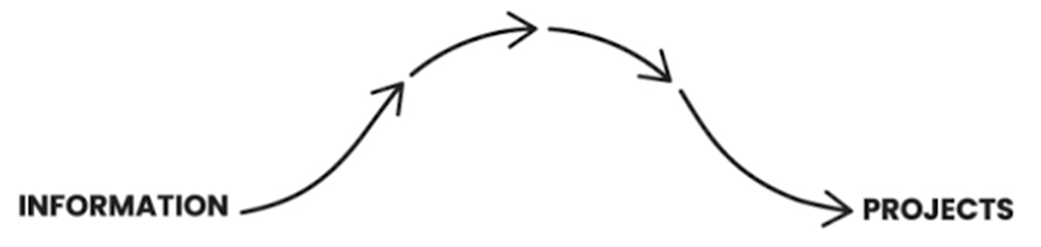
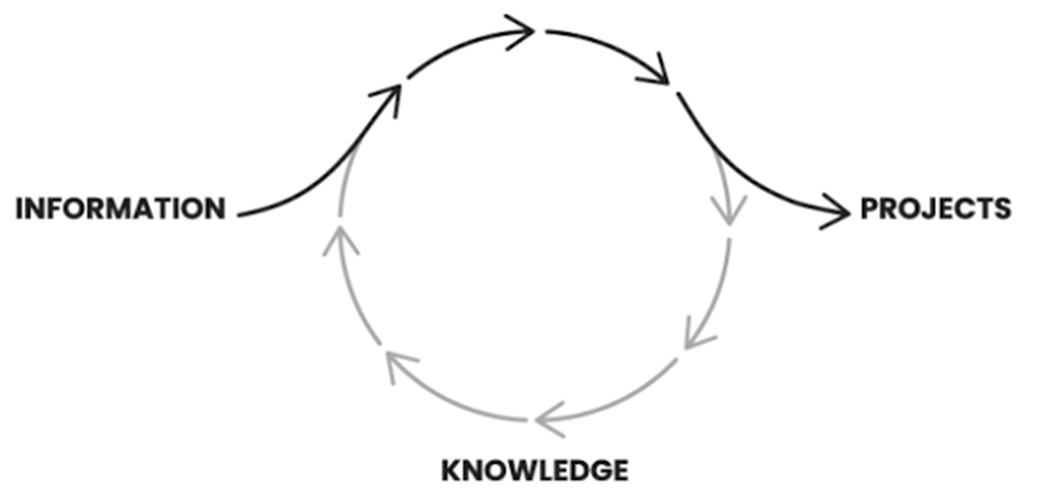
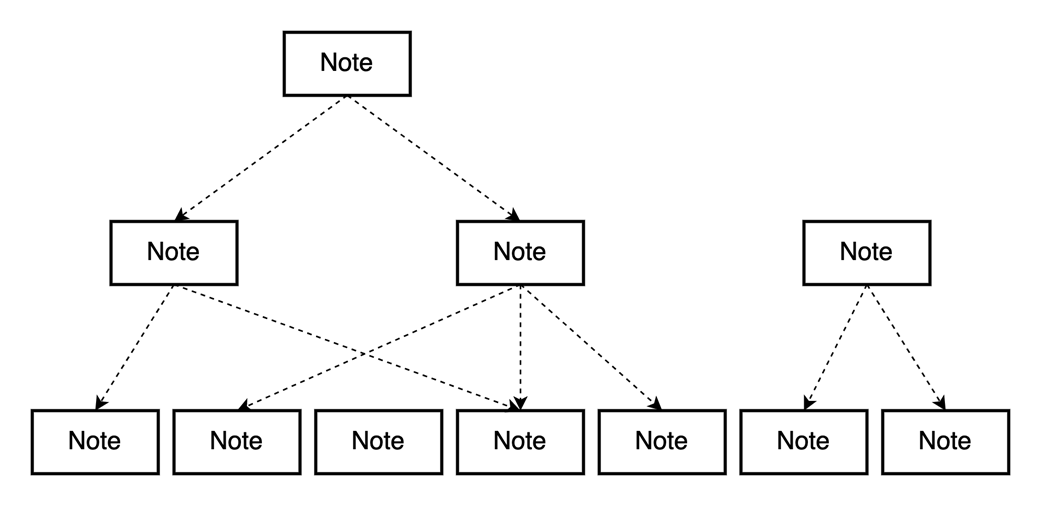
- A "second brain" externalizes knowledge so we can build on it rather than lose it. Capture what resonates, organize for actionability (using PARA: Project, Area, Resource, Archive), and progressively distil notes through layers of summary.
- Mindset
- Saying "I don't know" builds trust and creates space for genuine learning. Pretending to know erodes both trust and the ability to grow.
- Manage energy, not time — burnout sets in when we run out of energy and keep pushing anyway. Respecting energy limits is what makes a career sustainable across decades.
- Comparison to others, especially through social media, is corrosive to mental health. Struggling is part of being human; mental health belongs in the conversation about engineering careers.
FAQ
What is the main idea of Chapter 9, “Beyond Code”?
The chapter argues that coding is only one part of a software engineering career. Long-term effectiveness also depends on communication, sound judgment, creativity, knowledge management, energy management, and mental health. These “beyond code” skills determine whether the code we write is useful, whether good decisions get made, and whether we can keep growing sustainably over time.
What is the XY problem?
The XY problem happens when someone asks for help with an attempted solution, Y, instead of explaining the real problem, X. For example, asking for help fixing a regex without explaining that the real goal is validating customer email addresses may lead helpers down the wrong path. To avoid it, askers should include the original context, and helpers should gently ask for that context when it is missing.
What are some key rules for better technical writing?
Good technical writing should manage reader expectations, avoid unsupported claims, make consequences clear, and avoid phrases like “it’s simple” that can make readers feel inadequate. It should also clarify vague pronouns, reinforce important concepts, ask engaging questions, explain code blocks before and after showing them, prefer just-in-time teaching over unnecessary just-in-case information, and focus conclusions on skills readers can apply.
What are cognitive biases, and why do they matter for software engineers?
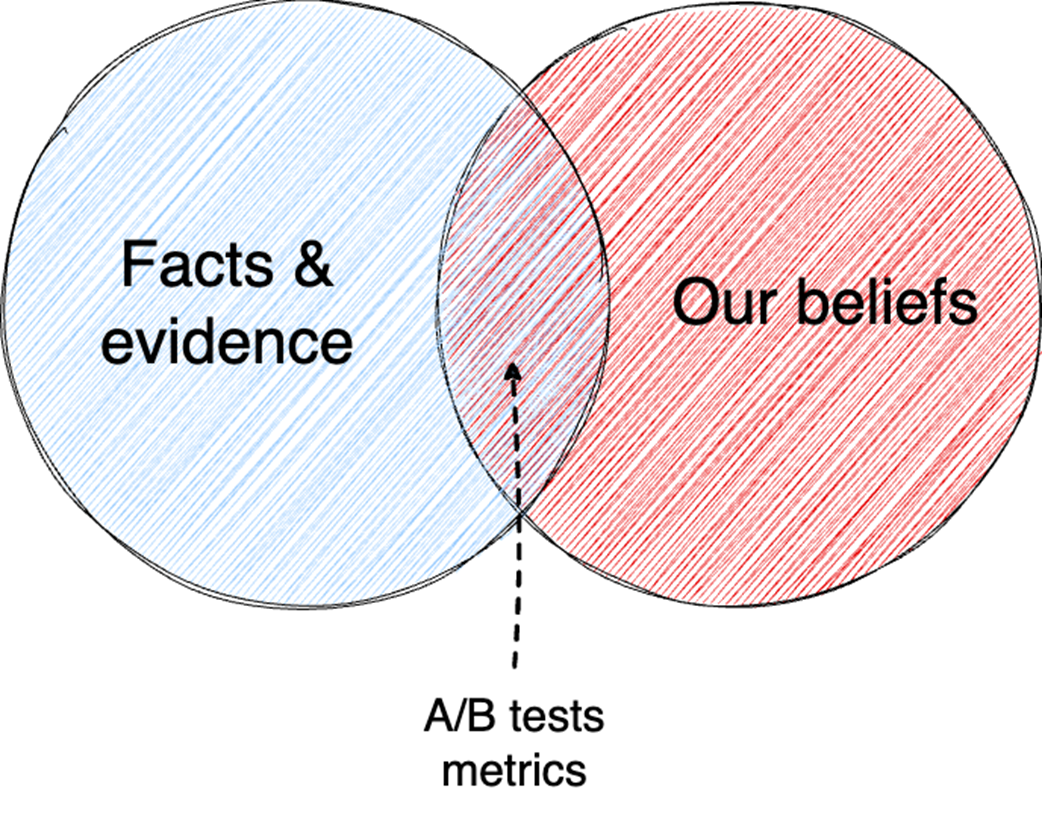
Cognitive biases are systematic patterns of deviation from rational judgment. They are mental shortcuts that can help us process information efficiently but can also distort engineering decisions. In software work, they can affect incident response, code reviews, architecture discussions, A/B testing, hiring, and career choices. The goal is not to eliminate all biases, but to recognize that they exist and account for them when making decisions.
What is confirmation bias, and how can engineers reduce it?
Confirmation bias is the tendency to search for, interpret, favor, and remember information that supports an existing assumption. In engineering, it can appear when debugging an incident by only checking metrics that support a first theory, or when designing an A/B test around metrics that favor a desired result. To reduce it, be aware of the bias, actively seek contradictory evidence, write down assumptions clearly, stay open to being wrong, and ask someone to play devil’s advocate.
What is the streetlight effect?
The streetlight effect is the tendency to focus on what is easiest to see or measure, even when it may not be the most relevant. In software engineering, this can happen when teams rely only on existing dashboards, focus on visible technical debt, judge A/B tests using easy-to-measure data, review only style issues in code, or optimize only the parts of the system that are easiest to monitor. Avoiding it requires challenging defaults, using comprehensive data, and looking deeper during postmortems.
What is survivor bias?
Survivor bias is the mistake of focusing only on entities that passed a selection process while ignoring those that did not. The chapter illustrates it with World War II planes: reinforcing the areas hit on returning planes misses the fact that planes hit elsewhere may not have returned at all. In software, survivor bias can appear when copying successful companies’ tech stacks, idolizing FAANG practices, evaluating only project wins, or assuming a career strategy works because visible successful people followed it.
What is lateral thinking, and how is it different from vertical thinking?
Vertical thinking is logical, step-by-step reasoning where each step follows from the previous one. Lateral thinking is about escaping habitual patterns and finding fresh angles by combining unexpected ideas or using unusual prompts. It values effectiveness over being correct at every step. Techniques include reversal, SCAMPER, challenging assumptions, and provocative questions such as “What if we weren’t allowed to store any data?”
Why keep a mistake journal?
A mistake journal helps turn errors into structured learning so we do not keep repeating the same mistakes. A useful entry can include a name, tags, context, the problem, impacts, lessons learned, a correction plan, the latest occurrence, and the repetition count. The chapter suggests tracking mistakes that create real frustration, because those are often worth analyzing. Benefits include fewer repeated mistakes, better pattern detection, and improved decision-making.
What is a Second Brain, and how does the PARA system help organize it?
A Second Brain is an external system for capturing, organizing, and reusing knowledge instead of relying only on memory. Its mindset is captured by the idea: “Your mind is for having ideas, not holding them.” The PARA system organizes notes by actionability: Projects are short-term efforts with clear outcomes, Areas are ongoing responsibilities, Resources are useful reference material, and Archives hold inactive or outdated notes. The broader CODE process is Capture, Organize, Distill, and Express.

 The Coder Cafe ebook for free
