8 Systems
This chapter emphasizes “mechanical sympathy”: developers do not need to be CPU or kernel engineers, but understanding what happens beneath software abstractions helps explain performance and reliability problems. It connects modern CPU behavior with Linux diagnostics, showing how hardware techniques such as pipelining, branch prediction, and simultaneous multithreading shape runtime performance, while kernel concepts such as soft and hard lockups help diagnose low-level system failures.
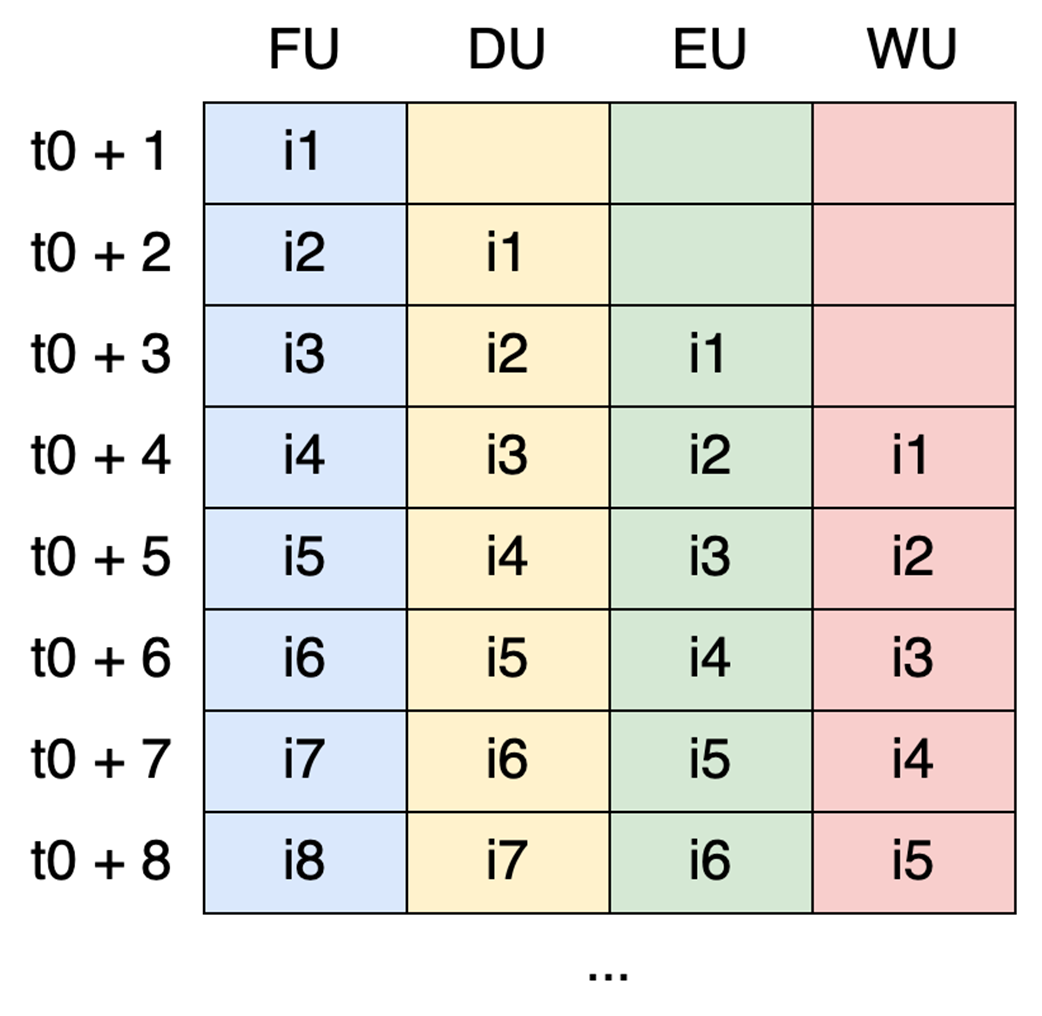
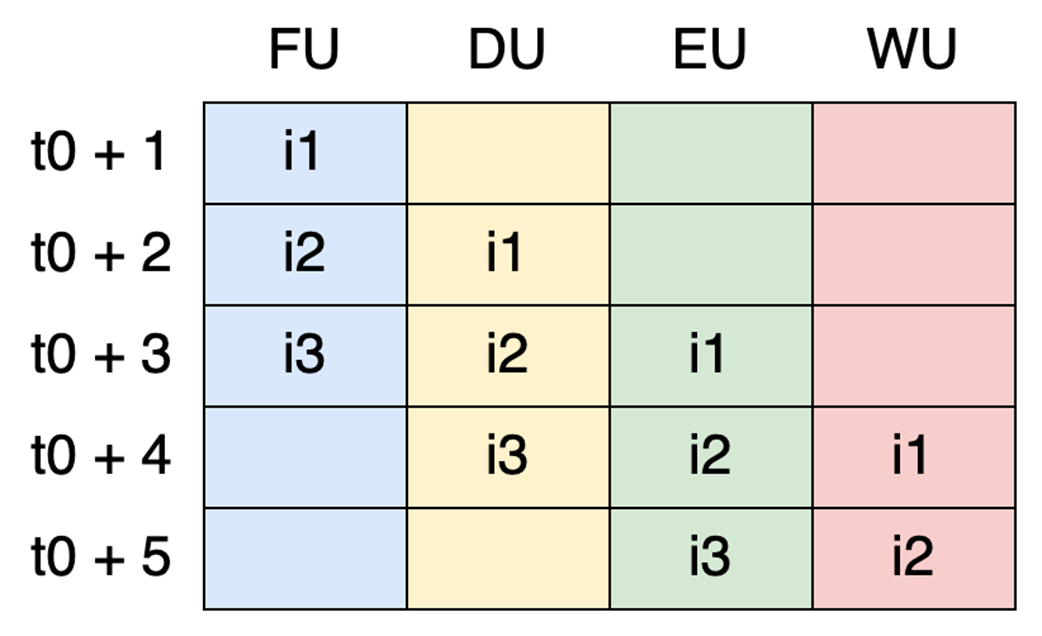
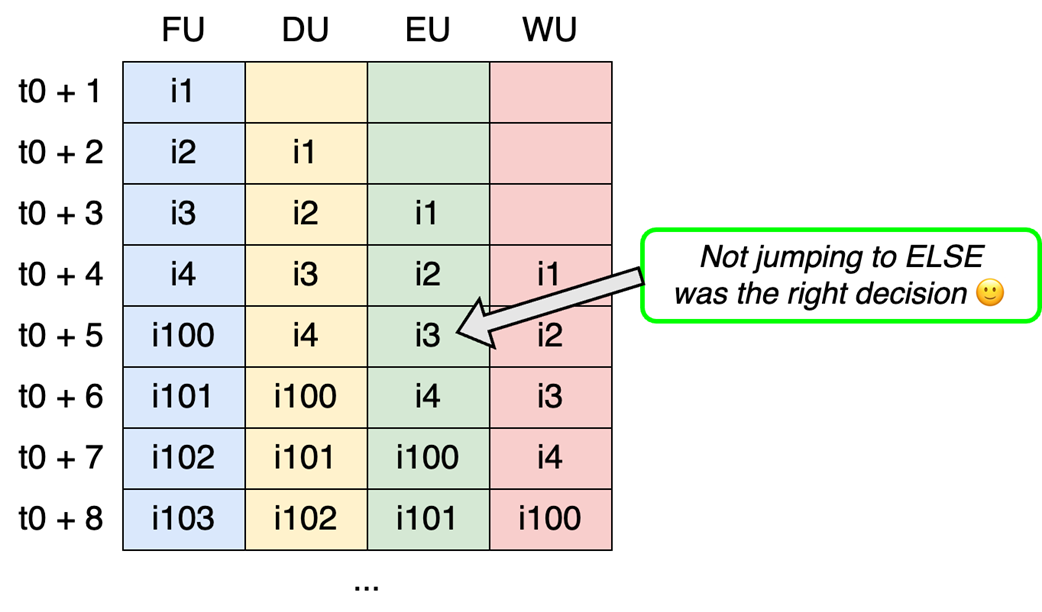
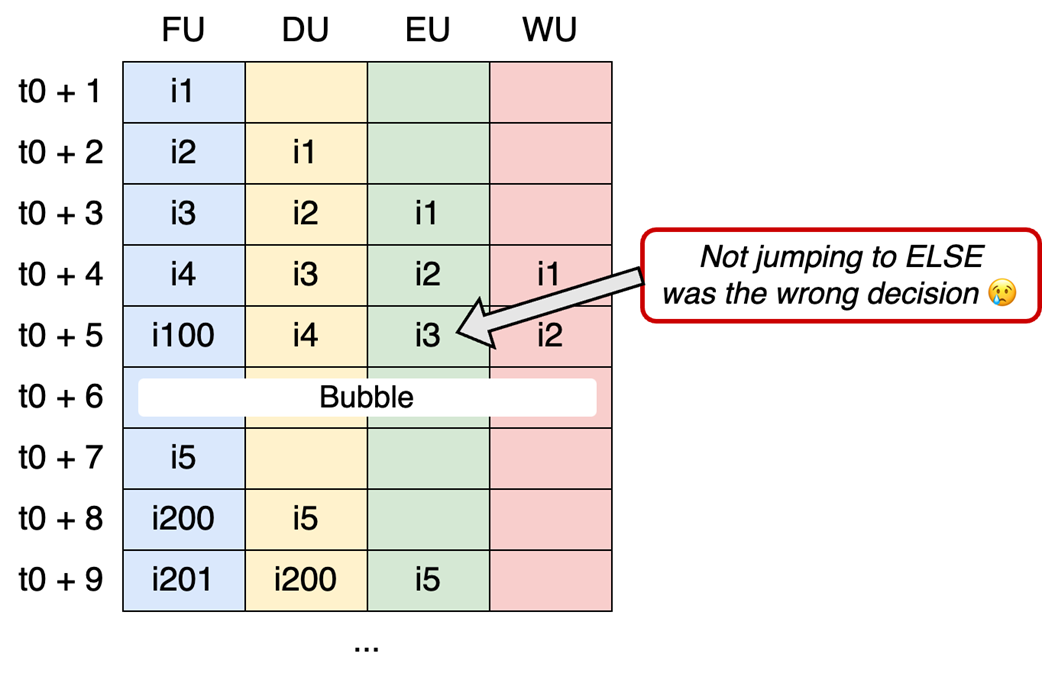
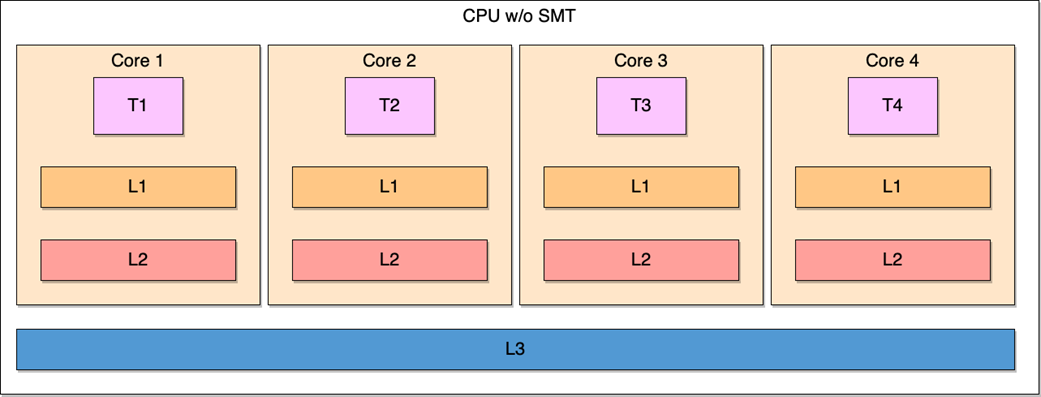
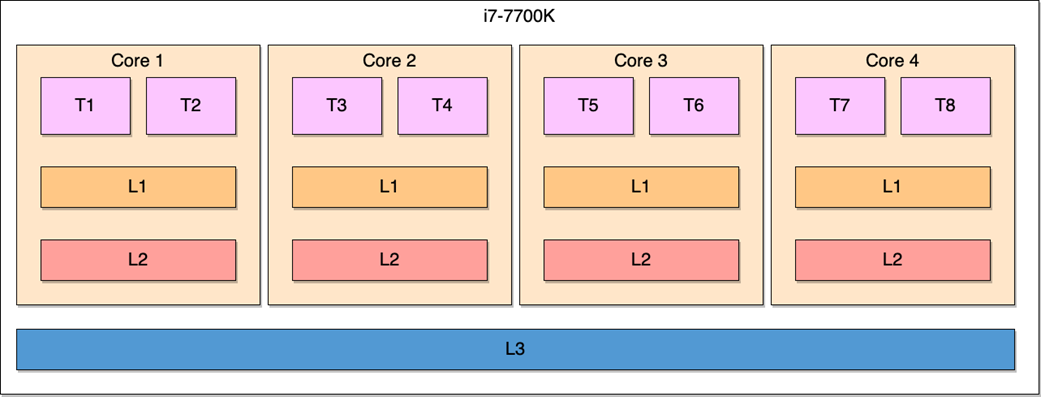
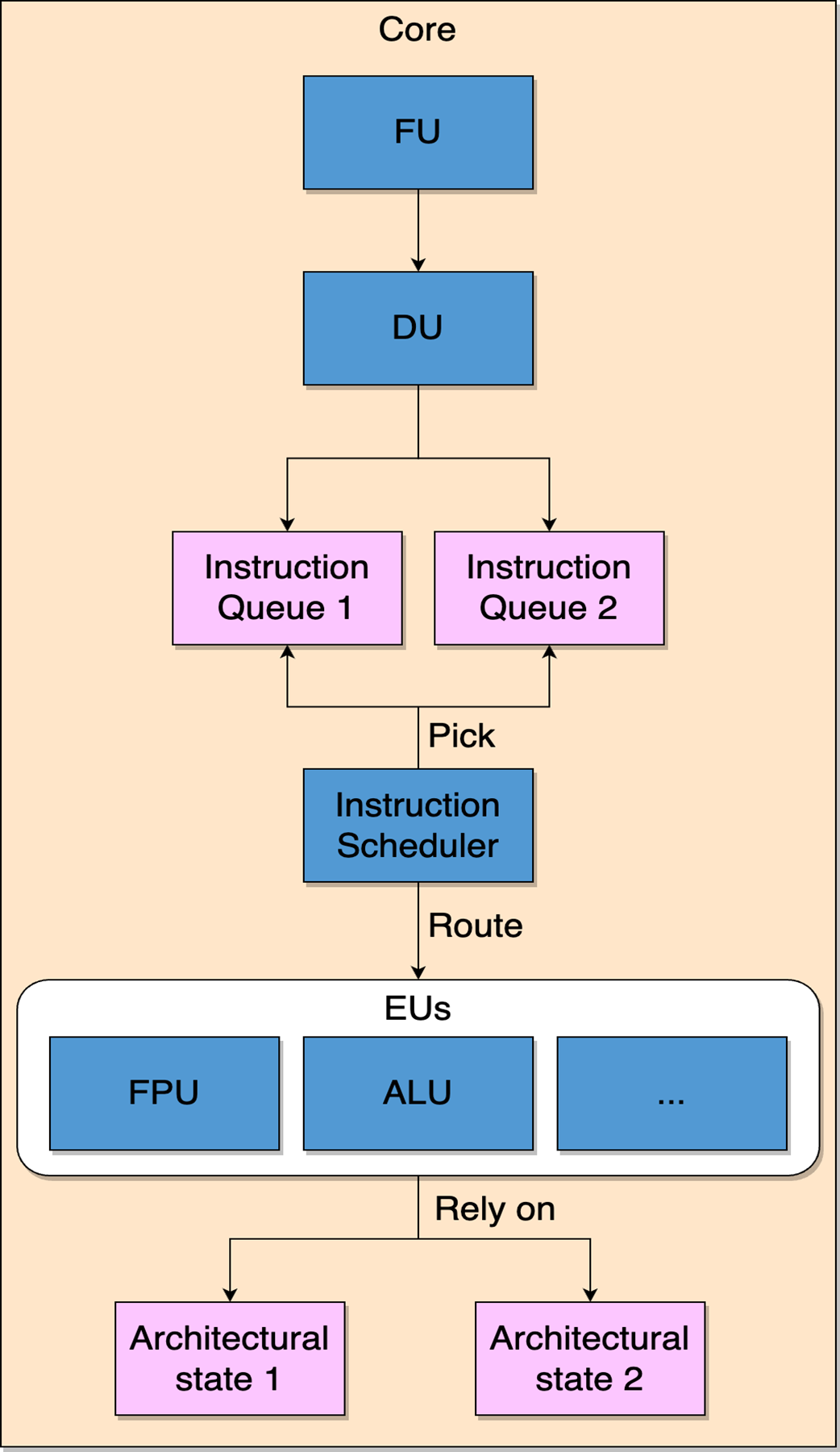
The chapter explains that CPUs improve throughput by overlapping instruction stages in a pipeline, aiming to complete one instruction per cycle once the pipeline is full. Branches complicate this because the CPU may not know which instruction to fetch next, so modern processors use branch prediction to keep working; correct predictions save cycles, while wrong predictions force pipeline flushing and create performance-costly bubbles. It then describes SMT, where a physical core exposes multiple logical threads so the operating system can schedule more work and the core can use otherwise idle execution resources. SMT can improve throughput for some workloads, but it is not equivalent to having more physical cores, does not scale linearly, may increase power use, and can hurt memory-bound workloads, so benchmarking is essential.
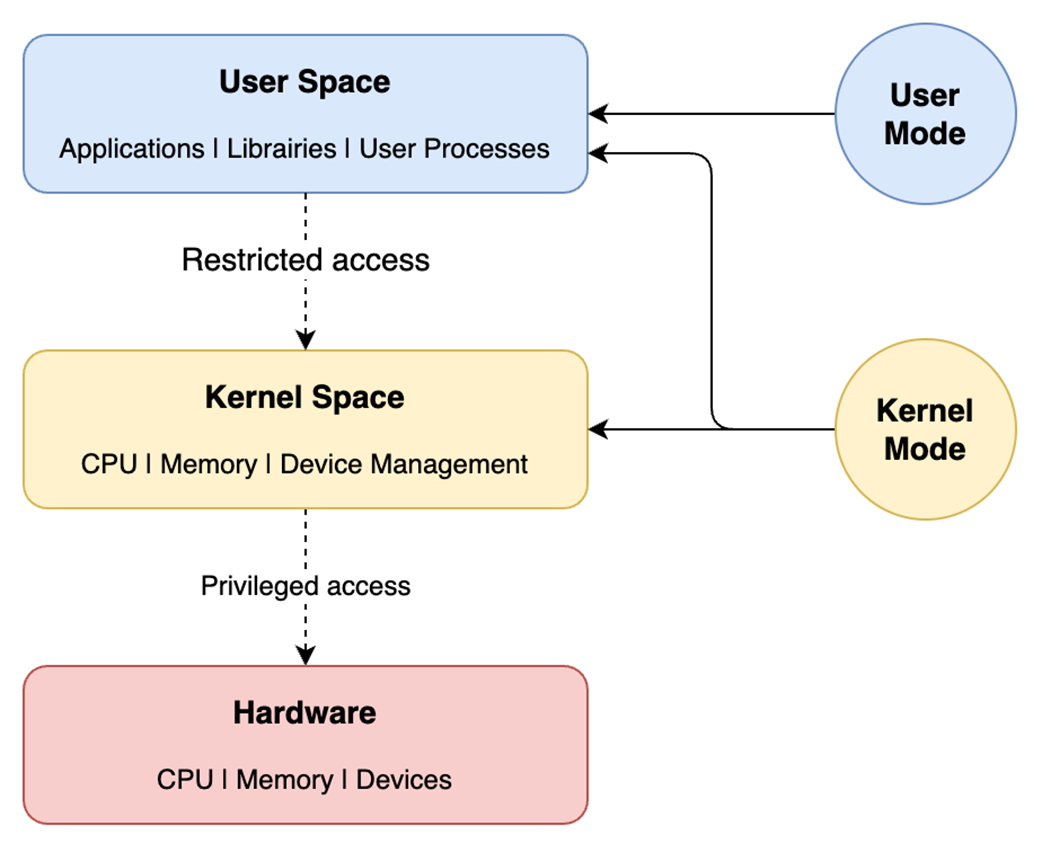
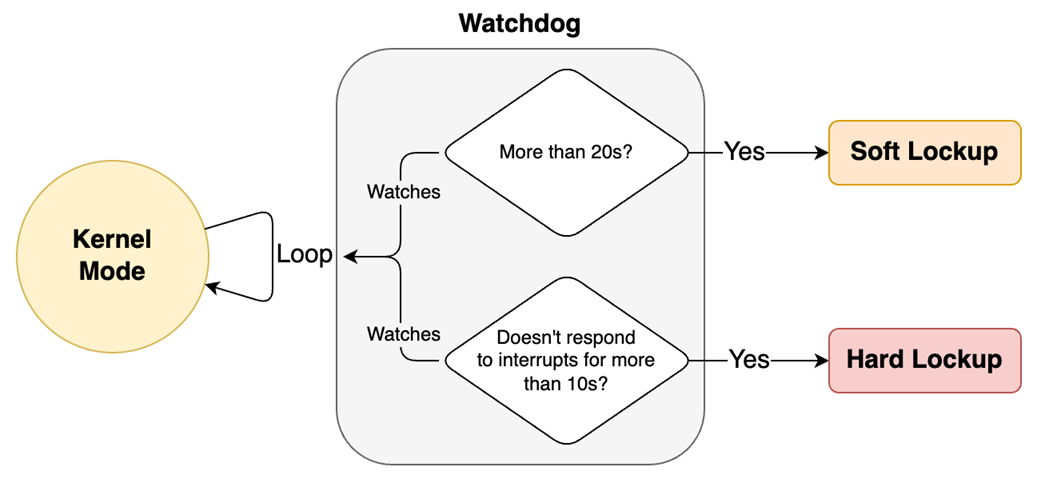
The final part shifts from CPU architecture to Linux production debugging. A soft lockup occurs when the kernel loops too long without allowing other tasks to run, though interrupts are still being handled; a hard lockup is more severe because the CPU stops responding even to interrupts. These symptoms can point to kernel bugs, driver defects, hardware failures, or virtualization scheduling problems. The Linux watchdog detects such conditions, can log them or trigger a panic depending on configuration, and provides useful clues when a system becomes slow or completely unresponsive. Overall, the chapter argues that developers usually work above these details, but knowing when and how to reason about them can turn confusing performance or stability incidents into diagnosable problems.


Summary
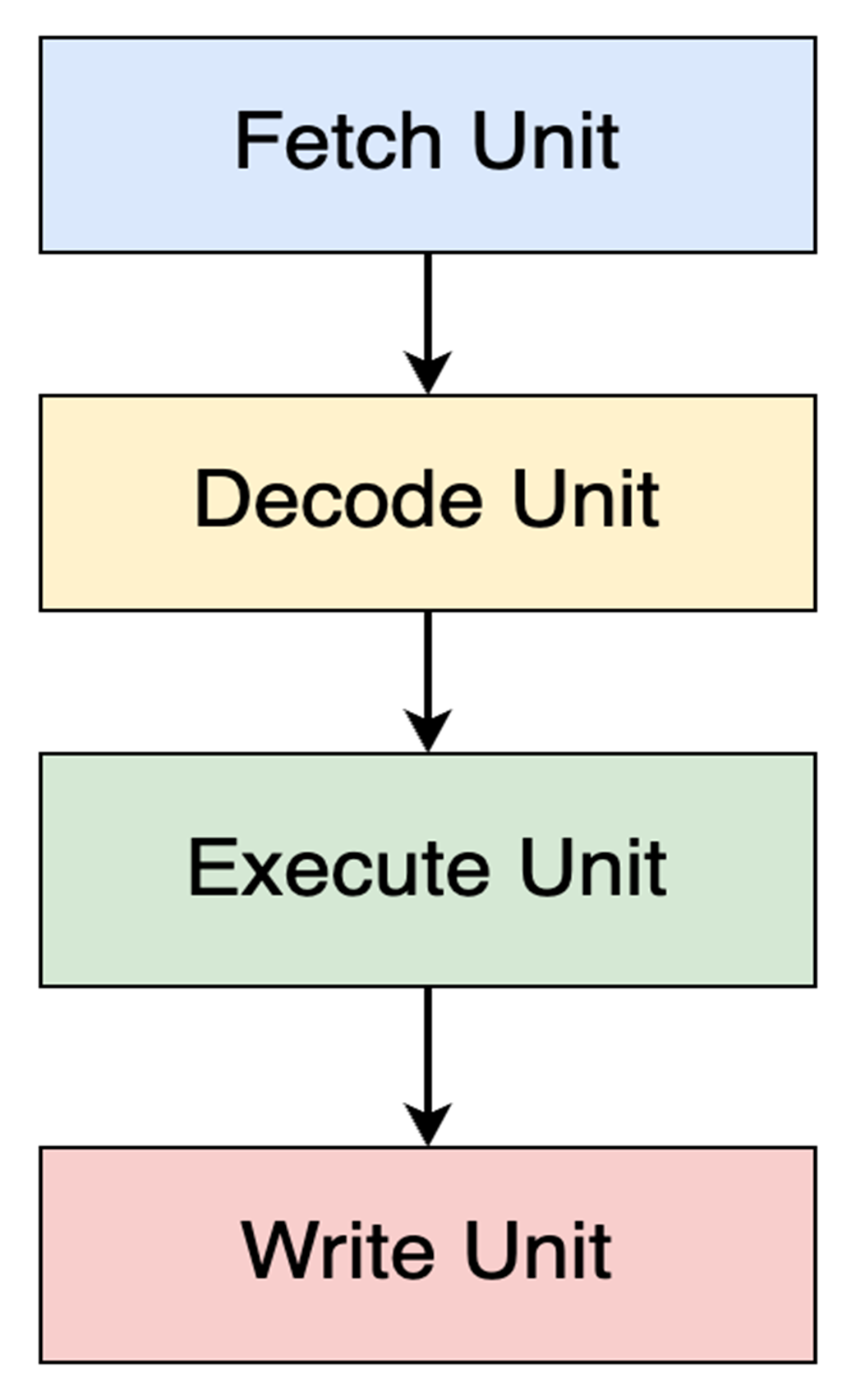
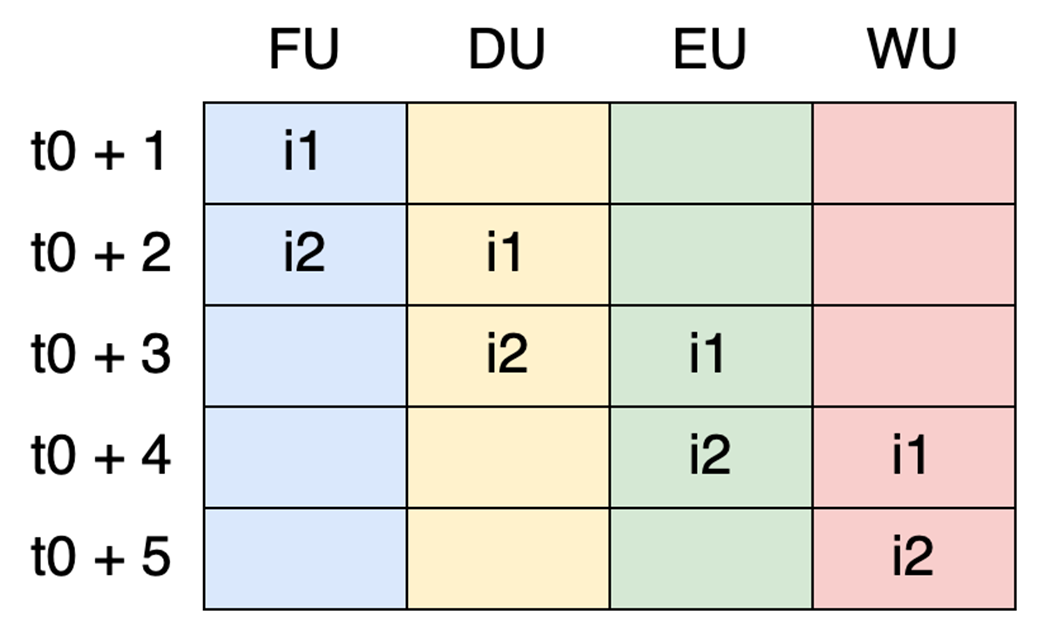
- Instruction pipelining increases throughput by overlapping the fetch, decode, execute, and write stages of multiple instructions, allowing one instruction to complete per cycle once the pipeline is full.
- Branch prediction minimizes pipeline stalls by guessing the outcome of conditional jumps before they're evaluated, preventing the wasted cycles ("bubbles") that would otherwise occur while the CPU waits to know which instruction to fetch next.
- Simultaneous Multithreading (SMT) maximizes core utilization by allowing two threads to share a single physical core's execution units, but it isn't equivalent to having extra physical cores — typical gains are around 30%, not 100%.
- A soft lockup occurs when a CPU is stuck looping in kernel mode for too long, preventing the scheduler from running other tasks. The system remains partially responsive because interrupts can still be processed.
- A hard lockup is more severe: the CPU stops responding even to interrupts, leaving the system completely unresponsive. Both lockup types signal serious problems — kernel bugs, hardware failures, or hypervisor scheduling issues in virtualized environments.
FAQ
What is “mechanical sympathy” in the context of programming?
Mechanical sympathy means understanding enough about the hardware and operating system beneath your code to make better engineering decisions. You do not need to be a CPU designer, but knowing how CPUs execute instructions, how the kernel schedules work, and how systems fail can help you write faster code and diagnose difficult production issues.
What are the basic stages of CPU instruction processing?
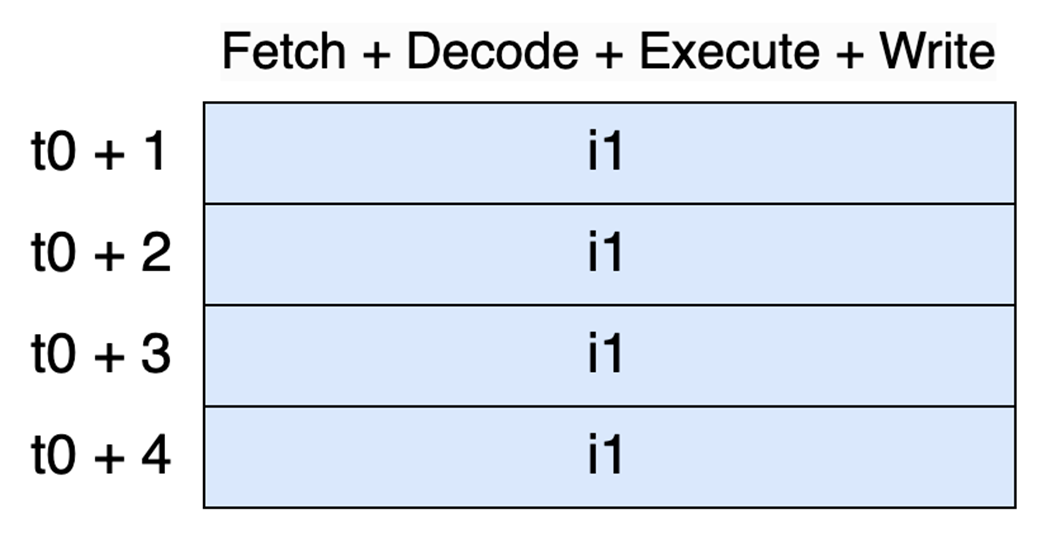
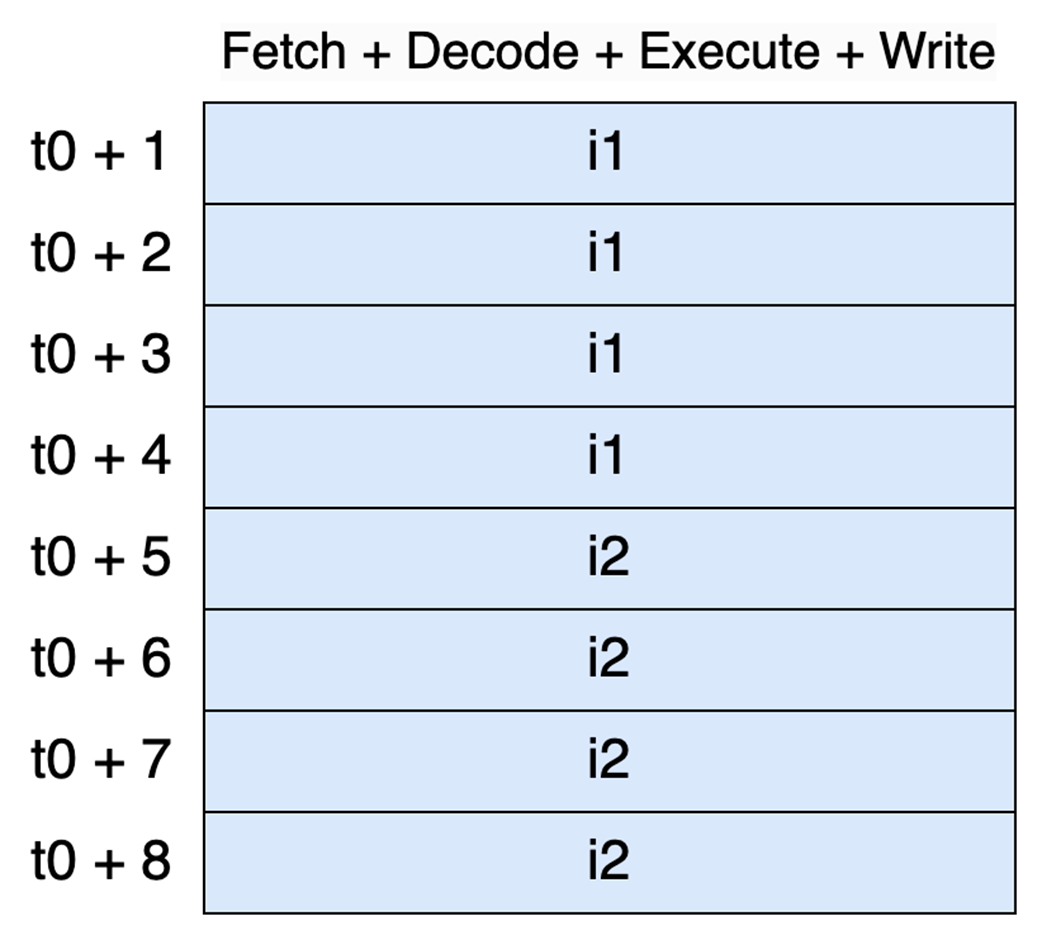
In the simplified model from the chapter, a CPU processes an instruction through four stages:
- Fetch: Retrieve the instruction from memory.
- Decode: Determine what operation the instruction represents.
- Execute: Perform the operation, such as arithmetic or logic.
- Write: Store the result back to memory or a register.
What is instruction pipelining?
Instruction pipelining is a CPU technique that improves throughput by overlapping the execution stages of multiple instructions. Instead of waiting for one instruction to fully complete before starting the next, different pipeline units work on different instructions at the same time. Once the pipeline is full, the CPU can potentially complete one instruction per cycle.
Why do pipeline stalls matter to developers?
Pipeline stalls, also called bubbles, happen when part of the CPU pipeline is idle because it is waiting for something before it can continue. Stalls reduce instruction throughput and can hurt performance. Developers can help reduce stalls by writing branch prediction-friendly code, minimizing data dependencies between instructions, and using techniques such as loop unrolling where appropriate.
What is branch prediction?
Branch prediction is a CPU technique used to avoid waiting at conditional branches. When the CPU encounters a branch, it predicts which path the program will take and continues fetching instructions from that path. If the prediction is correct, cycles are saved. If the prediction is wrong, the CPU must flush the incorrect instructions from the pipeline, causing a performance penalty.
What happens when branch prediction is wrong?
When branch prediction is wrong, the CPU may have already fetched or partially processed instructions from the wrong path. It must then flush those incorrect instructions from the pipeline and fetch the correct ones. This creates a pipeline bubble and costs multiple cycles, especially on CPUs with deeper pipelines.
What is Simultaneous Multithreading, or SMT?
Simultaneous Multithreading, or SMT, allows one physical CPU core to run multiple hardware threads concurrently, usually two. The operating system sees these hardware threads as separate logical CPUs or virtual CPUs. SMT helps keep a core’s execution units busy when one thread is stalled, improving resource utilization.
Is SMT the same as having more physical cores?
No. SMT does not provide the same kind of true parallelism as separate physical cores. Threads on the same SMT-enabled core share many execution resources, such as execution units and caches. SMT can improve performance, but the scaling is not linear. For example, Intel has cited up to about a 30% gain from two SMT threads on one physical core, not a 100% gain.
When does SMT help, and when can it hurt performance?
SMT can help when one thread leaves execution resources unused, such as when it stalls waiting for memory or branch resolution. Another thread can use those otherwise idle resources. However, SMT does not always improve performance. Some memory-bound workloads can perform worse because threads compete for shared resources such as caches and memory bandwidth. The chapter recommends benchmarking rather than assuming SMT will help.
What is the difference between a Linux soft lockup and a hard lockup?
A soft lockup occurs when the kernel loops in kernel mode for more than the threshold period without letting other tasks run, but interrupts are still being processed. The system may be slow but not completely frozen. A hard lockup is more severe: the CPU loops in kernel mode without even allowing interrupts to run, often making the system completely unresponsive.

 The Coder Cafe ebook for free
