4 Software Engineering
This chapter frames software engineering as programming that must survive over time: code should not only solve today’s problem, but remain understandable, adaptable, and maintainable years later by people who did not originally write it. Its central theme is that many technical choices create future costs, especially when teams optimize too early, invent abstractions before they have enough evidence, or build features for hypothetical requirements. The chapter advocates a disciplined default of building what is needed now, while still designing around stable product concepts so the code can evolve without being narrowly trapped by today’s exact requirements.
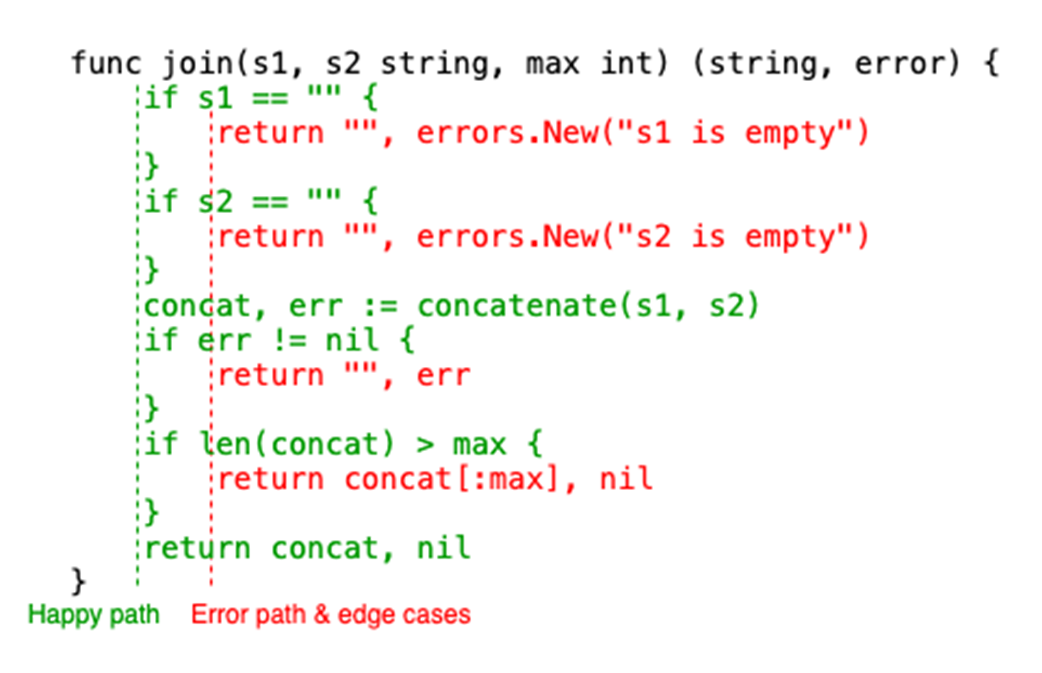
A major focus is reducing unnecessary mental effort for future readers and maintainers. The chapter distinguishes between the unavoidable difficulty of the domain and avoidable complexity introduced by poor structure, unclear naming, inconsistent abstractions, weak documentation, excessive context switching, or confusing communication. Readable code is presented as code that makes its intent, rationale, and logic easy to grasp. Practical techniques include using meaningful names, extracting complex conditions into well-named variables or functions, flattening nested control flow so the happy path is easy to scan, writing comments that explain what is not obvious, and favoring familiar, idiomatic, consistent code over clever novelty.
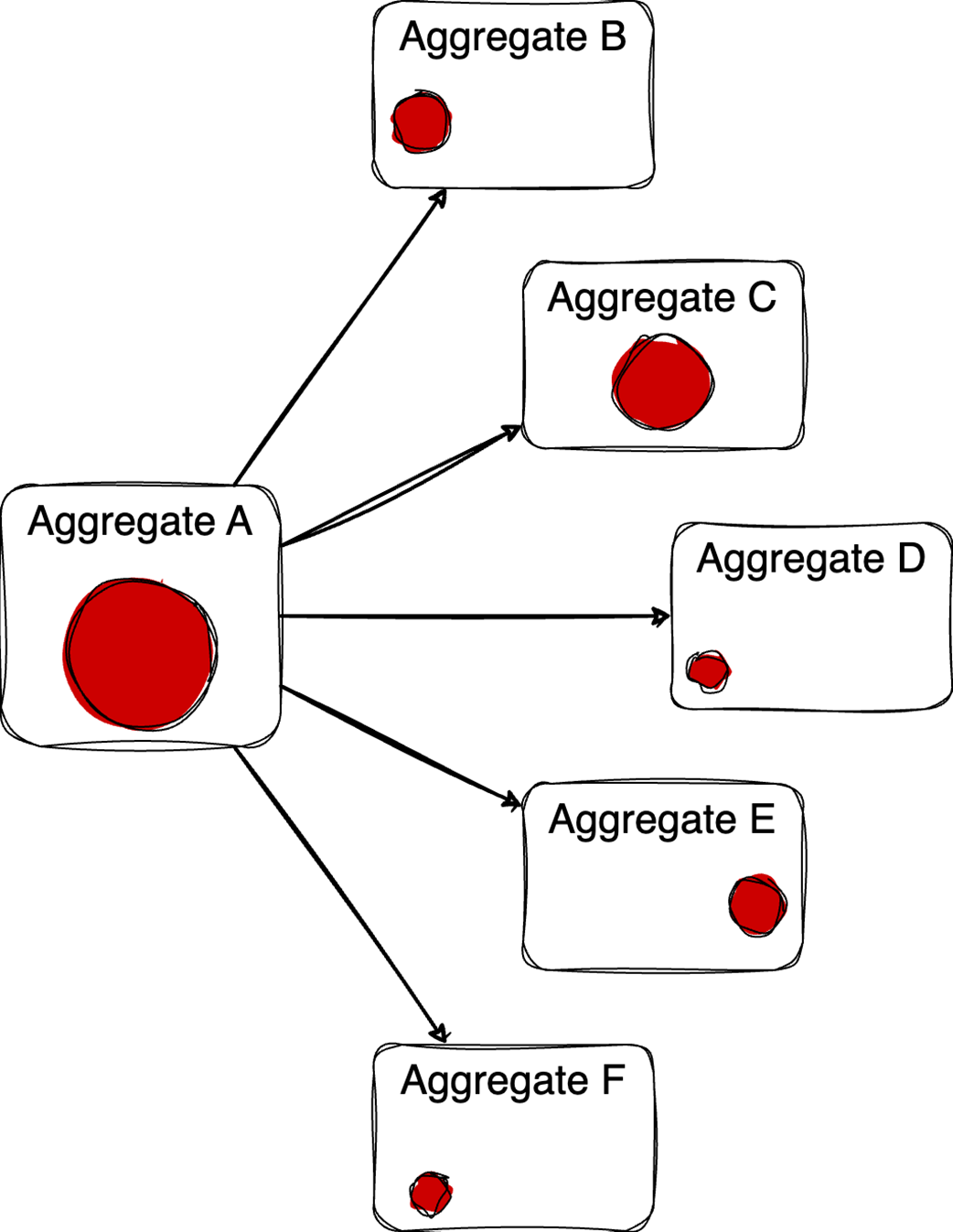
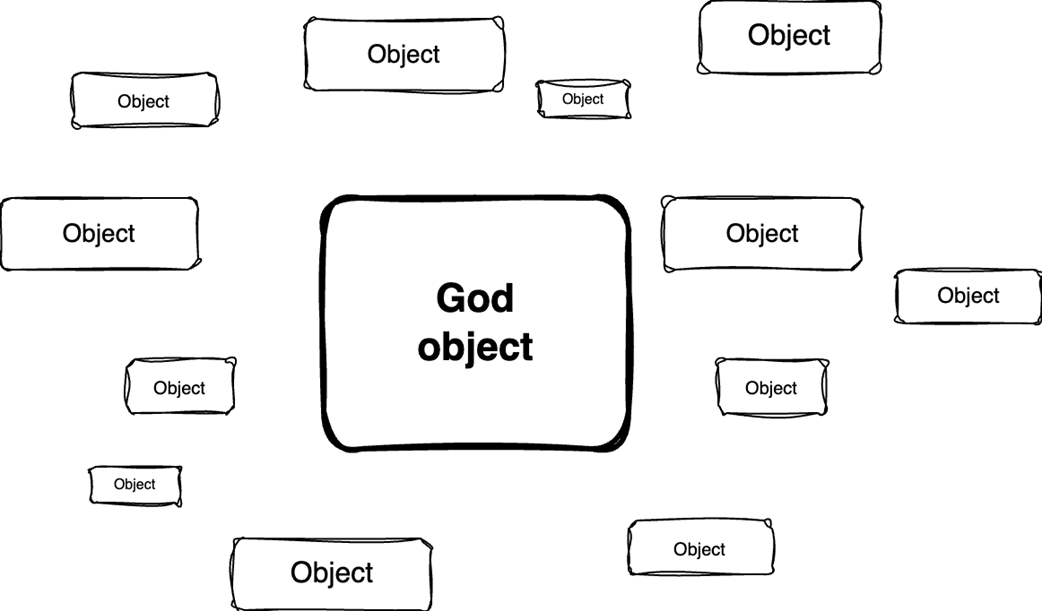
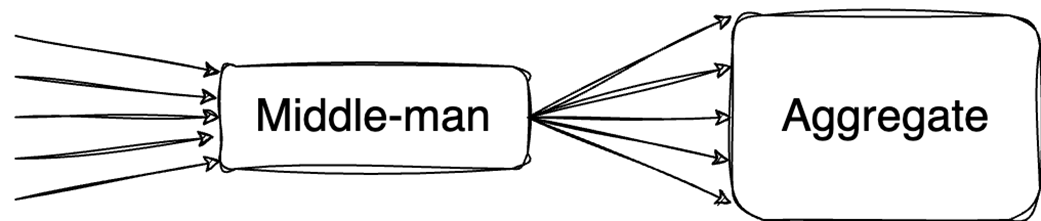
The chapter also moves from local readability to larger codebase structure. It explains that cohesive components have a clear, focused purpose, while loosely coupled components make fewer assumptions about each other and are easier to change, test, and reason about. It promotes small continuous improvements over disruptive cleanup efforts: tidying code, normalizing inconsistencies, arranging code in a helpful reading order, grouping related statements, and applying the Boy Scout rule by leaving code slightly cleaner with each change. The closing message is that healthy codebases require controlled growth: shared standards, planning for large changes, retrospectives, collective accountability, and daily habits that keep software sustainable as it accumulates over time.


Credits



Summary
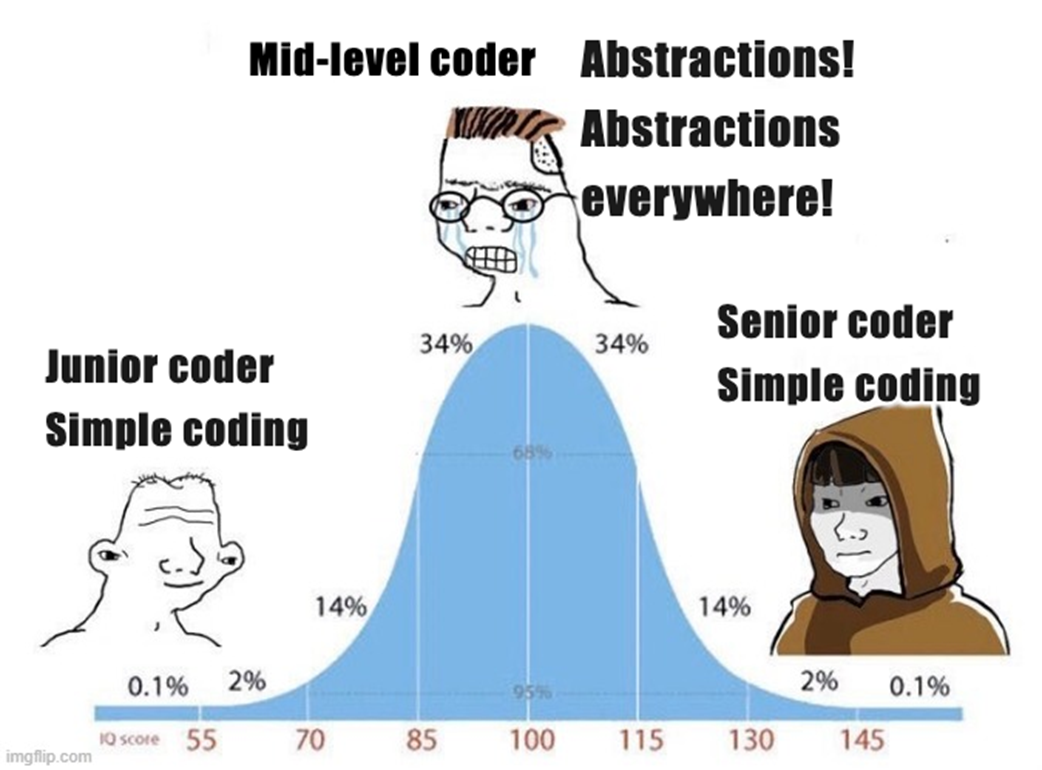
- Premature abstractions add unnecessary layers that hinder understanding before a pattern is fully understood.
- The YAGNI principle prevents the accumulation of dead code by deferring features until they are strictly necessary.
- Simplifying control flow and aligning the "happy path" to the left reduces the cognitive load required to read code.
- The Boy Scout Rule manages entropy by ensuring every module is left slightly cleaner than it was found.
- Continuous improvement relies on a culture of shared accountability rather than just rules or architects.
FAQ
What does “software engineering is programming integrated over time” mean?
It means software engineering is not just about writing code that solves today’s problem. It is about writing code that remains understandable, maintainable, and adaptable years later, often by people who did not originally write it. The chapter frames many engineering decisions around the question: what will this choice cost the team five years from now?
What is a premature abstraction?
A premature abstraction is an abstraction built from conjecture rather than real need. For example, creating a generic solution because “we might need this later” can waste time, increase complexity, reduce flexibility, and slow development. The chapter’s advice is to implement features and abstractions when they are actually needed, not merely when their future need is imagined.
What does YAGNI mean, and why is it important?
YAGNI stands for “You Aren’t Gonna Need It.” It advises against adding functionality before it is actually required. YAGNI matters because unnecessary features, abstractions, generics, and optimizations increase maintenance costs. Since maintenance often consumes a large portion of software costs, keeping code simple and focused on current needs improves agility and reduces complexity.
When should engineers avoid applying YAGNI too rigidly?
YAGNI is a useful default, but it should not prevent thoughtful design. Some future concerns are worth planning for, such as long-term architecture, expected user growth, or regulatory compliance. The chapter suggests balancing YAGNI with product-oriented design: avoid speculative code, but model stable product ideas and domain concepts that are likely to remain meaningful.
Why should code focus on product ideas rather than literal requirements?
Literal requirements can lead to brittle designs. For example, a coffee delivery system might start with a method like deliverCoffee, but later requirements may add food, tea, juice, or merchandise. A better design may focus on the broader product idea—delivery—and use a domain object such as DeliveryList. This keeps the code aligned with the business concept while remaining adaptable.
What is cognitive load in software engineering?
Cognitive load is the mental effort required to understand, modify, debug, or extend code. The chapter distinguishes between intrinsic cognitive load, which comes from the inherent difficulty of the problem domain, and extraneous cognitive load, which comes from poor code structure, confusing APIs, inconsistent abstractions, weak documentation, or excessive context switching. Engineers cannot eliminate intrinsic complexity, but they should minimize extraneous complexity.
What makes code readable?
Readable code makes it easy to understand the intent, rationale, and logic of a piece of code: what it does, why it does it that way, and how it works. Readability improves through meaningful names, relevant abstractions, clear structure, consistent style, idiomatic language use, helpful comments, and a preference for clarity over cleverness. Code reviews are especially useful because reviewers bring fresh eyes to readability problems.
How can complex if statements and nested code be improved?
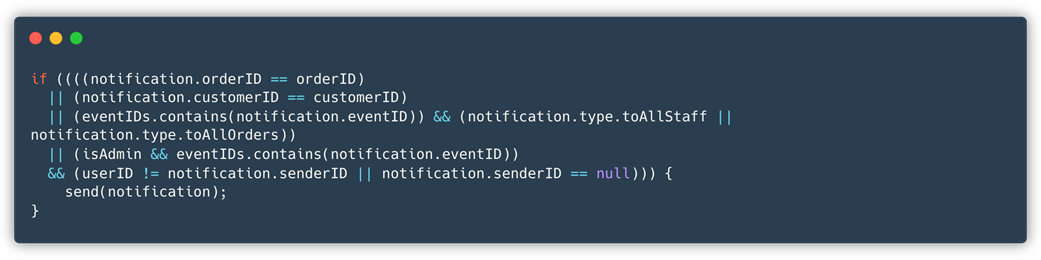
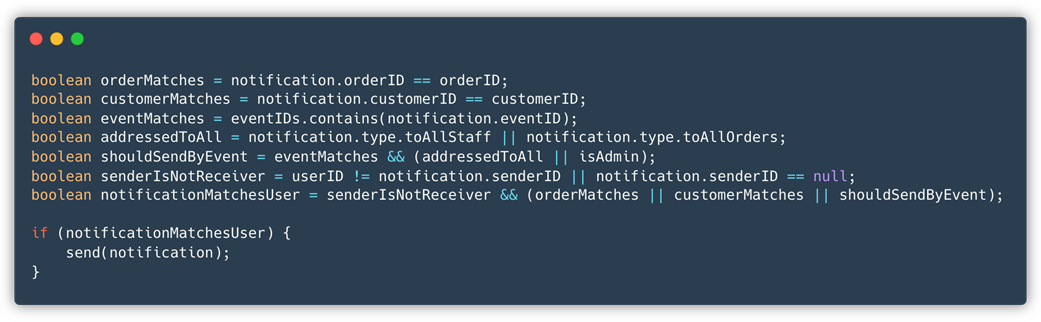
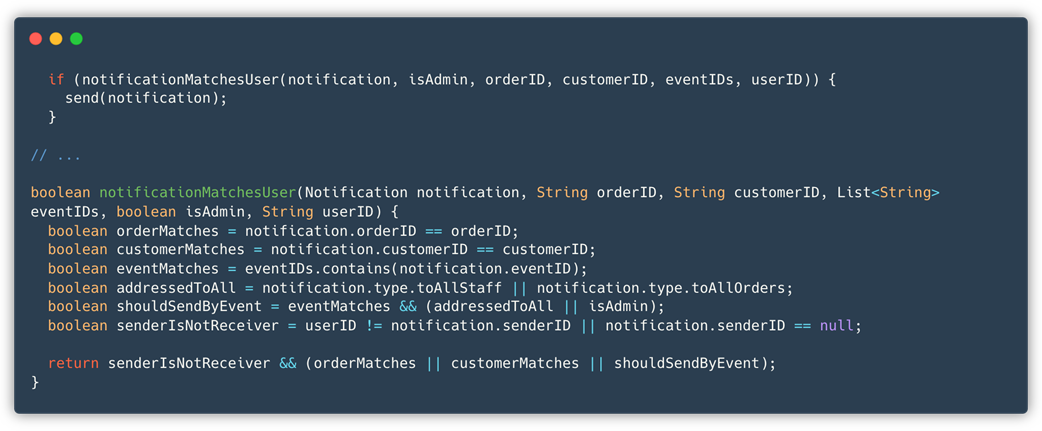
Complex conditions can often be improved by extracting subconditions into well-named variables or moving the logic into a dedicated function with a clear purpose. Deeply nested code can often be improved with early returns and guard clauses. The chapter emphasizes Mat Ryer’s advice: “Align the happy path to the left,” so readers can scan the main execution flow easily.
What are cohesion and coupling?
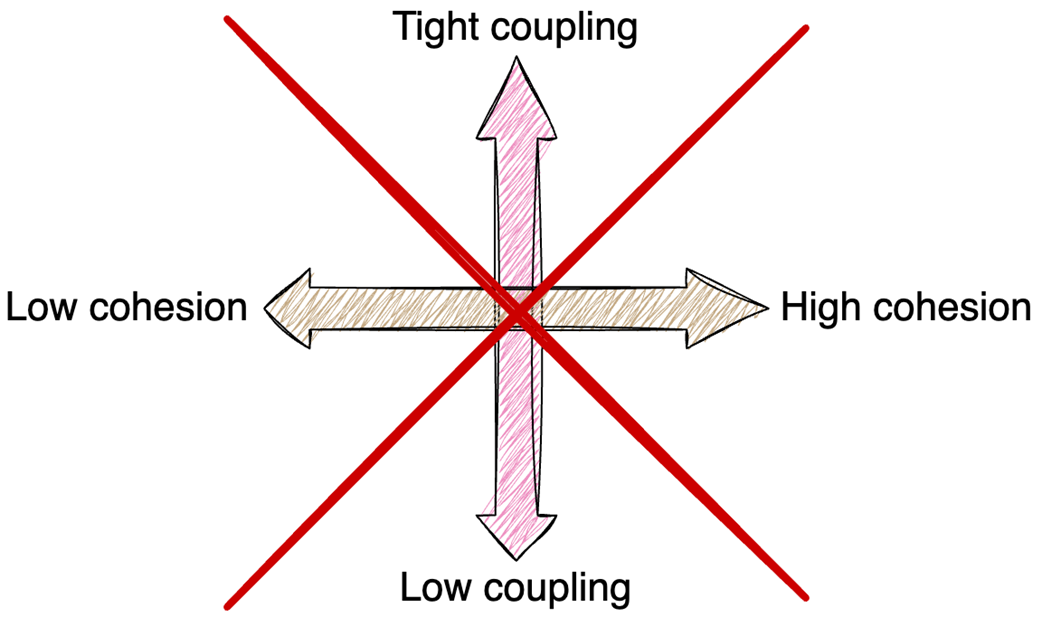
Cohesion describes how well the elements inside a component belong together. High cohesion means a class, module, or function has a clear, focused responsibility. Coupling describes how dependent two components are on each other. Loose coupling means changes in one component have minimal impact on others. Good software design usually aims for high cohesion and low coupling because this improves readability, maintainability, testability, and reusability.
What is controlled growth, and how does the Boy Scout Rule support it?
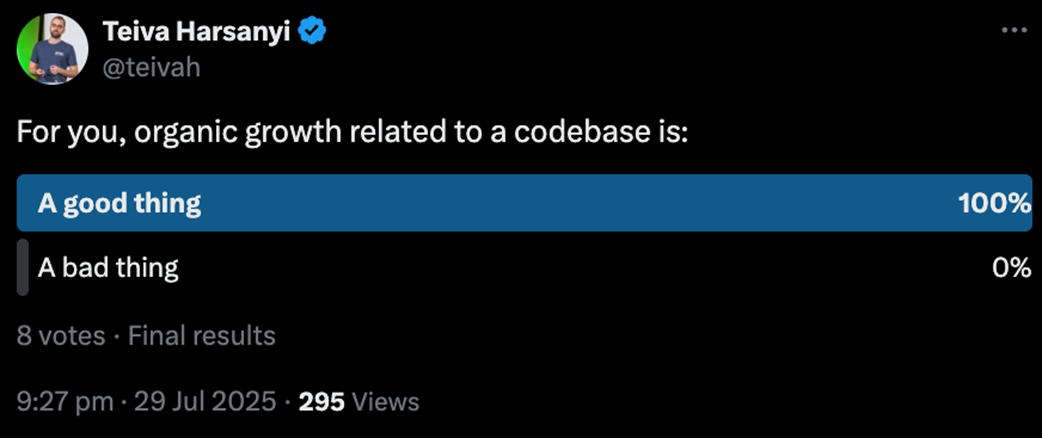
Controlled growth is the deliberate evolution of a codebase according to shared patterns, standards, and team accountability. It contrasts with purely organic growth, where many small ad hoc changes accumulate without direction. The Boy Scout Rule supports controlled growth by encouraging developers to “leave the campground cleaner than they found it”: remove dead code, rename unclear variables, clean up small problems, and make small improvements whenever touching the code.

 The Coder Cafe ebook for free
