Functional programming in this chapter is presented as a practical toolkit for building programs through composition and safety rather than as abstract jargon. The chapter explains how functions can be reshaped for reuse, and how values wrapped in contexts—such as optional values, results that may fail, or lists with multiple elements—can still be transformed cleanly. The central idea is that functional abstractions help developers write pipelines that are easier to reason about, test, and extend while reducing repetitive defensive code.
The first major distinction is between partially applied functions and currying. Partial application means fixing some arguments of a function to create a more specialized function that needs fewer inputs later, which improves reuse and readability. Currying, by contrast, transforms a multi-argument function into a chain of single-argument functions. While currying may seem modest on its own, it becomes especially useful when combined with partial application, because it makes creating reusable function variants more concise and natural.
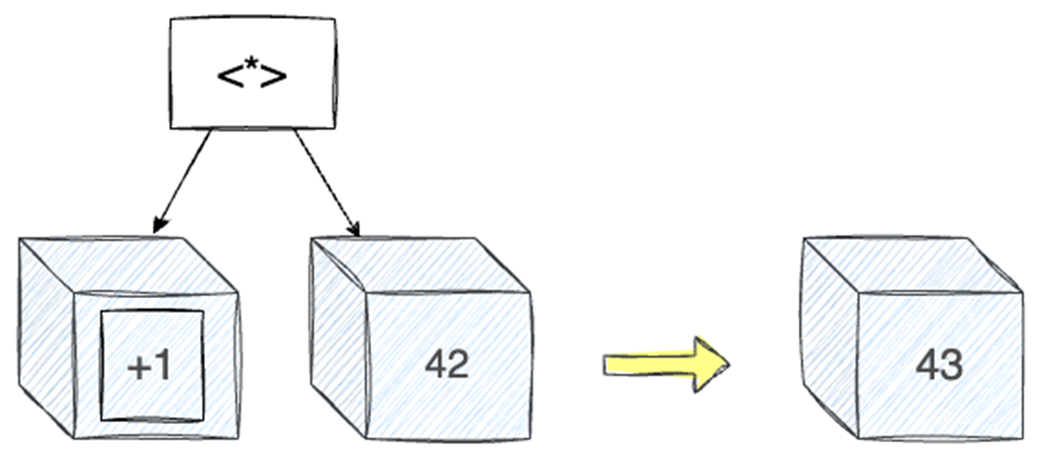
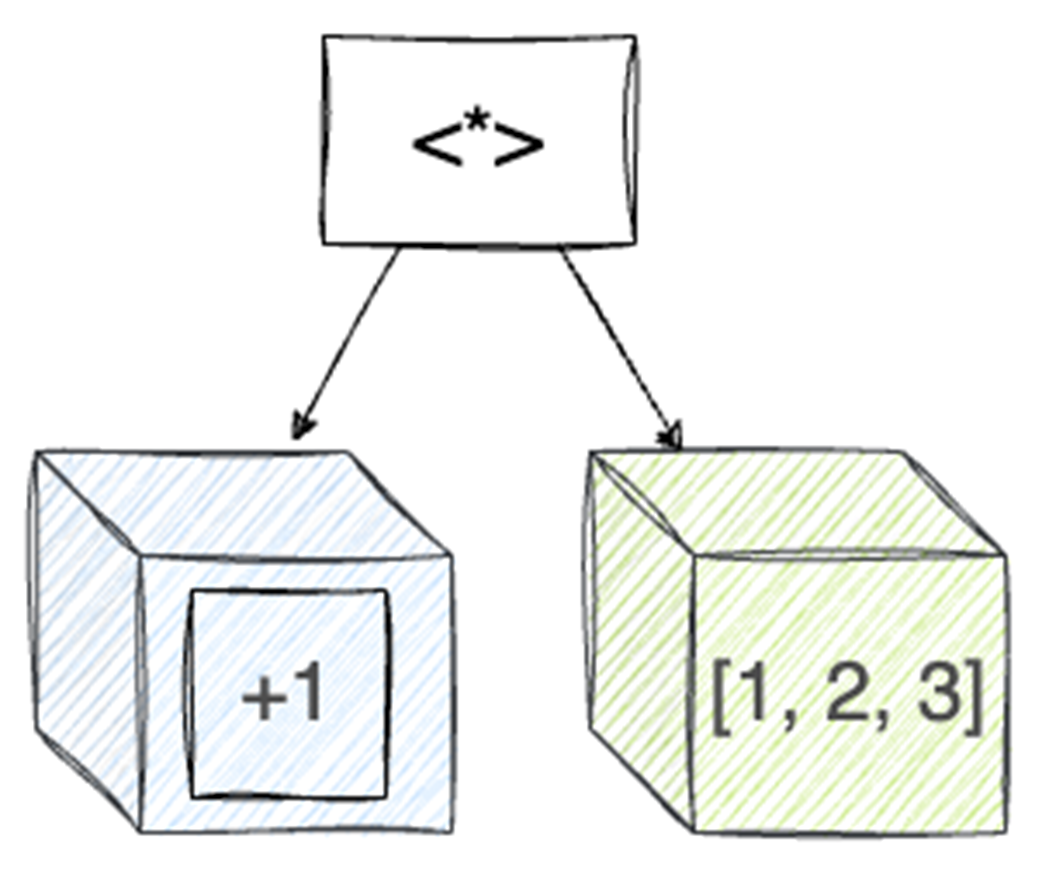
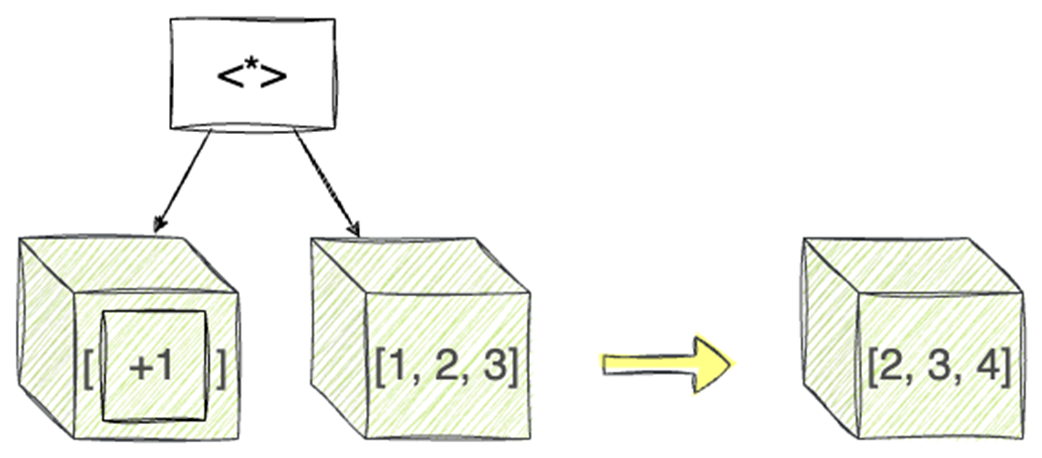
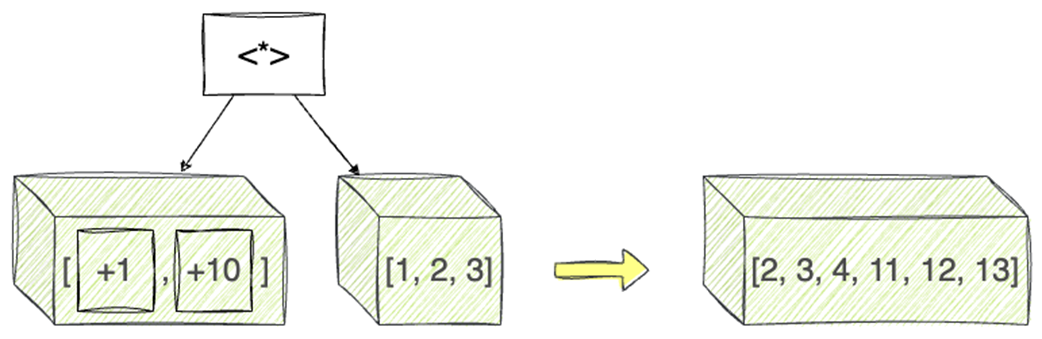
The rest of the chapter builds a progression from functors to applicatives to monads. Functors allow ordinary functions to be applied to values inside a context without changing that context. Applicatives extend this idea by applying functions that are themselves wrapped in the same kind of context, which works well when computations are independent. Monads handle the more complex case where later computations depend on earlier results, using tools such as binding, sequential notation, and value wrapping to compose context-aware operations safely. Together, these abstractions show how functional programming manages optionality, failure, collections, and even side effects through structured composition.
Summary
Partial Application and Currying serve different goals: Partial application creates specialized functions by fixing specific arguments (e.g., turning add(x,y) into add5(y)), while currying transforms a multi-argument function into a chain of single-argument functions (f(x)(y)(z)) to enable fluid composition.
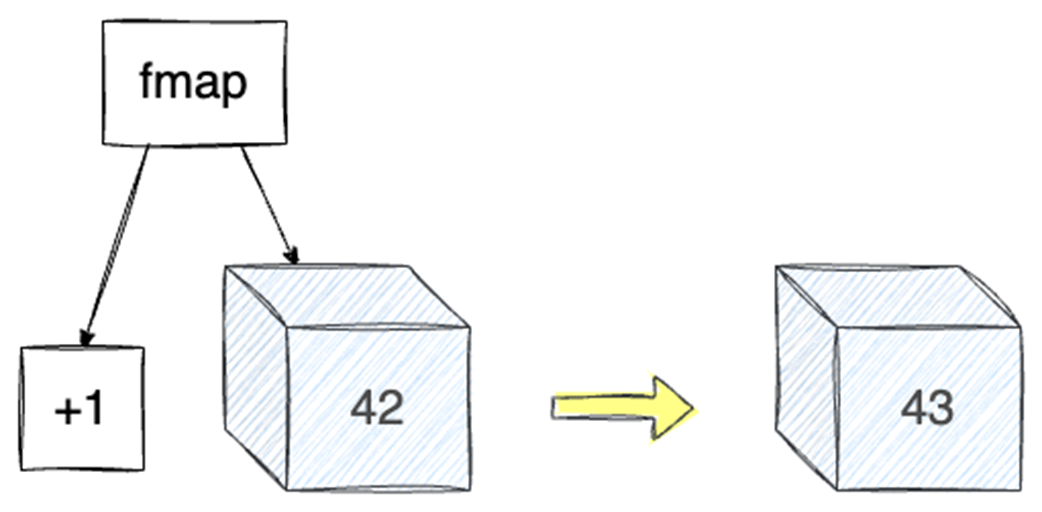
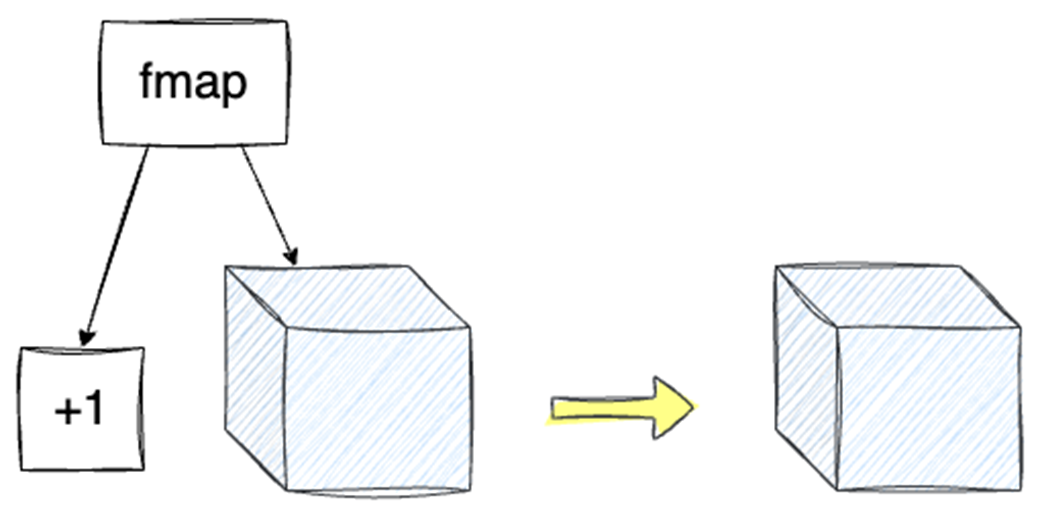
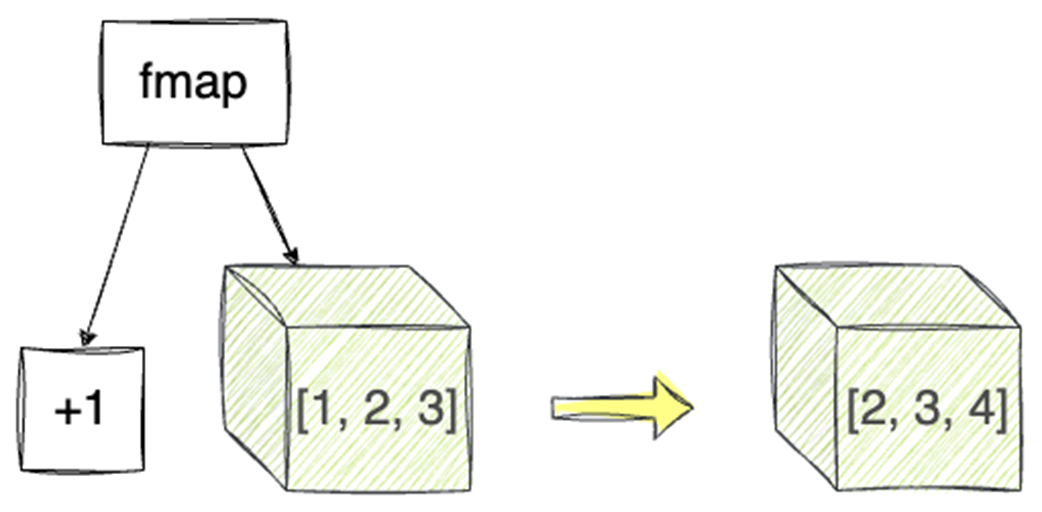
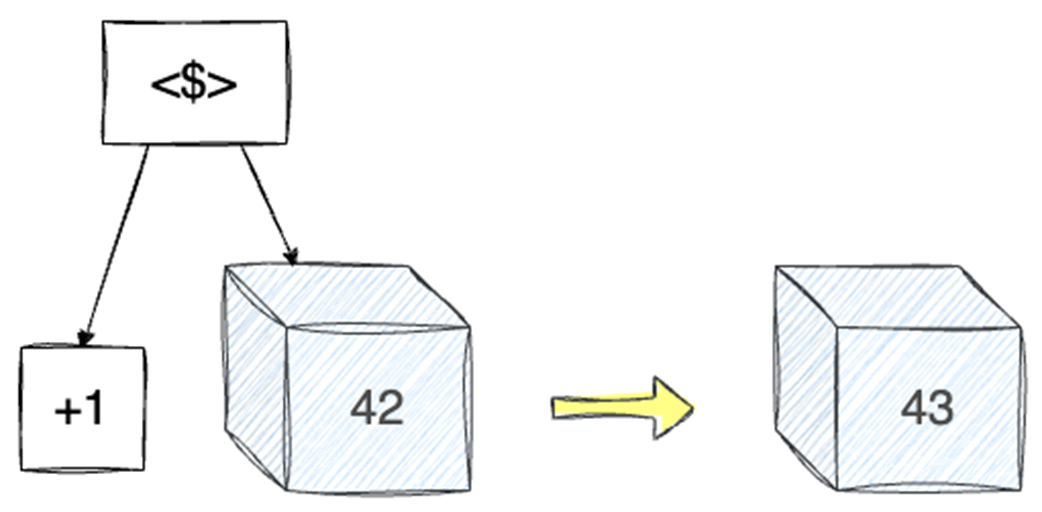
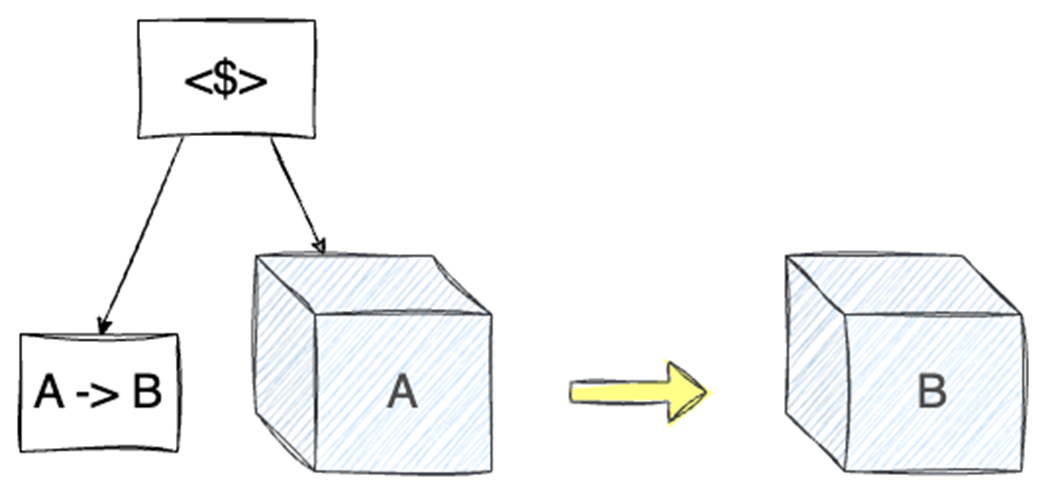
Functors allow mapping over contexts: They provide a standardized way (like fmap) to apply a function to a value trapped inside a container (like Option or List) without manually unwrapping it.
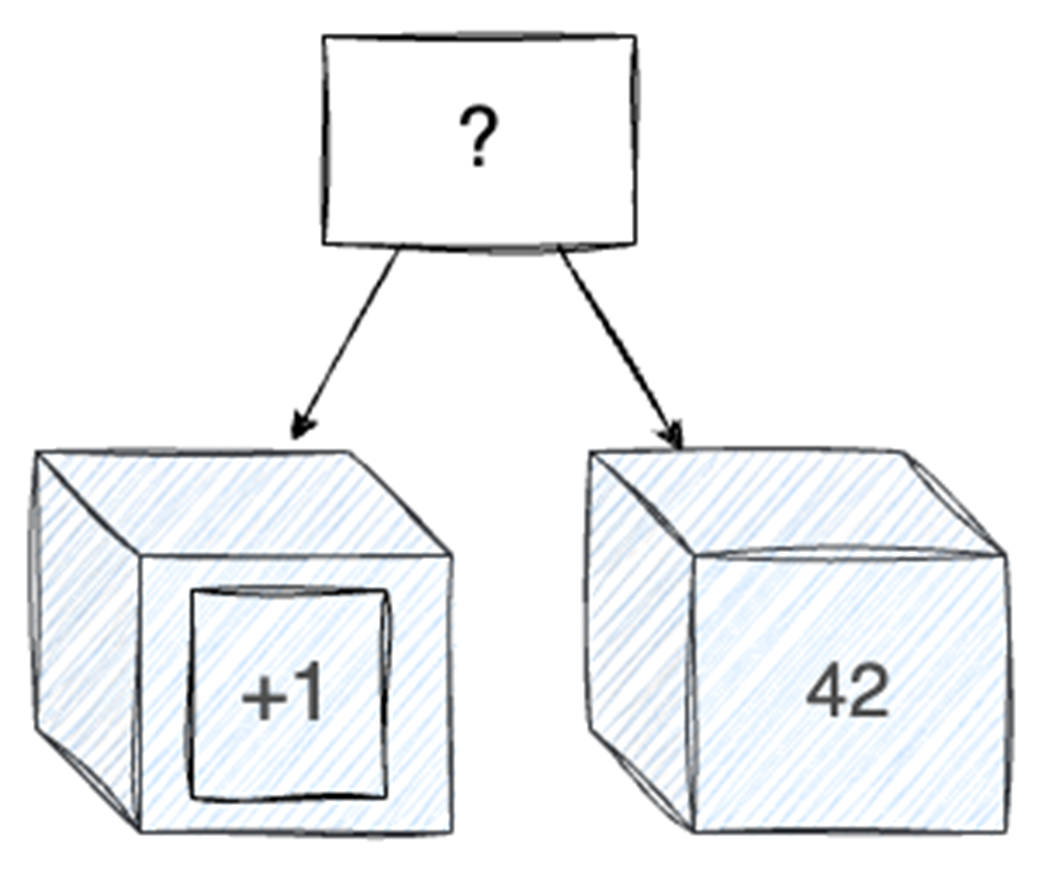
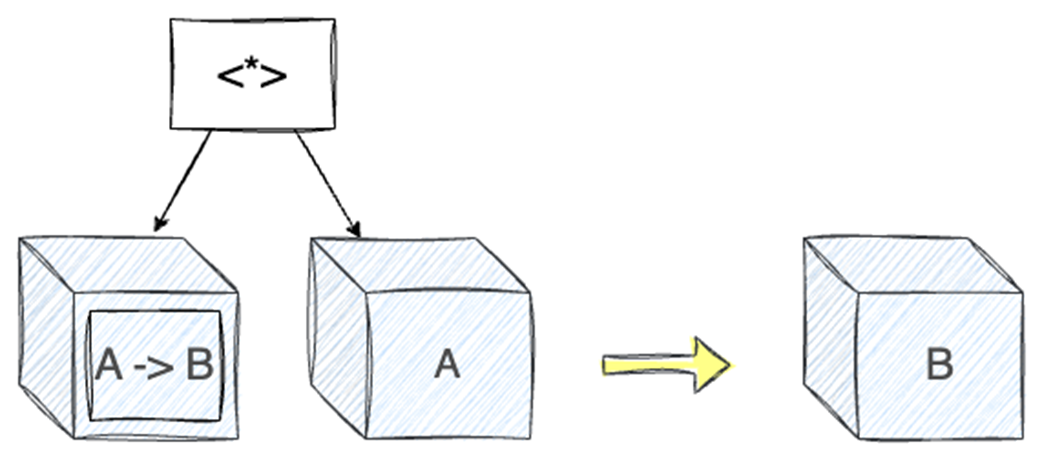
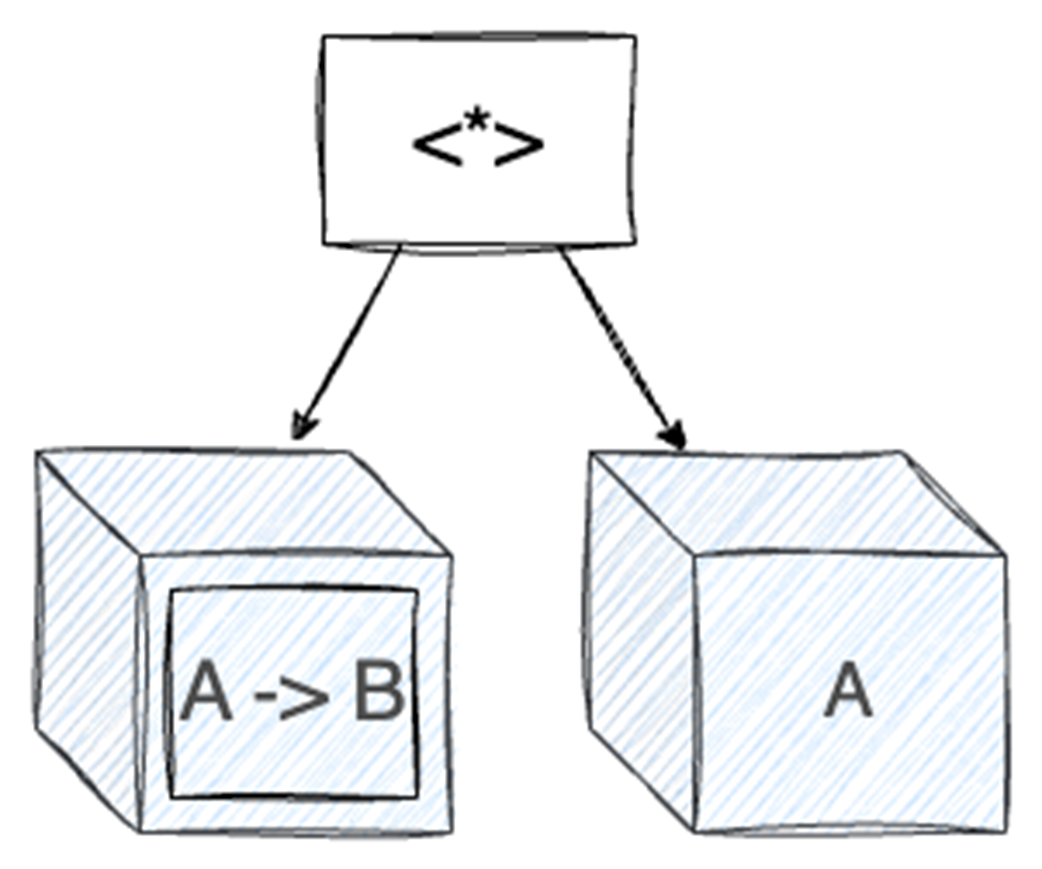
Applicatives handle independent contexts: When you have a function inside a wrapper and a value inside a wrapper, Applicatives allow you to apply the former to the latter. This is critical for combining independent validations or parallel computations.
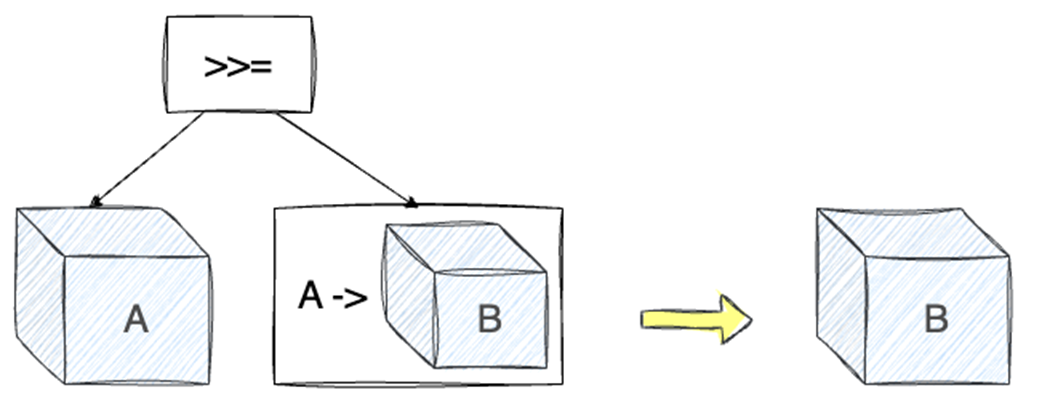
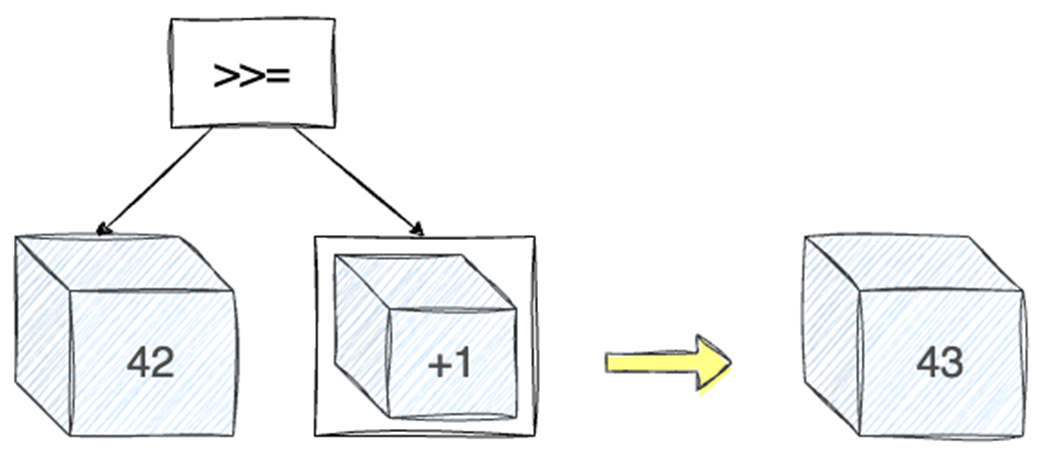
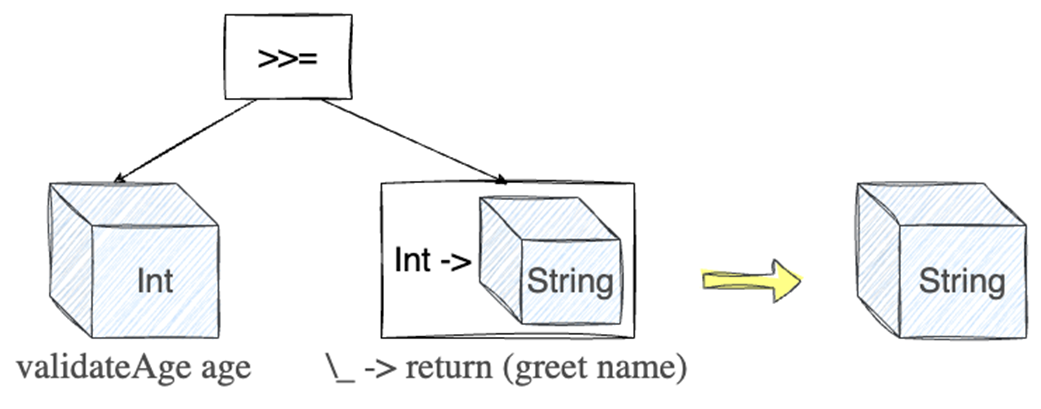
Monads chain dependent operations: Unlike Applicatives, Monads allow the structure of the computation to change based on the result of the previous step. By using the bind operator (>>=), they flatten nested contexts, making them essential for sequential logic like "if the first step succeeds, try the second".
FAQ
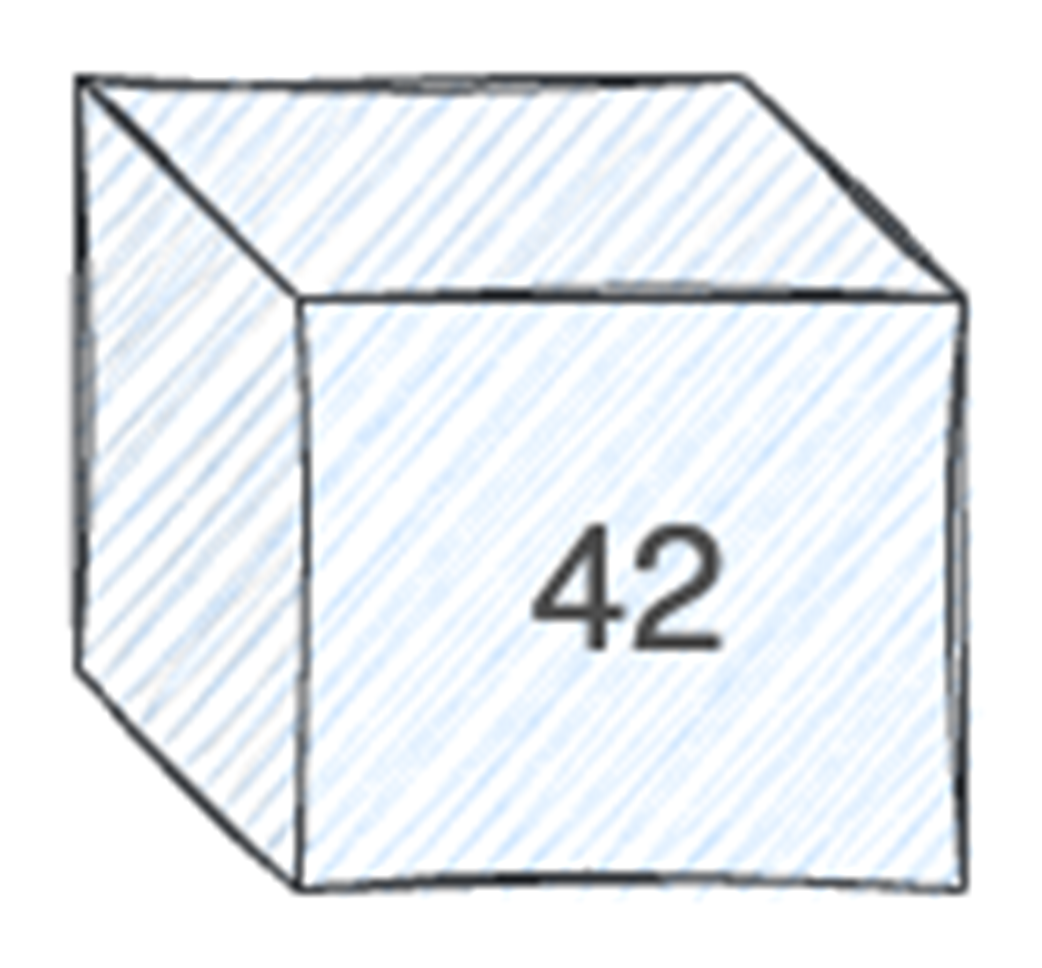
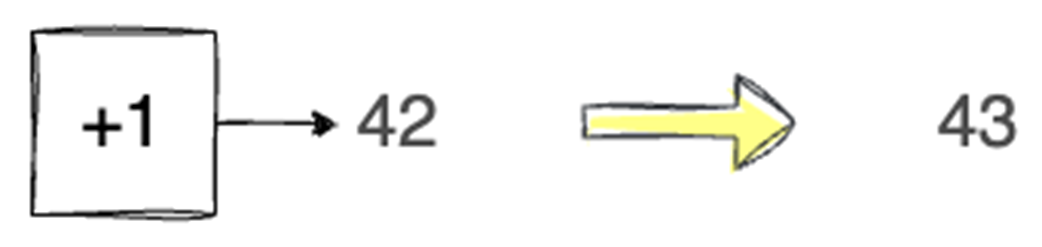
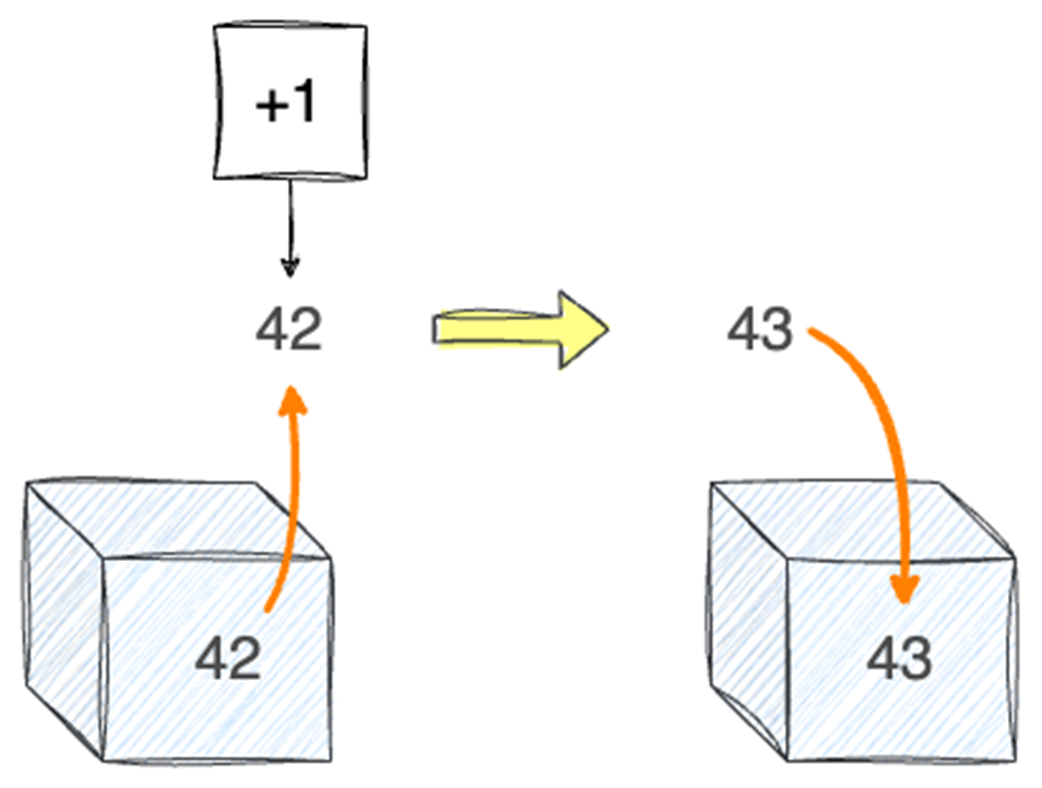
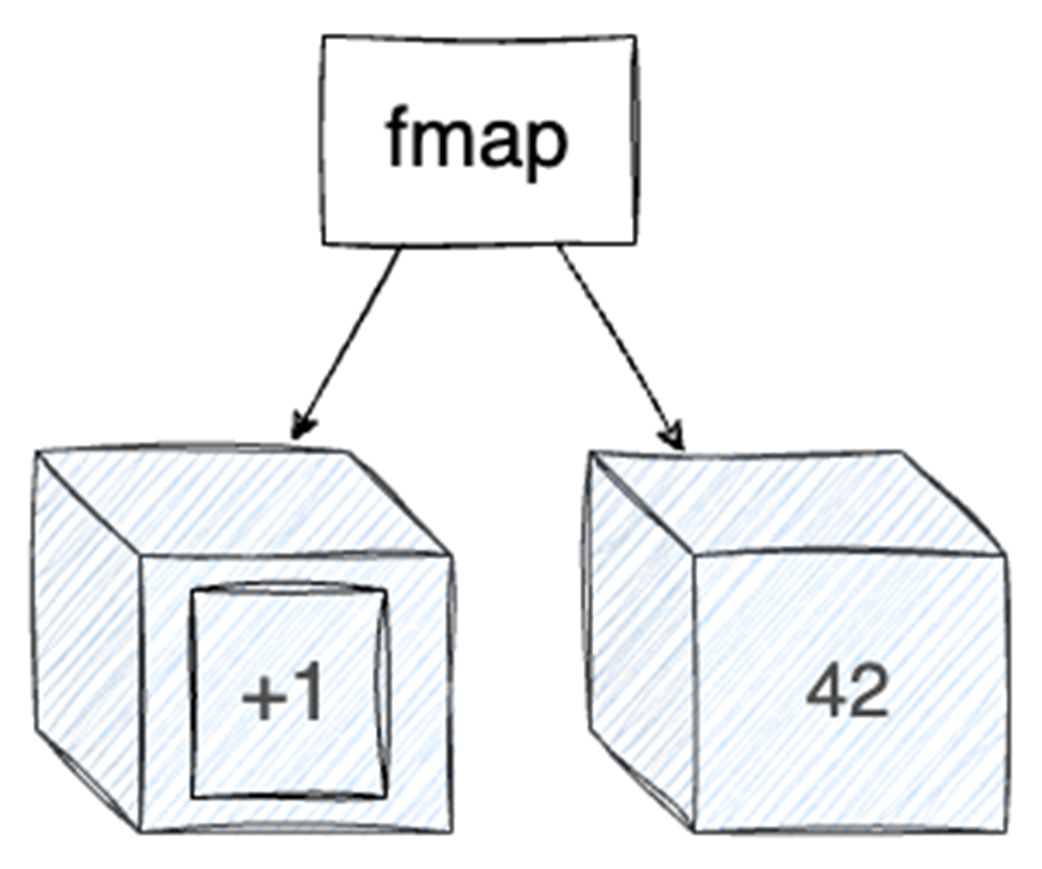
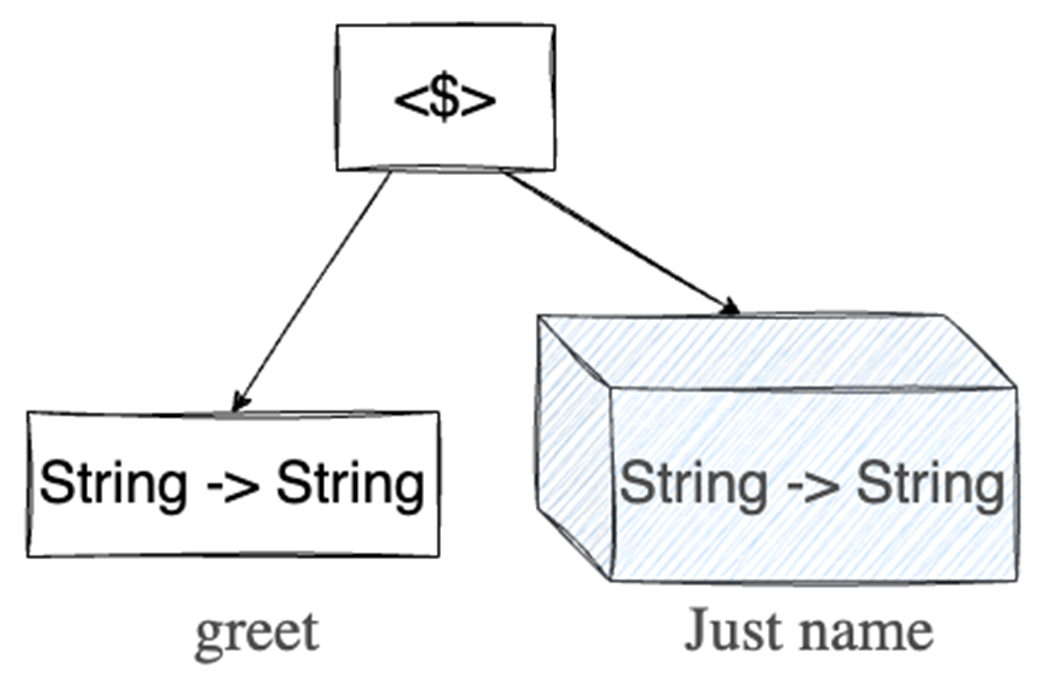
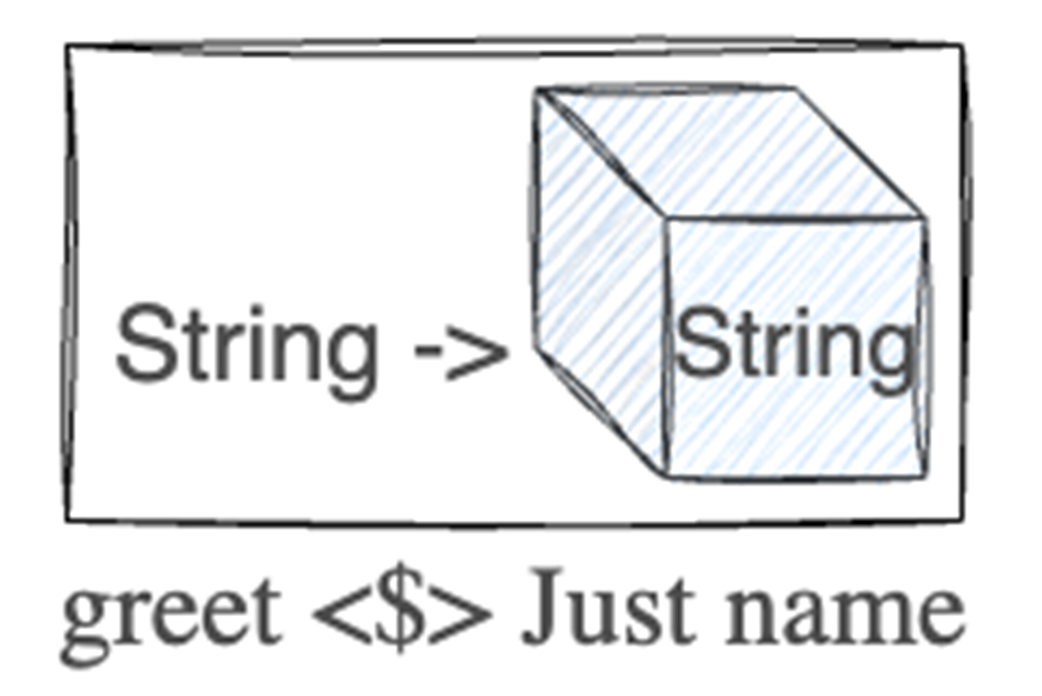
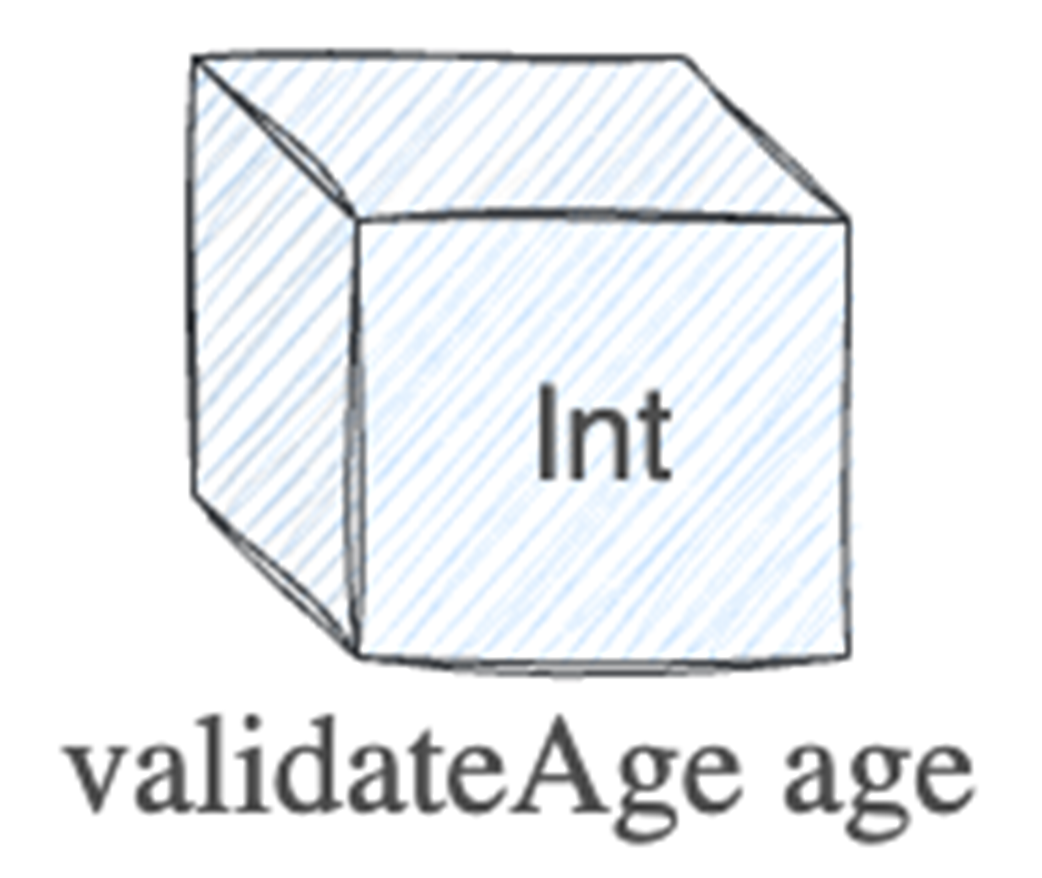
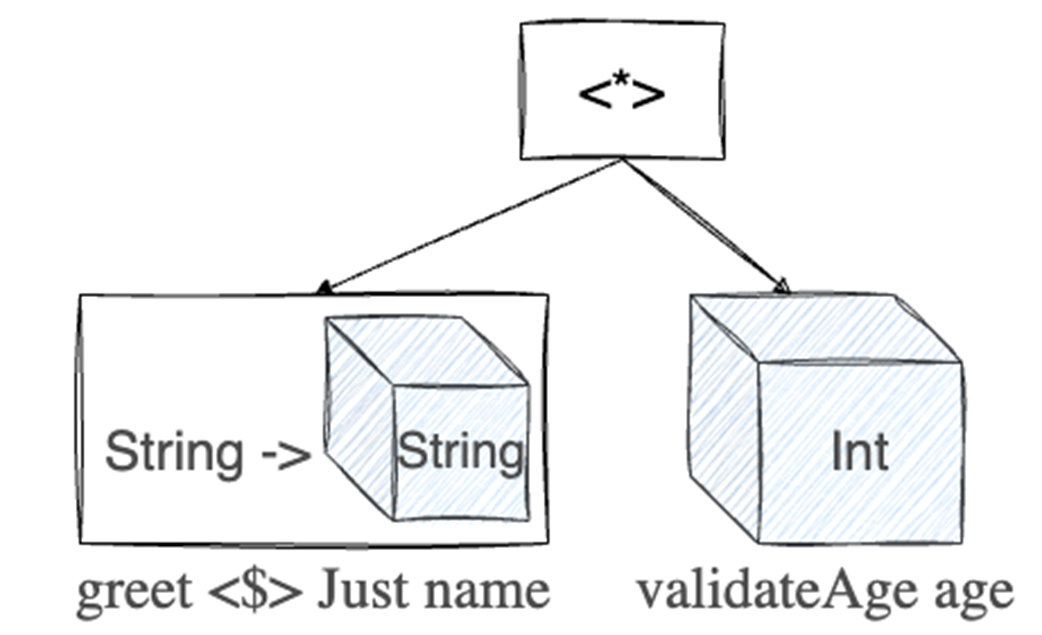
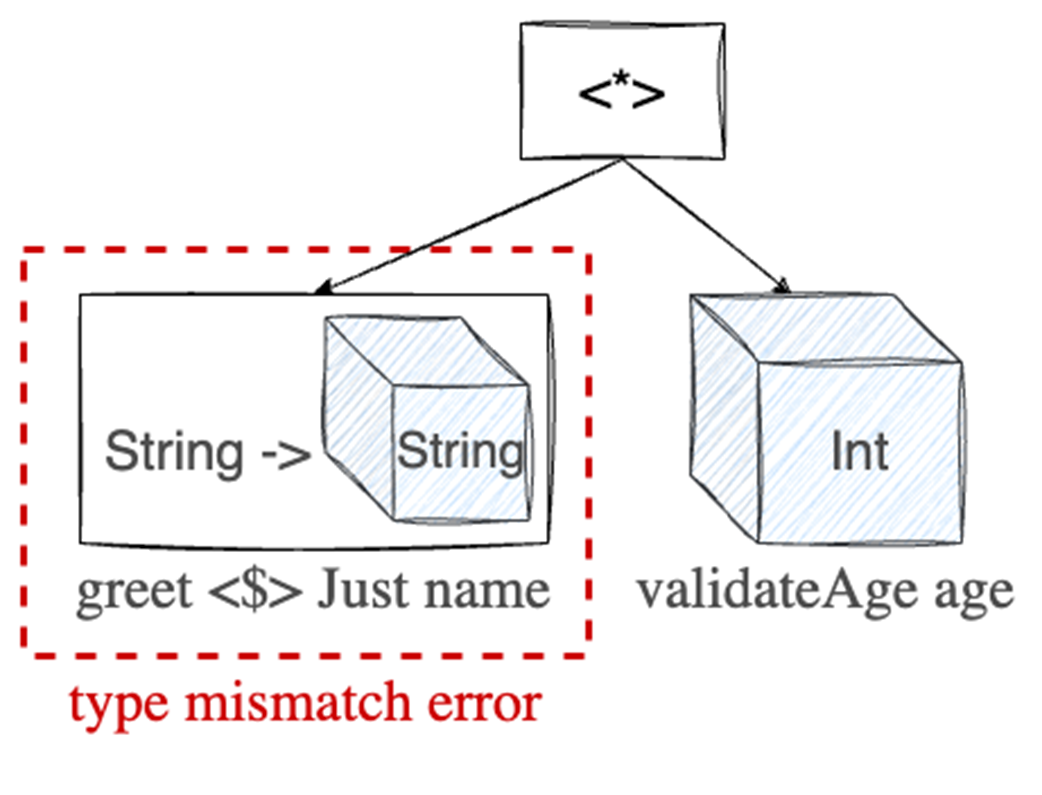
What is the main goal of functional programming in this chapter?Functional programming is presented as a toolkit for composition and safety. It helps developers build complex pipelines from smaller functions while handling missing values, failures, lists, and other contexts without excessive defensive logic.What is the difference between a partially applied function and currying?A partially applied function is created by fixing some arguments of a function, producing a new function that needs fewer arguments. Currying transforms a multi-argument function into a chain of single-argument functions. Partial application is mainly about reuse; currying is mainly about chaining arguments one at a time.How does partial application work in the chapter’s Scala example?Given a function like def add(x: Int, y: Int, z: Int): Int = x + y + z, we can fix the first argument to create addFive: val addFive = add(5, _: Int, _: Int). The underscores are placeholders for arguments supplied later, so addFive(2, 3) computes 5 + 2 + 3.Why is currying useful if it produces the same result as a normal function call?Currying becomes useful when combined with partial application. Instead of writing placeholder-heavy code like add(5, _: Int, _: Int), a curried function allows cleaner syntax such as val addFive = curriedAdd(5). This makes functions easier to specialize and reuse.What is a functor?A functor is an abstraction that lets you apply a normal function to value(s) inside a context without changing the context itself. In Haskell, fmap (+ 1) (Just 42) produces Just 43, while fmap (+ 1) Nothing produces Nothing.What does the “box” analogy mean?The “box” represents a value wrapped in some context. For example, Maybe can represent an optional value, Either or Result can represent success or failure, and lists can represent zero, one, or many values. Functional abstractions help apply functions to values inside these boxes safely.When do functors stop being enough?Functors work when the function is outside the context and the value is inside the context. They are not enough when the function itself is also inside a context, such as Just (+ 1). For that case, we need applicatives.What is an applicative?An applicative lets you apply a function wrapped in a context to a value wrapped in the same context. In Haskell, this is done with the <*> operator: Just (+ 1) <*> Just 42 produces Just 43. Applicatives require the contexts to match.Why do applicatives require the same context?Applicatives are designed for safety. A function inside a Maybe context cannot be directly applied to a value inside a list context. The function and value must be wrapped in the same kind of context, such as Maybe with Maybe or list with list.What problem do monads solve?Monads solve the problem of sequencing dependent operations, where the next step depends on the result and context of the previous step. In Haskell, the >>= operator applies a function that returns a wrapped value to a value already inside the same kind of wrapper. This allows computations such as validating an age before greeting a person, returning Nothing if validation fails.
pro $24.99 per month
access to all Manning books, MEAPs, liveVideos, liveProjects, and audiobooks!





 The Coder Cafe ebook for free
