Overview
2 Narrative code
This chapter presents narrative code as a way to make software easier to read, understand, maintain, and extend by treating code as a story. It argues that clear programs have recognizable plots, meaningful actions, well-named characters, and explicit endings. The central idea is not to replace established practices such as clear naming, small methods, and consistent abstraction, but to frame them through storytelling so developers can better organize complexity and communicate intent.
The chapter identifies recurring programming “plots,” including delivering information beyond system boundaries, cleaning expired or useless data, defending the system through validation and security, archiving data through storage and retrieval, and transforming raw information into something more valuable. It also emphasizes code typography: consistent formatting, naming, structure, documentation, error-handling conventions, and automated tooling help readers focus on meaning rather than presentation. From there, it explains that readable code reduces cognitive load by grouping low-level details into meaningful chunks, using method extraction and clear names to let readers follow the main story instead of reconstructing it line by line.
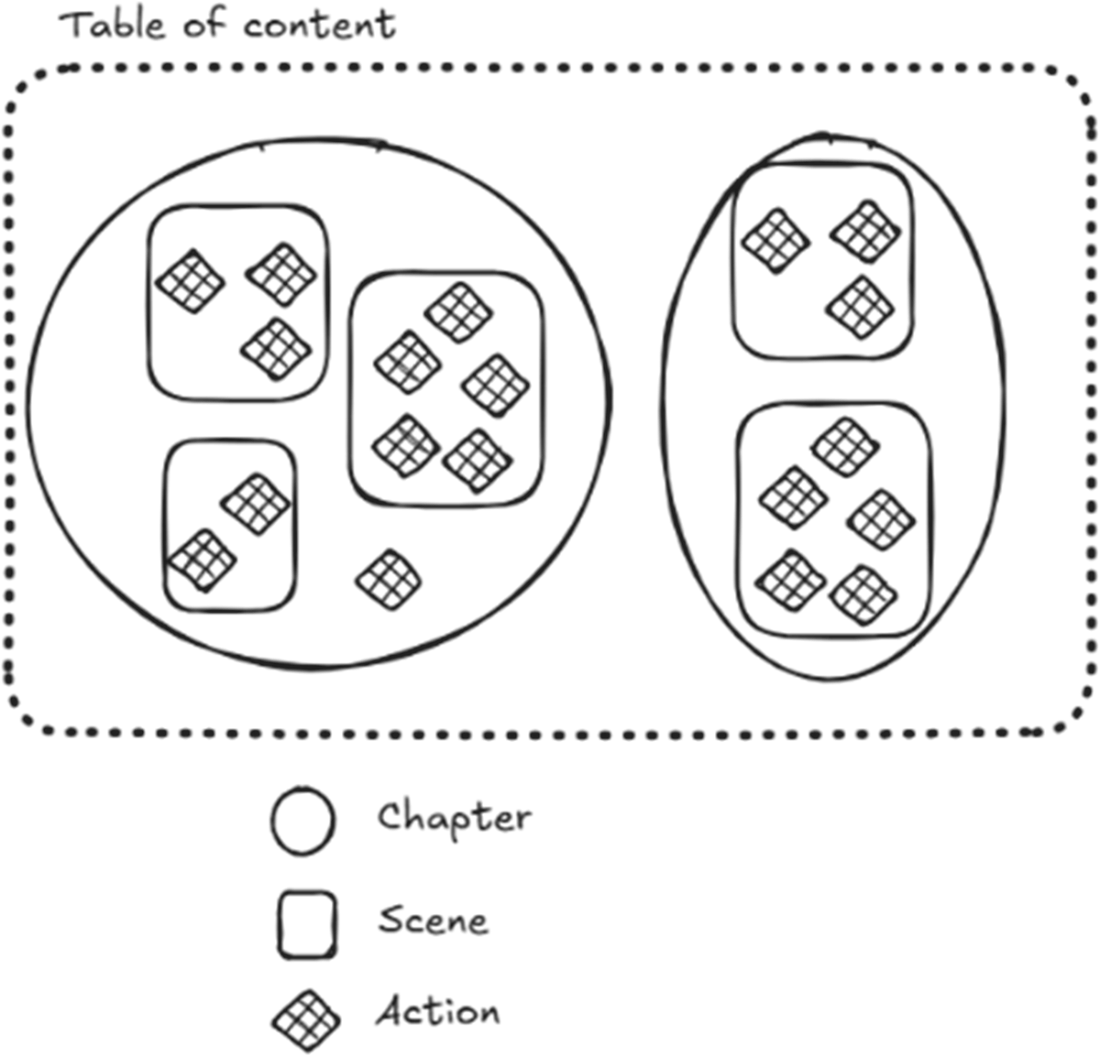
A major technique is organizing methods by narrative level: actions for small low-level operations, scenes for cohesive groups of actions, chapters for high-level business flows, and table-of-contents methods for complex orchestration. The chapter advises splitting methods based on length, responsibility, and simplicity, while avoiding unnecessary fragmentation. It also treats variables as characters: important ones should appear early, secondary ones should stay close to where they are used, names should reveal purpose, and types should be chosen carefully. Finally, every code story should end clearly, with success or explicit failure, proper resource cleanup, and thoughtful error handling; narrative code is most useful for complex business logic and legacy refactoring, but should be applied with judgment.
Summary
- Narrative code follows recurring plot patterns such as Delivering, Cleaning, Archiving, Defense, and Transformation.
- A readable story depends on code typography: consistent formatting and naming are essential for readability.
- Structuring code into actions, scenes, chapters, and table of contents methods reduces cognitive load and makes the logic easier to follow.
- Variables are the characters: introduce them only when needed, name them with intent, and choose the right type for the role.
- A narrative approach leads to code that’s clearer, more maintainable, and easier to evolve.
FAQ
What is narrative code?
Narrative code is code structured like a clear story. It uses meaningful names, consistent abstraction levels, and well-organized methods so readers can quickly understand the purpose, flow, and outcome of the program.Why does the chapter compare code to storytelling?
The chapter argues that every program tells a story: something happens, characters participate, and the story ends in success or failure. When that story is clear, the code becomes easier to read, maintain, debug, and extend.What are the five fundamental plots of programming described in the chapter?
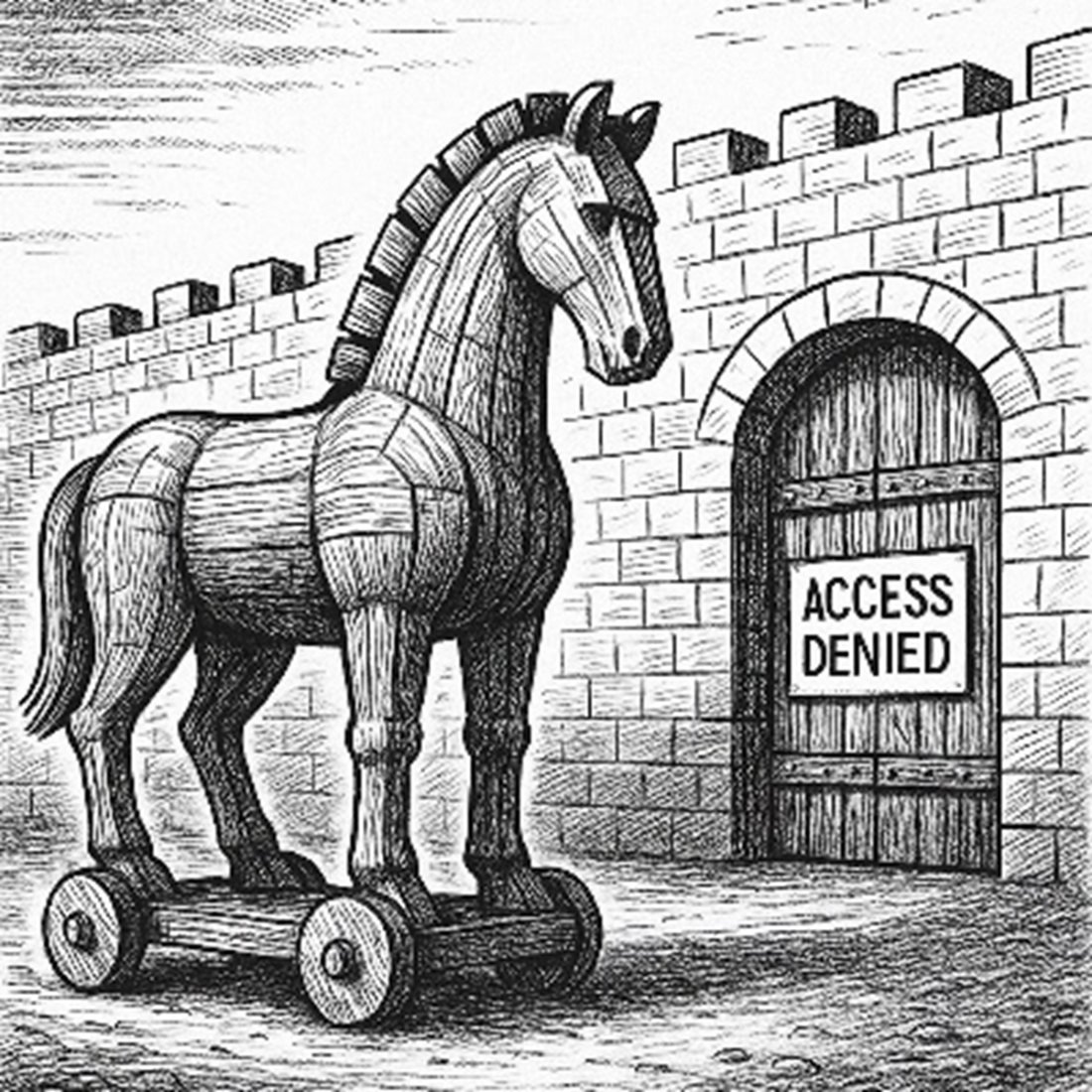
The five common plots are Delivering, Cleaning, Defense, Archiving, and Transformation. They represent recurring patterns in business logic, such as sending data outside the system, removing expired data, validating and protecting inputs, storing and retrieving data, or refining raw data into useful information.What is the Delivering plot?
The Delivering plot is about pushing information beyond the system’s boundaries. Examples include sending an email, submitting a payment to a provider, uploading a file to cloud storage, sending an SMS, or calling an external API.What is the difference between Cleaning and Archiving?
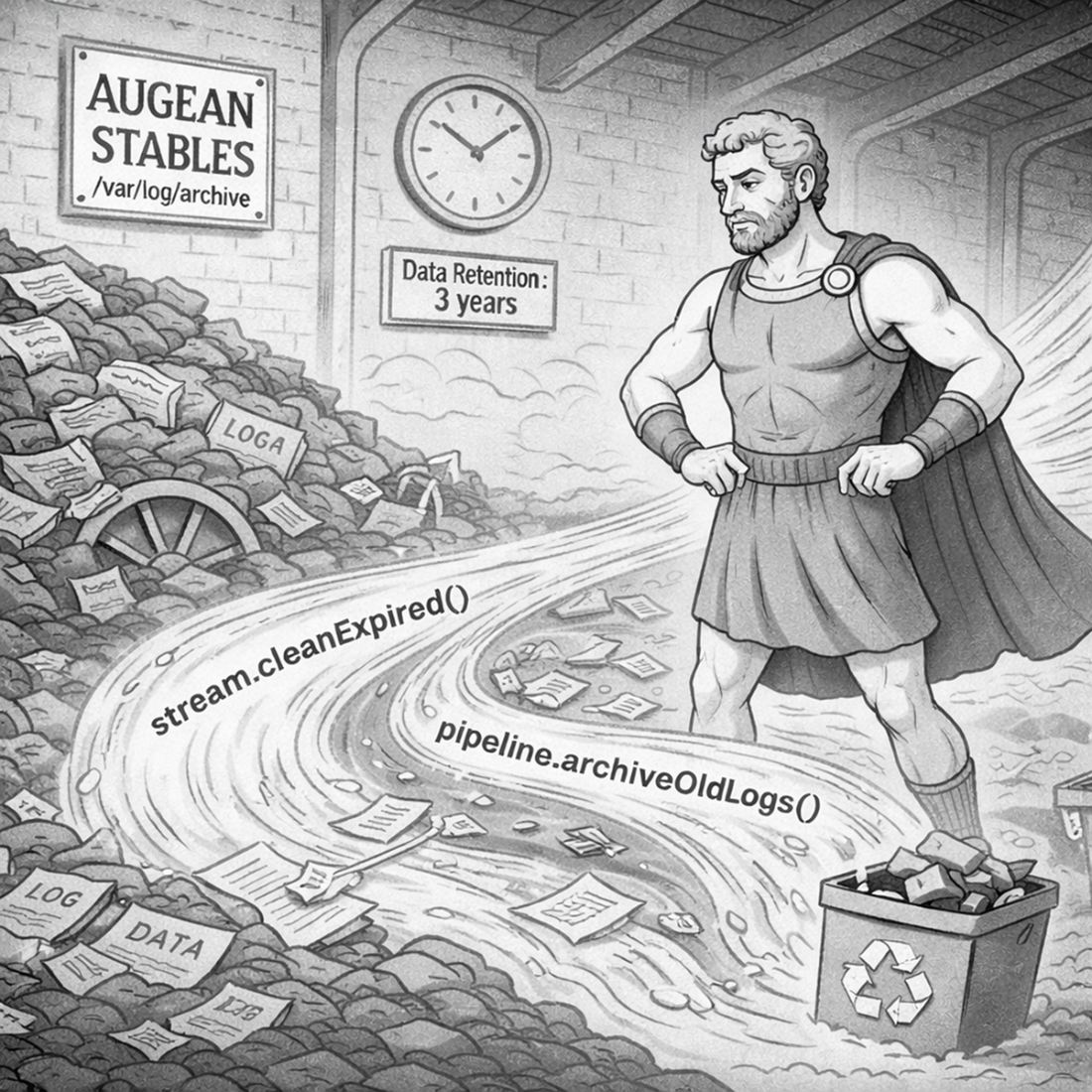
Cleaning removes useless, expired, or unnecessary data or files at runtime, such as deleting old temporary files or deactivated accounts. Archiving is about storing, modifying, deleting, and retrieving data thoughtfully, often through databases, REST APIs, or document stores.What does code typography mean?
Code typography refers to the presentation rules that make code readable: formatting, indentation, line length, brace placement, naming conventions, project structure, comments, documentation, error handling, and testing standards. Good typography does not change what the code does, but it makes the code easier to read.What is chunking, and why is it important for readable code?
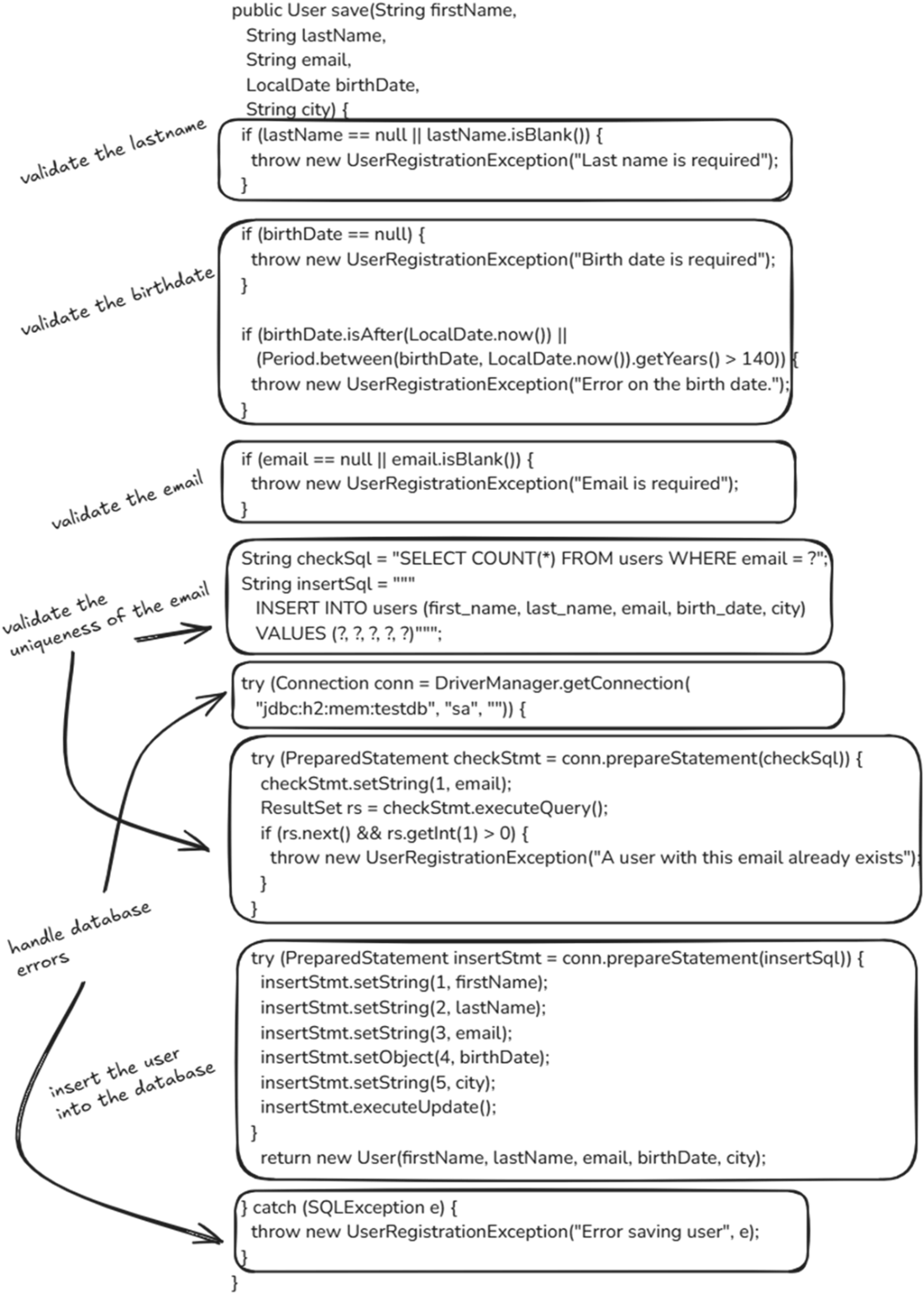
Chunking is the brain’s way of grouping related information into meaningful units. Since working memory can only hold a limited number of chunks at once, code should group low-level details into clearly named methods. This reduces cognitive load and lets readers focus on the main story instead of decoding every line.What are the four narrative levels in code?
The four narrative levels are actions, scenes, chapters, and tables of contents. Actions are small low-level tasks. Scenes group actions into meaningful steps. Chapters orchestrate multiple scenes around a larger goal. Tables of contents organize several chapters to show the full flow of a complex story.How should variables be treated in narrative code?
Variables are the characters of the story. Important variables, or main characters, should be introduced early and used clearly. Secondary variables should be declared close to where they are needed and kept within the smallest useful scope. Variable names should clearly express purpose and use consistent domain vocabulary.How should a code story end?
A code story should end clearly with either success or failure. Success may return useful data or complete silently, such as with a void method. Failure should always be explicit through exceptions, logs, meaningful errors, or fallbacks. Any resources such as files, database connections, or sockets should be properly released before the story ends.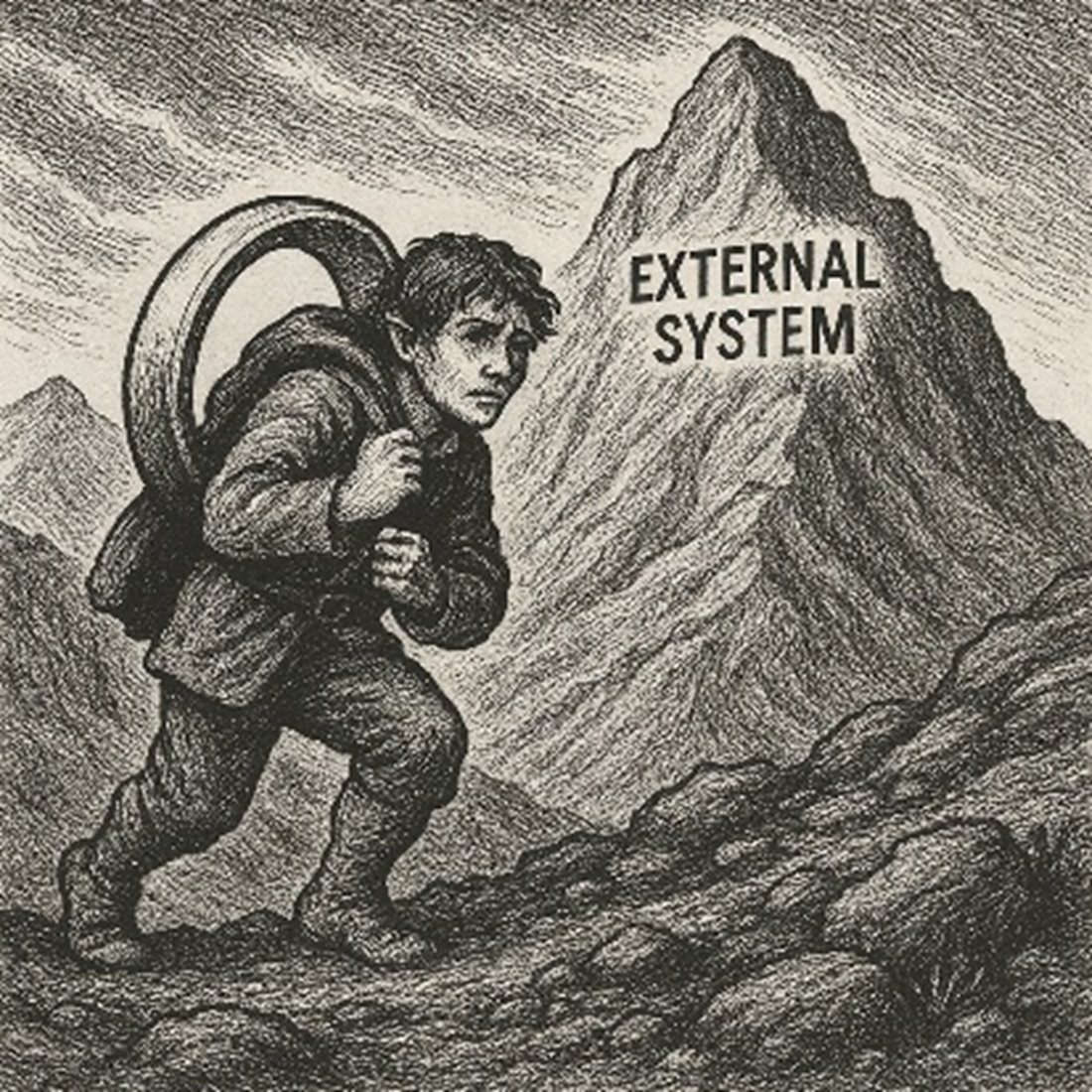



 The Art of Code ebook for free
