4 Predictive AI
Predictive AI underpins many familiar digital experiences by extracting structure, categories, and patterns from large, messy datasets. The chapter argues that while many organizations rush to generative AI, the real foundation for data-driven decisions is predictive AI, which replaces gut-driven choices with evidence from operations, users, and markets. Through the story of Nina, a product manager at a fast-growing fashion e-commerce, it introduces an iterative machine learning lifecycle: translating business questions into ML problems, preparing and understanding data, experimenting with algorithms, defining success metrics, and turning insights into product actions.
Unsupervised learning is used first to explore and segment users by behavior rather than demographics. After careful data aggregation, enrichment, feature engineering, and cleaning—balanced with responsible data use—Nina and her engineering partner test clustering methods (e.g., K-means, hierarchical, density-based), evaluate them with metrics like silhouette and Calinski-Harabasz, and derive actionable segments (e.g., seekers, conservatives, indecisives, champions) and anomalies. To operationalize segmentation at scale, they shift to supervised learning: using cluster labels as training targets, preferring interpretable models like logistic regression over more opaque neural networks, and optimizing performance via the precision–recall trade-off and hyperparameters before deploying automated classification that powers tailored campaigns.
Time series analysis adds the temporal dimension to understand trends, seasonality, and anomalies, enabling better resource planning, forecasting-driven recommendations, targeted seasonal campaigns, and automated alerts for security or performance issues. The chapter closes with personalized recommendations, comparing collaborative filtering, content-based methods, and hybrids, and emphasizes continuous optimization with metrics such as click-through and conversion rates, A/B testing, and explicit or implicit user feedback. Woven throughout is the need for privacy-conscious data practices and ongoing monitoring, positioning predictive AI as the practical backbone for scalable, personalized, and measurable product experiences—and a springboard for later generative capabilities.
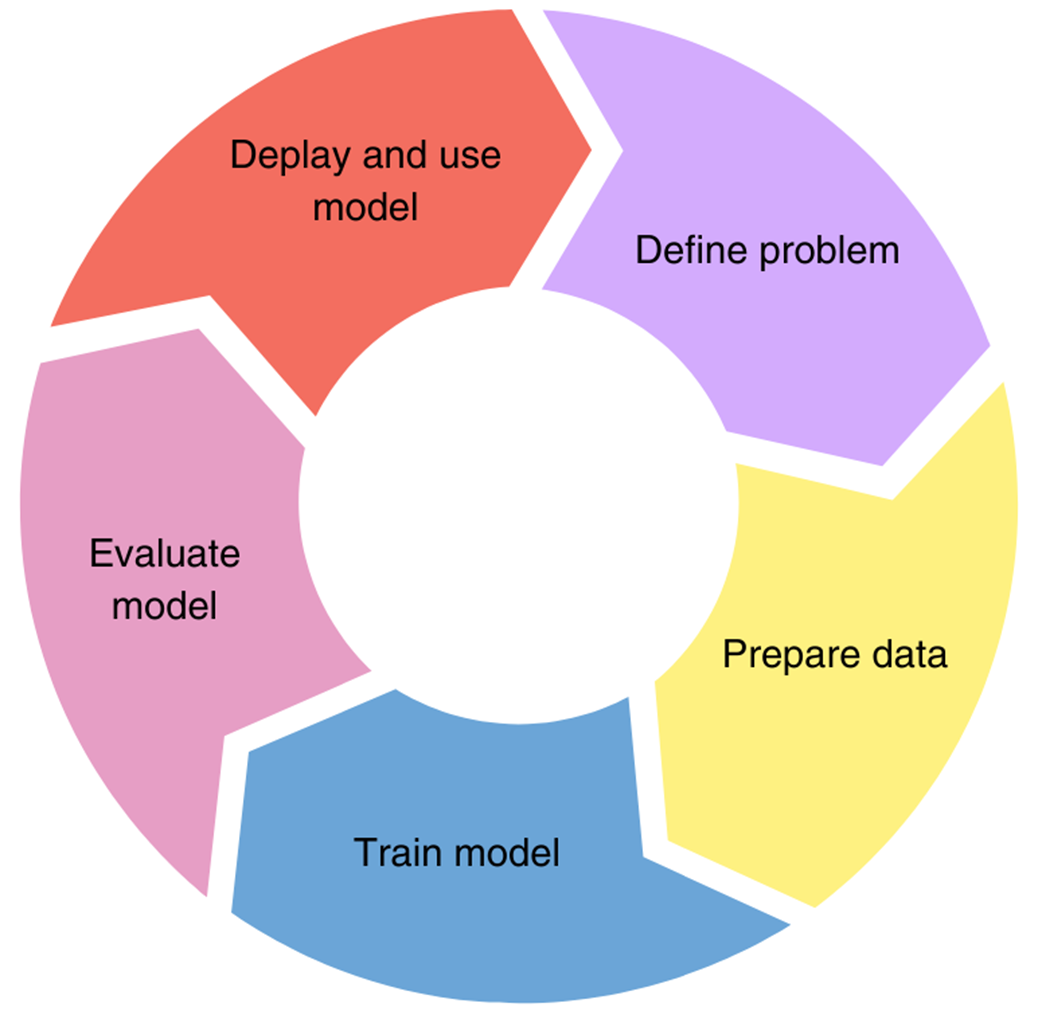
The iterative loop for delivering high-value predictive AI
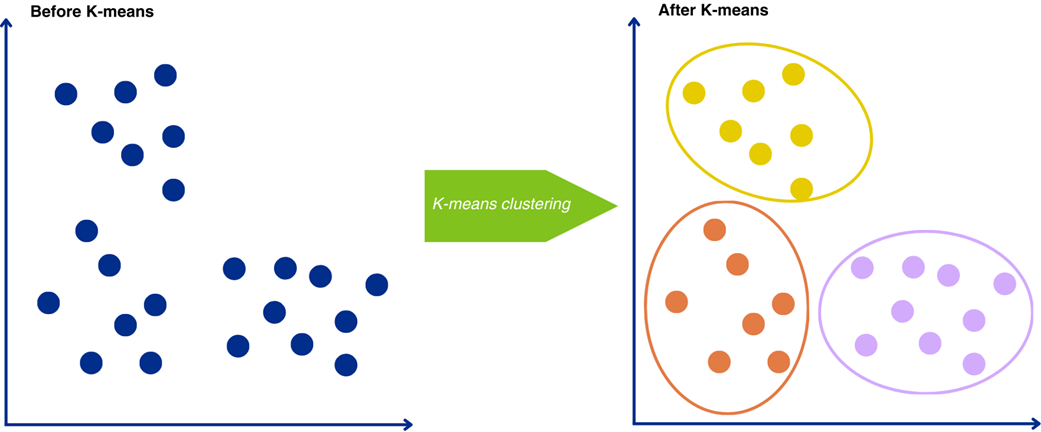
K-means clustering looks for centroids surrounded by an agglomeration of data points.
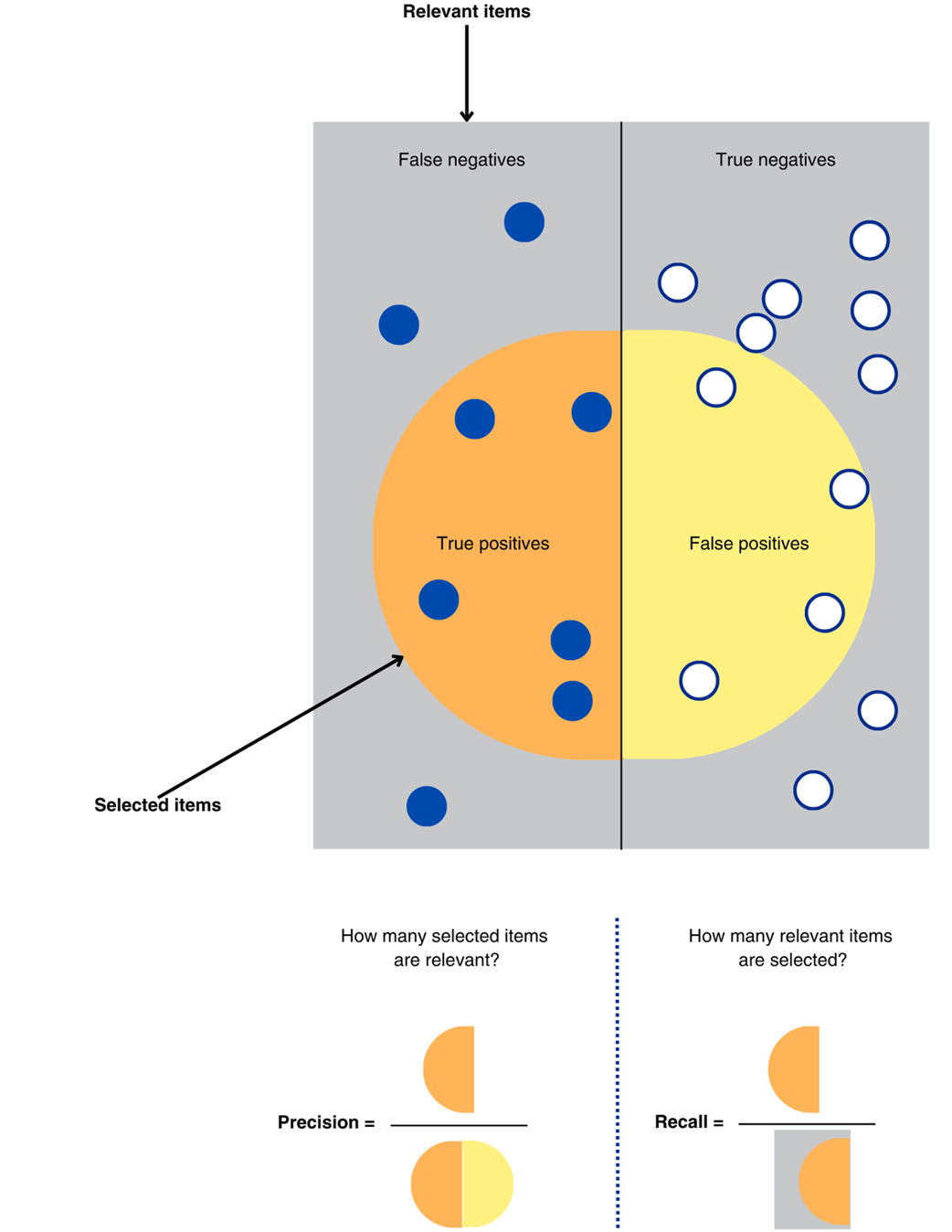
Precision reflects how many of the items classified into a class aren’t actually members of that class. Recall reflects how many members of the class the algorithm fails to classify as such.
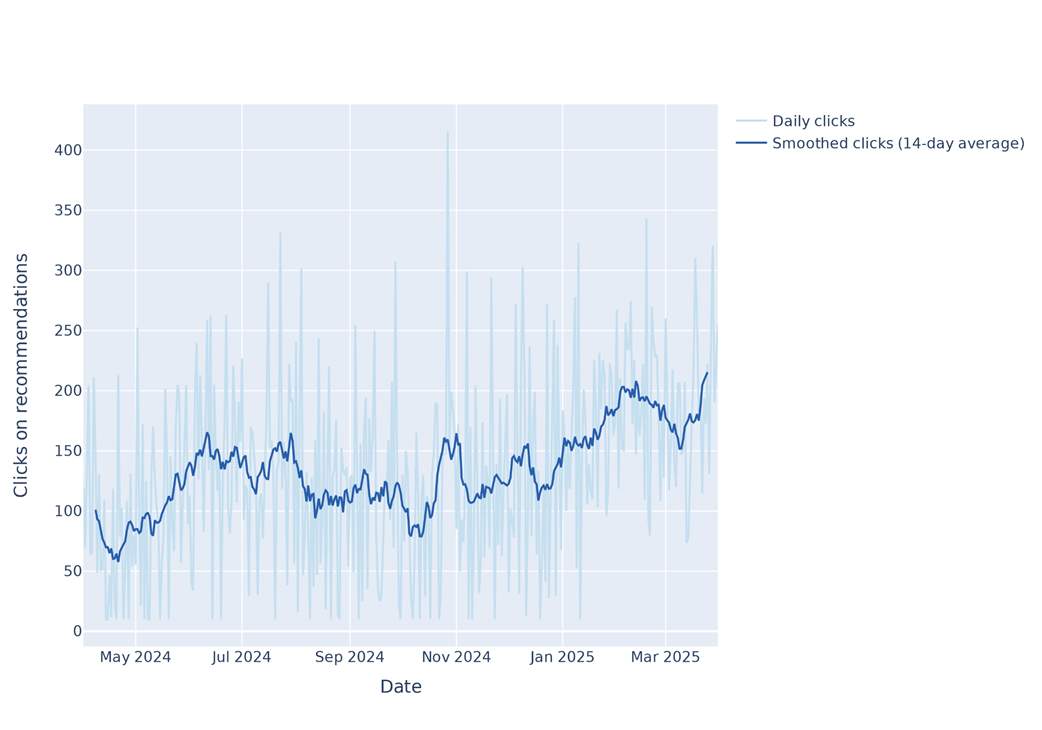
Visualized in its raw form, the shape of a time series is often overwhelming and not interpretable for end users.
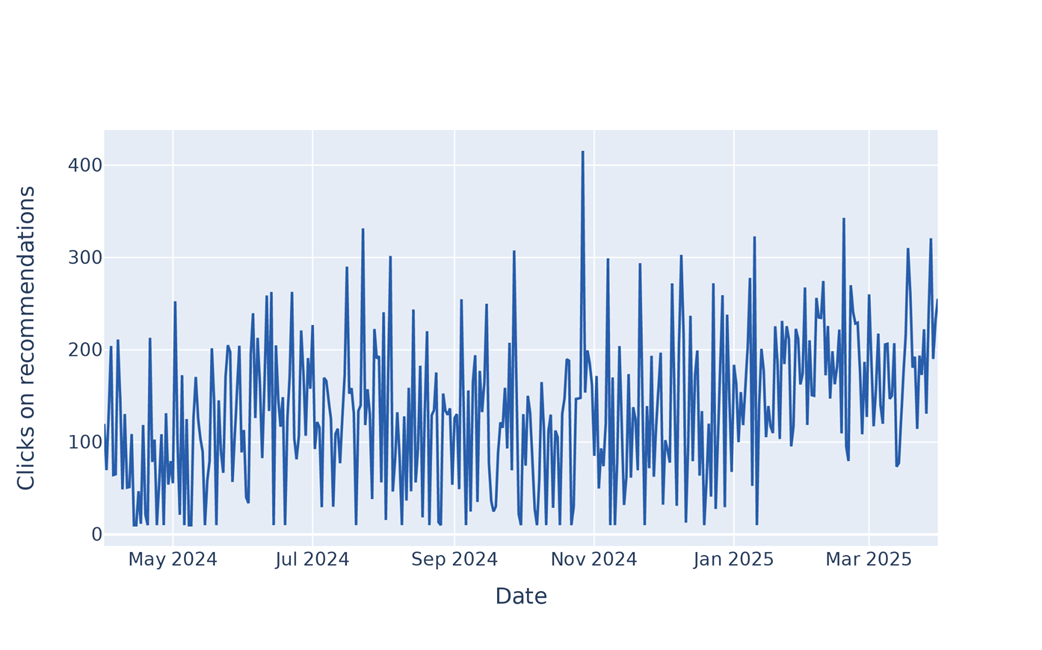
An increasing trend can be discerned after smoothing the raw time series (cf. Figure 4.4).
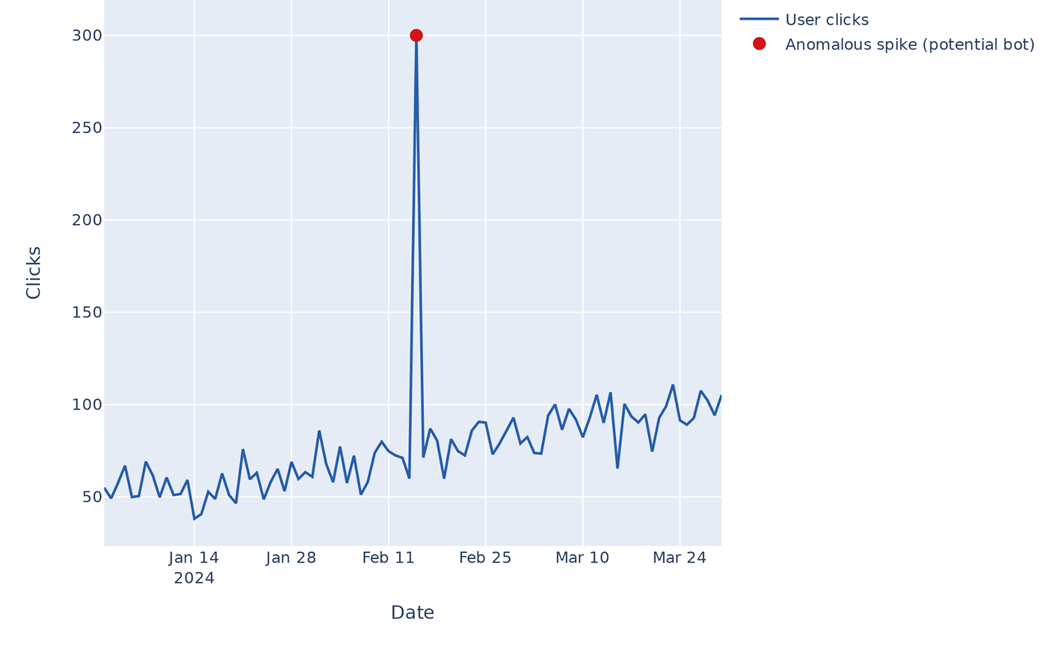
Anomalies can show up as extreme peaks or troughs in the data.
Summary
- Predictive AI helps users gain value from existing data by structuring it and extracting relevant insights.
- Supervised and unsupervised learning are the two main paradigms used to make sense of existing data.
- Supervised learning is by far more widespread in user-facing products. It involves function fitting, approximating the underlying function based on labeled training data, and addressing the challenges of overfitting and underfitting in machine learning.
- Clustering is an unsupervised machine learning algorithm that allows you to bring an initial structure into your dataset. It can be especially useful during the beginning stages of your work with the data.
- Classification is one of the most widespread and versatile tasks in predictive AI. It can be performed by various algorithms, such as logistic regression, neural networks, and decision trees.
- Time series analysis allows us to analyze change over time, which is one of the most important types of knowledge for modern businesses. It can help you distill trends, seasonal patterns, and anomalies that need to be addressed.
- Recommendation algorithms personalize user experiences by suggesting products or other content based on preferences, boosting engagement and sales.
- Collaborative and content-based filtering, which can be combined in the same system, predict user preferences by analyzing behavior and product attributes.
- Continuous optimization through metrics, testing, and feedback is essential for refining recommendation systems and improving their effectiveness.
- AI-driven recommendation systems allow personalization at a large scale, responding to the increasing need for tailored experiences.
FAQ
Why start with predictive AI before jumping into GenAI?
Predictive AI turns your existing data into reliable signals for decisions and operations. Many teams skip it and rely on gut feel, but predictive methods (clustering, classification, time series, recommendations) add objectivity, scale insights beyond human bandwidth, and create the foundation that GenAI can later build on.How does the iterative machine learning lifecycle work in practice?
- Translate product questions into ML problems (e.g., “Who churns?” becomes classification).- Prepare training data: source, aggregate to the right level, engineer features, clean, document.
- Try multiple algorithms (clustering, classification, time series, recsys); set metrics upfront.
- Evaluate, optimize, and repeat; ship insights and actions; monitor and refine.
When should I use unsupervised learning and clustering for behavioral segmentation?
Use clustering when you have data but no labels and need to discover patterns (e.g., user segments). Behavioral features (recommendation clicks, add-to-cart, purchase frequency, profile edits, visits) often reveal more actionable groupings than demographics. Clustering helps identify segments like Seekers, Conservatives, Indecisives, and Champions.What data preparation steps matter most for high-quality clustering, and how do I handle privacy?
- Aggregate event logs to user-level metrics; merge relevant profile context.- Engineer meaningful features; drop weak or noisy ones; scale appropriately.
- Clean duplicates, fix ranges, handle missing values; document transformations.
- Practice data minimization; collect consent; provide transparency and opt-out; exclude sensitive traits unless strictly necessary.
How do I choose and tune a clustering algorithm and the number of clusters?
- Try multiple methods: K-means (simple, requires K), Hierarchical (no preset K, tree view), DBSCAN (density-based, finds arbitrary shapes and outliers).- Evaluate with Silhouette coefficient and Calinski-Harabasz index; iterate on features and preprocessing.
- Select a practical K (e.g., 4–5 segments) that teams can act on without over-segmentation.
How do we act on clustering outputs and deal with anomalies?
- Visualize clusters; label them with clear behavior-driven names; map each to targeted experiences and comms.- Investigate outliers (e.g., bots, anomalous scrapers) and route to security or data quality fixes.
- Document segment definitions so they can be operationalized and maintained over time.
How do we operationalize segments for new users without rerunning clustering?
Train a supervised classifier using the cluster labels as targets. Start with an interpretable baseline (e.g., Logistic Regression) and compare to more complex models (e.g., Neural Networks). Deploy the classifier to auto-assign new users to segments and keep marketing/product flows consistent at scale.What are the key metrics and trade-offs when evaluating classifiers?
- Precision: Of predicted members of a class, how many are correct? High precision reduces false positives.- Recall: Of all true members, how many are captured? High recall reduces false negatives.
- Manage the precision–recall trade-off per segment (e.g., high recall for drop-off-prone segments) and tune hyperparameters to meet business goals.
How does time series analysis help with trends, seasonality, and anomalies?
- Structure: Use event-based (irregular) or metric-based (regular interval) series; ensure enough history.- Trends: Smooth noise to reveal upward/downward movement and prioritize rising items.
- Seasonality: Detect recurring cycles (daily peaks, holidays) to plan staffing, inventory, and campaigns.
- Anomalies: Flag unexpected spikes/drops (e.g., bot activity) for rapid investigation and mitigation.
Which recommendation approaches should I use, and how do I evaluate them?
- Collaborative filtering: user-based or item-based; leverages similar users/items; minimizes need for personal data.- Content-based: recommends by product attributes; helps with cold start.
- Hybrid: combines both for accuracy and diversity.
- Evaluate with CTR, conversion rate, engagement depth; improve via A/B tests, explicit/implicit feedback, and context-aware logic (time, device, season).

 The Art of AI Product Development ebook for free
