The chapter explains that many disappointing model outputs are not caused by the task itself, but by how the prompt is phrased. It introduces three main linguistic controls—precision, directness, and brevity—as practical levers for improving results, reducing trial-and-error, and making prompts more reliable for engineering work. Together, these elements help shape whether the model explores broadly, responds decisively, or produces a compact, usable answer.
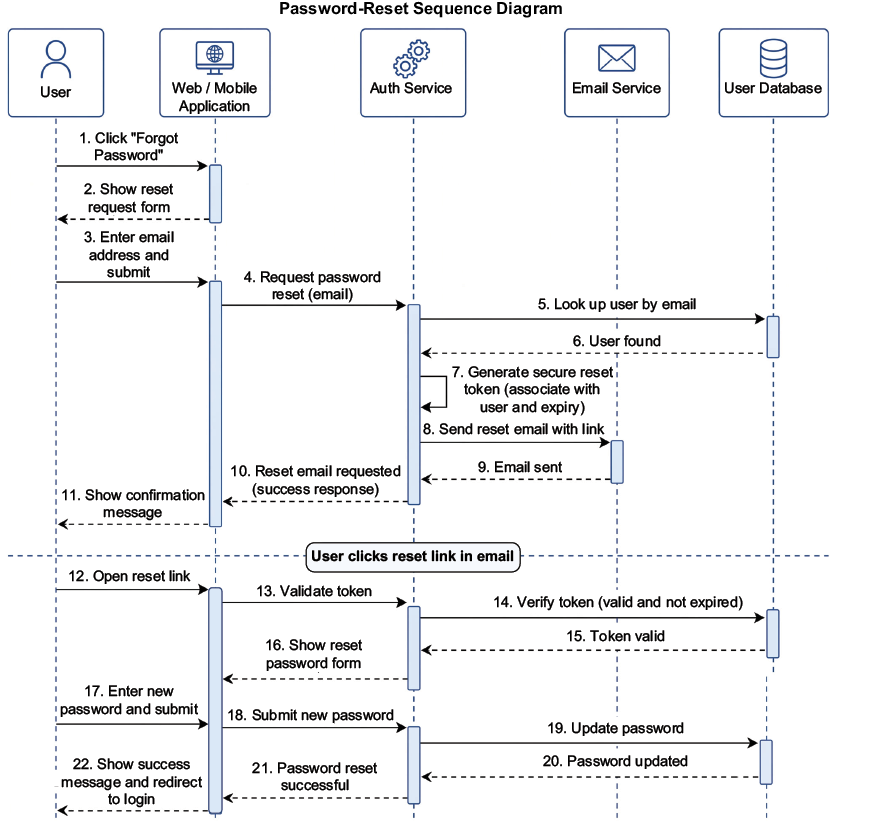
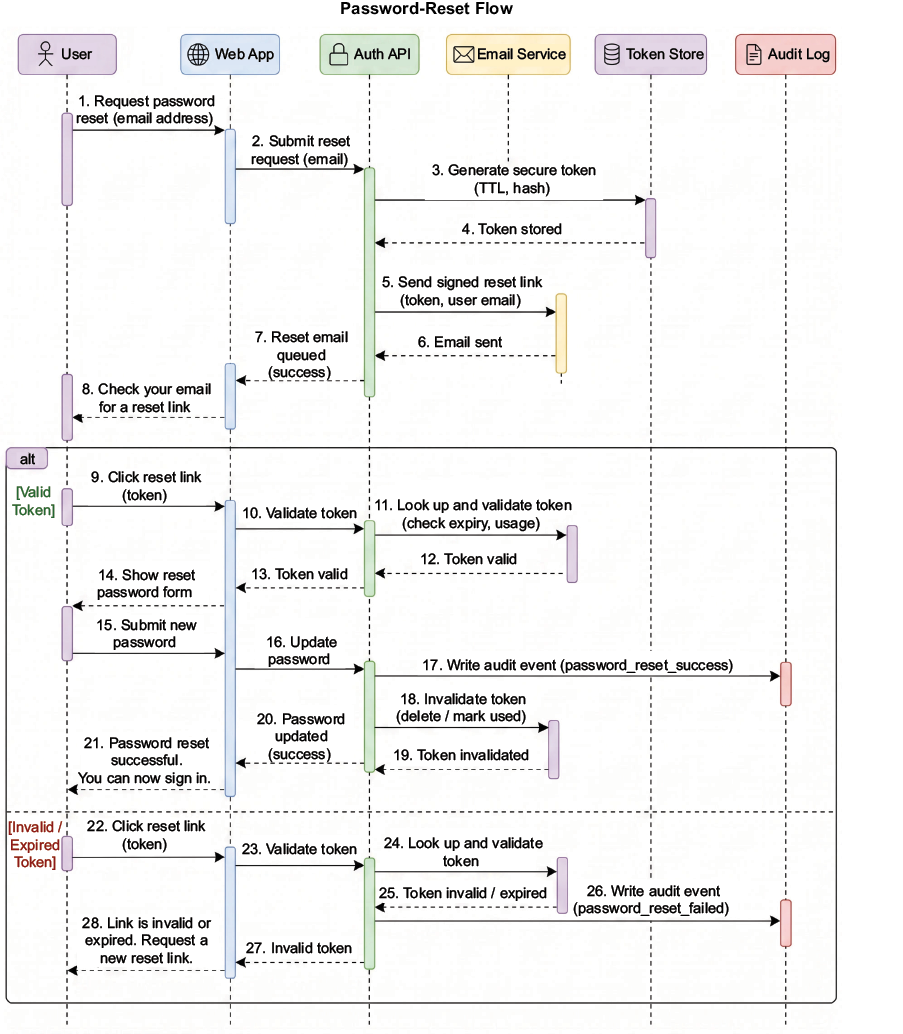
Precision determines how narrowly the model interprets the request: vague prompts invite broader, less predictable outputs, while specific requirements produce more consistent and implementation-ready results. Directness controls whether the instruction is implicit or explicit, with explicit wording generally better for decisions, release readiness, and action-oriented outputs. The chapter illustrates both ideas with examples such as migration notices, API reviews, and sequence diagrams, showing that more targeted language usually improves usefulness, especially when accuracy, structure, and workflow fit matter.
Brevity is presented as a cost and efficiency tool rather than a simple rule that shorter is always better. Minimal prompts work well for routine tasks, but extra detail helps when it adds real constraints or prevents rework. The chapter closes by noting secondary refinements such as tone, framing, and formatting, which can improve alignment once the main controls are set. Its overall message is that better prompts come from deliberate language choices, not random rewriting.
Summary
Higher precision often reduces revision cycles by producing outputs closer to what you need, while lower precision preserves creative range.
Directness is an instruction style: explicit prompts usually produce stronger execution-oriented outputs, while implicit framing supports exploration; this effect is directional, not deterministic.
Verbose prompts often raise cost without improving results; strategic brevity usually performs better, and uncached prompt tokens still matter at scale.
Positive framing, tone calibration, and format choices are polishing tools, not fundamental controls; use them when communication consistency matters.
The biggest win is reducing unnecessary iteration through deliberate language choices that deliver useful results in fewer attempts.
FAQ
What are the three main linguistic elements discussed in Chapter 3?Precision, directness, and brevity are the three primary linguistic elements. Precision controls how specifically requirements are stated, directness controls whether instructions are implicit or explicit, and brevity controls how much wording is used.How does precision affect prompt results?Higher precision narrows the range of plausible outputs and improves consistency, while lower precision allows more variation and can be useful for brainstorming. Precision is especially important when accuracy, system fit, or repeatability matter.When should I use high precision in a prompt?Use high precision when outputs must fit existing systems, formats, or workflows, when multiple people need consistent results, when clear success criteria already exist, or when revision cycles are costly.What are the trade-offs of using higher precision?Higher precision usually improves reliability, but it can also increase prompt length, token cost, and the risk of failure if requirements are unclear or conflicting. It works best when the task is already well understood.What is the difference between directness and precision?Precision is about how specific the content is, while directness is about instruction style. A prompt can be precise but still indirect, or explicit but not very detailed.When is an explicit prompt better than an implicit one?An explicit prompt is better when you need the response organized around a decision, ownership, or next actions. It is often safer for consistent, execution-ready results, especially in technical or operational tasks.When are implicit prompts useful?Implicit prompts are useful when you want the model to reason through options, explore possibilities, or surface considerations in a conversational way. They are often better for brainstorming and exploratory analysis.How does brevity improve prompt design?Brevity reduces unnecessary tokens and can improve efficiency without sacrificing quality, as long as the prompt still includes the concrete constraints needed for the task. The goal is minimum effective prompt length.When does a longer prompt help instead of hurt?A longer prompt helps when it adds concrete constraints, required steps, or success criteria that improve reliability. Extra detail is justified for specialized or high-stakes tasks where rework would be costly.What secondary linguistic refinements does the chapter mention?The chapter highlights positive versus negative framing, tone and register calibration, and question versus statement formatting. These are secondary refinements used to align output tone, emphasis, and format after precision, directness, and brevity are set.
pro $24.99 per month
access to all Manning books, MEAPs, liveVideos, liveProjects, and audiobooks!

 Prompt Engineering in Practice ebook for free
