9 Better Image Generation with Flux
This chapter introduces Flux as a major new diffusion model in the Stable Diffusion ecosystem and uses it to show how much image generation has advanced. The author frames Flux as both a continuation of earlier models and something meaningfully new, then revisits familiar prompts to compare results across generations of models. The goal is not just to praise Flux, but to use it as a concrete example for thinking about what makes a model genuinely better.
Across several tests, Flux stands out for producing higher-quality images with striking reliability. It generates more realistic coffee photos, handles human anatomy far better than SD 1.5 and SDXL, renders text on objects much more accurately, and follows complex prompts with much stronger adherence. A key point is that these results often appear on the first generation, which matters when evaluating models because impressive outputs can be misleading if they require many attempts. The chapter argues that model quality should be judged by both output quality and how easily that quality is achieved.
At the same time, the chapter explains why older Stable Diffusion models still matter. Flux is demanding to run and even harder to fine-tune, while SD 1.5 and SDXL remain more accessible on consumer hardware and have large ecosystems of checkpoints and stylistic tools. The biggest weakness of Flux highlighted here is style control: older models can better capture specific artistic looks, such as medieval illumination, even when Flux wins on realism and prompt accuracy. The broader lesson is that choosing a model depends on the task, hardware, and desired aesthetic, so evaluating new models means balancing capability, cost, and community adoption rather than chasing the newest release blindly.
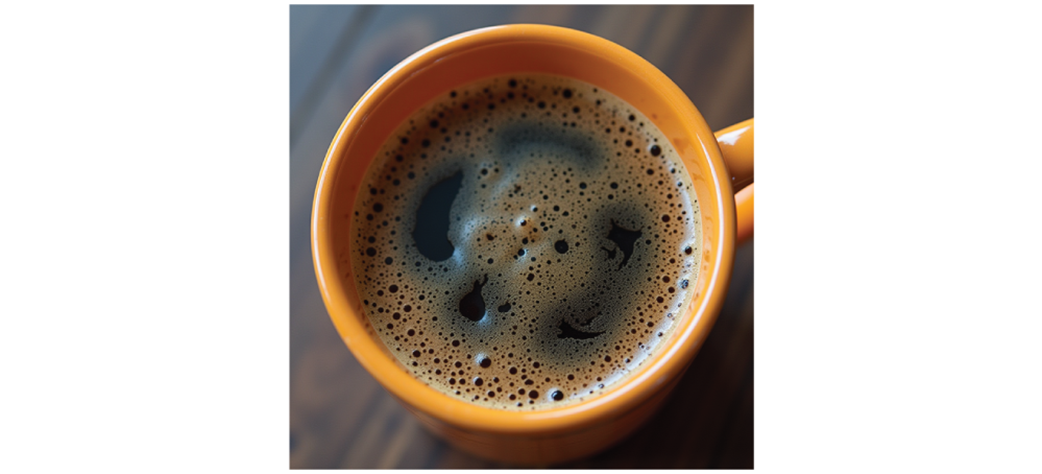
Image (1028x1028 resolution) generated on a first try with the prompt.
Characteristic example of the oddities that appear when generating human images with SD1.5

Using a high quality checkpoint like Deliberate, can improve the results over base SD 1.5.

SDXL has a strong preference for creating images that look like illustrations.

Flux does a fantastic job creating a fairly realistic image on its first attempt.

SD 1.5 struggles to generate text, a word is missing and none are spelled correctly.
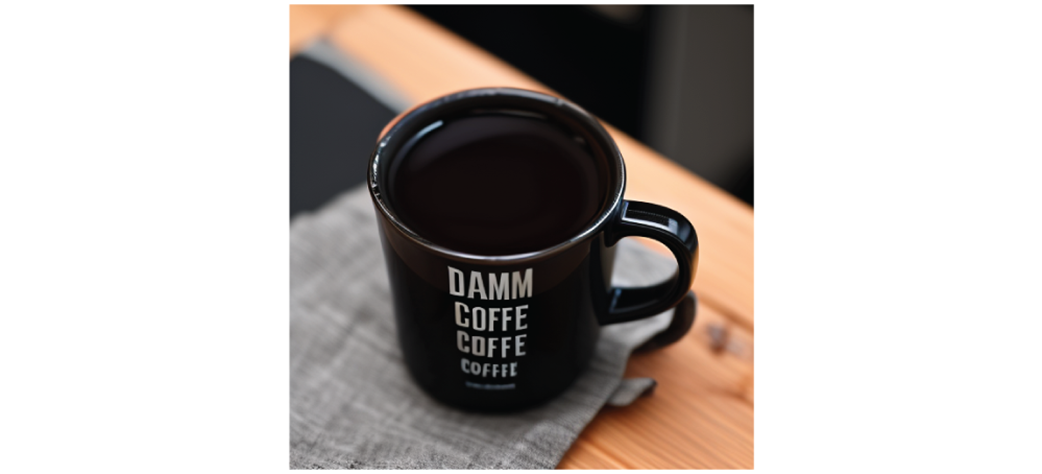
SDXL does create a better looking image, but still fails to correctly render text.
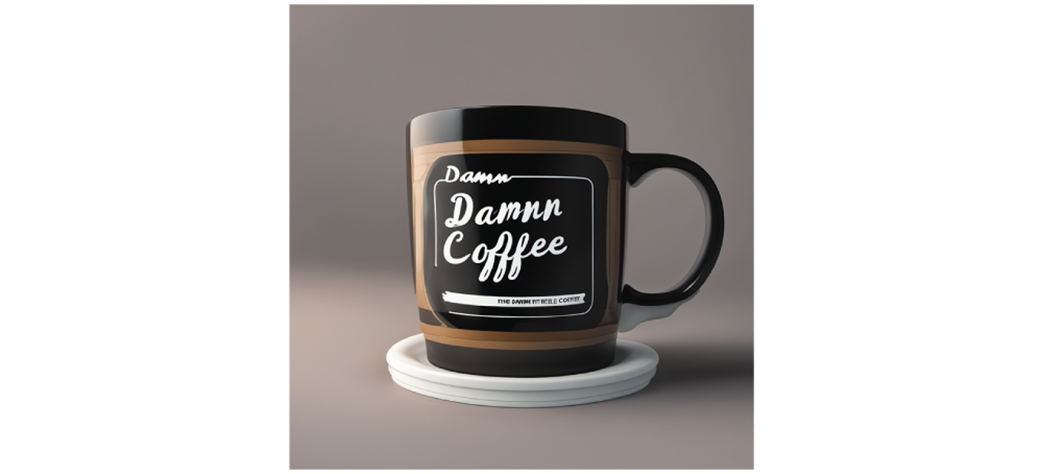
Flux again correctly renders the text on the first pass.

SD1.5 can only render some of the items described and struggles with the arrangement of them.
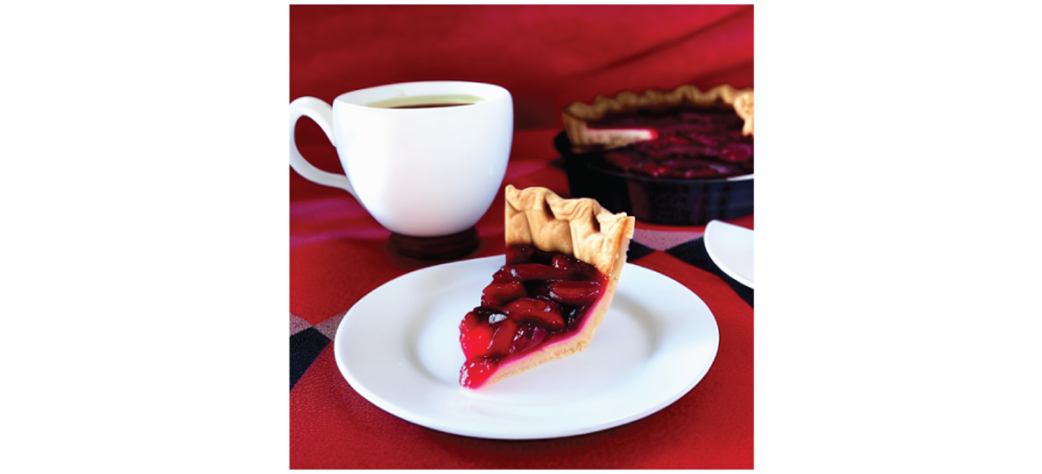
SDXL creates an arguably better looking image but is worse at following the prompt.
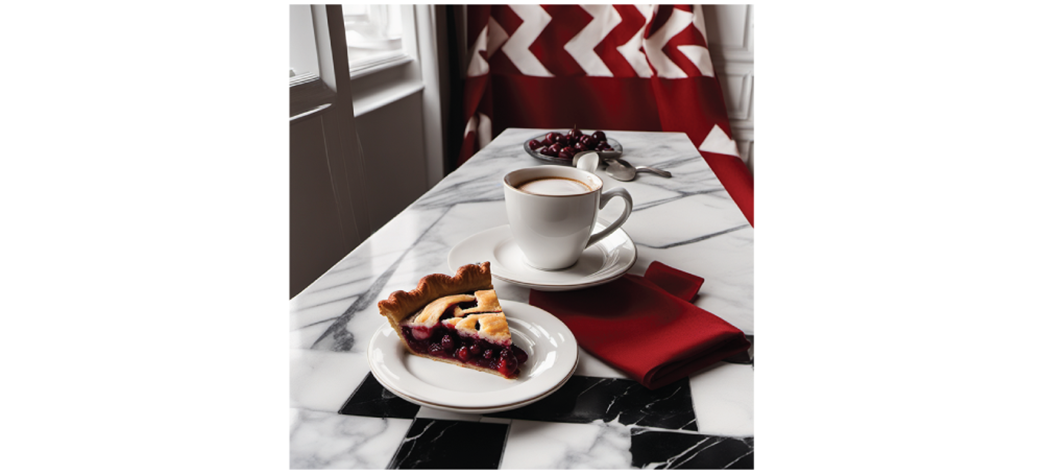
Once again Flux takes the cake (...er pie?) and get the best result.
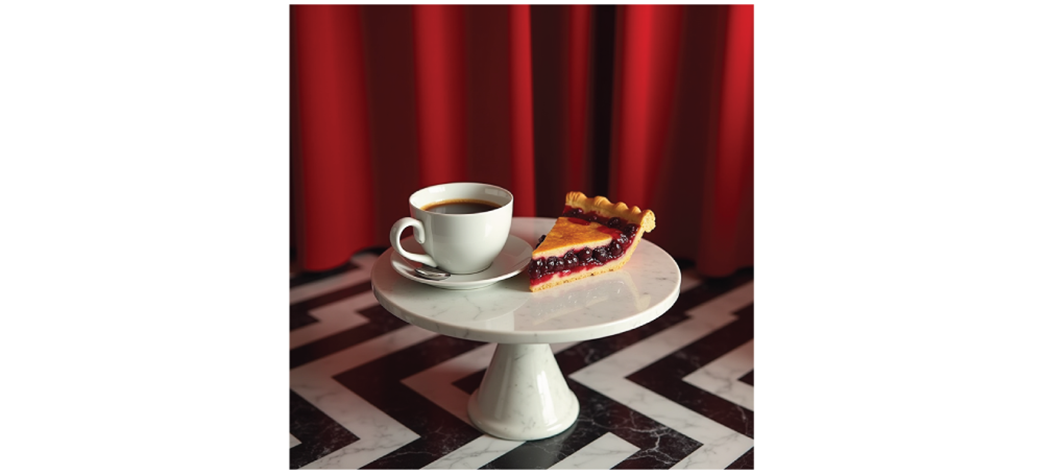
The image in SD1.5 looks a little “melted” but the style is spot on.
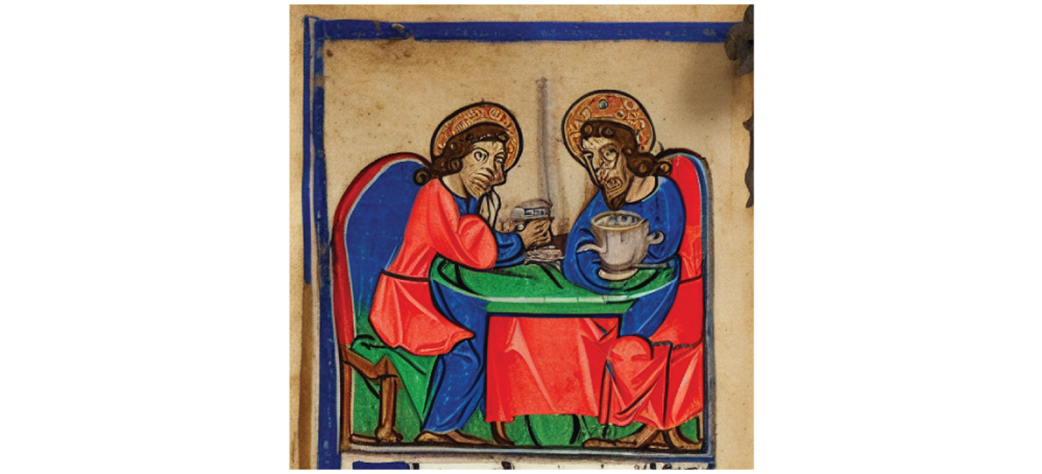
SDXL is capable of creating a higher quality image that also captures the style well.
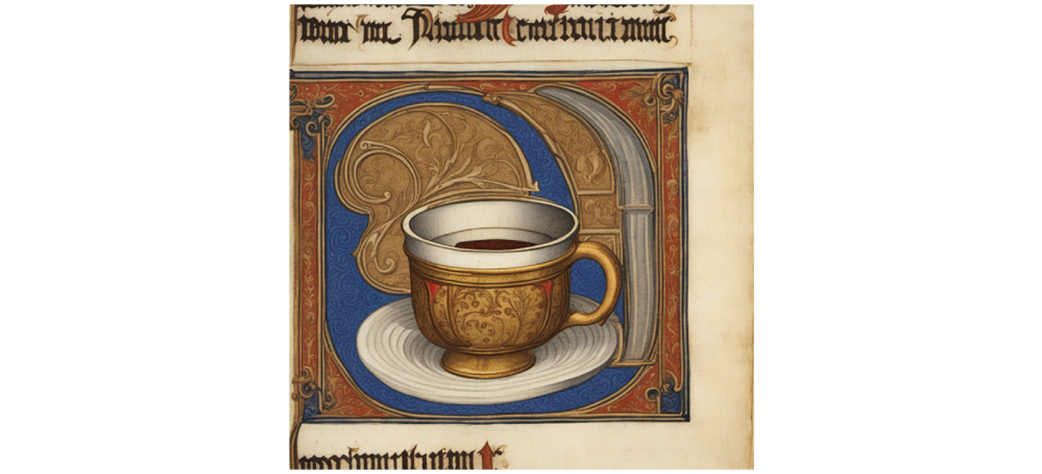
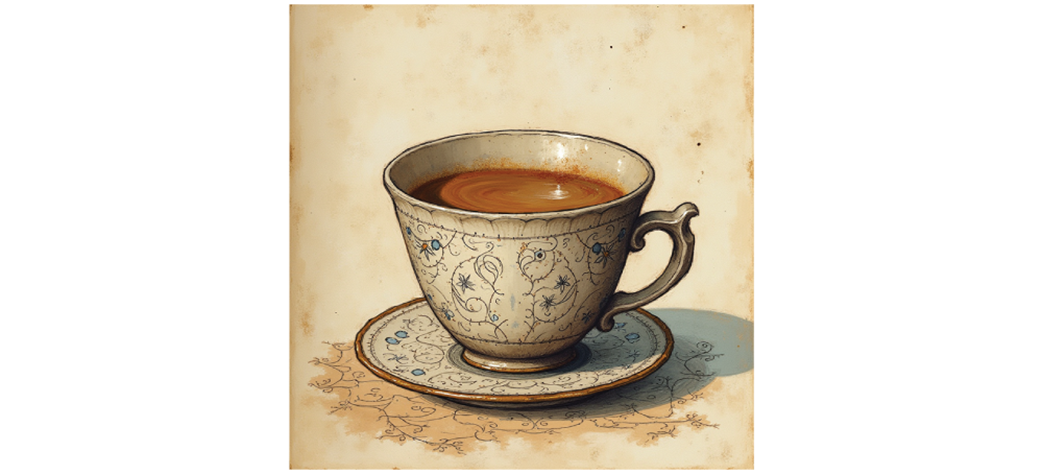
Flux creates a great looking image, but fumbles on getting the style correct.
Summary
- Flux is a very powerful open diffusion model developed by the original creators of Stable Diffusion.
- The first thing to check when evaluating a new model is how well it generates an image in a few tries.
- Traditionally diffusion models have struggled to generate realistic humans, Flux does quite well for this.
- “Prompt adherence” describes how well the model listens to details of our prompts, especially related to the composition of objects in the scene.
- Flux can be used to reliably create legible text in images.
- For all its power, Flux struggles to create interesting styles.
- There is typically never a “best” model, but rather the “best” model for certain tasks.
- Stable Diffusion 1.5 and Stable Diffusion XL will likely remain important models even as Flux increases in popularity.

 Local Image Generation ebook for free
