Overview

6 Improving Images with Samplers

Stable Diffusion generation is described as a process of starting from noise and gradually removing it until an image appears, and samplers are the tools that control how that removal happens. The chapter uses a haircut metaphor to explain that the sampler is like the stylist’s tool choice, while the schedule type is like deciding how much to trim at each step. Although these settings are less dramatic than changing checkpoints, they can still make the difference between a merely good image and one that feels polished and complete.

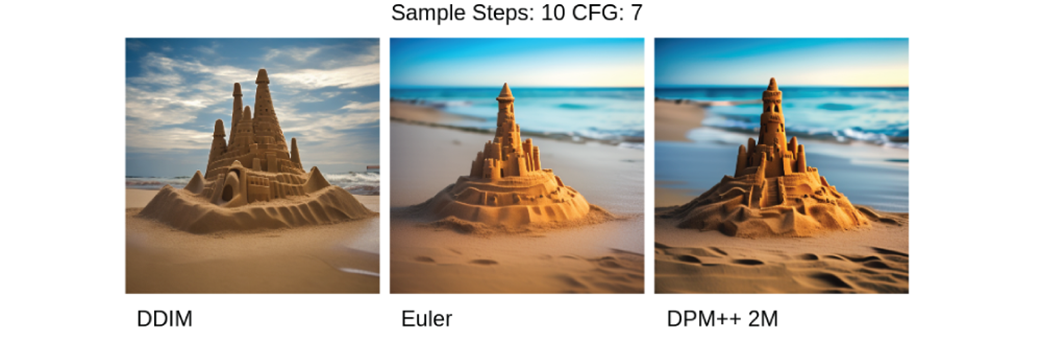
The chapter focuses on three samplers: DDIM, Euler, and DPM++ 2M. DDIM represents an earlier efficient approach, Euler reflects a classical ODE-solving method that became widely usable in diffusion workflows, and DPM++ 2M is a newer higher-order solver designed for faster convergence. By keeping the prompt, model, seed, and other settings fixed while changing only the sampler, the text shows that each method can produce subtly different results, and that no sampler is universally best; the “right” one depends on the image and the creator’s preferences.

Schedule types are shown to control how the amount of noise removed changes over the course of sampling. Uniform scheduling removes noise in equal increments, while exponential and Karras reduce it more gradually over time, often giving more refinement in later steps. The chapter also highlights ancestral samplers such as Euler a, which inject randomness at each step and may never fully converge to a single final image, making them useful when the goal is to explore controlled variations. Overall, the main lesson is that sampler and schedule choices are fine-tuning tools best used near the end of the image-making process.

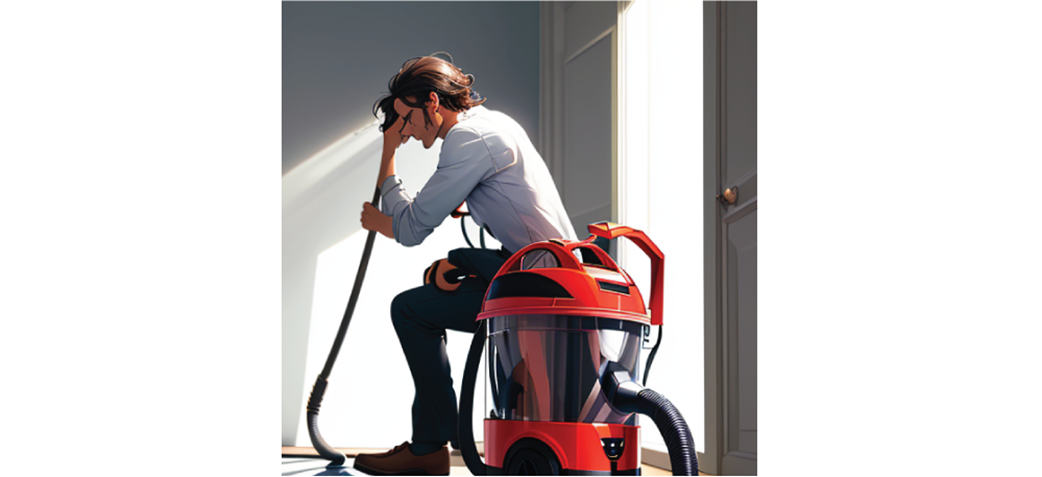
We want to sculpt wild hair into something more beautiful

We want fast generation but not at the expense of good results.
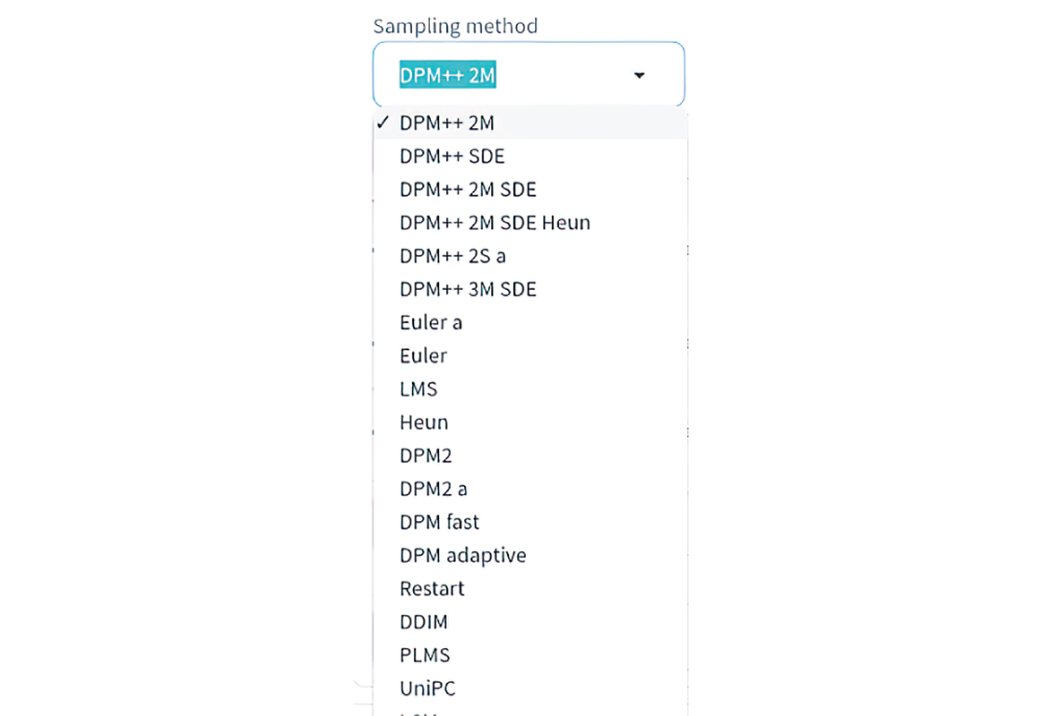
A1111 over many choices for Sampling Method.
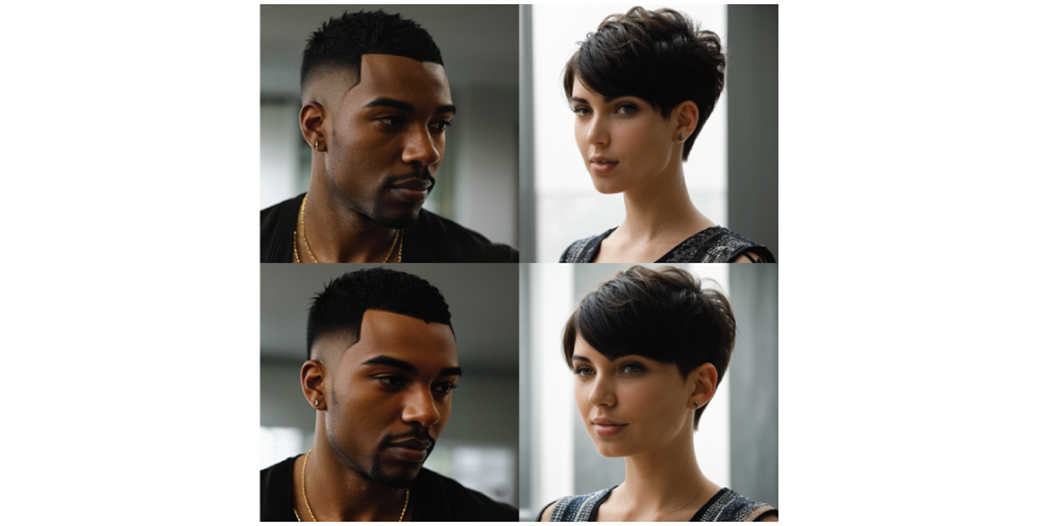
Each column is the same prompt, each row the same sampling method
There are many different schedule type options.

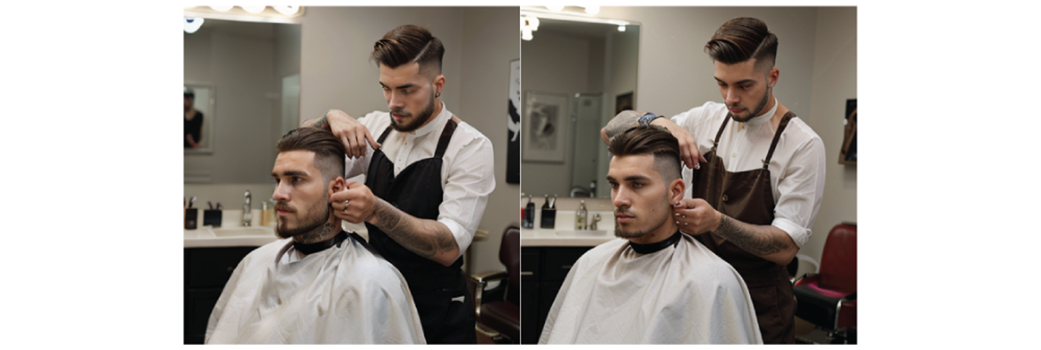
The only difference between these images is schedule type.
Exploring 10 steps with 3 different sampling methods.
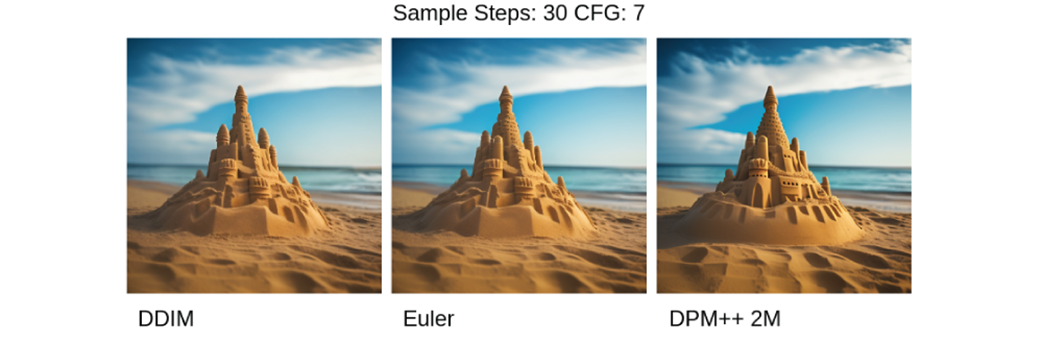
Increasing the sample steps from 10 to 30.
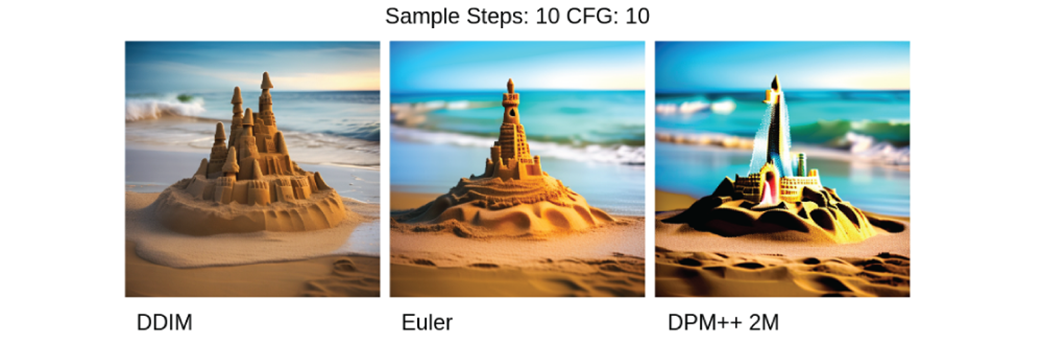
Increasing the CFG scale shows limitations in higher order samplers.
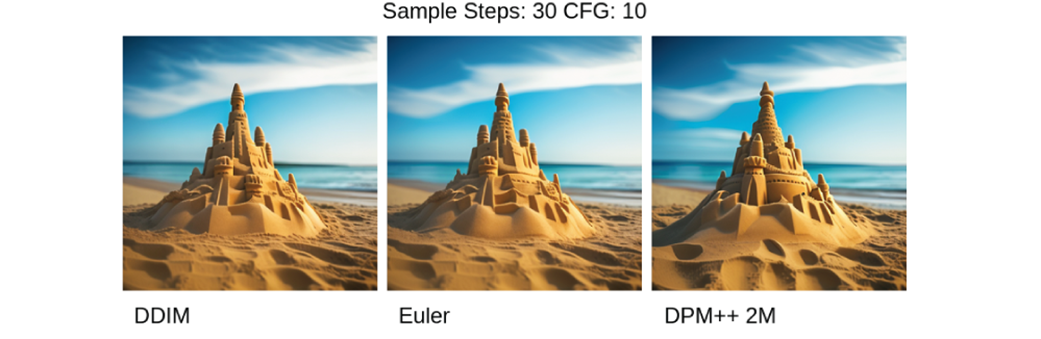
At a higher step size DPM++ 2M no longer suffers from higher CFG.
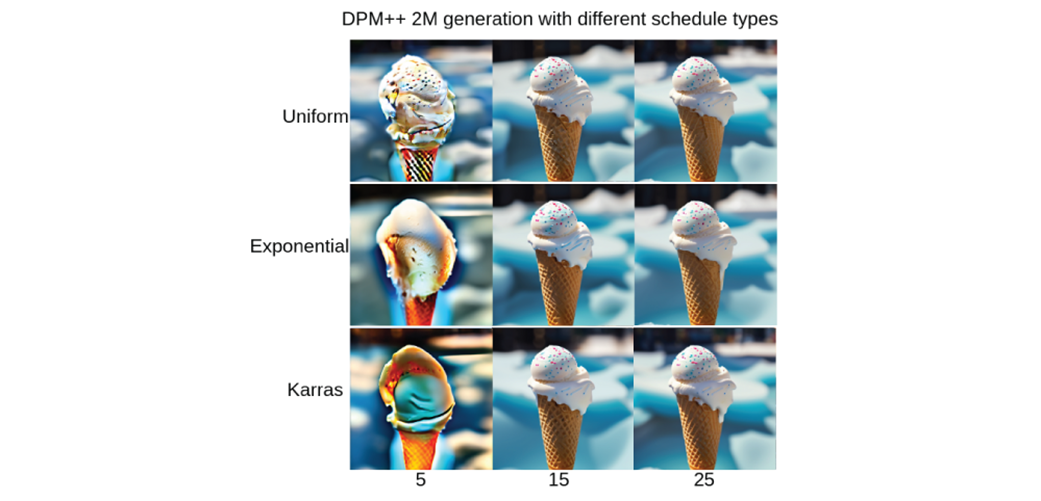
Results of several different schedule types for the same configuration.
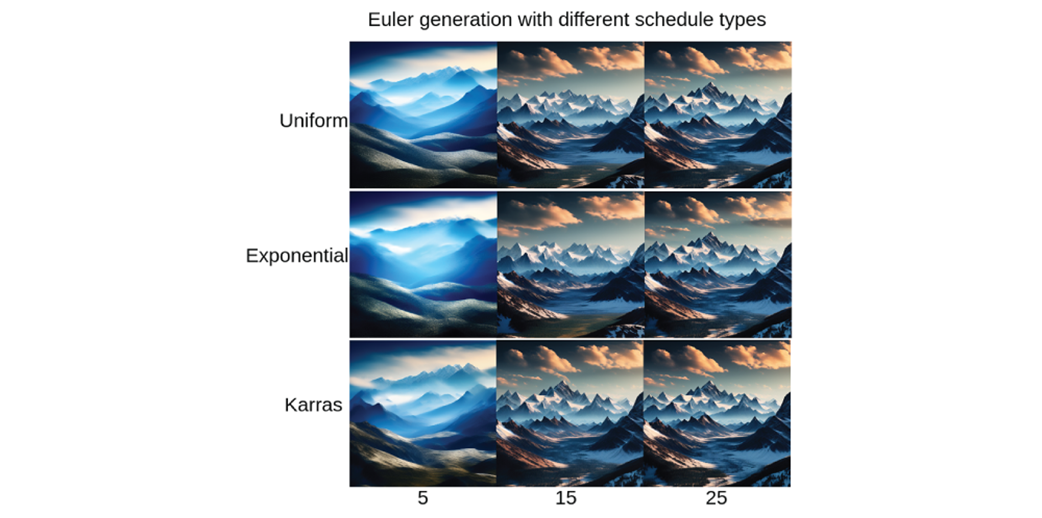
The variation between scheduler types is slightly more pronounced.
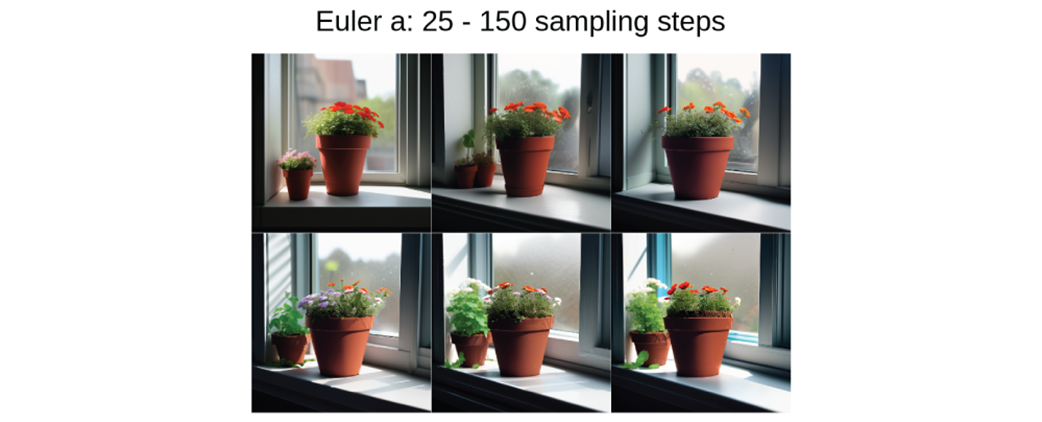
Ever evolving results of ancestral sampling
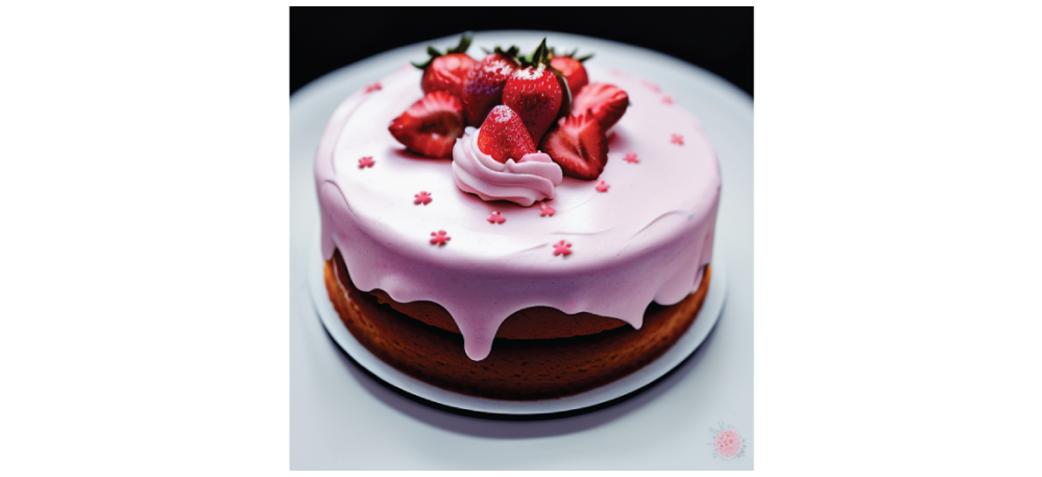
Cake found searching nearby images using an ancestral sampler.
Summary

  • Sampler methods control how Stable Diffusion removes noise from an image.
  • Schedule types control how much noise is removed at each step.
  • Samplers provide subtle changes, but those subtle changes are key to getting an image “just right”.
  • The CFG scale value can impact some samplers more than others at low step size.
  • There is no universally best sampler, and often different samplers will be your subjective favorite for different prompts.
  • Schedule types can provide even more subtle changes and should be tweaked at the end of your experiments with other configuration options.
  • Ancestral samplers provide an additional method of injecting controlled randomness into your image generation process.

FAQ

What is the main purpose of samplers in Stable Diffusion?Samplers control how noise is removed from the latent image at each step during generation. They influence the quality and style of the final result by deciding how the model moves from noise toward a recognizable image.
What is the difference between a sampler and a schedule type?A sampler determines how much noise to remove at each step, while a schedule type determines how large each step is. In other words, the sampler is the method, and the schedule type controls the pacing of the denoising process.
Why does the chapter use a haircut analogy to explain samplers?The haircut analogy makes the process easier to understand: the initial messy hair represents noise, and the haircut represents the denoising process. Different tools and trimming styles correspond to different sampling methods and schedule types.
Do different sampling methods always produce dramatically different images?No. The differences are usually subtle, unlike the large changes caused by switching checkpoints. Even so, these small differences can matter a lot when trying to refine an image to look just right.
Which three samplers does the chapter focus on?The chapter focuses on DDIM, Euler, and DPM++ 2M. These were chosen because they are commonly used and represent different stages in the evolution of diffusion sampling methods.
What is the practical meaning of “higher-order” samplers like DPM++ 2M?Higher-order samplers try to approximate the denoising process using more complex mathematical relationships. They can be efficient and high quality, but the chapter notes they may struggle with high CFG scales unless the step count is sufficient.
How do Uniform, Exponential, and Karras schedule types differ?Uniform uses evenly spaced step sizes, Exponential reduces step sizes gradually by a power-based pattern, and Karras uses a more refined formula that behaves similarly to Exponential but with slightly different spacing. These differences affect how noise is removed over time.
Why might a schedule type be harder to notice than a sampler?Schedule type changes are often subtle when all other settings are held constant. You may only see small differences in detail or composition, especially at higher step counts.
What makes ancestral samplers like Euler a different from regular samplers?Ancestral samplers inject a bit of random noise during each step, so their results do not fully converge to a single fixed image. This allows for more variation and can be useful when you want small random changes between outputs.
When should you experiment with different samplers and schedule types?You should usually adjust checkpoints and prompt settings first, then experiment with samplers and schedule types near the end. These settings are ideal for fine-tuning and adding the final polish to an image.

pro $24.99 per month

  • access to all Manning books, MEAPs, liveVideos, liveProjects, and audiobooks!
  • choose one free eBook per month to keep
  • exclusive 50% discount on all purchases
  • renews monthly, pause or cancel renewal anytime

lite $19.99 per month

  • access to all Manning books, including MEAPs!

team

5, 10 or 20 seats+ for your team - learn more


choose your plan

team

monthly
annual
$49.99
$499.99
only $41.67 per month
  • five seats for your team
  • access to all Manning books, MEAPs, liveVideos, liveProjects, and audiobooks!
  • choose another free product every time you renew
  • choose twelve free products per year
  • exclusive 50% discount on all purchases
  • renews monthly, pause or cancel renewal anytime
  • renews annually, pause or cancel renewal anytime
  • Local Image Generation ebook for free

choose your plan

team

monthly
annual
$49.99
$499.99
only $41.67 per month
  • five seats for your team
  • access to all Manning books, MEAPs, liveVideos, liveProjects, and audiobooks!
  • choose another free product every time you renew
  • choose twelve free products per year
  • exclusive 50% discount on all purchases
  • renews monthly, pause or cancel renewal anytime
  • renews annually, pause or cancel renewal anytime
  • Local Image Generation ebook for free