This chapter introduces the book’s central attitude: instead of passively consuming AI-generated content, readers are invited to become creators who understand, shape, and control the tools they use. It opens by criticizing the flood of low-quality AI output that can feel generic, repetitive, and disconnected from real human intention, then argues that generative AI becomes far more interesting when approached as a medium to experiment with rather than a shortcut to effortless output. The Grandmaster Flash analogy reinforces this idea: a tool originally meant for replaying existing material can become an instrument for invention when someone learns it deeply enough to transform it.
The chapter then explains the basics of generative AI in accessible terms, starting with what a model is and how it can be both a simplified mathematical representation of reality and a practical tool for prediction or simulation. It distinguishes discriminative models, which identify or classify things, from generative models, which can sample from learned patterns to produce new examples. Using handwritten digits as a familiar illustration, it shows that generative models are generally harder to build but open the door to far more creative applications. The chapter also notes that some models can function in both modes, depending on how they are used.
Finally, the chapter emphasizes the value of open models and open source tools for local image generation, especially Stable Diffusion and the surrounding ecosystem. It highlights advantages such as greater control, privacy, customization, community improvement, and freedom from dependence on commercial services. It also gives a realistic overview of hardware needs, explaining the difference between inference and training, and showing that many tasks are possible even on modest GPUs or Apple Silicon machines. By the end, the reader is promised a practical path toward producing increasingly impressive and personalized images at home, moving from basic experiments to highly customized creations that feel much more like authorship than consumption.
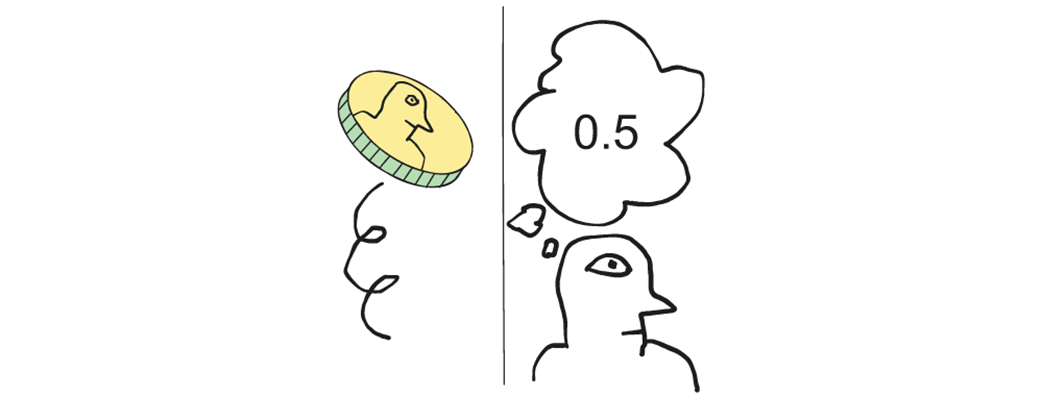
We use models everyday often without realizing it.
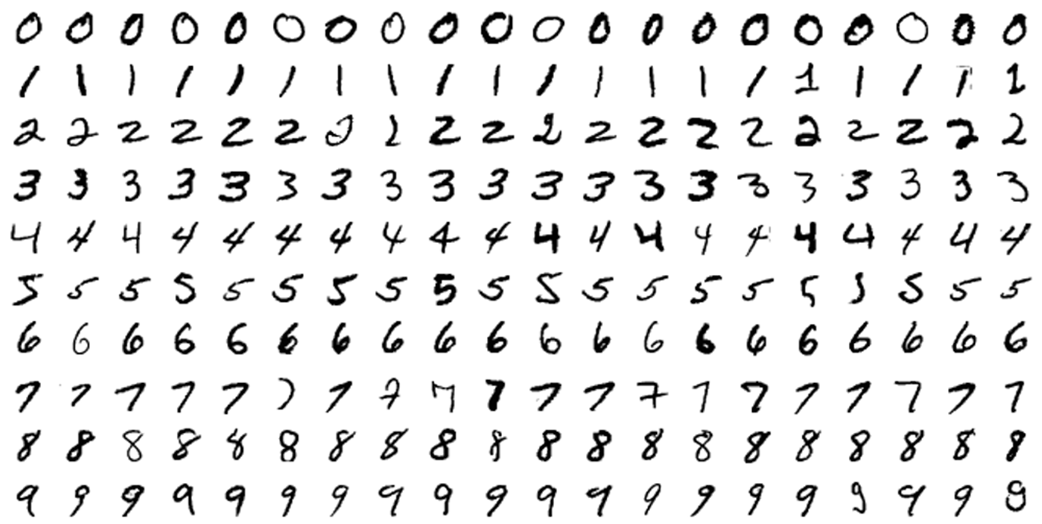
Sample of one of the most famous machine learning datasets
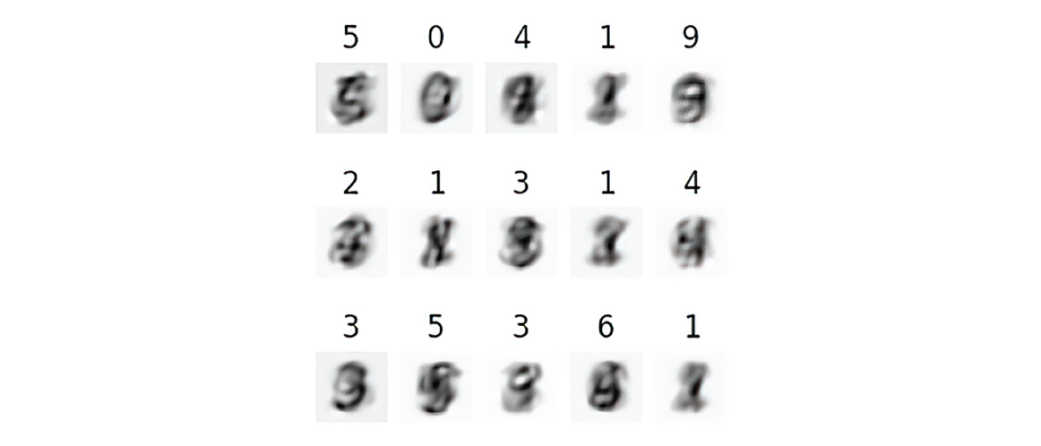
A simple implementation of a generative model for digits
Getting my imagination on the screen
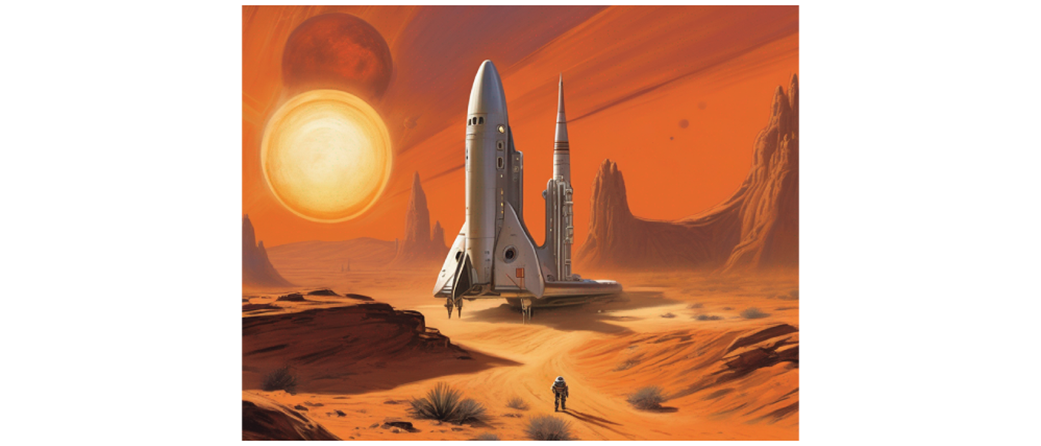
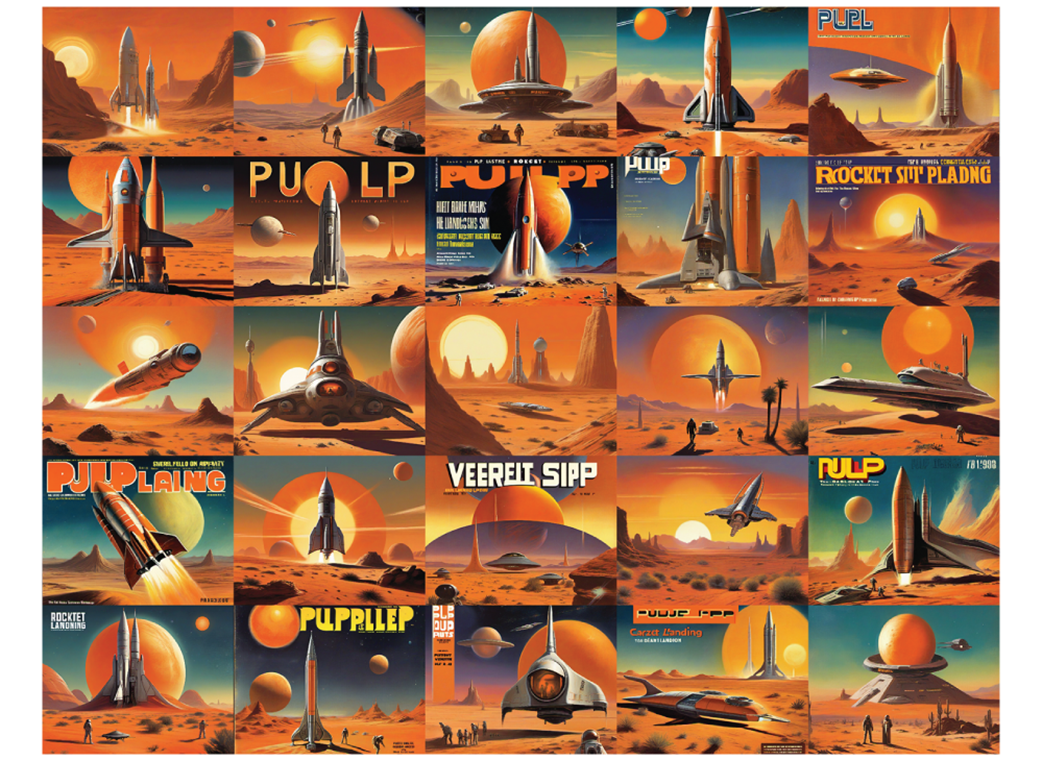
Browsing an infinite library of Pulp Sci-Fi that never was.
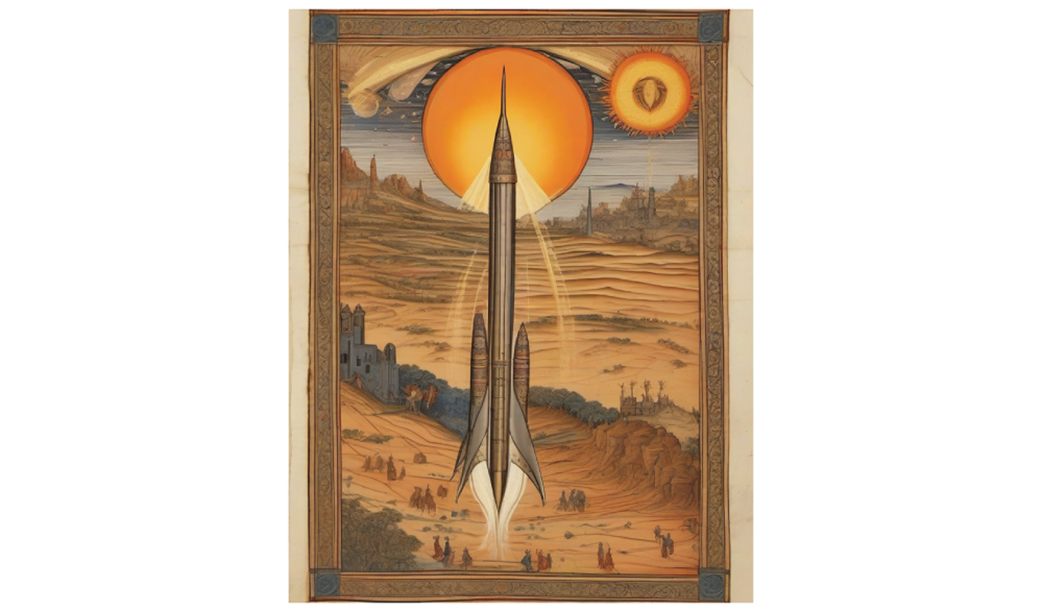
Who knew monks were such avid readers of sci-fi?
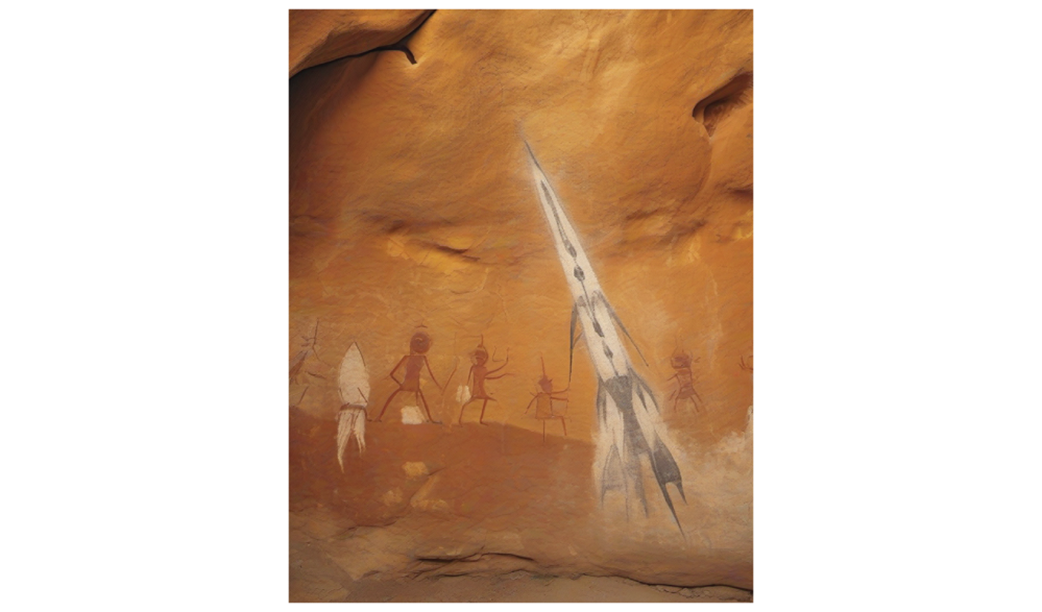
Envisioning ancient aliens.
By the end of the book our results get very impressive
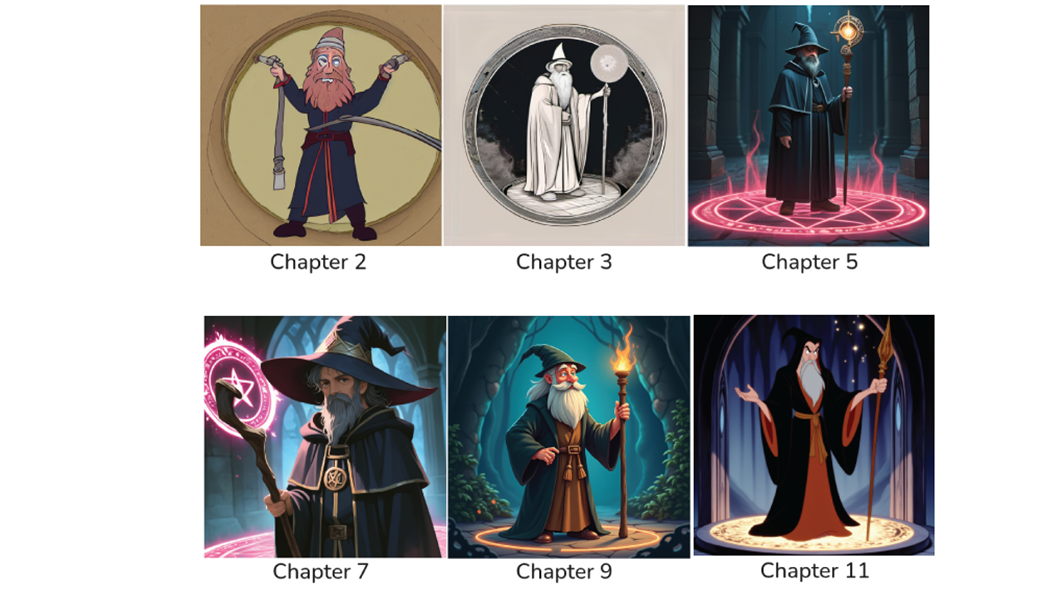
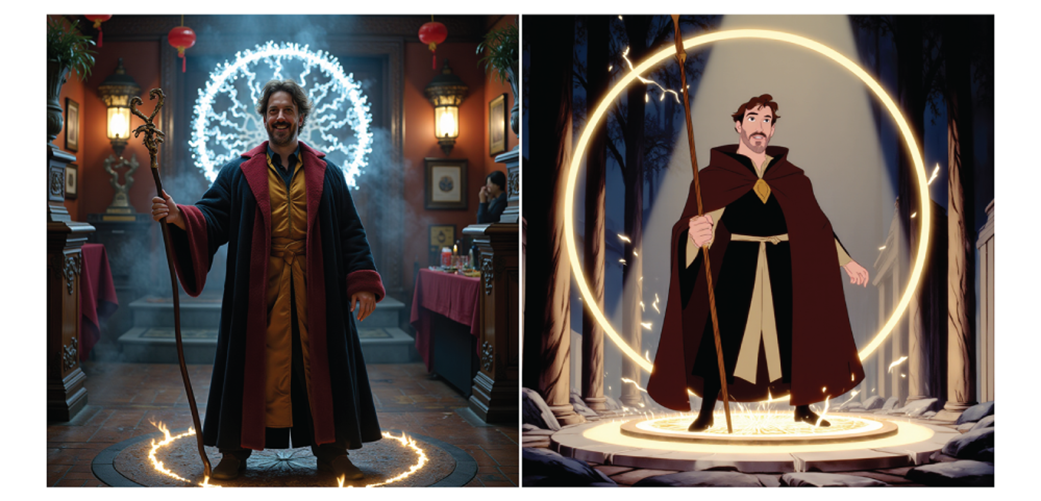
One of the most fun parts of working with diffusion models is customizing them
Summary
Stable Diffusion is an open source model for image generation
Using open models and open source tools give you full control over the process
Discriminative models and answer questions about the world, generative models actually represent part of it.
Diffusion models allow us to ‘remix’ from the collection of existing human generated images
By using custom tools and building custom models we will be able to create some truly amazing images!
FAQ
What is the main goal of *Local Image Generation*?The book aims to help readers move beyond AI “slop” and learn how to create interesting, customizable images locally using open models and open source tools.What does the chapter mean by “creator, not consumer”?It means using AI as a tool you understand and shape, rather than just passively generating output from closed systems. The focus is on experimentation, control, and making original work.What is a generative model?A generative model is a model that learns patterns in the world and can sample from them to create new examples, such as generating images from text or other inputs.How is a generative model different from a discriminative model?A discriminative model answers questions like “What is this?” or “Is this a 5?” while a generative model tries to produce examples of what something looks like, such as generating an image of a digit.Why does the book emphasize open models and open source tools?Because they give users more control, privacy, flexibility, and freedom to customize image generation. They also support a broader ecosystem that keeps improving through community contribution.What are some open source tools mentioned in the chapter?The chapter highlights Automatic1111’s Stable Diffusion Web-UI, ComfyUI, Ostris’ AI-Toolkit, and Bghira’s SimpleTuner as important tools used throughout the book.What kind of hardware do I need to follow along?For the fullest experience, a PC with a dedicated GPU is recommended, especially one with more VRAM. However, many chapters are still accessible on modest hardware, and Apple Silicon Macs with Unified Memory can also work well for image generation.What is the difference between generating images and training models in terms of hardware?Generating images, or inference, requires much less hardware than training or fine-tuning models. Training generally needs more VRAM, more compute, and often more time.What can Stable Diffusion do?Stable Diffusion can generate a wide variety of images from prompts, remix styles, and produce creative variations such as sci-fi scenes, medieval manuscript versions, or other imaginative combinations.Why does the chapter compare AI image generation to Grandmaster Flash and music sampling?Because both involve transforming existing material into something new. The analogy shows that mastery comes from understanding tools deeply and using them creatively, not just replaying or copying existing work.
pro $24.99 per month
access to all Manning books, MEAPs, liveVideos, liveProjects, and audiobooks!

 Local Image Generation ebook for free
