5 Income portfolios
This chapter reframes investing around the pursuit of dependable cash flow, contrasting the delayed gratification of pure growth strategies with the immediacy and psychological freedom of recurring income. It broadens the toolkit beyond equities to include bonds and cryptocurrency, defining passive income as a flexible umbrella that covers both fixed and variable payouts. The unifying idea is to use data to match instruments to goals, risk tolerance, taxes, and time horizon, so that portfolios can cover real-world expenses without relying solely on salary or market timing.
On stocks, the focus is dividend payers: mature, cash-generative businesses with durable advantages, where industry context matters (for example, utilities versus fast-moving tech). The chapter outlines practical selection criteria—yield quality, payout ratio, consistency and pace of dividend growth, payout frequency, and domicile for tax effects—while cautioning that unusually high yields may signal distress or secular decline. It also highlights REITs as a distinct income category and encourages data-driven screening to spot outliers with room to raise payouts. Bonds are presented as IOUs with defined terms (borrower, maturity, coupon, ratings, payment schedule), offering both coupons and potential price gains on the secondary market. Rate cycles and credit risk are central: rising policy rates pressure existing bond prices; falling rates boost them. While the chapter touches on speculative corners (high-yield, credit derivatives), the practical takeaway is using rates and credit quality to weigh bonds against dividend stocks for steady income.
For crypto, the chapter stresses custody and risk management before yield: owning your keys reduces platform risk, and staking (Proof-of-Stake) is a more accessible, energy-efficient income method than mining, though rewards fluctuate and token dilution can offset returns. Running validators demands capital and expertise; delegating to third-party validators is simpler but comes with fees and potential lockups. Even seemingly stable options (like staking stable-value assets) carry variable yields and platform risk. The chapter closes by tying income tools to financial independence: estimate needs as annual expenses divided by a conservative expected return, then adjust for inflation and sequence risk. As investors age, it can make sense to tilt toward income assets, yet history favors patient compounding in diversified growth. The pragmatic path blends dividends, bonds, and selected staking—balancing reliability, growth, liquidity, and personal risk tolerance.
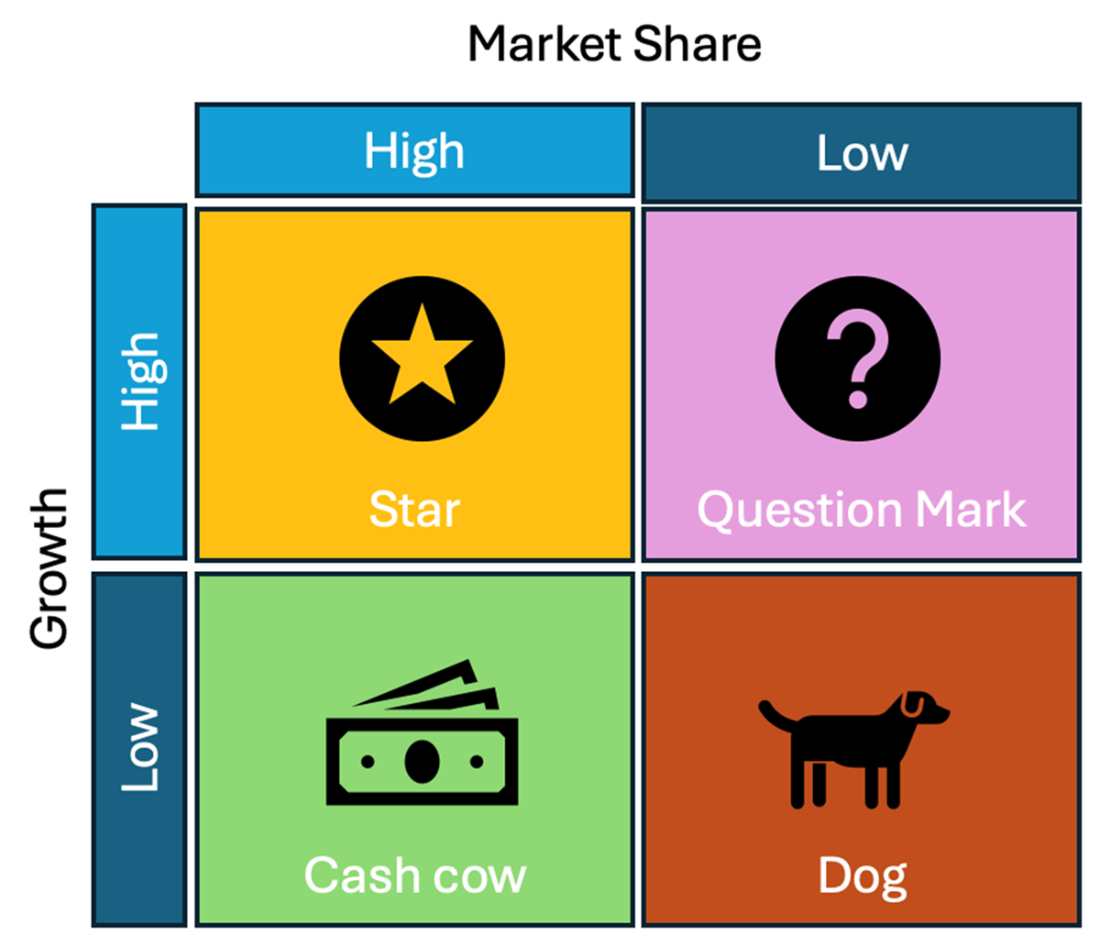
BCG Matrix as a reference for picking dividend-paying companies that are likely cash cows (copyright: https://productfolio.com/growth-share-matrix/).
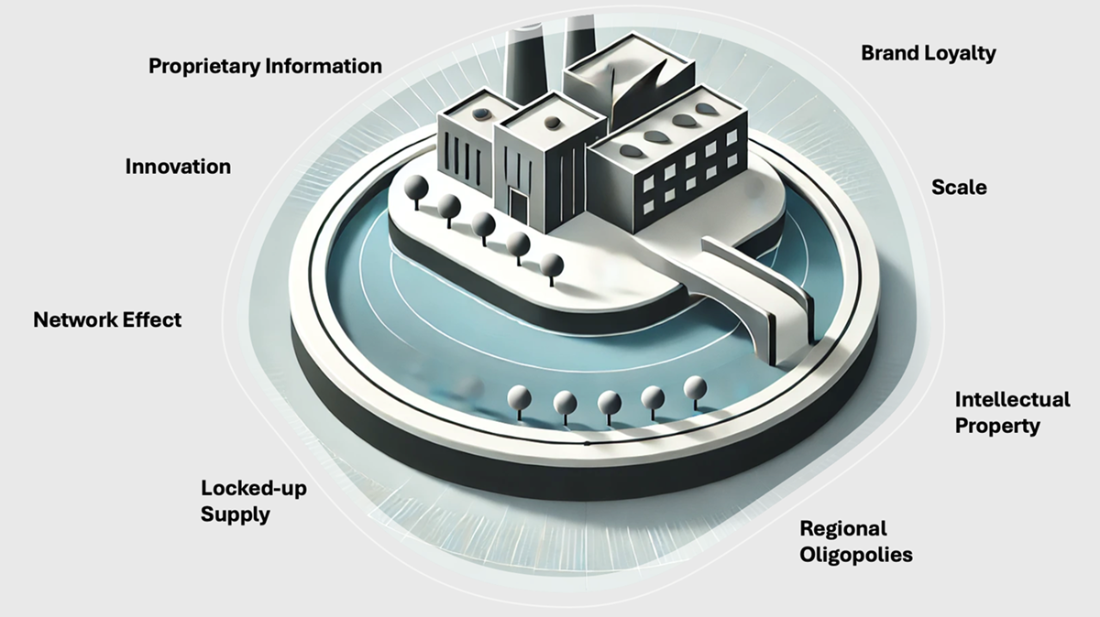
Examples of economic moats
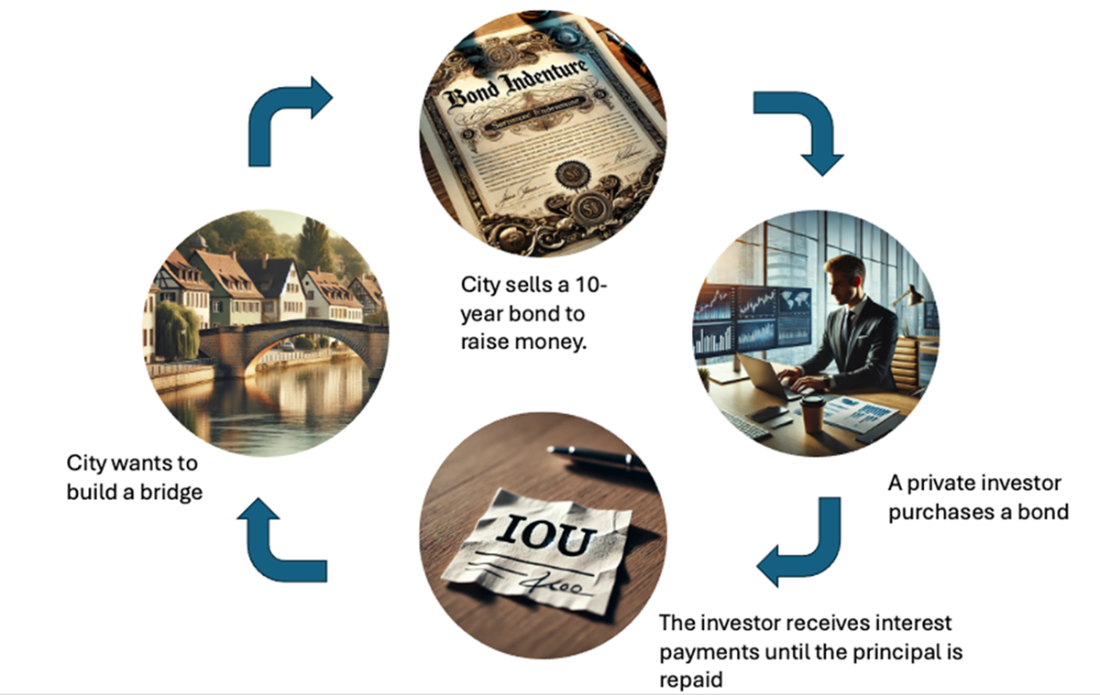
A plain vanilla bond
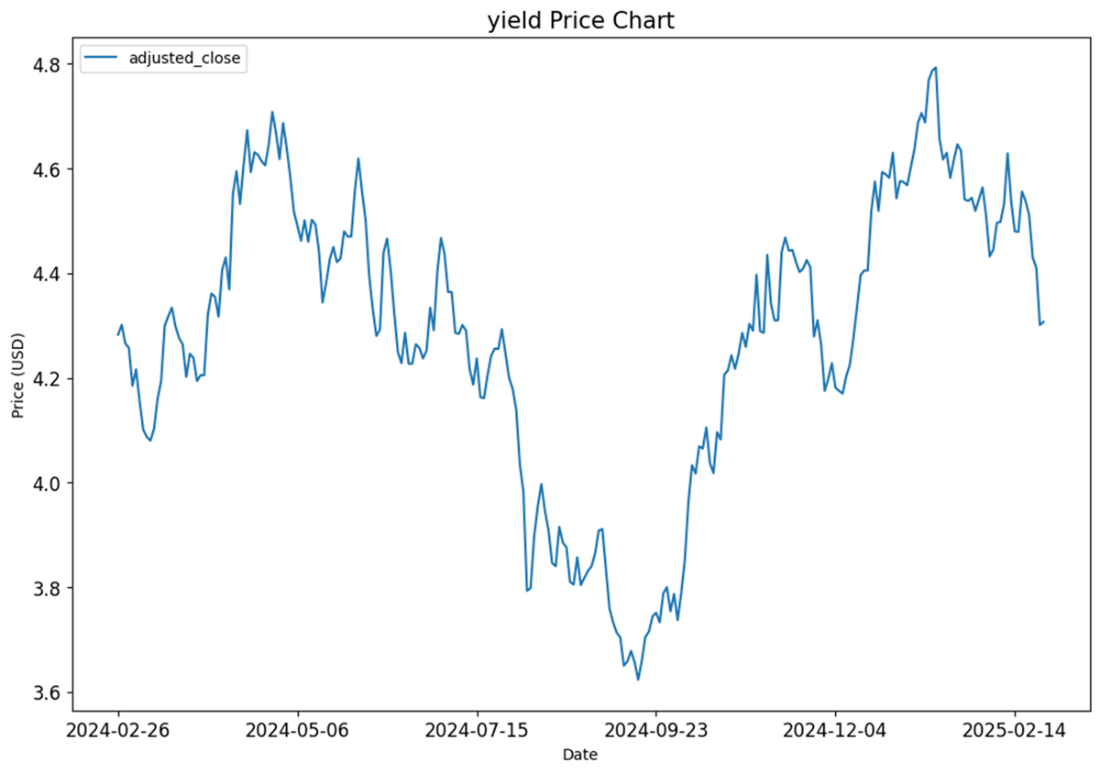
Return of U.S. Treasury bonds
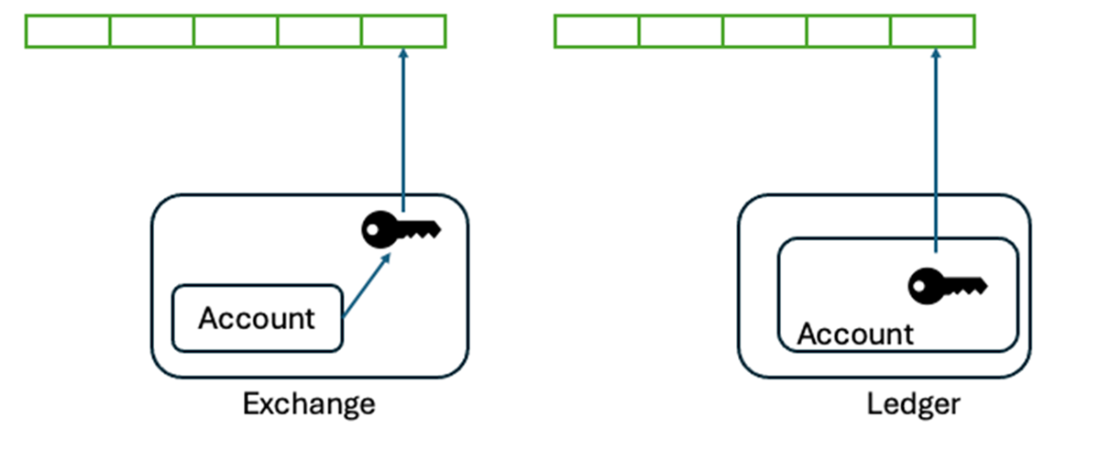
If you hold cryptocurrency on an exchange, the exchange owns the keys signing the transactions on the blockchain. Ledgers, such as cold wallets, provide ways to store the keys that signed the last transaction in a safe place. Be aware that cryptocurrency, a distributed transaction log, is a public blockchain and therefore never stored on your device or account.
Summary
- Some companies pay dividends to shareholders, making them a potential source of passive income.
- Typically, larger, more mature companies with limited growth opportunities offer higher dividends. These companies are often classified as “cash cows” in the Boston Consulting Group matrix.
- Investors can evaluate dividend-paying stocks using metrics like payout ratio, dividend growth rate, annual payment, and dividend yield.
- Real Estate Investment Trusts (REITs) are specialized investment vehicles that generate passive income, primarily through property-related investments.
- Bonds are fixed-income assets where investors lend money to an entity (e.g., government, municipality, or corporation) in exchange for interest payments. At maturity, the principal is returned to the lender.
- Payment modalities, such as interest rates and payout frequencies, might vary per bond, and investors must carefully study them when making investment decisions.
- Bond classifications specifically for U.S. Treasury bonds include Treasury bills, which mature in under 1 year; Treasury notes, which mature between 1 and 10 years; and Treasury bonds, which mature in over 10 years.
- Central bank interest rates, like those set by the Federal Reserve, significantly impact bond values. Riskier bonds offer higher yields, as assessed by rating agencies.
- In a very simplified view, cryptocurrency works based on signing blocks during a transaction with a private key. If you do not own that key, you do not own the cryptocurrency.
- Cryptocurrency is controversial and has sparked many debates. The best way for a newbie to understand the arguments of both sides is to research the details first before forming an opinion.
- Whether you are an enthusiast or a critic, be aware of many scams involving crypto.
- Cryptocurrency offers several passive income opportunities, with staking being among the most accessible. By staking, your cryptocurrency supports transaction validation.
- Staking rewards can fluctuate, and cryptocurrencies are susceptible to scams and fraud. Avoid holding assets on exchanges to minimize risks and use secure cold storage options like hardware wallets.
- While passive income strategies offer stability, growth stocks typically outperform them over time due to compounding returns and capital appreciation.
- Many see 5% as a realistic value for a passive income. Still, if you have high inflation and other unexpected expenses, it might take longer to retire early, leaving you until you can say goodbye to corporate life forever.
FAQ
What does this chapter mean by “passive income,” and how is it broader than “fixed income”?
Passive income refers to recurring payouts from investments such as dividends, bond coupons, and crypto staking rewards. Unlike “fixed income,” which traditionally implies fixed amounts on fixed schedules, passive income also covers assets whose payouts vary over time (for example, floating-rate bonds or staking rewards), while still aiming to deliver ongoing cash flow.
Which kinds of companies tend to pay reliable dividends, and why?
Mature, cash-generative businesses with durable advantages tend to pay reliable dividends. Think “cash cows” in the BCG matrix: stable profits, low reinvestment needs, and strong economic moats (for instance, utilities with regulated market positions or brands like Coca‑Cola). In contrast, many tech firms prioritize R&D and acquisitions, keeping dividends lower to fund growth. Always consider long-term industry health; high current yields in declining sectors may mask future risk.
What metrics should I use to evaluate dividend stocks?
- Annual payout: Total dividends per share per year.
- Payout frequency: Monthly, quarterly, semiannual, annual, or irregular; helps with cash‑flow planning.
- Dividend yield: Annual payout divided by price. A very high yield can signal price declines and potential cuts.
- Dividend growth and streak: Years of uninterrupted increases; long streaks often imply resilience.
- Dividend growth rate: Speed of increases; faster growth may slow as companies mature.
- Payout ratio: Share of net income paid out; lower ratios leave room for growth and safety.
- Company residence vs. your tax residence: Withholding and local tax rules can change your net yield.
How can I use data and code to discover dependable dividend payers?
Programmatically, you can compute dividend growth by resampling historical dividend payments by year, comparing first and last years to estimate CAGR, and inferring payout frequency from payment counts. Then, screen a broad universe (for example, S&P 500 constituents) for stocks with nonzero dividend yield and a minimum market cap. From there, analyze outliers—such as unusually low payout ratios with consistent growth or high starting yields with a history of increases—to build investment theses.
What are REITs, and why consider them in an income portfolio?
Real estate investment trusts (REITs) are companies that own or finance income‑producing real estate and must distribute most taxable income as dividends. Benefits include typically higher yields, diversification versus stocks and bonds, potential inflation hedging (rents can adjust), liquidity (publicly traded), professional management, and broad sector exposure (residential, industrial, healthcare, data centers, etc.). Note: REIT dividends are often taxed as ordinary income, with possible deductions depending on jurisdiction.
What bond fundamentals should I know before using them for income?
- Borrower: Government, municipality, or corporation.
- Maturity: Date when principal is repaid.
- Coupon: Interest payments (fixed or floating).
- Risk rating: Third‑party assessment of default risk (for example, Moody’s, S&P, Fitch). Investment‑grade bonds have lower default risk; speculative/junk bonds offer higher yields with higher risk.
- Payment schedule: Frequency and timing of coupons affect cash flow.
How do interest rates affect bond prices and yields, and when might bonds beat dividend stocks for income?
Bond prices move inversely to interest rates: when rates rise, existing bond prices fall; when rates fall, they rise. New issues align yields with current rates, making older lower‑coupon bonds less attractive in rising‑rate environments. Bonds can be competitive when prevailing yields are high or when investors prioritize lower volatility and known cash flows. Selling before maturity can make sense if redeploying at better risk‑adjusted returns outweighs remaining coupons and pull‑to‑par.
What’s the difference among Treasury bills, notes, and bonds?
- T‑Bills: Mature in up to 1 year.
- T‑Notes: Mature in up to 10 years.
- T‑Bonds: Mature in more than 10 years.
They are all U.S. government obligations but differ in duration, coupon structure, interest‑rate sensitivity, and role in a portfolio.
How does crypto staking generate income, and what are the key risks?
In Proof‑of‑Stake networks, you can lock tokens to help validate transactions and earn rewards paid in tokens. Options include running your own validator (higher capital and operational complexity, for example, 32 ETH for Ethereum) or delegating to a third‑party validator for a fee. Risks include token price volatility and devaluation, lock‑up periods, platform/validator risk, scams in a lightly regulated space, and custody risk—“not your keys, not your coins.” Stablecoin staking can reduce price volatility but yields can fluctuate and carry counterparty and peg risks.
How can I estimate the passive income needed for early retirement, and what pitfalls should I plan for?
A simple rule of thumb is required capital ≈ annual expenses ÷ expected return (for example, 5%). Adjust for inflation, taxes, and a margin of safety. Consider sequence‑of‑returns risk: needing cash during a bear market may force selling growth assets at depressed prices. As you age, many investors tilt toward income assets (dividends, bonds, REITs) to stabilize cash flow, while still balancing long‑term growth and compounding.

 Investing for Programmers ebook for free
