4 Growth portfolios
This chapter presents a practical, research-driven path to building growth portfolios by turning ideas into defensible investment theses. It stresses the difference between gambling and investing: emotions and shallow research lead to speculation, while disciplined cycles of research, planning, execution, reflection, and adjustment lead to durable results. Readers are urged to start in domains they understand, articulate goals and exit criteria from the outset, and invite expert challenge to reduce bias and sharpen a thesis before capital is deployed.
To illustrate the process, the chapter develops a thesis around autonomous driving and then narrows to LiDAR suppliers as potential beneficiaries. It maps the ecosystem (ride-hailing operators, vehicle and truck makers, appliance and component providers) and examines LiDAR’s technology choices (solid-state, FMCW), cost/performance trade-offs, scalability, regulation, IP moats, competitive dynamics, financial strength, and leadership. Four early-stage candidates—Luminar, Innoviz, Ouster, and Aeva—are screened using market cap, earnings history, price action, debt, partnerships, and product roadmaps. The analysis finds depressed share prices after earlier hype and rising rates, generally negative earnings, mixed balance sheets, and notable partnerships (for example, Volvo, BMW, Daimler Trucks, and Zoox). While projections hint at substantial revenue growth, the chapter emphasizes validation, patience, and waiting for concrete signals (major contracts, improving unit economics, expanding deployments). It also demonstrates ongoing monitoring with tools and data (financial APIs, trend and sentiment analysis, LLM-assisted research) and stresses measuring thesis success with observable metrics such as robotaxi activity and announced deals.
The risk section challenges the thesis from multiple angles: technological obsolescence if camera-only autonomy proves “good enough,” pressure from industry giants that build end-to-end platforms, and geopolitical headwinds that can reshape supply chains or market access. The chapter closes by advocating continuous screening, media literacy, and risk management, noting that investor responses will vary—some may act now, others will wait, and many will stage small positions while learning. The north star remains the same: identify businesses capable of compounding cash flows for years behind defensible moats, and align position size and timing with the strength of the evidence and the investor’s risk tolerance.
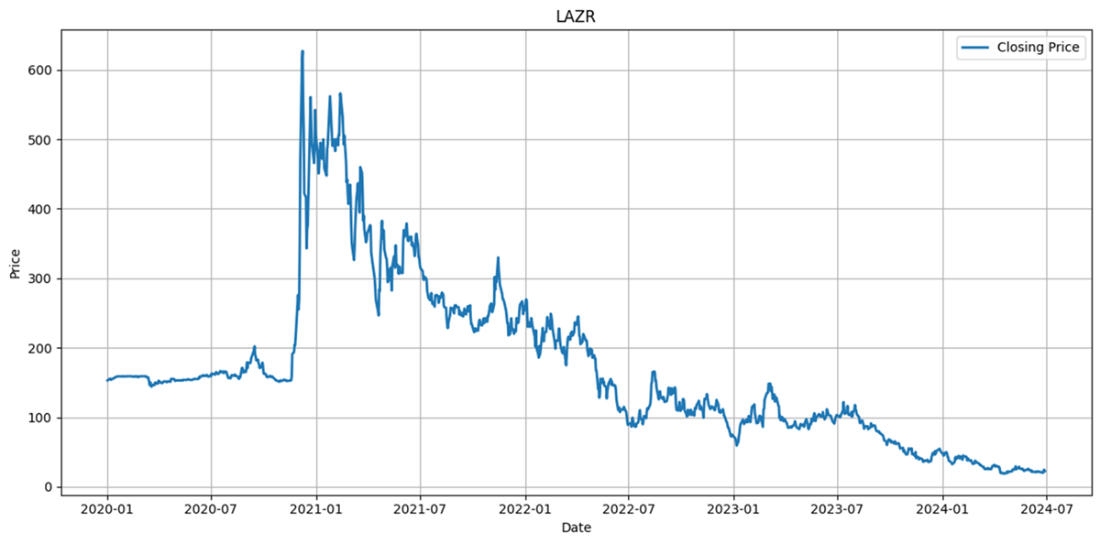
Price development of Luminar Technologies (LAZR)
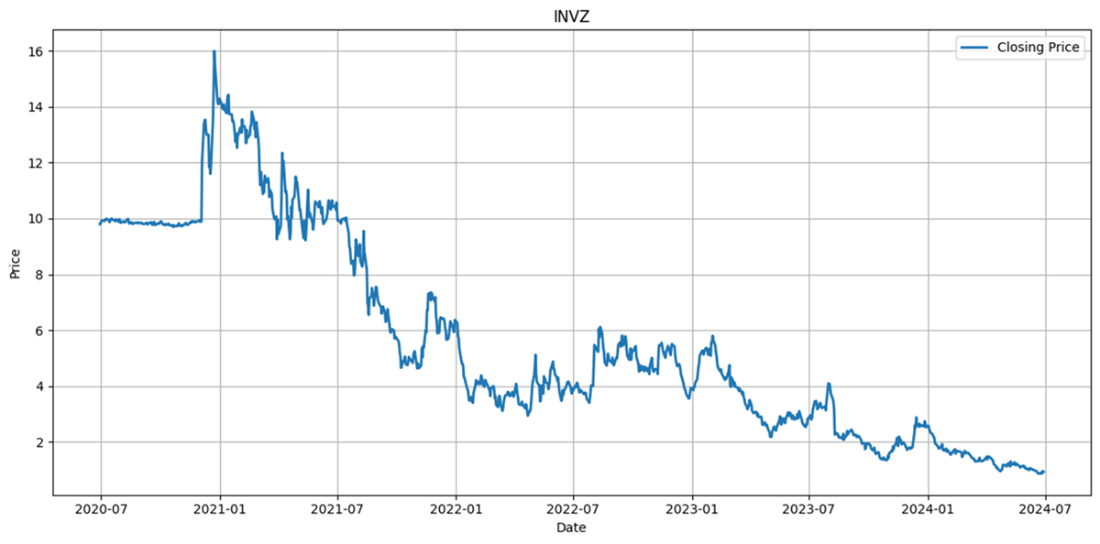
Price development of Innoviz Technologies Ltd (INVZ)
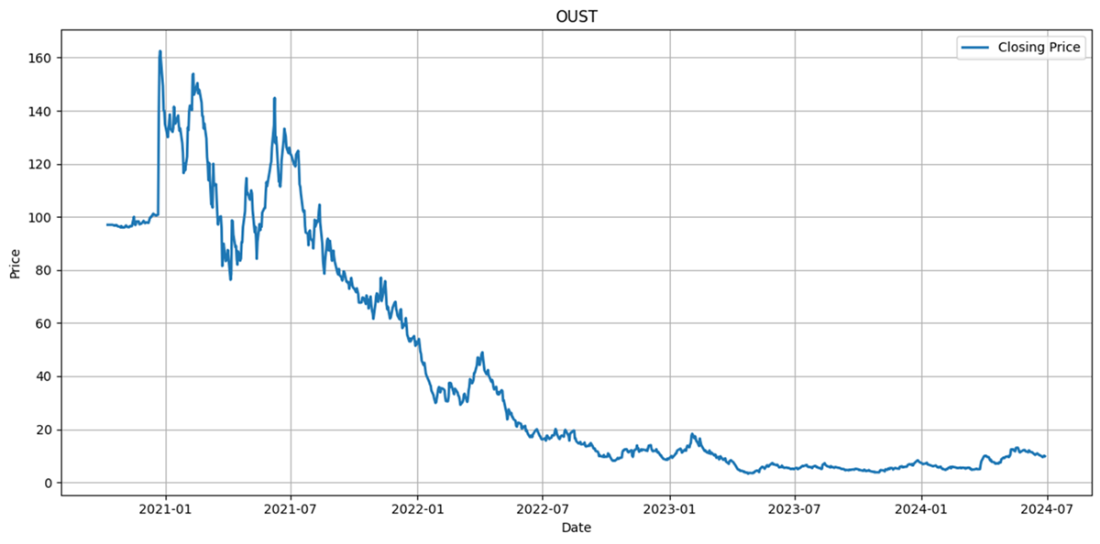
Price development of Ouster (OUST)
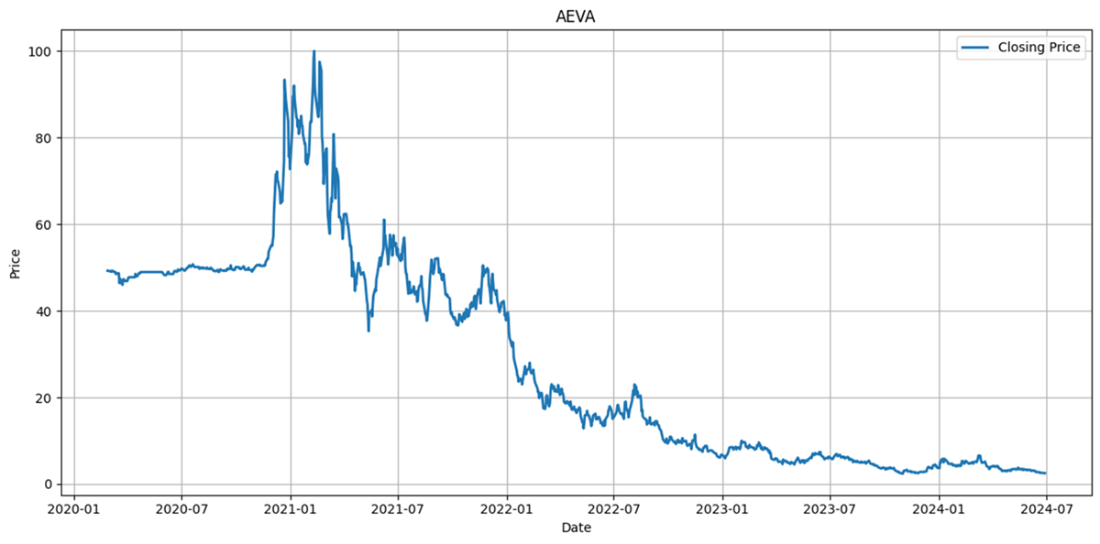
Price development of Aeva Technologies (AEVA)
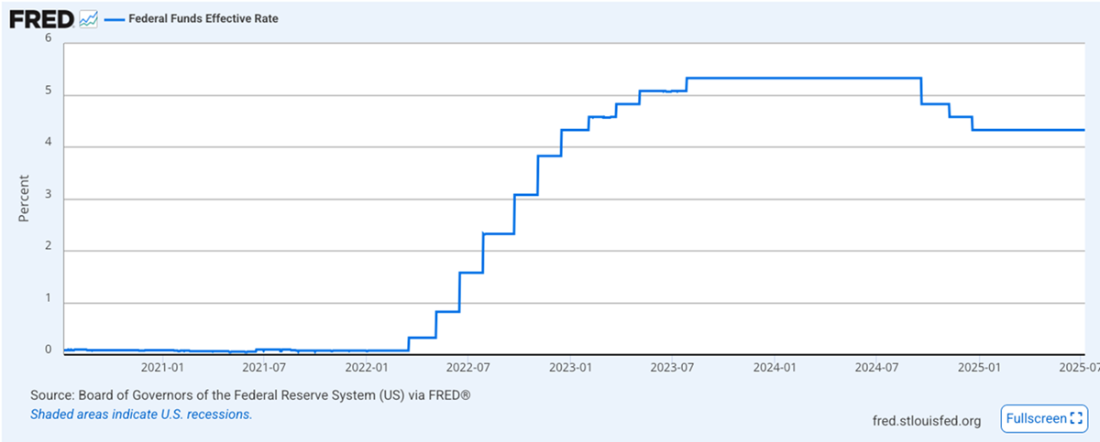
Shows the interest rate at which depository institutions trade federal funds (https://fred.stlouisfed.org/series/DFF)
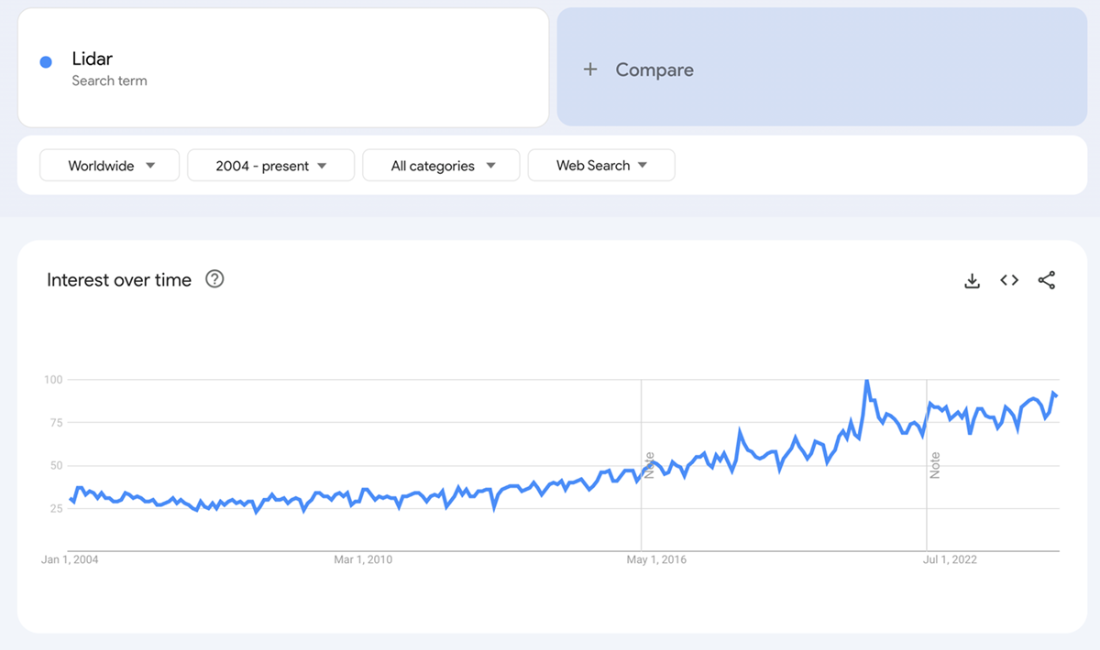
LiDAR in Google Trends.
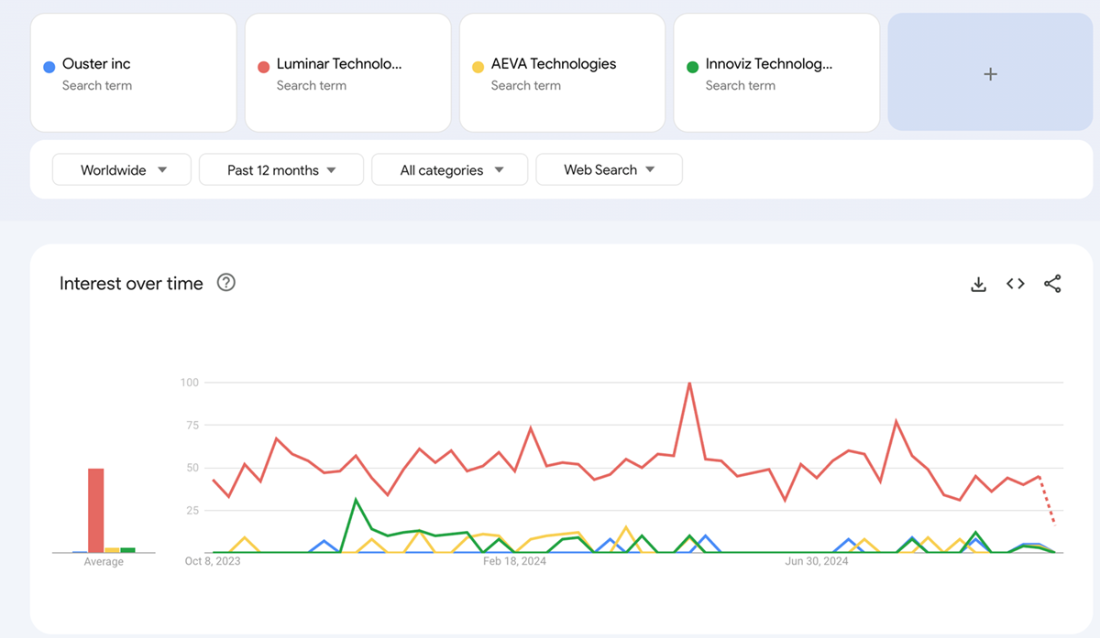
Google Trends on OUST, LAZR, AEVA, INVZ
Summary
- Gambling is often guided by instinct; investing by critical thinking. Success is not guaranteed, but investors can continually reflect on the outcomes of past decisions and learn from them for the future.
- We tend to overestimate our skills in areas that are new to us. This tendency is risky, as it can lead to taking unnecessary risks. Stick to what you know and invest in businesses that you understand.
- An investment thesis highlights why you believe an investment will be profitable. It requires structured research that may take some time.
- Peer reviews are invaluable for refining a thesis. Invite others to question your assumptions and test your reasoning.
- Investing in what you know is key to success. Violate this principle, and you may as well be throwing darts blindfolded.
- Explore innovations like autonomous driving to stay ahead of the market. To find investments, you must explore possible investments within that industry that solve a specific problem better than others.
- Investors and founders share the same challenge: they need to find a successful business idea. The investor, however, does not need to operate the business.
- We need to consider potential risks, such as ethical risks or risks of obsolescence, as illustrated in the case study.
- One way to find good investments is to look for undervalued companies, which are often those that already receive little attention from investors. Therefore, we might look for players in a niche who can contribute a significant amount of unseen value.
- There are many different influences on a market, and understanding them often requires extensive experience. Therefore, it is better to invest in something that you know well.
- Try to find companies that will generate a significant amount of cash for an extended period with a new business model. If their business model cannot be easily copied or challenged by competitors, you have a candidate for a high-performing growth stock. Finding these companies takes work and patience.
- Seeing an opportunity’s potential is not enough; we must thoroughly challenge and assess ideas.
- Startups may take years to produce profits; however, if the business model is strong, we can benefit significantly from investing in a not-yet-profitable company in an emerging market.
- Hardly anyone invests more time and energy into a company as a founder. It is often a sign of strength if they stay part of the management team; we must remain vigilant to learn about founders who are leaving.
- Technology might make a difference. However, we must also consider the cost factors and other aspects that may determine whether a product penetrates the market. There is no guarantee that the best product will become the market leader.
- Missing an investment opportunity might hurt your pride; however, ignoring it may result in financial loss.
- Knowledge is profit. Always know what you’re buying.
- Be aware that every product might become obsolete. Keep an eye on the competition and the market.
- When betting on startups, you risk more to aim for higher returns. However, startups often must prevail against larger corporations in the markets.
- Geopolitics will increasingly affect the performance of companies in the global market.
- In doubt, do not invest, but keep your ears open for changes that allow you to revisit your analysis.
- An investor can analyze trends and news sentiments for investment areas.
- When possible, seek the advice or analysis of an expert in the domain you are considering investing in.
- Be always skeptical. Hear all, but trust nothing until you have enough evidence.
- Investigate partnerships and connections with other industries, including potential partnerships that are not yet formal.
- Startups and small companies might run into liquidity issues more easily than larger companies.
- Some investors look for companies where they believe their value is artificially or temporarily suppressed (value investing). Others look for companies that might disrupt markets with a game-changing product or service (growth investing). Both approaches can overlap.
- When exploring companies to invest in, also study industry- and product-specific risks. For instance, some companies may be capital-intensive and face risks when interest rates are high. Others may face the risk of a product-market fit mismatch.
FAQ
What is an investment thesis, and why does it matter for a growth portfolio?
An investment thesis is a researched, defensible theory about a stock’s future performance. It guides what to buy, why, and under which conditions to hold or sell. For growth portfolios, a thesis helps you pursue “alpha” (outperformance) through disciplined reasoning instead of emotion-driven bets.How do I turn a raw idea into a defensible thesis?
- Start with a domain you understand to avoid the Dunning–Kruger trap.- Iterate: research, plan, execute, reflect, adjust; be ready to pivot.
- Invite critique from unbiased experts; refine until your assumptions and metrics are clear.
- Define goals up front so future hold/sell decisions follow the plan.
Why use autonomous driving and LiDAR as the chapter’s case study?
Autonomous driving is a potential game-changer with multiple value-chain entry points (robotaxis, trucks, components). The chapter narrows to LiDAR suppliers, theorizing that wider robotaxi adoption and factory automation could revive LiDAR demand after a downturn, creating potential growth opportunities.Where in the autonomous driving value chain can growth emerge?
- Ride-hailing platforms (cost reduction via autonomy)- Car and truck makers with credible Level 5 roadmaps
- Turnkey autonomy appliance providers
- Component suppliers (sensors like LiDAR, radar, cameras; compute; software; V2X; HD maps; power)
What factors should I evaluate when researching LiDAR companies?
- Technology differentiation (e.g., solid-state vs. FMCW; reliability, size, performance)- Cost efficiency and scalability (unit economics, manufacturing)
- Partnerships and design wins with automakers/robotics firms
- Regulation and market adoption across end markets (auto, drones, smart cities, industry)
- Patent portfolio (defensible IP) and competitive landscape
- Financials and leadership (cash burn, balance sheet, execution
How did the chapter screen initial LiDAR candidates?
- Selected four tickers: AEVA, LAZR, INVZ, OUST for learning-by-doing.- Pulled market caps and EPS histories (yfinance, Alpha Vantage).
- Reviewed drawdowns from all-time highs and interest-rate sensitivity.
- Checked debt-to-equity and news (workforce changes, short interest).
- Noted founder-led teams and key partnerships with OEMs.
Which tools and data sources help a programmer-investor research theses?
- Financial data: yfinance, Alpha Vantage (quotes, earnings, sentiment APIs)- Trend signals: Google Trends via pytrends
- Media curation: analyst platforms, reputable news, expert magazines, social feeds
- LLMs for synthesis and ranking (with verification against primary sources)
What are the main risks to a LiDAR-centric growth thesis?
- Obsolescence: camera-only autonomy reducing demand for LiDAR- Incumbent pressure: established suppliers crowding out startups
- Geopolitics: trade restrictions, conflict risk impacting certain geographies
- Capital intensity: higher rates, cash burn, dilution, or debt burdens
How do I decide when to invest versus wait, and how do I size positions?
- Define trigger metrics: design wins, contracts, robotaxi deployments, regulatory milestones, narrowing losses.- If signals are inconclusive, document and “wait and see.”
- Consider a mixed approach: start small, keep researching, scale on confirmation.
- Ensure a margin of safety relative to risks and drawdowns.
How can I generalize this process beyond LiDAR to build a growth portfolio?
- Pick domains you know (e.g., mRNA, renewables, weight-loss drugs, AI enablers).- Form a thesis around sustainable cash generation and a defensible moat.
- Map risks and metrics, monitor media/trends/sentiment, and iterate.
- Remember: the chapter’s goal is process over stock-picking—only invest in businesses you understand.

 Investing for Programmers ebook for free
