Overview
5 Leadership, hiring, and motivating skills questions
This chapter explains how interviewers assess leadership, hiring, and motivation capabilities to judge cultural fit and impact on teams. Candidates are expected to articulate their management approach, how it affects direct reports and peers, and the results achieved. A recurring theme is adaptability: strong leaders adjust their style to people and situations, communicate vision clearly, and back up claims with evidence. Interviewers probe both positive examples (motivation, trust-building) and challenging scenarios (low morale, conflict, or difficult personalities) to evaluate judgment, emotional intelligence, and outcomes.
The guidance emphasizes answering with specific stories that include context, actions, and measurable results rather than abstract philosophies. Effective responses show how leaders build trust, raise morale under pressure, and reconcile differing opinions. Illustrative examples highlight best practices such as setting expectations, coaching rather than rescuing, proactively checking progress, and fostering inclusion across distributed teams. The chapter also cautions against overreliance on “hands-off” empowerment without adequate oversight and urges candidates to quantify impact—attrition, engagement, performance metrics—so benefits are clear.
On hiring and motivation, the chapter advises rethinking roles to match future needs, partnering with HR, using behavioral questions and values alignment, and involving peers and team members to reduce poor hires. Candidates should demonstrate how they attract talent, structure selection processes, and create environments where motivation is individualized, not performative. Superficial pep talks are contrasted with leader behaviors grounded in listening, tailored incentives, and data-backed results such as retention, promotions, and productivity gains. The chapter closes with self-assessment prompts to help candidates prepare crisp, evidence-rich examples that showcase their leadership, hiring rigor, and ability to inspire sustained high performance.
Key Takeaways
The key takeaways from this chapter are:
- Candidates for management positions will usually be asked about their leadership approaches to determine if there is a match with the team and the company culture.
- Applicants should be ready to share examples of how they supported team success and dealt with difficult situations.
- Managers should also be prepared to explain the process they use to hire and motivate staff members.
- Interviewers want to find out if the applicant will be able to support the current team that would report to them in their new role.
- They also want to see how the manager would motivate and grow the team in the future.
FAQ
What’s the best way to talk about my leadership style in an interview?
- Present yourself as adaptable rather than fixed to one style
- Briefly explain how you adjust to the person and situation (e.g., hands-off with proven performers; closer coaching for new or struggling team members)
- Share 1–2 concise examples that show vision-setting, clear expectations, feedback cadence, and support
- End with a measurable outcome (e.g., metric improvement, delivery win, retention)How can I demonstrate that I build trust, morale, and team spirit?
- Describe your “listening tour” (1:1s, team sessions) and what you learned
- Show actions you took based on feedback (e.g., meeting time changes across time zones, flexible hours, team-driven rituals)
- Highlight inclusion across locations and functions
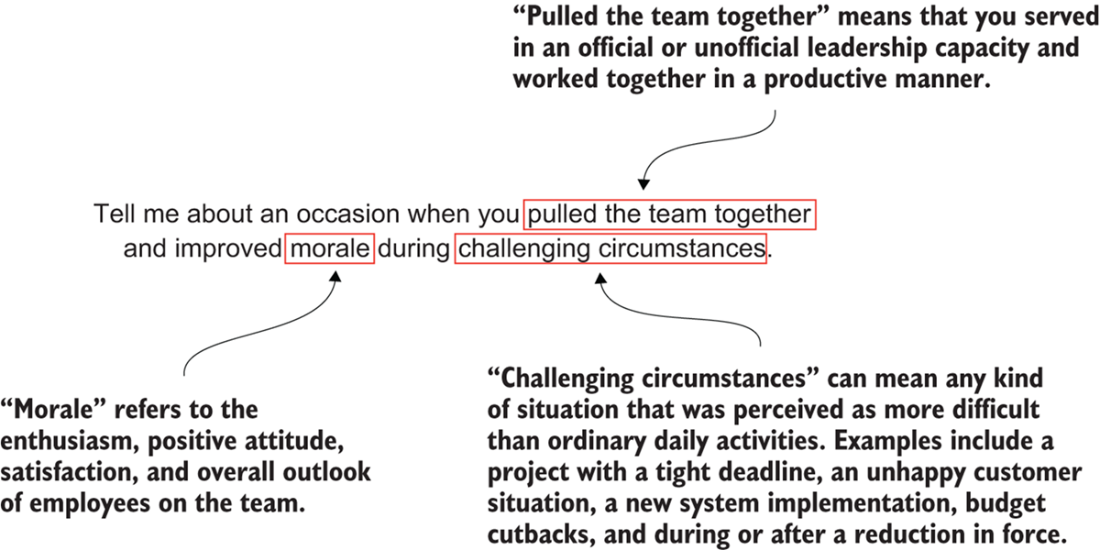
- Cite outcomes: retention or attrition shifts, engagement survey gains, cross-team collaboration, delivery improvementsHow do I discuss boosting morale during challenging circumstances?
- Set the context (layoffs, major change, new system, cost-cutting)
- Acknowledge concerns; increase transparency and communication cadence
- Reprioritize work, remove blockers, celebrate small wins, align on purpose
- Include conflict resolution steps and support resources
- Quantify results: on-time delivery restored, turnover reduced, engagement upHow should I address conflicts among people with different opinions and personalities?
- Establish team norms and decision mechanisms upfront
- Facilitate discussions: separate people from problems; clarify roles and data
- Use 1:1 coaching; mediate when needed; set expectations for behavior
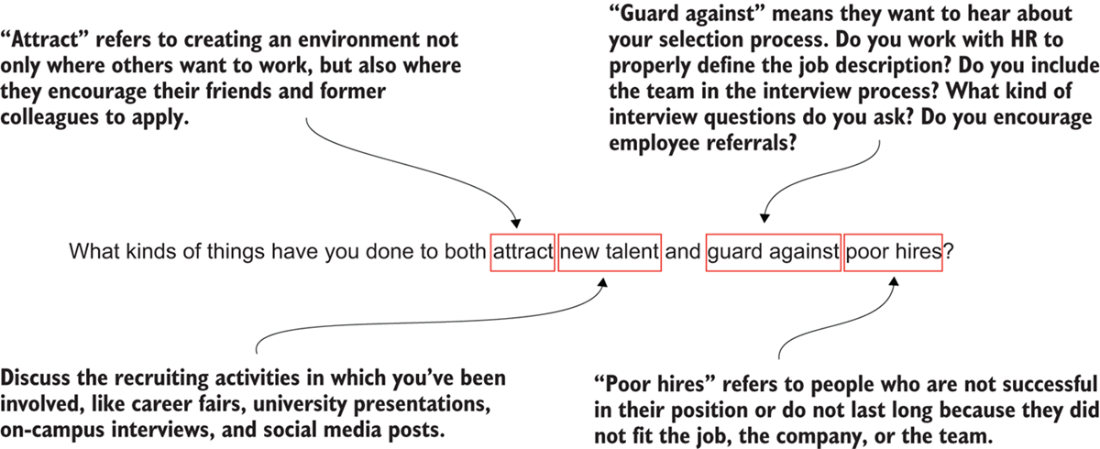
- Close with follow-ups and measurable outcomes (e.g., cycle time, quality, satisfaction)How do I attract top talent and guard against poor hires?
- Calibrate the role for current and future needs; write accurate, compelling JDs
- Partner with HR; diversify sourcing; use structured behavioral interviews
- Assess values alignment and job skills (work samples/case exercises)
- Involve multi-rater panels; conduct reference checks
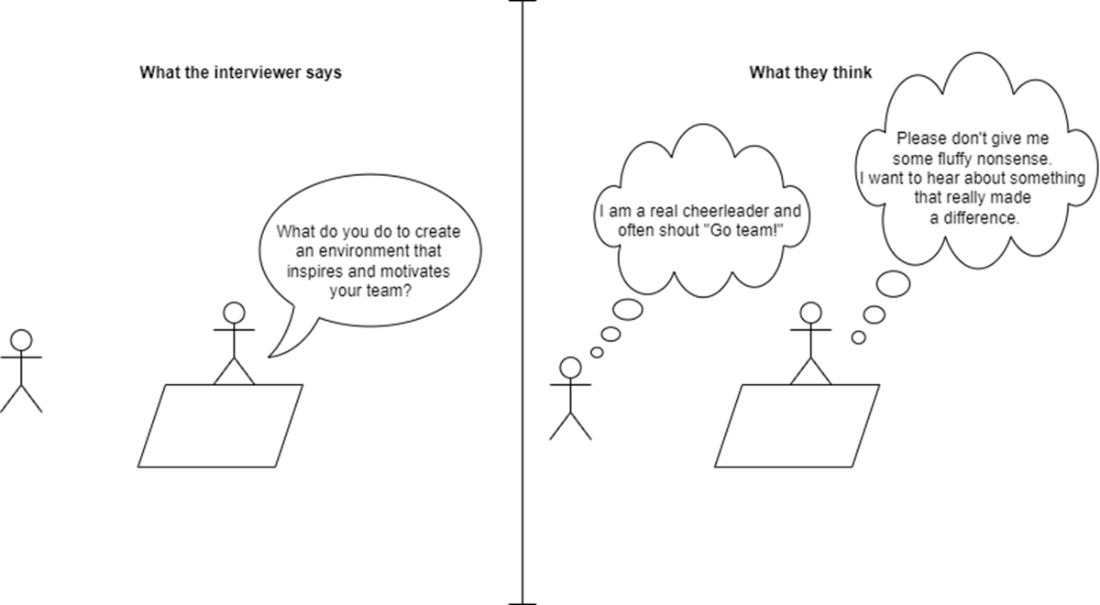
- Define success criteria up front; measure quality of hire and retentionWhat do I do to create an environment that inspires and motivates my team?
- Learn individual motivators in 1:1s; tailor autonomy, mastery, purpose
- Set clear goals and expectations; remove impediments quickly
- Recognize wins publicly and specifically; provide growth opportunities
- Encourage peer recognition and psychological safety
- Avoid superficial pep talks; use evidence of impact: engagement, delivery, retention
Which results and metrics strengthen my leadership answers?
- Retention/attrition (with baselines and timeframes)
- Time-to-fill and quality-of-hire; promotion rate of hires
- Engagement or 360 feedback deltas
- Delivery metrics: on-time, throughput, quality/defects, customer/NPS
- Cost savings or revenue impact; cross-functional satisfactionHow do I show cultural fit with a new company’s leadership?
- Research values, leadership principles, and operating cadence
- Map your examples to those behaviors (without parroting)
- Show adaptability across geographies/time zones; inclusive practices
- Ask thoughtful questions to confirm alignment and expectations
- Share a story where you integrated into a new culture and improved outcomesWhat’s the right balance between empowerment and oversight?
- Diagnose competence and commitment; match support to need
- New/struggling: tighter checkpoints, clear milestones, coaching
- Proven performers: autonomy with defined outcomes and periodic reviews
- Set early-warning signals (risk logs, stakeholder pings); be available without micromanagingHow should I structure my answers and avoid common pitfalls?
- Use STAR/CAR; lead with the headline and end with quantified impact
- Be specific; prefer real examples over generic philosophies
- Focus on what happened in meetings and the results, not just that meetings occurred
- Avoid blame and cheerleading without substance; show decisions, tradeoffs, and learning
- Keep it concise; answer the question behind the question (fit, results, repeatability)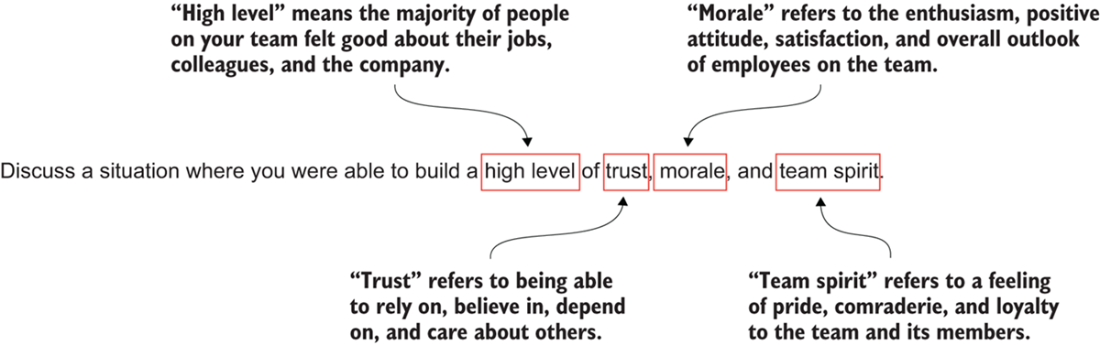

 Interview Speak ebook for free
