4 Perseverance skills, failures, and negative situations questions
This chapter explains how interviewers test perseverance by probing failures, setbacks, and other uncomfortable situations. They are not satisfied with assurances; they want specific, credible stories that reveal self-awareness, resilience, and growth. Candidates are urged to choose examples with real stakes—significant enough to matter but not catastrophic—and to show candor, humility, and a constructive mindset rather than defensiveness or blame.
The chapter groups “negative” questions into themes—failures, useful criticism, regretted decisions, and failed persuasion—and details what each is really assessing. Strong answers set the context, explain actions taken, state outcomes, and—crucially—show what changed afterward. Applicants should avoid faux weaknesses, accept feedback without getting defensive, and pick decisions they can responsibly own while describing remedies taken. When persuasion falls short, the aim is to demonstrate professionalism, timing and resource awareness, and the ability to adjust rather than push harder.
It also covers overcoming resistance to ideas, thinking on your feet with stakeholders or customers, and demonstrating drive, motivation, and sacrifice. Effective techniques include using data and “what’s in it for them,” piloting changes, proactively updating stakeholders, and quantifying results. Stories gain credibility when they “put the interviewer in the room” with concrete details and concise metrics, stay relevant to the role, and finish with clear lessons learned. The chapter closes with reflection prompts to help candidates curate examples that show perseverance under pressure, habits for staying positive, and proof of consistent follow-through.
Key takeaways
The key takeaways from this chapter are:
- Employees often need to deal with problems and unexpected situations. Interviewers want to understand if these issues will stop the applicants from being successful or if they will be able to persuade others to accept their ideas and suggested remedies to problems.
- Candidates need to be ready with good examples that show how they were able to manage their work when faced with difficulties.
- Interviewers also want to know if applicants have the drive and self-motivation needed to succeed, thrive, and move forward even in difficult situations.
- Interviewers ask about failures and mistakes to get a better understanding of how candidates handle them. Most importantly, they want to know what the person learned and what specific changes were made based on that learning.
- It’s important to choose examples that are neither too horrible or too easy and are relevant to the employer.
FAQ
Why do interviewers ask about failures and negative situations?
They want evidence of resilience, humility, and growth. Specific examples show how you handle setbacks, learn, and turn difficult situations into better future performance.How do I choose the right “failure” example?
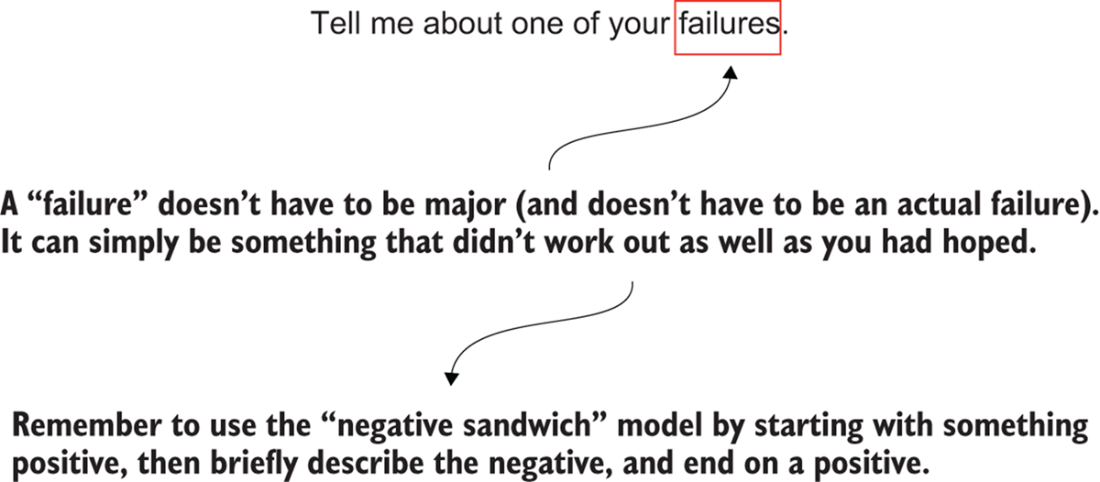
- Pick a real, work-related example with moderate impact—meaningful but not catastrophic.
- Avoid trivial “non-failures” and personal or sensitive topics.
- Show your role, accountability, and what you would do differently now.
- Ensure the story ends with lessons learned and improved behavior.
How should I answer “Tell me about one of your failures”?
- Brief context: goal, your role, timeline.
- What you did and what went wrong (own it, no blame).
- Result: what fell short and why.
- Learning: specific takeaways.
- Now: concrete changes you’ve made that lead to better outcomes.
What’s the best way to discuss useful criticism you received?
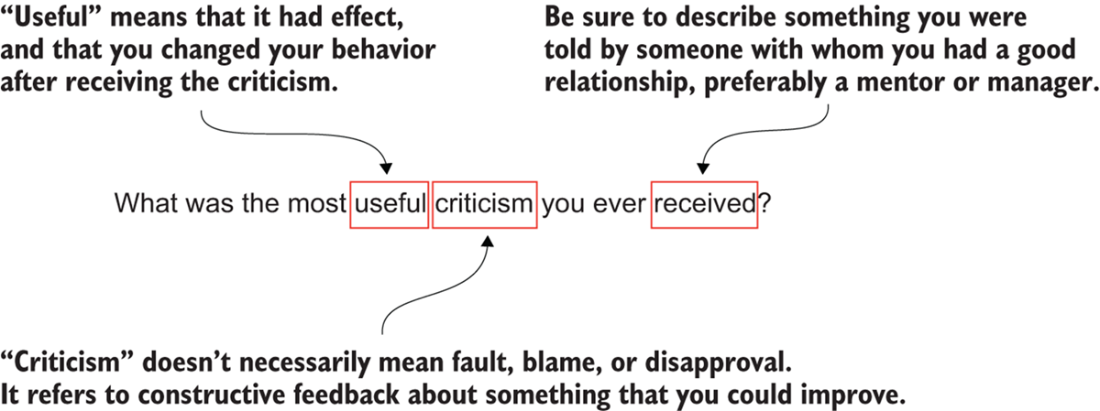
- State the feedback neutrally (no defensiveness).
- Share who gave it and why it mattered.
- Explain what you changed and how you practiced it.
- Show results or metrics that improved.
- Avoid clichéd “fake” weaknesses (e.g., “I’m a perfectionist”).
How do I handle “Describe a decision you later regretted”?
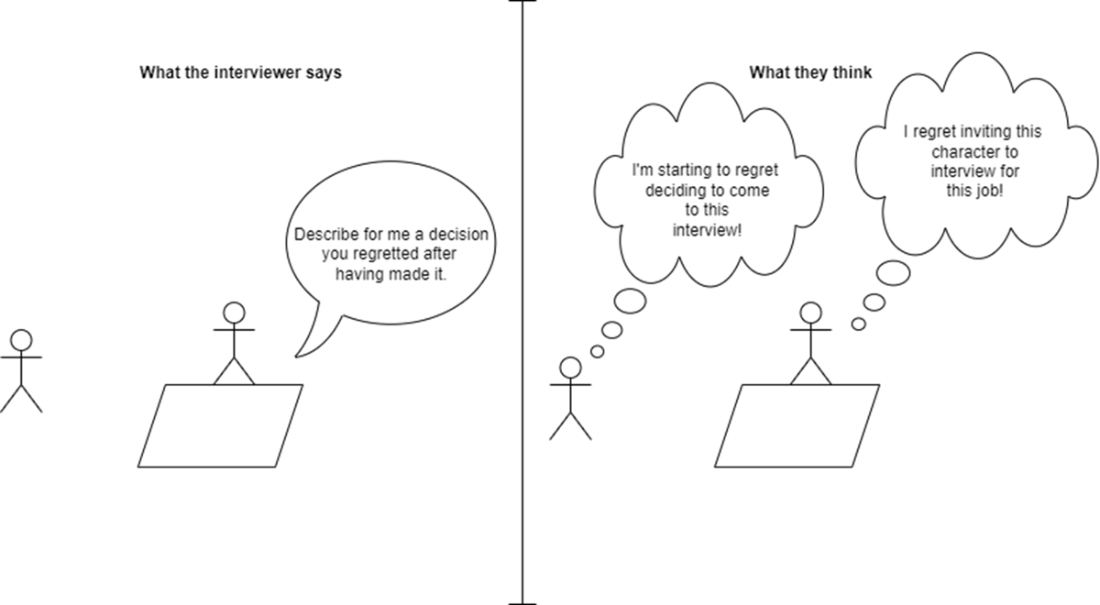
- Choose a decision with limited downside but clear learning.
- Explain your original rationale and new information that changed things.
- Describe corrective actions and stakeholder communication.
- Share the outcome and the decision framework you use now.
How do I answer “Give an example where you failed to persuade someone”?
- Outline your idea, audience, and approach.
- Share their reasons (timing, resources, priorities) without sounding defensive.
- Show maturity: you listened, adapted, and supported the final call.
- Note what you’d do differently next time and any later success with the idea.
How can I show I overcame resistance to my ideas successfully?
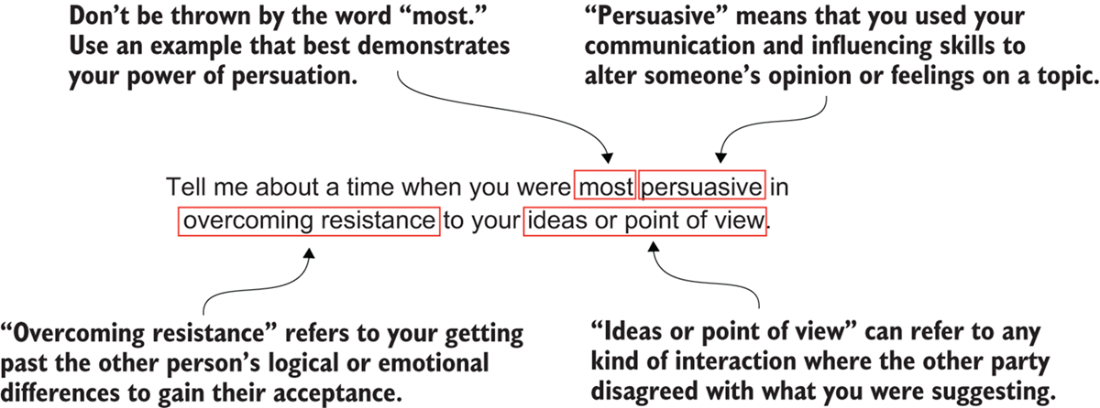
- Describe the idea and the resistance.
- Use data, customer input, and the “what’s in it for them” angle.
- Pilot the change, gather results, and iterate.
- Quantify impact and clarify your leadership role in the outcome.
How do I answer “Think on your feet” questions?
- Set the scene: unexpected issue and why it was delicate.
- Share your rapid assessment and top actions.
- Include exact phrases you used to calm/steward stakeholders.
- End with the positive result and what you learned for next time.
How do I demonstrate perseverance, persistence, and a positive mindset?
- Choose a story (work or personal) with real adversity.
- Show your self-motivation habits (planning, routines, support systems).
- Highlight steady progress and measurable outcomes.
- Connect the traits to the demands of the role you’re pursuing.
How should I discuss sacrifices or extra effort to hit a goal?
- Provide context, stakes, and constraints.
- Explain the extra steps/time you invested and why.
- Emphasize communication and coordination with stakeholders.
- Quantify results, then note how you now plan to avoid heroics when possible.

 Interview Speak ebook for free
