3 Interpersonal skills questions
This chapter explains how interviewers assess interpersonal fit beyond technical ability. They probe for approachability, credibility, and humility; the capacity to influence and gain support; commitment to diversity, equity, and inclusion; and skill in managing conflict. Rather than asking if someone is “difficult,” they elicit evidence through scenarios about building trust, resolving disagreements, and educating stakeholders. The throughline is delivering specific, results-focused stories that balance confidence with humility and show you can relate across levels, functions, and backgrounds while preserving relationships under pressure.
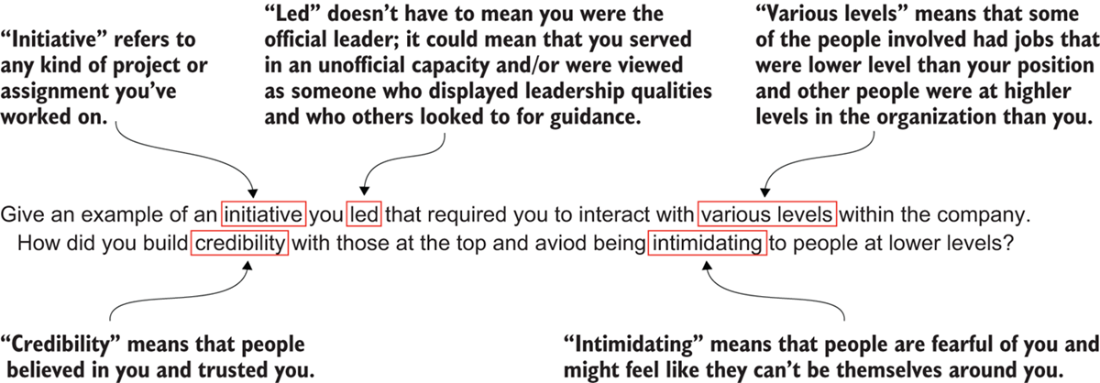
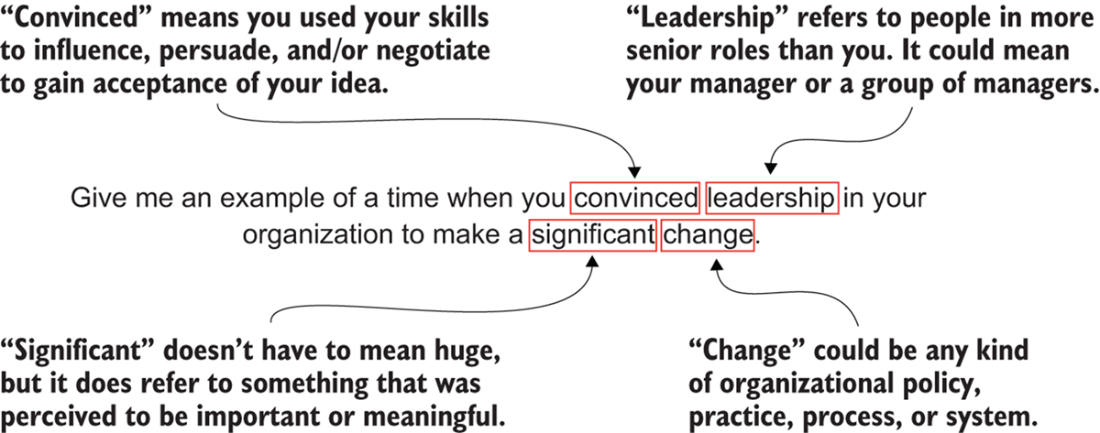
The guidance emphasizes concrete examples over generalities. Candidates are advised to show how they build credibility with senior leaders while remaining approachable to junior staff, and to demonstrate humility by admitting mistakes, seeking guidance, or elevating others when it benefits the work. When influencing change, know your audience, anticipate objections, and use data and clear benefits to gain buy-in; when expectations are unrealistic, educate respectfully, present options, and align on feasible trade-offs. Securing support without formal authority hinges on understanding others’ priorities and framing wins for them. Throughout, the chapter models strong answers and highlights common pitfalls, urging candidates to include what they said and did, why it worked, and measurable outcomes.
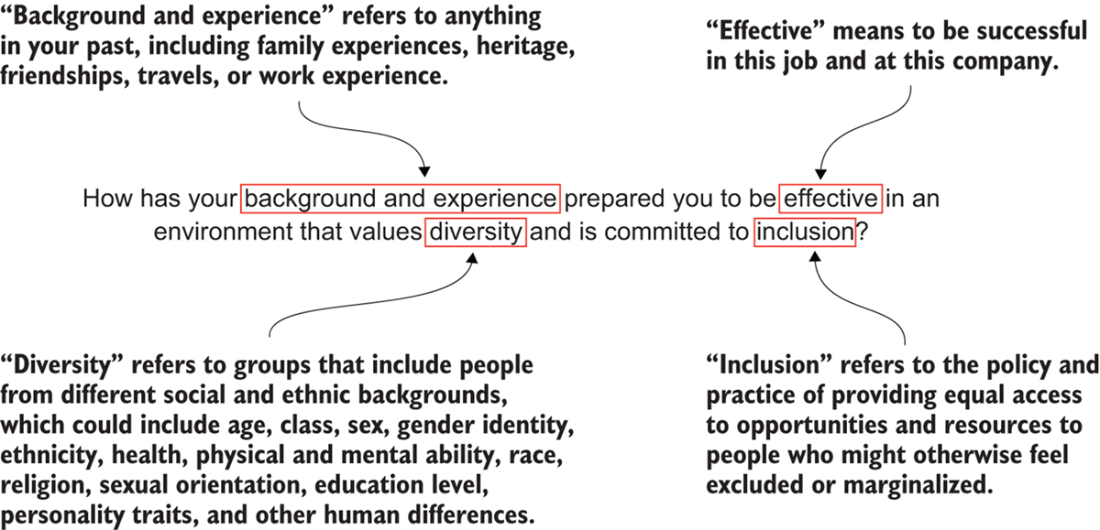
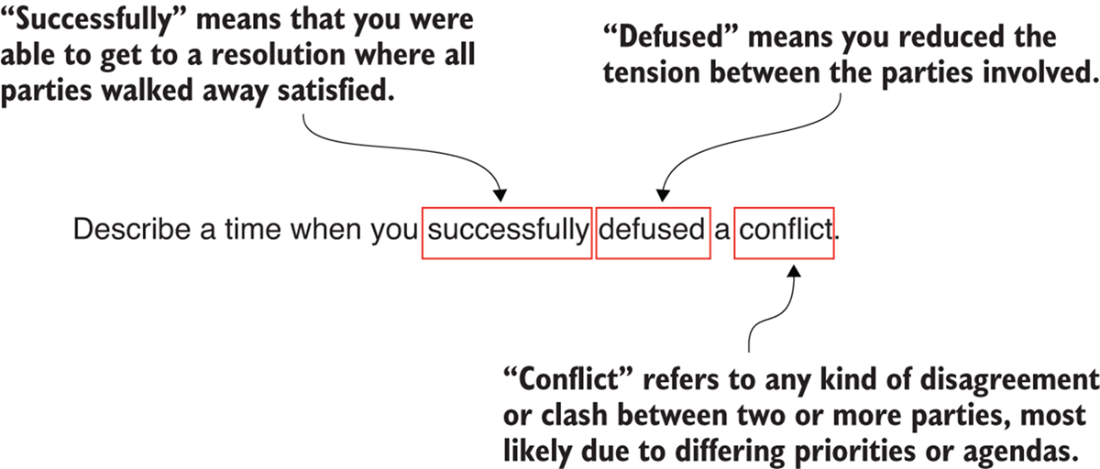
On DEI, the chapter defines diversity, equity, and inclusion, and underscores that many employers expect tangible alignment: research the company’s stance, avoid “I don’t see differences” claims, and instead recognize differences, learn from them, and show inclusive actions (mentoring, hiring practices, collaboration) with business impact. For conflict management, candidates should demonstrate how they defuse tension by listening, asking probing questions, focusing on facts and priorities rather than personalities, and guiding parties to mutually acceptable solutions—again, with clear results. The chapter closes with reflection prompts to curate recent, high-impact stories, clarify personal beliefs, and quantify outcomes so you can confidently evidence interpersonal effectiveness in interviews.
Key takeaways
The key takeaways from this chapter are:
- Interviewers need to know that candidates will be able to get along with others and fit into the company culture. They want people who can build credibility and trust at different levels of the organization. They will ask questions to help determine if applicants are seen as approachable and willing to admit they’re not perfect.
- Candidates should be prepared to give examples of situations when they used their influencing skills to get buy-in from other people and gain support for changes.
- Diversity, equity, and inclusion are important areas for many companies. Interviewers want to learn about applicant’s beliefs and experiences. This information will help them to determine if someone will be a good fit for the team and company.
- Applicants should research the company’s values and mission statement to learn more about their approach to DEI. This can be a tricky question so it’s important to be prepared with an answer that aligns with those values.
- Effectively dealing with conflict is an important skill needed in many jobs. Interviewers want to know that applicants will be able to handle potential problems and manage them positively.

 Interview Speak ebook for free
