2 EHRs and clinical workflows
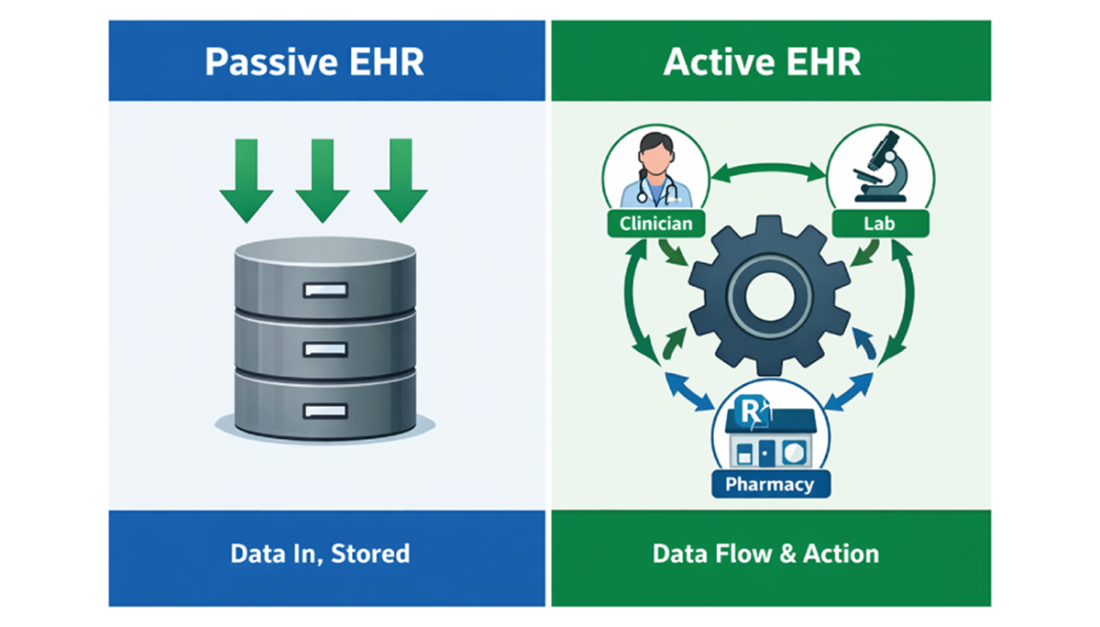
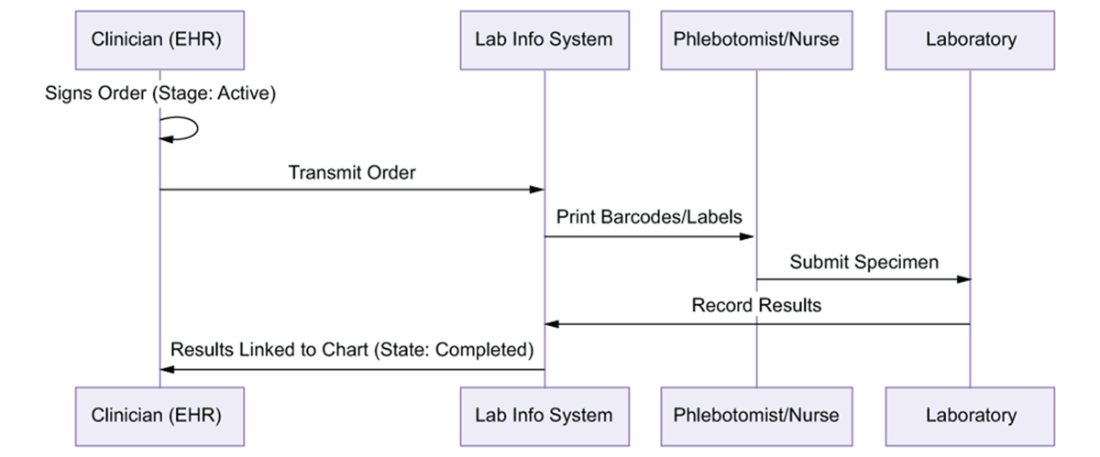
This chapter reframes the Electronic Health Record as an active workflow engine rather than a passive digital filing cabinet. It explains how modern care is executed through consistent, machine-readable clinical workflows that the EHR coordinates across clinicians, staff, and connected systems. Spurred by federal policy—especially HITECH, Meaningful Use, and the CEHRT program—EHRs have become the predominant system of record and orchestration, guiding and constraining tasks like ordering tests, documenting care, routing work, and capturing data. A routine lab order exemplifies this shift: beyond storing results, the EHR drives the end-to-end process, aligns responsibilities, and records the details needed for safe, reliable care.
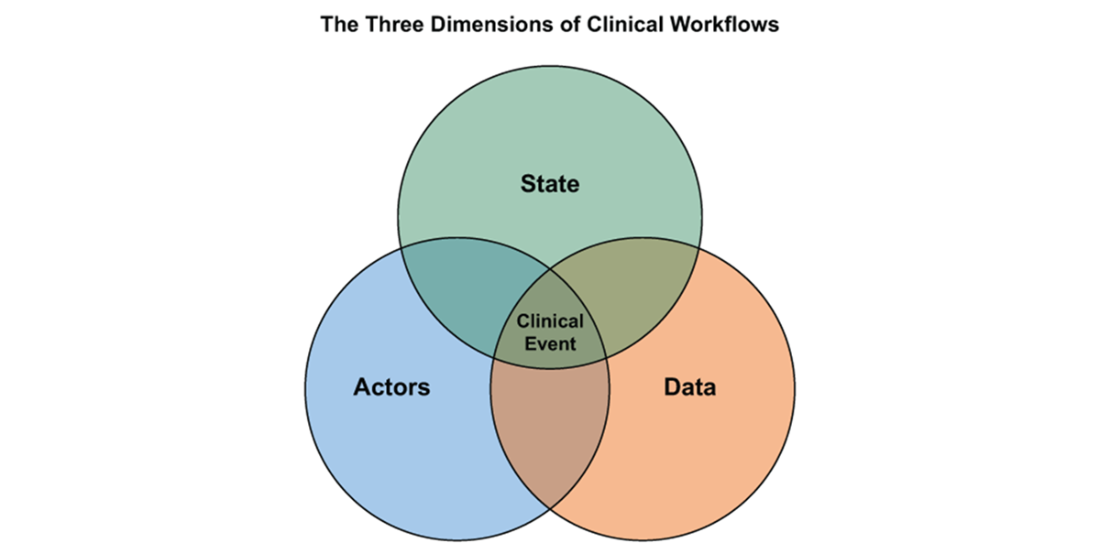
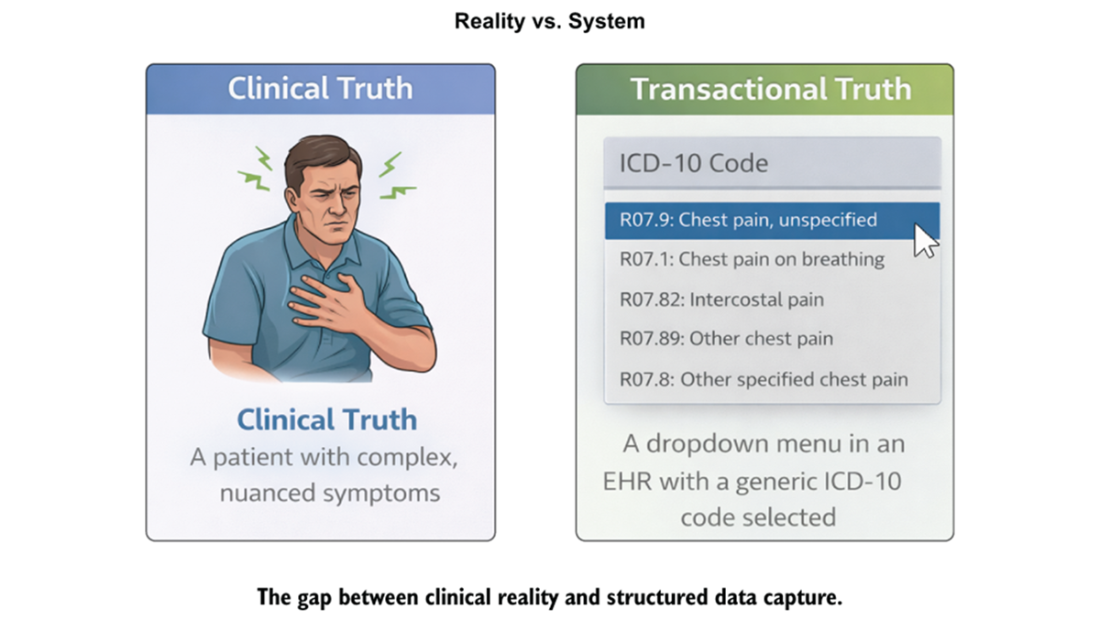
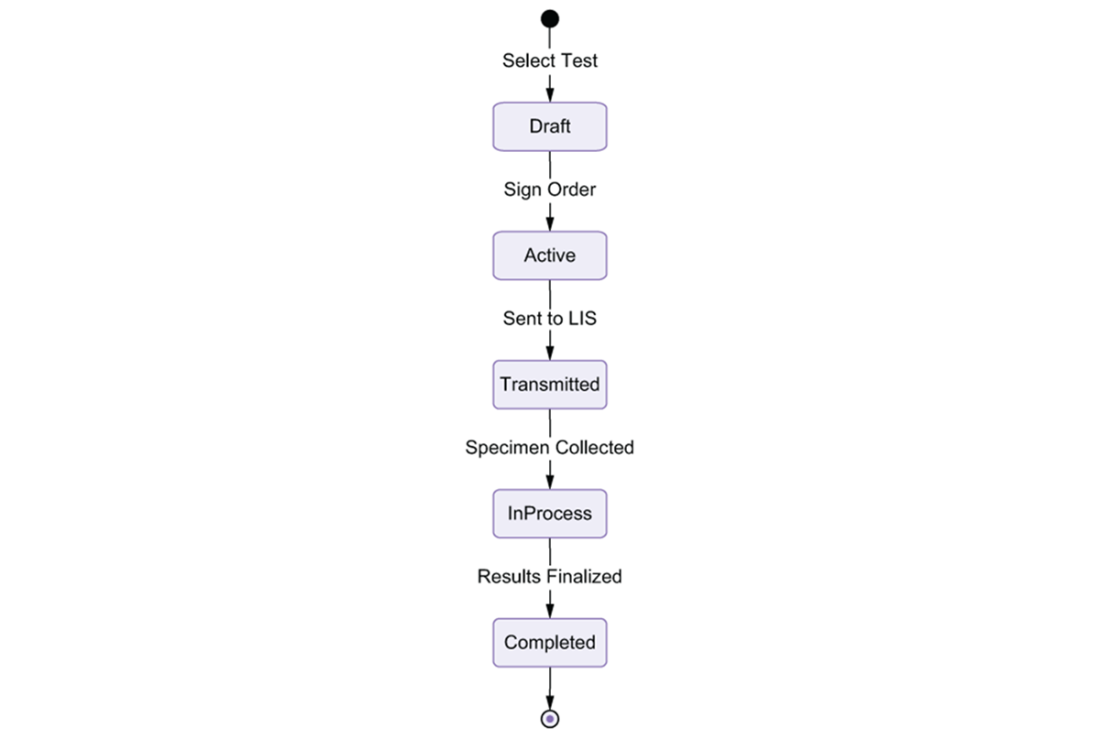
The chapter introduces the Actors–State–Data model to show how EHRs turn clinical steps into machine-readable “clinical events.” By identifying who is responsible (actors), where the task is in its lifecycle (state), and what information is required or produced (data), the system enforces logic akin to finite state machines, complete with timestamps, audit trails, and guarded transitions (for example, from draft to active to completed). This orchestration spans people and “system actors” (algorithms, external services), extends to patient portals and document exchange, and ensures results and actions are linked back to the patient. It also surfaces a persistent challenge: the gap between clinical truth and transactional truth, where user-interface constraints and click fatigue can distort the recorded “why” behind actions, even when standardized codes such as ICD-10 are used—highlighting the ongoing difficulty of semantic interoperability.
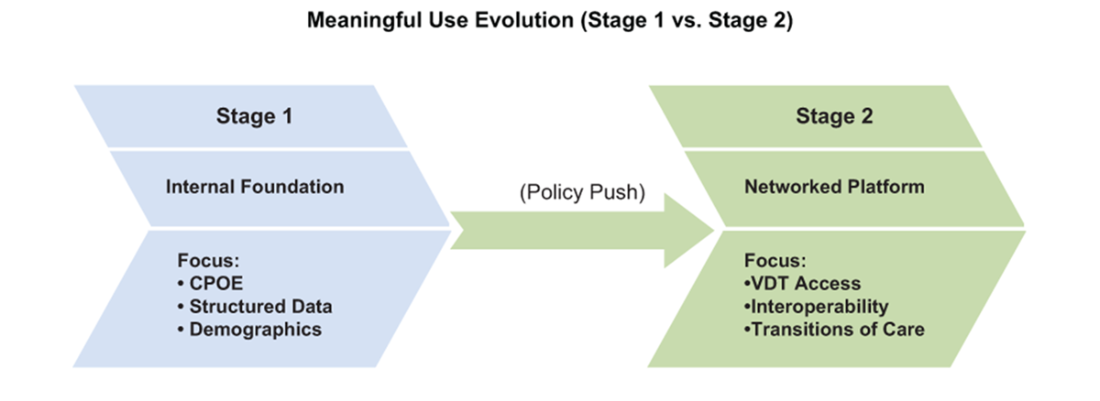
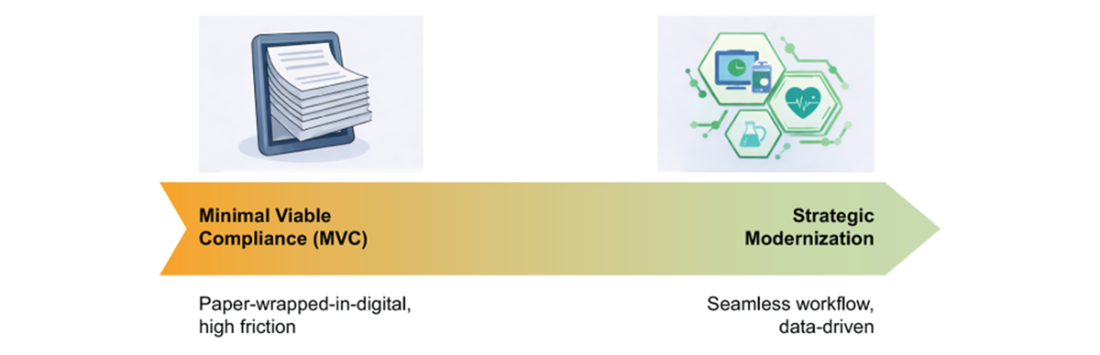
Policy shaped the technical baseline and everyday use: Stage 1 prioritized adoption and structured electronic capture (e.g., CPOE and key clinical data), while Stage 2 raised thresholds and pushed data movement across organizations and to patients (e-prescribing, lab interfaces, summaries of care, view/download/transmit access), turning EHRs into networked platforms. Despite a shared certification baseline, implementations vary widely based on incentives and local strategy—from genuine modernization with redesigned workflows and governance to minimum viable compliance that met measures but sometimes introduced burdens like rushed documentation, clinician burnout, and vendor lock. Developer takeaways include modeling every workflow through actors, state, and data; expecting concurrent, interacting state machines; and designing for interoperability that preserves clinical meaning. Ultimately, the EHR’s value lies in reliably recording who did what, for whom, why, where, and when—transforming clinical work into a queryable, analysable, and exchangeable sequence of events.
Comparing the passive database model to the active workflow engine model.
Sequence diagram of an EHR-driven lab ordering workflow.
The integration of Actors, State, and Data forming a Clinical Event.
The policy progression from internal data capture to networked data movement.
The divergence between complex clinical reality and structured system data.
State transition diagram for a CBC lab order.
The spectrum of EHR implementation strategies based on organizational incentives.
Summary
- Modern EHRs function as active workflow engines that orchestrate clinical care rather than serving as passive digital filing cabinets.
- Clinical activities are transformed into machine-readable data events by coordinating three primary elements: actors, states, and data.
- Federal policies like HITECH and Meaningful Use defined the technical baseline for EHRs, ensuring they can capture and exchange standardized data.
- Effective health IT development requires bridging the gap between "clinical truth" (the patient's story) and "transactional truth" (the structured data required by the system).
- Using state machines to manage clinical workflows ensures data integrity and prevents the skip-coding or missing steps that lead to clinical errors.

 Healthcare IT ebook for free
