As a closing guide for building a career with statistics, the chapter emphasizes that statistical thinking is useful far beyond the title of “statistician.” It can improve everyday judgment, help solve product and business problems, and even expose weak or misleading metrics. The bigger lesson is to understand how data is created, what biases or incentives shape it, and how your analysis can create real value instead of merely producing numbers.
It also argues that career success depends on combining statistics with practical, adjacent skills and strong domain knowledge. SQL, Python, programming habits, visualization, and communication all matter, but they matter most when matched to the industry you work in and the specific problems your organization needs solved. Rather than chasing trendy tools or credentials for their own sake, the chapter recommends learning what your workplace actually values, identifying whether you are more of a hands-on practitioner or an advisor, and building a portfolio of useful, visible work.
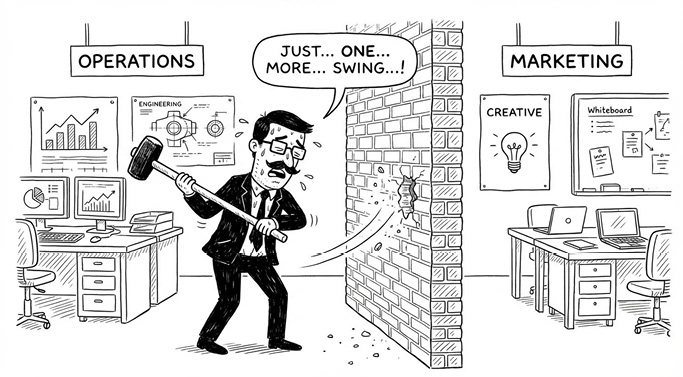
The final message is to stay strategically alert and ethically grounded in environments shaped by hype, politics, and pressure. The chapter warns against “cart before the horse” thinking, vanity projects, unclear roles, organizational silos, and the careless use of AI. It advises readers to verify AI output, watch for misaligned incentives, communicate carefully, and remain curious rather than judgmental. In short, the best career move is to stay analysis-driven, ask the right questions, and keep solving real problems with humility and integrity.
```
Summary
You do not need a high stack of academic credentials to practice statistics, because any profession (at any level) that touches data can make valuable use of statistical knowledge.
Pair your statistics knowledge with adjacent skills such as SQL, programming, data visualization, storytelling, and industry knowledge to become professionally versatile.
Be wary of roles that put the cart before the horse, where solutions are chosen before identifying the problem. It is always better to identify tangible and valuable problems first and then choose the right solution accordingly.
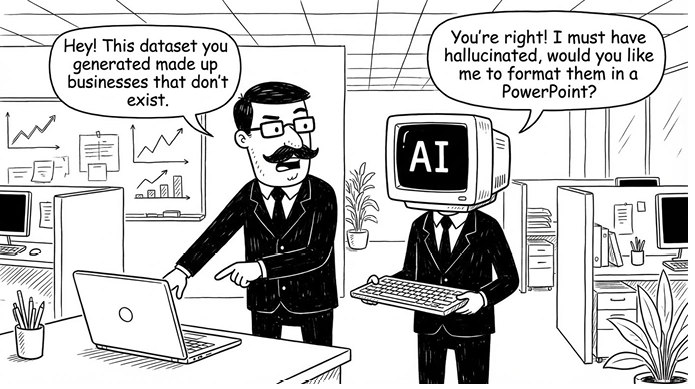
When using AI to assist with your work, treat it like a speedy intern who can provide a lot of information quickly but might miss relevant or correct information.
Remain ethical by practicing diplomacy and distancing yourself from questionable claims as necessary, labeling them as “hypotheses” rather than “facts,” and being dryly transparent without editorializing judgments.
FAQ
Why does the chapter say statistics skills are useful in more jobs than just “statistician” roles?Statistics show up anywhere data is used, so many jobs benefit from statistical thinking even if the title does not include “statistician.” Roles like analyst, data analyst, business analyst, product analyst, researcher, data engineer, and data scientist can all use statistics in practice.What is domain knowledge, and why is it so important for using statistics well?Domain knowledge means understanding the industry or business context around the data. It matters because data alone can be misleading without knowing how the industry works, what the incentives are, and what the metrics really mean.What are some good questions to ask about my industry when I use statistics at work?Helpful questions include: How does the data create value? Why were certain decisions made? What incentives shape the industry and company? What are the opportunities and threats? What is the return on investment of the analysis?How should I choose a statistics-related job if I’m starting out?Look beyond job titles and focus on the job description. Entry-level roles often use keywords like analyst, data, analytics, analysis, or modeling. It is also smart to look for roles in industries you care about, such as finance, policy, or sports.What adjacent skills should someone with statistics knowledge learn?Useful adjacent skills include SQL, Python, programming fundamentals, data visualization, storytelling, version control, unit tests, security, and basic software engineering concepts. The best choice depends on the work you want to do, but SQL and Python are especially valuable.How can I use SQL and Python together in a statistics career?SQL is useful for retrieving, transforming, and writing data, while Python helps automate workflows, build analyses, and connect tools. Together, they let you do self-service data retrieval, build data pipelines, and create repeatable analysis workflows.What is the difference between a practitioner and an advisor in a data or statistics role?A practitioner does hands-on work like coding, cleaning data, and deploying models. An advisor focuses more on strategy, research, and helping leadership make decisions. Some people do both, but many roles lean more toward one side.How can I avoid getting stuck on hype-driven or low-value projects?Start with the problem, not the solution. Ask what problem is actually pressing, what would reduce costs or risk, and whether the proposed tool is really necessary. This helps you avoid “putting the cart before the horse” and working on vanity projects or busywork.How should I think about AI as a statistics professional?Use AI as a helpful assistant, not an authority. It can speed up coding and analysis, but its output must be verified. Treat it as a fast but error-prone intern, especially when the stakes are high or the code affects security, accuracy, or maintenance.What is the best way to stay ethical under pressure in a statistics job?Be diplomatic, focus on facts rather than judgments, and pay attention to incentives and politics. If something seems unethical or illegal, document carefully, seek outside legal advice if needed, and protect yourself. Above all, stay curious, ask questions, and keep the analysis grounded in context.
pro $24.99 per month
access to all Manning books, MEAPs, liveVideos, liveProjects, and audiobooks!







 Grokking Statistics ebook for free
