8 The Database as an Architectural Pillar: Choosing Between Strict Order and Massive Scale
This chapter frames the database as a core architectural pillar rather than a passive storage bucket, arguing that the right choice depends on the physics of the workload. It contrasts relational databases, which emphasize strict structure, integrity, and ACID guarantees, with document and key-value systems, which favor flexibility, horizontal scale, and fast writes. It also introduces vector databases as a third pillar for AI-driven semantic search and recommendation tasks, where meaning matters more than exact keyword matching.
The chapter then explains how SQL and NoSQL have converged over time, so the old “feud” is less useful than a tradeoff-based mindset. SQL remains the default for most business data because it handles relationships, joins, consistency, and transactional safety extremely well. NoSQL is better for variable schemas, aggregate-oriented access patterns, and massive scale, but it shifts complexity into application code and often relaxes consistency. Vector databases solve a different problem entirely by turning text or images into embeddings and searching by similarity, though they introduce their own accuracy and infrastructure costs.
Beyond database selection, the chapter emphasizes that good architecture depends on schema design, performance tuning, and security discipline. It covers normalization versus denormalization, the need for indexes and proper data types, the importance of ORMs as helpful but leaky abstractions, and the danger of SQL injection if user input is concatenated into queries. The broader lesson is to choose tools by access patterns, integrity requirements, and operational cost, often using a polyglot approach where SQL, NoSQL, and vector storage coexist to serve different parts of the system.
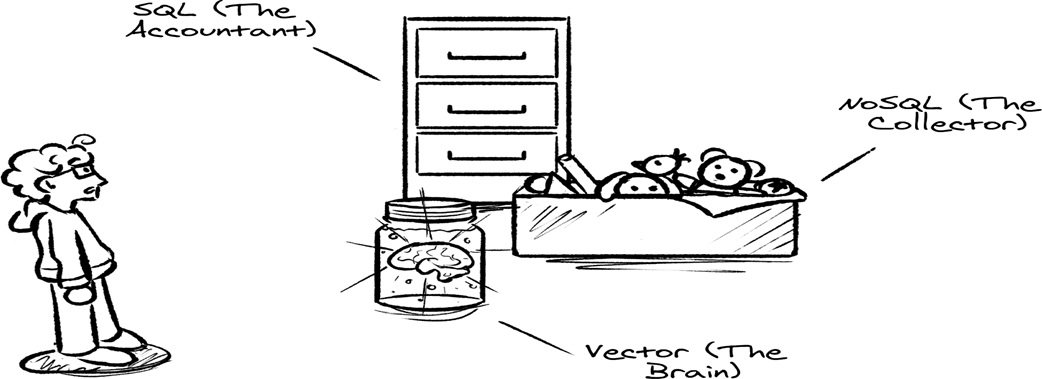
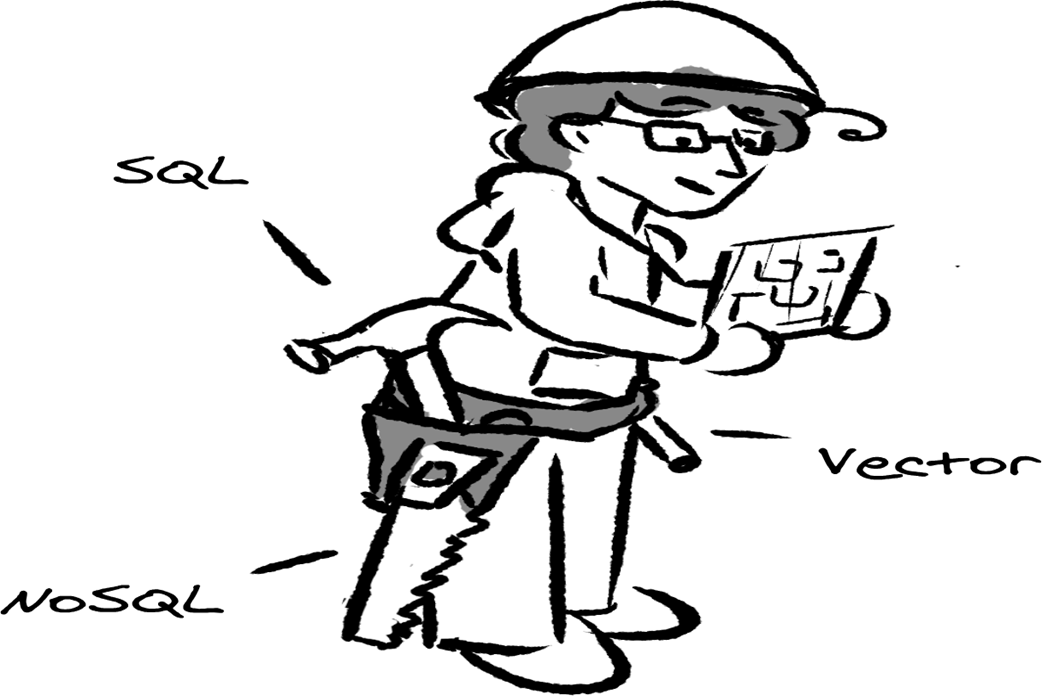
The Database Landscape: You must choose between Strict Order (SQL), Massive Scale (NoSQL), or Semantic Meaning (Vector).
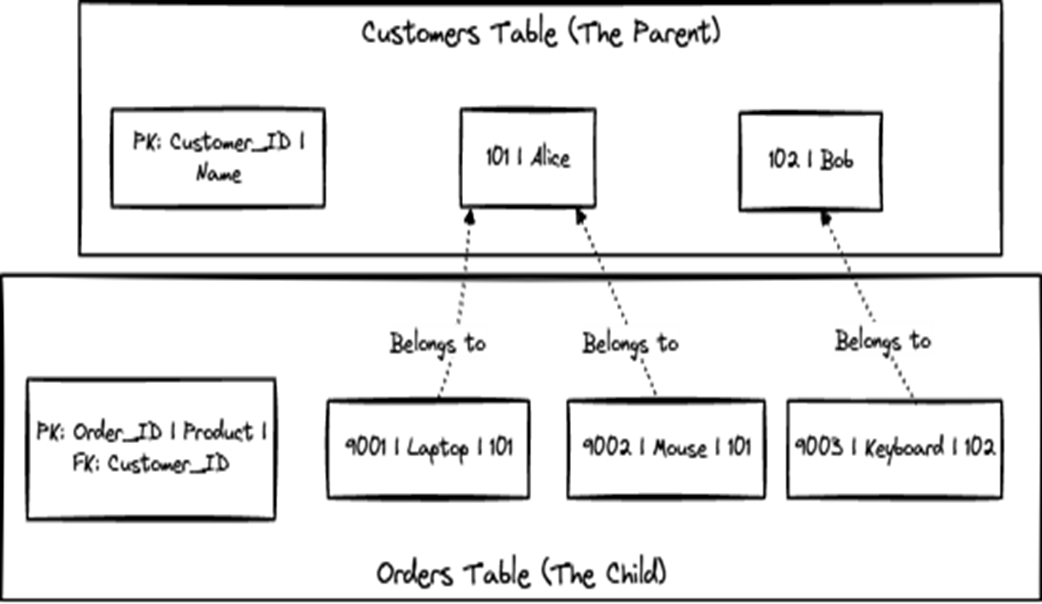
Showing how Primary Keys and Foreign Keys work together to link tables. The child table (Orders) uses the Customer_ID as a Foreign Key to point directly back to its parent record (Customers), establishing a clear one-to-many relationship.
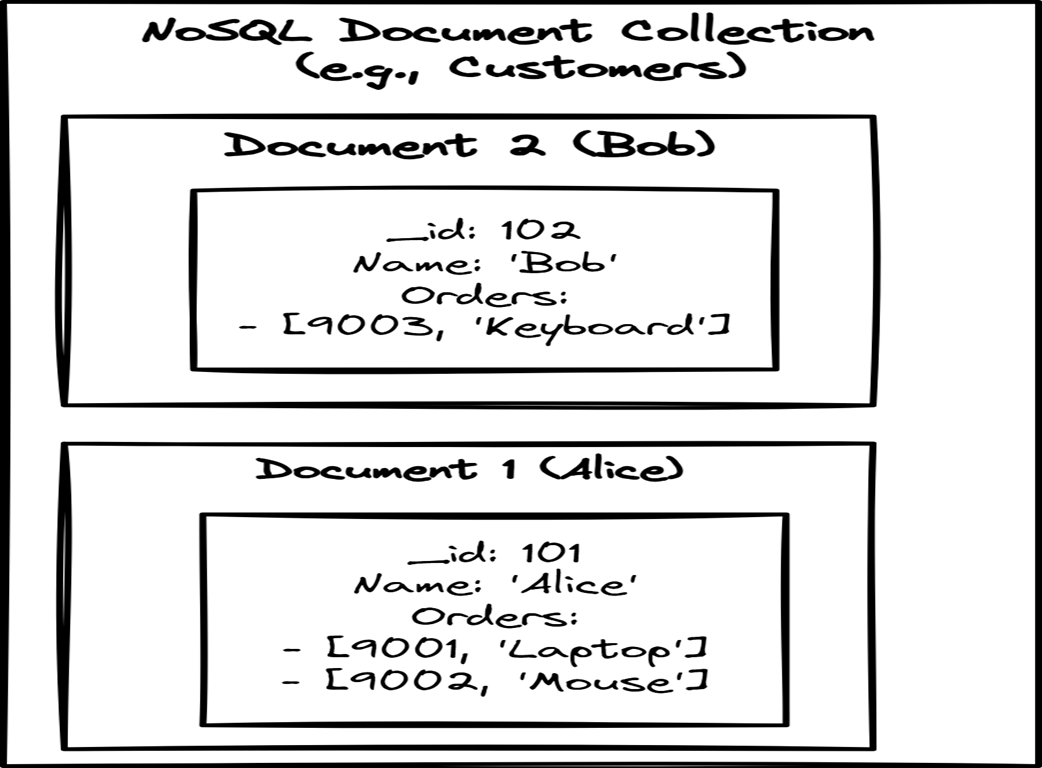
Showing how NoSQL Document databases store data. Instead of splitting a customer and their orders across separate tables linked by Foreign Keys, all related information is nested into a single, self-contained document. When the application asks for Alice's profile, the database returns her orders at the exact same time; no expensive "Joins" required!
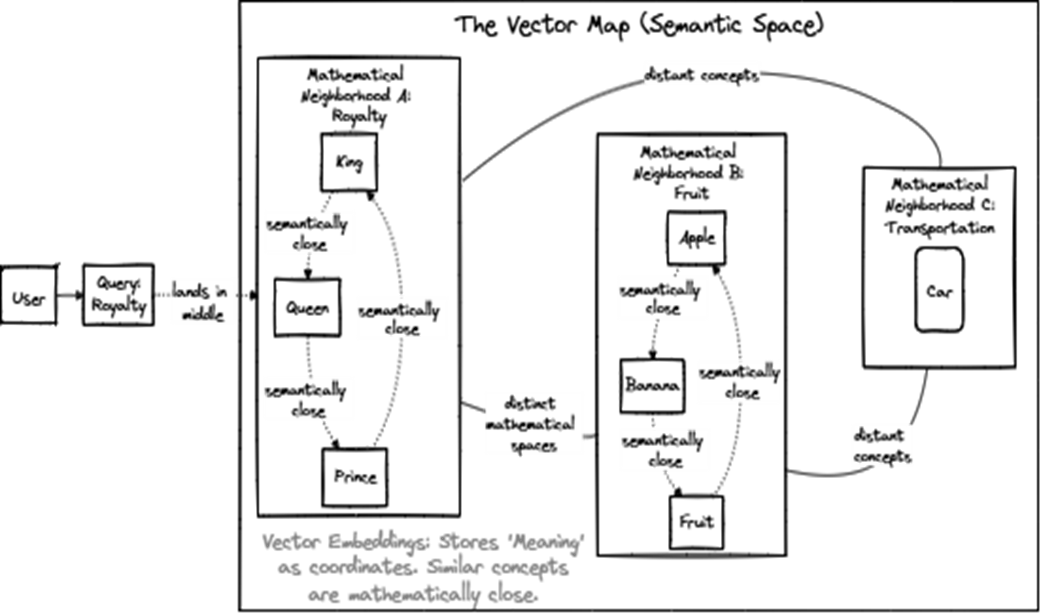
Vector Embeddings: The database stores "Meaning" as coordinates. Concepts that are semantically similar live in the same mathematical neighborhood.
The Polyglot Architect: Don't look for one perfect database. Use the right tool for the specific workload.
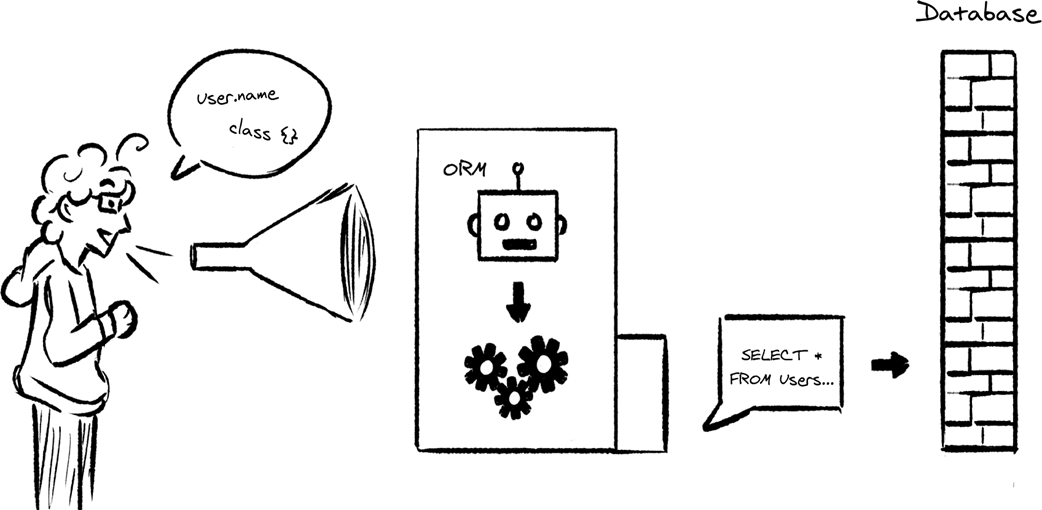
The Translator: The ORM translates your Object-Oriented code (Classes) into Relational Language (Tables) so you don't have to speak SQL manually.
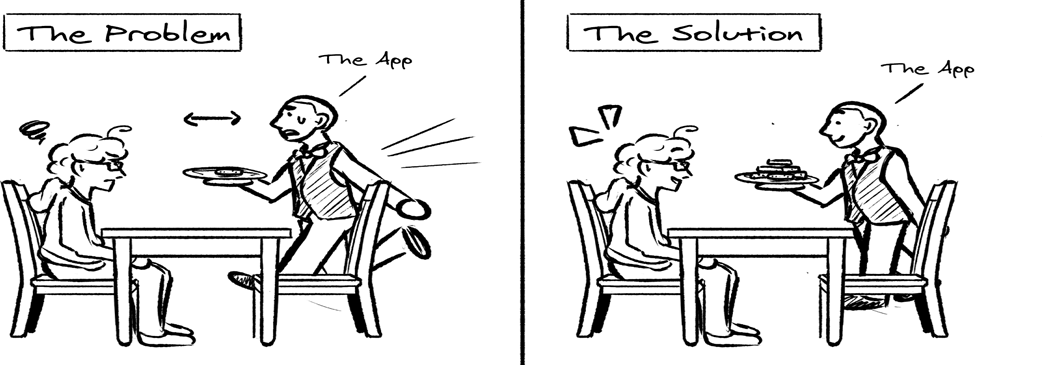
The N+1 Problem: Fetching data in a loop is like making a separate trip to the kitchen for every single french fry. Always fetch in batches!
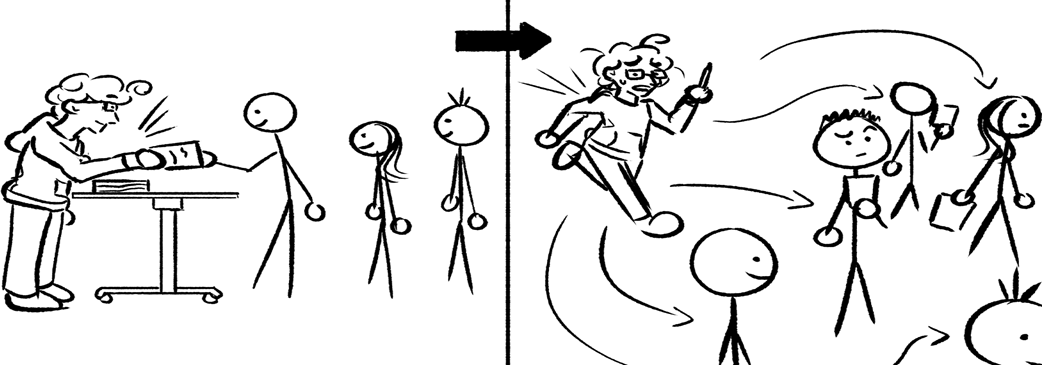
Normalization: When you store data in one place, a single update propagates to everyone instantly. (Data Integrity).
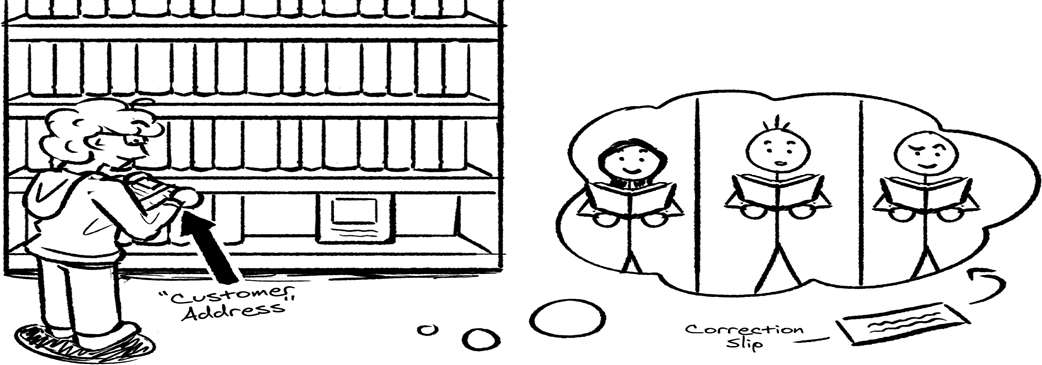
Denormalization: Duplicating data makes reading fast (no waiting), but maintaining updates becomes a nightmare.
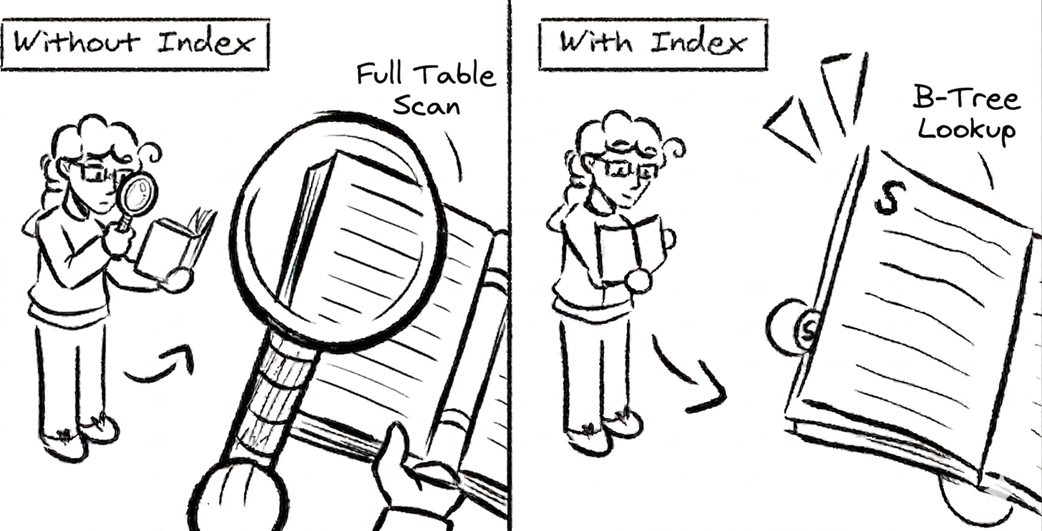
Indexing: An index allows the database to jump directly to the data instead of scanning every single row.
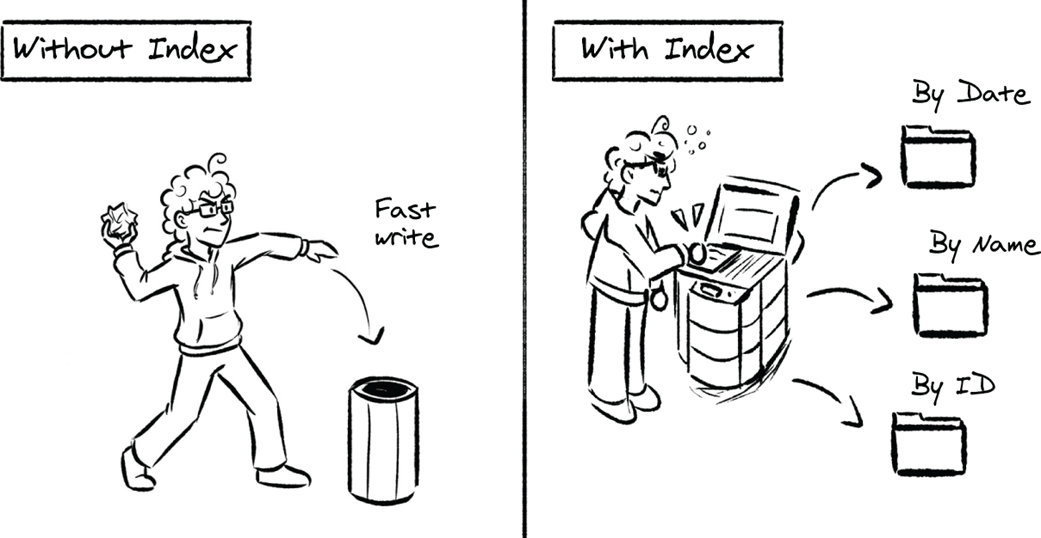
The Tradeoff: Indexes speed up reads (finding the file) but slow down writes (you have to file the paper in multiple places).
SQL Injection: If you concatenate strings, the database executes your input as a command. (Unsafe).
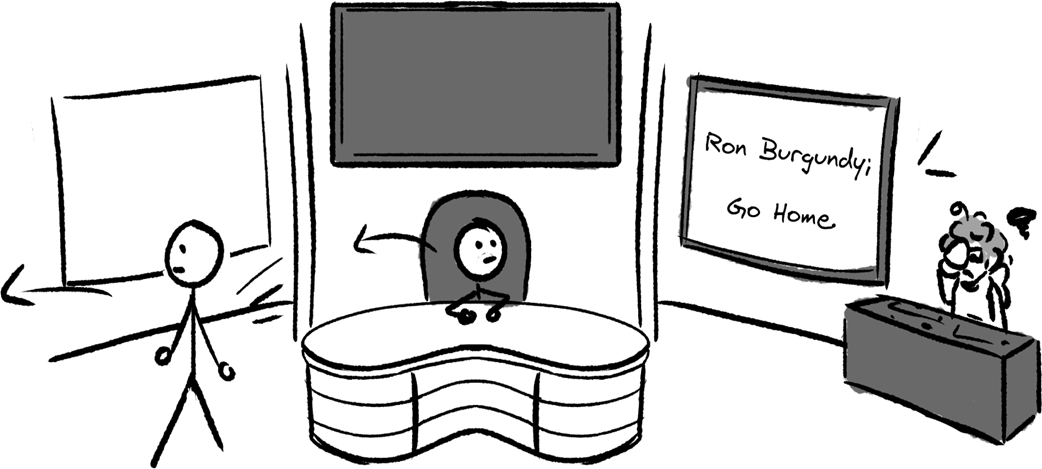
Parameterized Queries: By treating user input as data, not code, the malicious command is neutralized. (Safe).
Recap
- The database is not a black box; it is a physical machine with constraints on CPU, RAM, and IOPS that no ORM can fully abstract away.
- We moved beyond the "One True Database" mindset to a Polyglot Persistence model: SQL for ACID transactions, NoSQL for massive scale, and Vector databases (or extensions like pgvector) for semantic search and AI features.
- ORMs boost productivity with declarative querying, type safety, and built-in protection against SQL injection, but they are “leaky abstractions” that can cause the N+1 Problem and other performance issues if you don’t explicitly eager load and design queries with the database in mind.
- Good schema design balances normalization and denormalization: normalize by default for a single source of truth, and only denormalize, cache (e.g., Redis), or use read replicas when you need to hit strict performance targets, such as sub-100ms reads.
- The "Hydra" taught us that bad data modeling (confusing values with structure) creates rigid, unmaintainable architectures that no amount of clean code can fix.
- Indexes are the database’s "phone book": they can speed up lookups by 100–1000x but introduce a write penalty on every INSERT, UPDATE, and DELETE. Choosing the right columns to index (and avoiding over-indexing low-cardinality or massive text fields) is critical.
- Using the correct data types (instead of "lazy strings") is essential. Choosing native DATE/TIMESTAMP, BOOLEAN, and INTEGER types avoids expensive parsing, reduces storage bloat, and lets the database enforce validity (like rejecting impossible dates) for you.
- Security is non-negotiable. We protect against SQL Injection (and "Little Bobby Tables") by treating user input as passive data via Parameterized Queries, never as executable code.
FAQ
```htmlWhat is the main difference between SQL, NoSQL, and vector databases?
SQL databases are built for strict structure and strong consistency, NoSQL databases are built for flexible schemas and massive scale, and vector databases are built for semantic meaning and similarity search.
When should I choose a relational database over NoSQL?
Choose SQL when you need predictable data structure, complex joins, strict integrity constraints, and ACID guarantees, especially for data like orders, financial records, inventory, and medical systems.
What is ACID and why does it matter?
ACID stands for Atomicity, Consistency, Isolation, and Durability. It matters because it ensures transactions are reliable, correct, and safe even when failures happen during critical operations like payments or inventory updates.
What is BASE, and how is it different from ACID?
BASE stands for Basically Available, Soft State, and Eventually Consistent. It is common in NoSQL systems that prioritize availability and scale over immediate consistency, making it suitable for things like likes, logs, and other tolerant workloads.
What is aggregate orientation in NoSQL document databases?
Aggregate orientation means grouping related data into a single document so it can be read in one operation. This improves read performance and avoids joins, but it can make updates to shared data more complicated.
Why are vector databases useful for AI applications?
Vector databases let you search by meaning instead of exact keywords. They work by storing embeddings, which represent concepts as numbers in high-dimensional space, making them ideal for semantic search, recommendations, and RAG systems.
What is the role of an ORM in database access?
An ORM translates object-oriented code into database queries, helping developers avoid raw SQL most of the time. It improves productivity, type safety, and security, but it can also hide performance problems if used carelessly.
What is the N+1 query problem?
The N+1 problem happens when code loads one set of records and then triggers one extra query for each record in a loop. This creates many unnecessary database calls and can severely hurt performance.
Why should I use parameterized queries instead of string concatenation?
Parameterized queries keep user input separate from SQL code, which prevents SQL injection attacks. This protects your database from malicious input like the famous “Little Bobby Tables” example.
How do I choose between normalization and denormalization?
Normalize by default when data integrity and consistency matter most. Denormalize only when you have a proven read-performance bottleneck and need faster access, even if that means duplicating data and accepting more update complexity.

 Grokking Software Architecture ebook for free
