11 Foundational Security Architecture: Building the Fortress, Not Just the Fence
Security is treated as a fundamental architectural responsibility, not an add-on or a task to hand off at the end of development. The chapter argues that modern systems must be designed with the assumption that breaches will happen, especially in cloud and distributed environments where the old perimeter model no longer holds. Instead of trusting a hardened outer wall, architects should focus on limiting blast radius and protecting the core even if an attacker gets past the first layer of defense.
The chapter builds this mindset around two key principles: Least Privilege and Defense in Depth. Least Privilege means every user, service, and process gets only the minimum access needed, whether that is a read-only database credential, restricted network access, or limited file permissions. Defense in Depth adds multiple independent layers of protection, such as network segmentation, firewalls, identity checks, application-level validation, and encryption, so that one failed control does not expose the whole system. Together, these principles shift security from “keep attackers out” to “contain them if they get in.”
To make those ideas concrete, the chapter shows how API Gateways, Identity Providers, OAuth, OIDC, and Zero Trust work together to centralize authentication and enforce verification at every boundary. It also covers secure secrets management, runtime credential retrieval, secret rotation, and incident handling so passwords are never hardcoded or permanently exposed. Finally, threat modeling with STRIDE and the Target HVAC breach illustrate how overlooked third-party access, weak segmentation, and implicit trust can turn a minor foothold into a catastrophic breach, reinforcing the need for proactive security design, continuous assessment, and tightly controlled integrations.
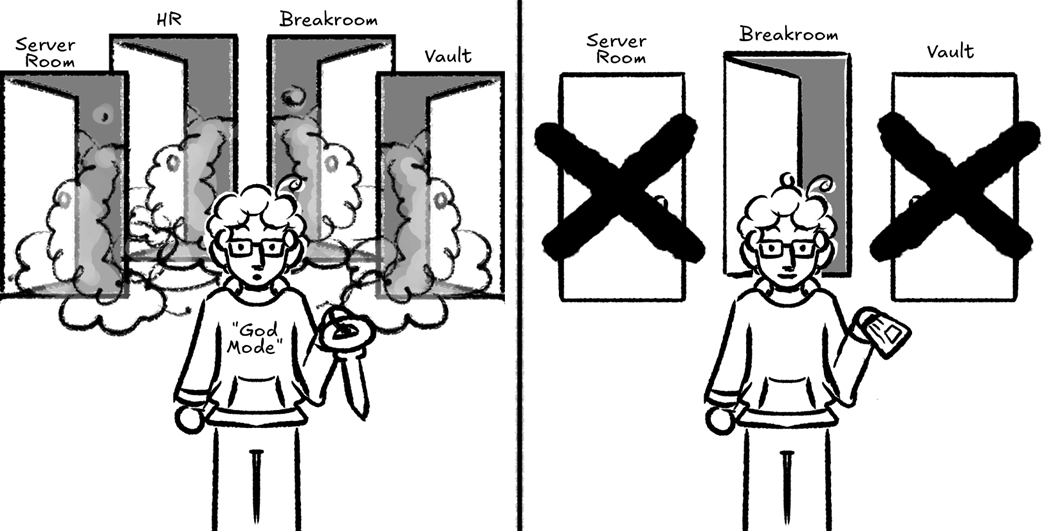
Archie learns that "God Mode" is a liability. Least Privilege ensures a stolen keycard only grants access to the coffee machine, not the core database.
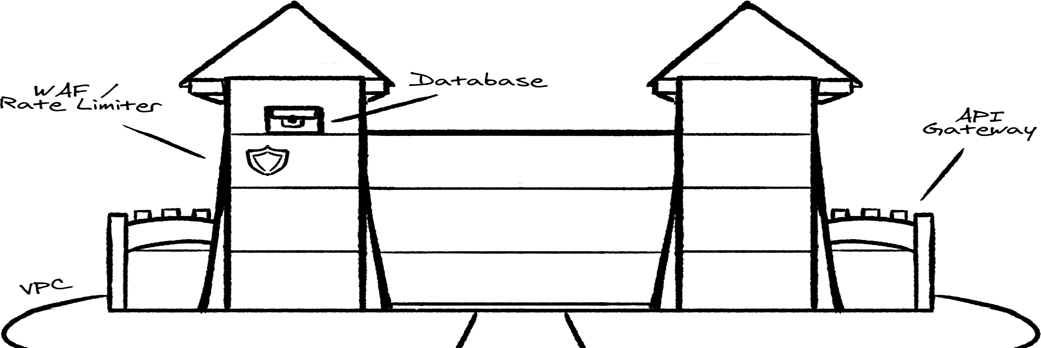
Defense in Depth means the attacker must survive the moat, the archers in towers, and the portcullis before they ever reach the database.
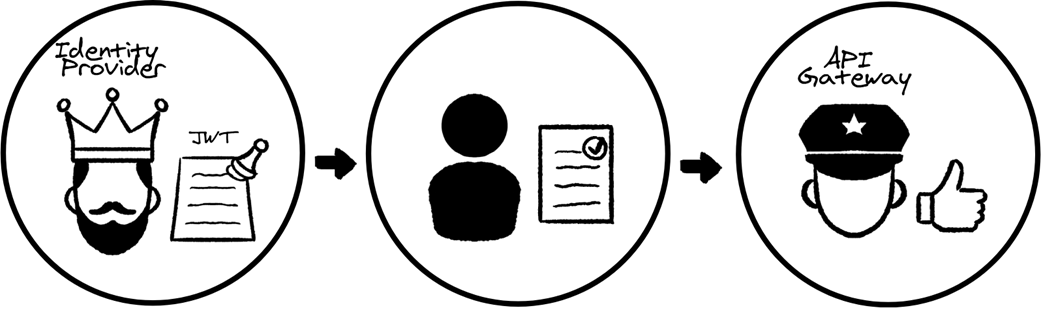
The IdP issues the "Royal Seal" (JWT), which the API Gateway verifies to ensure the user is who they claim to be.
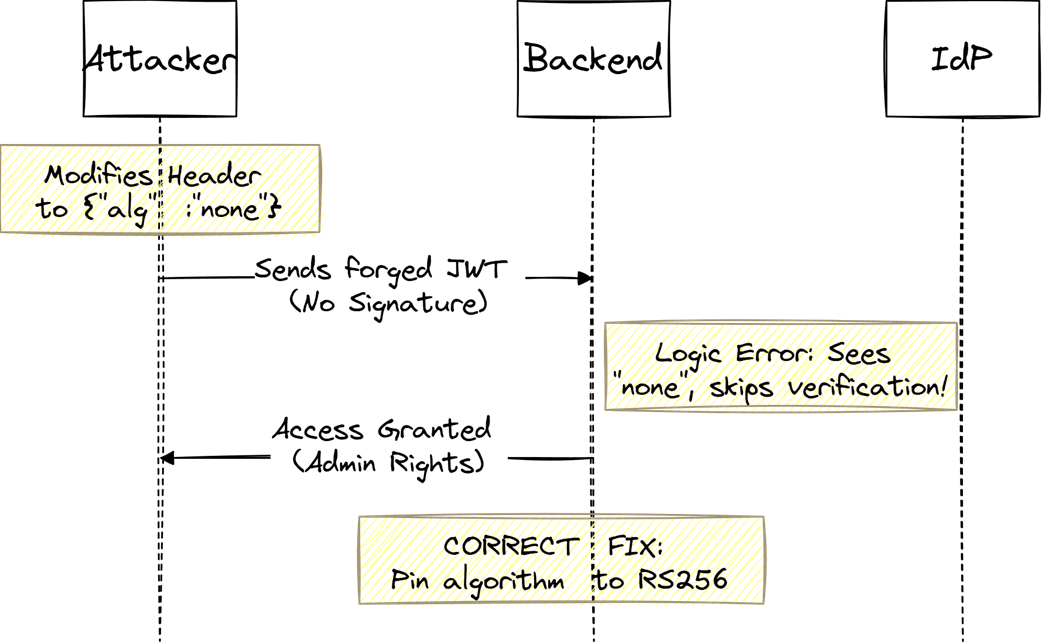
How a backend logic error allows forged tokens via the "none" algorithm, mitigated by explicitly pinning the verification algorithm to RS256.
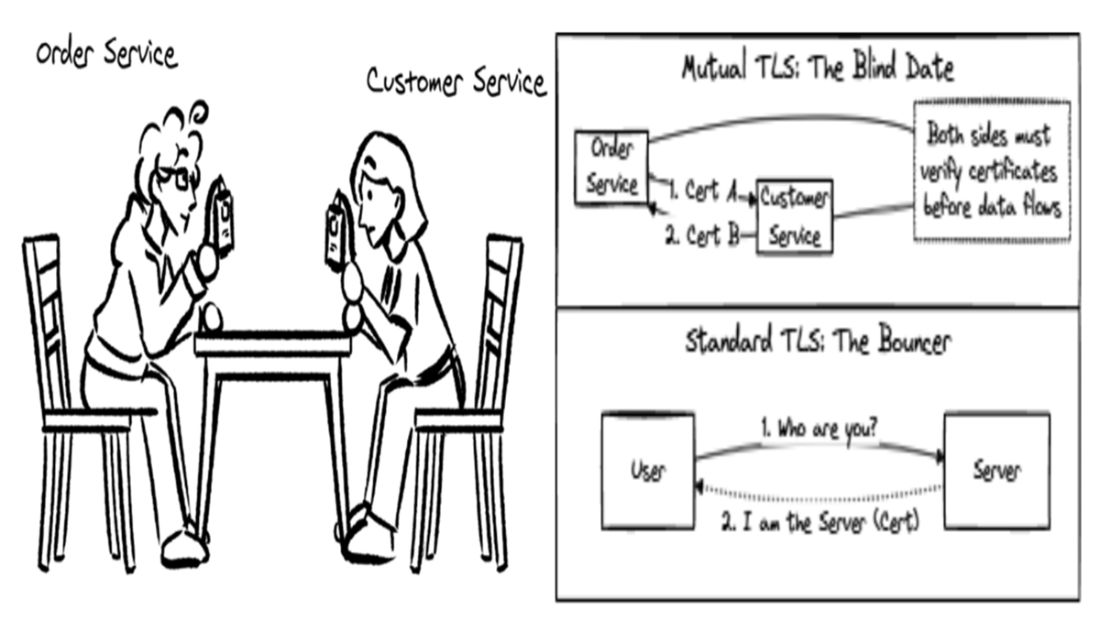
In a Zero Trust world, you don't take anyone's word for it. mTLS is the "blind date" of architecture: neither party moves forward until both have verified each other's identity.
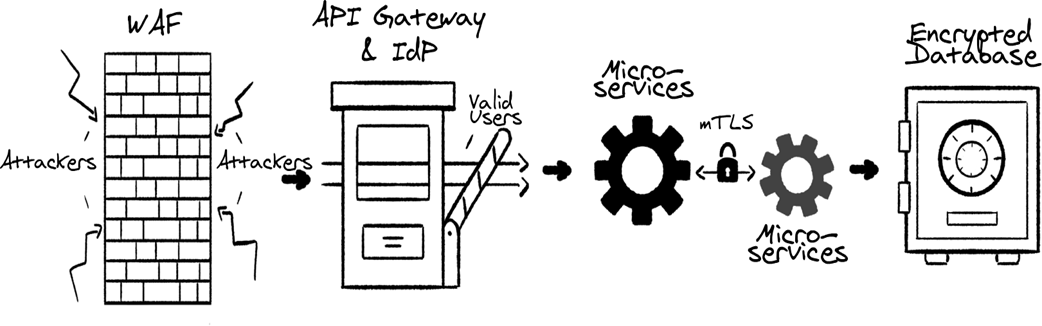
The modern security architecture in action. Notice that an attacker must bypass network firewalls, active threat detection, centralized identity verification, and application-level authorization before they can even attempt to access the encrypted data.
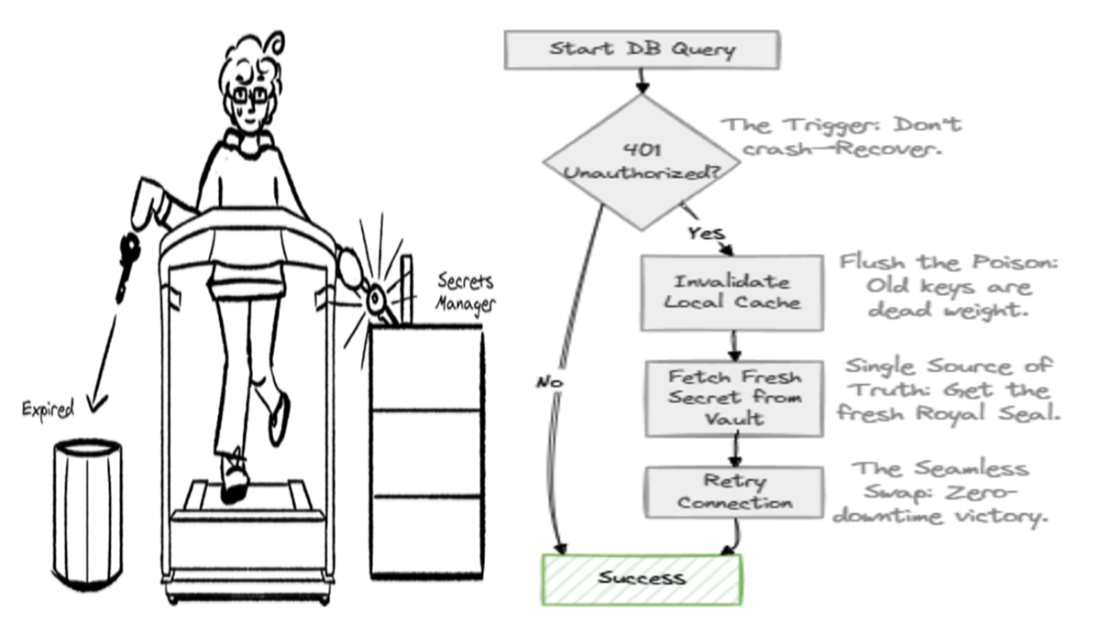
Mature architectures "catch" authentication failures and swap in fresh secrets without stopping the application.
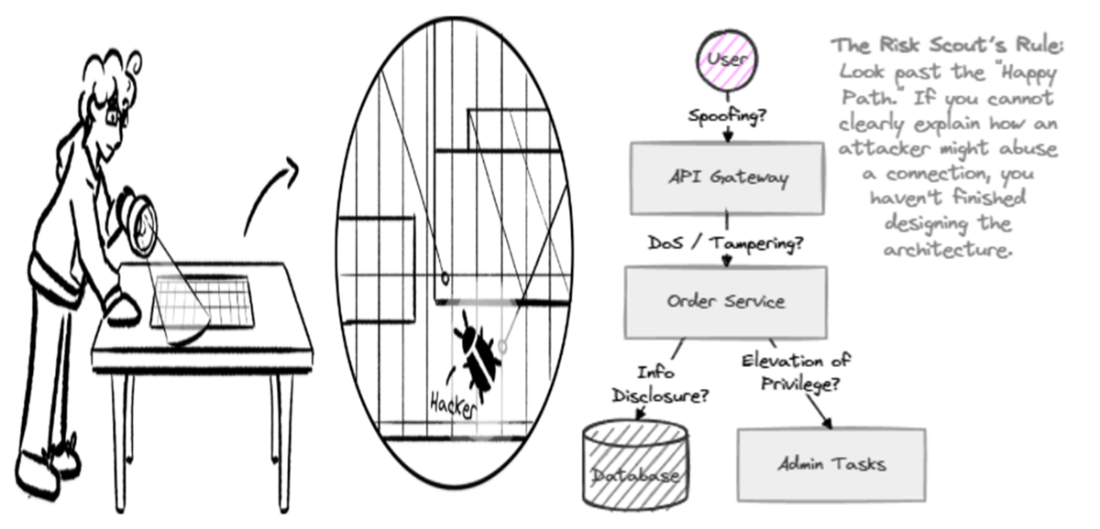
As the Risk Scout, Archie looks past the "Happy Path" to find the hidden cracks where an attacker might try to break the system.
A system is only as secure as its least-secure integration.
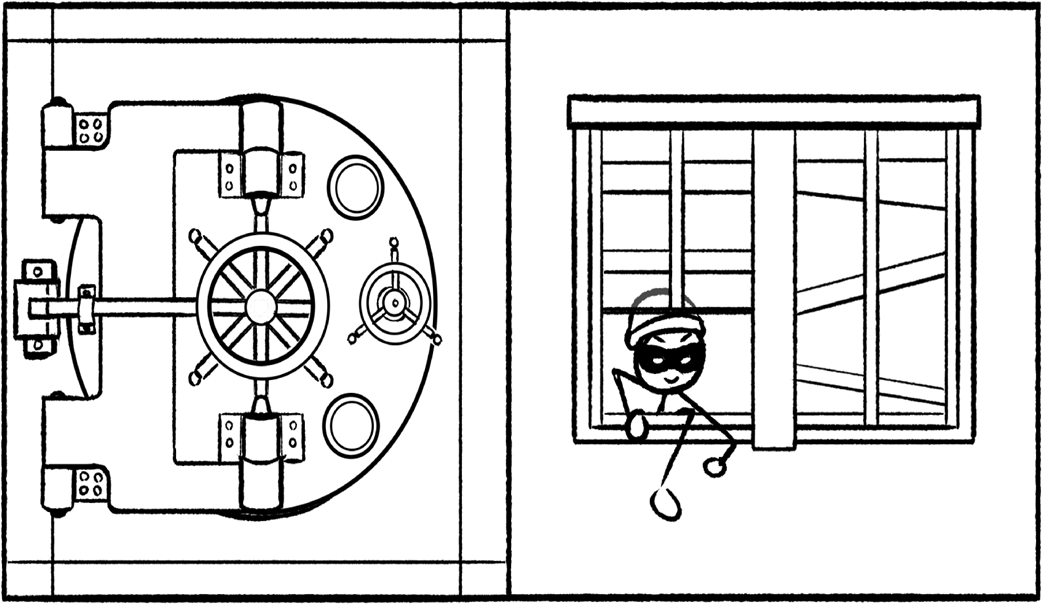
Archie fulfills the role of the Decision Scribe, ensuring the why behind his security choices is documented for the next developer who inherits the fortress.

Recap
- Security is Architectural: It is a core design attribute, not a separate team's checklist.
- The Principle of Least Privilege (PoLP) minimizes the blast radius of a breach by granting only the minimum permissions required for each user or service.
- The Castle Approach: Use Defense in Depth to create redundant layers so that one failure isn't a total defeat.
- An API Gateway acts as a single, fortified chokepoint for rate limiting, SSL termination, and initial authentication.
- Modern identity is handled by Identity Providers (IdP) using OIDC for identity and OAuth 2.0 for permissions, ensuring passwords are never stored in your application.
- Zero Trust: Move from a "hard shell" perimeter to a model where every internal request is authenticated and authorized.
- A Service Mesh allows you to implement Zero Trust in polyglot or legacy environments using sidecar proxies to handle mTLS and identity automatically.
- Secrets Managers remove the disaster of hardcoded credentials by allowing applications to fetch sensitive data at runtime.
- Secret Rotation: Architect your application to catch "Unauthorized" errors, refresh its own credentials from a Secrets Manager, and retry—preventing manual intervention and downtime.
- The 3 A's of Architecture maintain security through Awareness (automation), Alignment (quarterly reviews), and Accountability (clear ownership).
- STRIDE (Spoofing, Tampering, Repudiation, Information Disclosure, Denial of Service, and Elevation of Privilege) provides a repeatable framework for threat modeling your system.
- A secure architecture assumes that the outer wall will eventually fail. The true test of your design is how effectively it contains the intruder once they are inside.
FAQ
What is the core security mindset an architect should adopt in this chapter?
Security should be built into the architecture from the start, not added later. The chapter emphasizes two foundational principles: Least Privilege, which limits access to the minimum needed, and Defense in Depth, which uses multiple layers of protection so a single breach does not compromise the whole system.What does the Principle of Least Privilege mean in software architecture?
It means users, services, and processes should only have the minimum permissions required to do their job. In practice, that could mean read-only database access for a reporting service, no inbound network access for a background worker, or no write access for a web app that only reads configuration files.Why is the traditional perimeter defense model considered outdated?
Because modern systems no longer have a clean, fixed perimeter. Remote work, cloud services, BYOD devices, and third-party integrations make the old “inside equals trusted” model ineffective. Attackers can also bypass the perimeter through phishing, social engineering, or supply chain attacks.What is Defense in Depth and how does it protect a system?
Defense in Depth is a strategy that layers multiple independent security controls throughout the system. Instead of relying on one firewall or one boundary, it combines network controls, authentication, authorization, application-level checks, and encryption so that if one layer fails, others still block or contain the attacker.What role does an API Gateway play in a secure architecture?
An API Gateway acts as the single entry point for external requests. It helps enforce security by handling rate limiting, TLS termination, request routing, initial authentication, IP filtering, and other cross-cutting concerns before requests reach internal services.How do OIDC and OAuth 2.0 differ?
OIDC handles authentication, meaning it proves who the user is. OAuth 2.0 handles authorization, meaning it proves what the user or service is allowed to do. Together, they support secure token-based identity management without exposing passwords.Why is JWT verification security-sensitive, and what must be checked?
A JWT must not be trusted just because it exists. A secure implementation should: 1) verify the token signature against the IdP’s JWKS, 2) validate the expiration claim, and 3) pin the algorithm so attackers cannot switch it tonone. Otherwise, forged or expired tokens may be accepted.
 Grokking Software Architecture ebook for free
