6 Implementing agentic structures
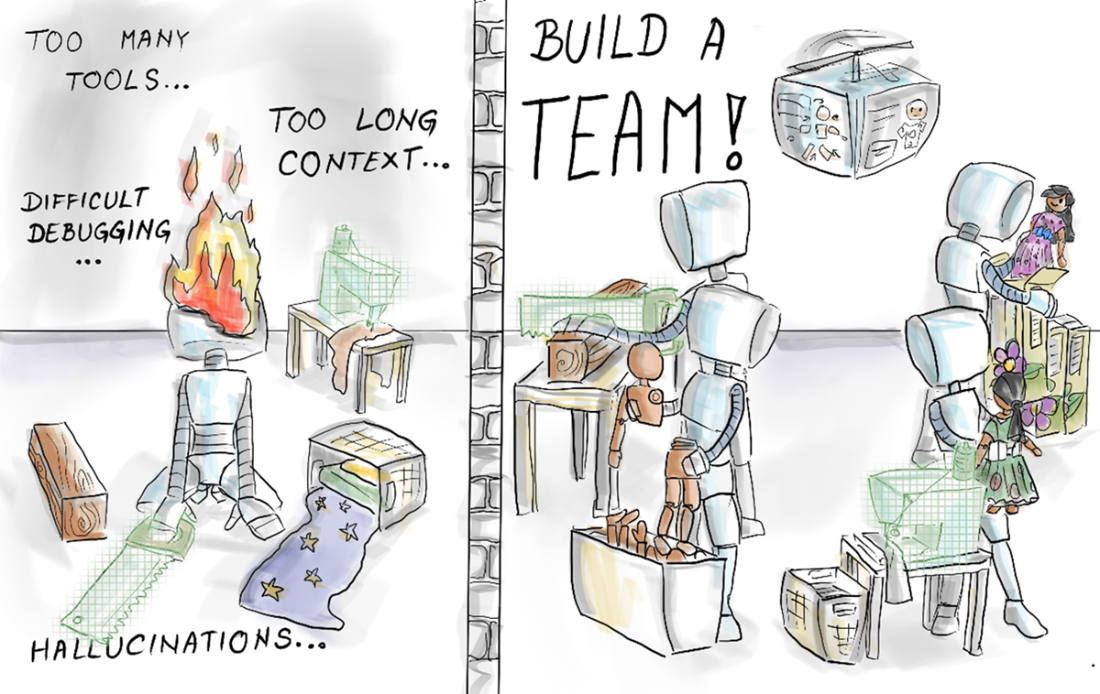
Working alone can take you far, but this chapter shows why complex tasks are often better solved by teams of specialized AI agents rather than by a single overloaded one. A lone agent with too many tools, too much context, or too many responsibilities becomes harder to control, harder to debug, and more likely to make mistakes. By splitting work into focused roles, agentic systems become more modular, more reliable, and easier to inspect and maintain.
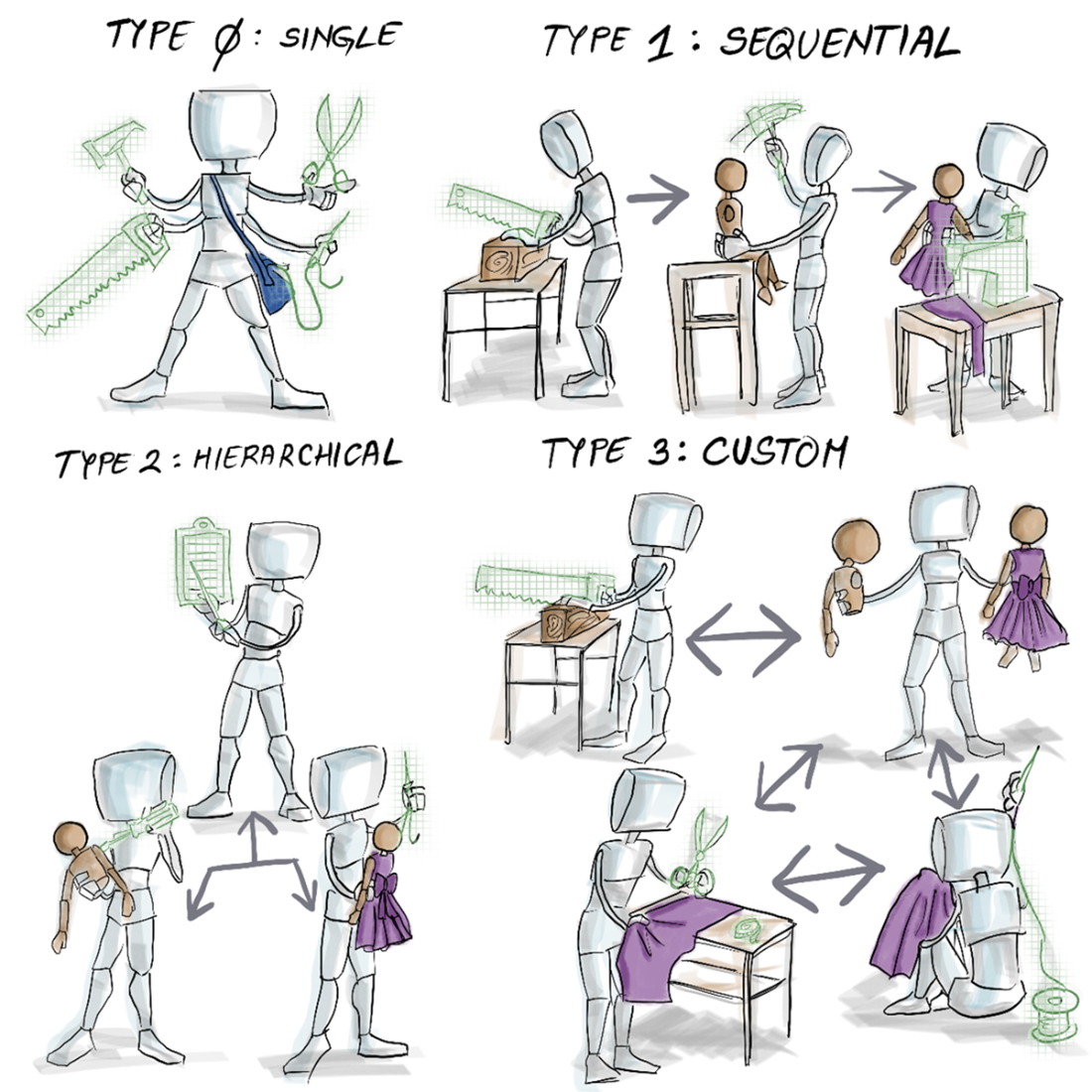
The chapter then explains the main orchestration patterns used to build these systems. Sequential setups pass work from one agent to the next in a fixed order, which is useful when tasks naturally follow a pipeline. Hierarchical setups add a supervisor that decides which specialist to invoke and when, creating a flexible tree of delegation. Custom structures go even further with cross-calls and more dynamic coordination, but they also add complexity, so the simplest design that fits the problem is usually preferred.
Two hands-on examples illustrate how this works in practice in Langflow. In one, a recipe agent uses RAG over a cookbook stored in FAISS, then passes its output to a dietitian agent that consults health guidelines and revises the meal; the key ideas are careful chunking, toolifying retrieval, and keeping prompts narrow and explicit. In the other, a CopyGenie team uses a planner, copywriter, and delivery agent under a supervisor, with each agent given a clear role, specific tools, and precise instructions. Across both examples, the chapter emphasizes bottom-up development, testing agents individually, and iterating on prompts, models, and responsibilities until the overall system behaves well.
It’s difficult to be a solo agent with too much on its plate!
The four types of agentic structures: how would you organize your agents?
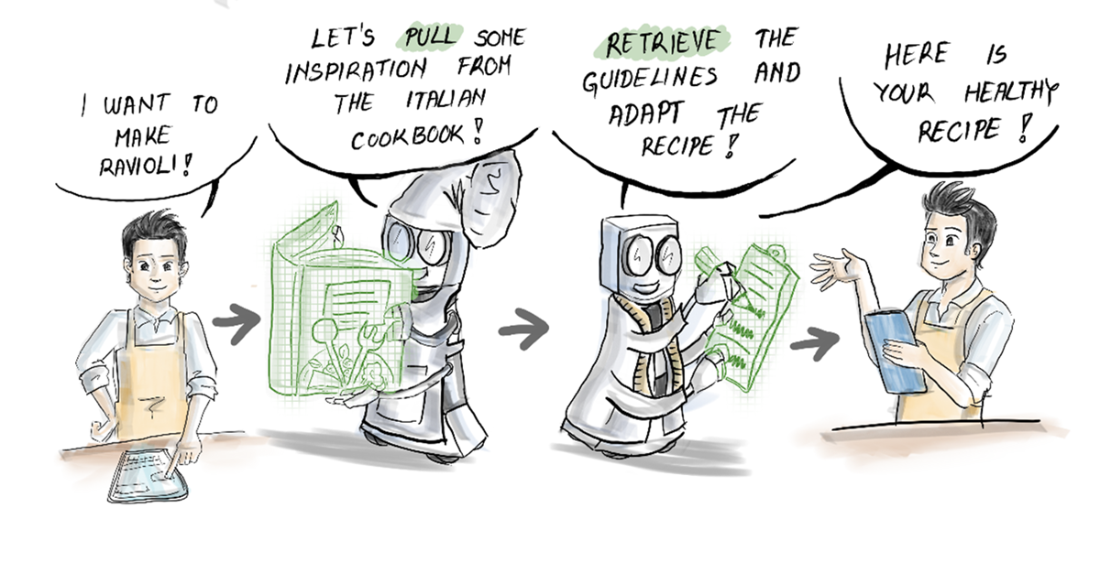
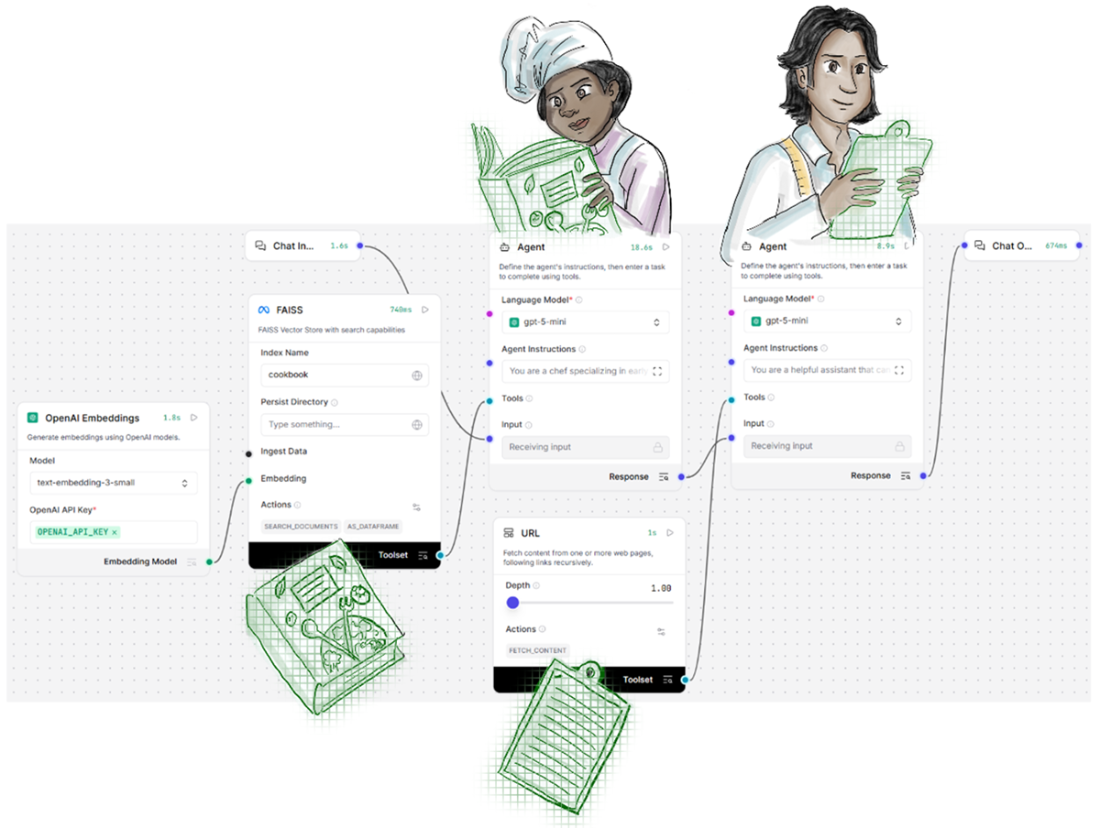
The Chef and the Dietitian have become agents now, each with their own tools.
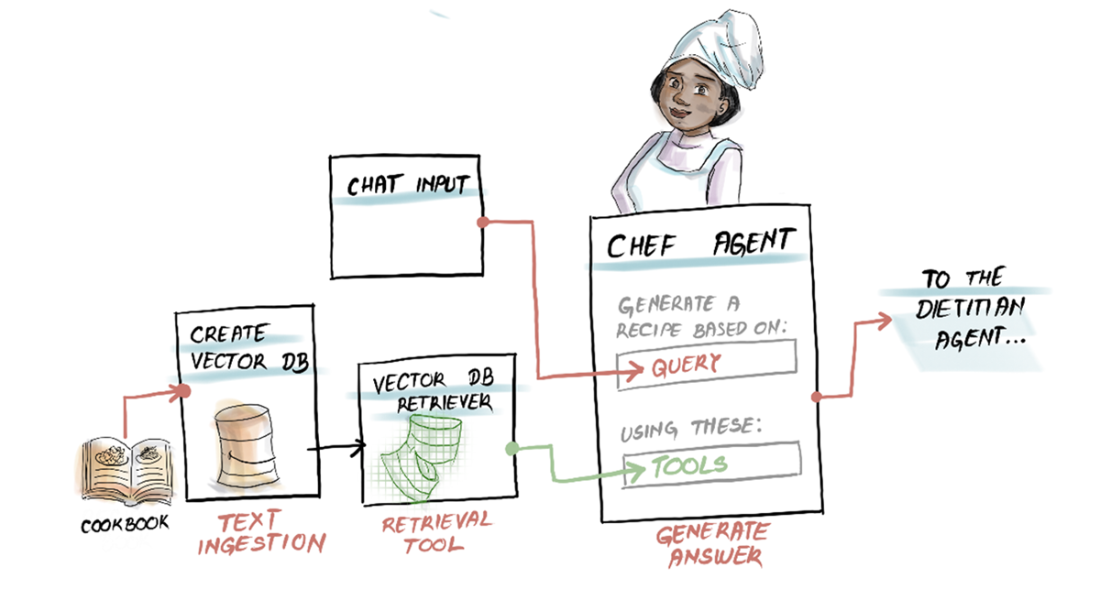
The first part of the agent-based Healthy-Chef flow.
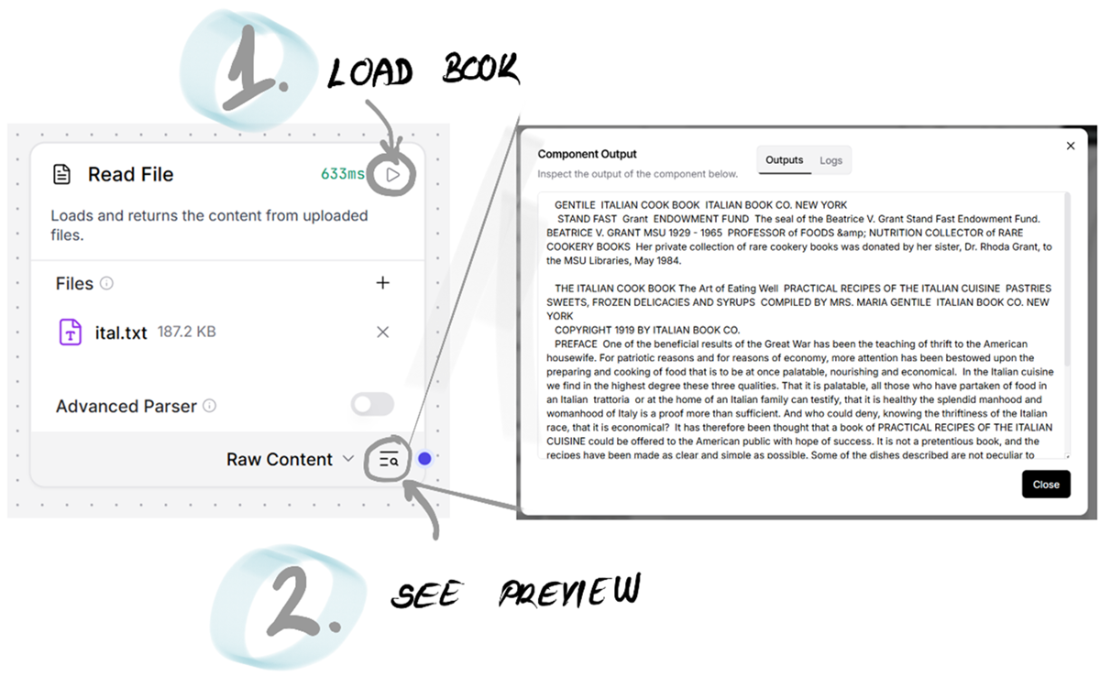
After loading the recipe book, you can have a preview of its 1918 preface.
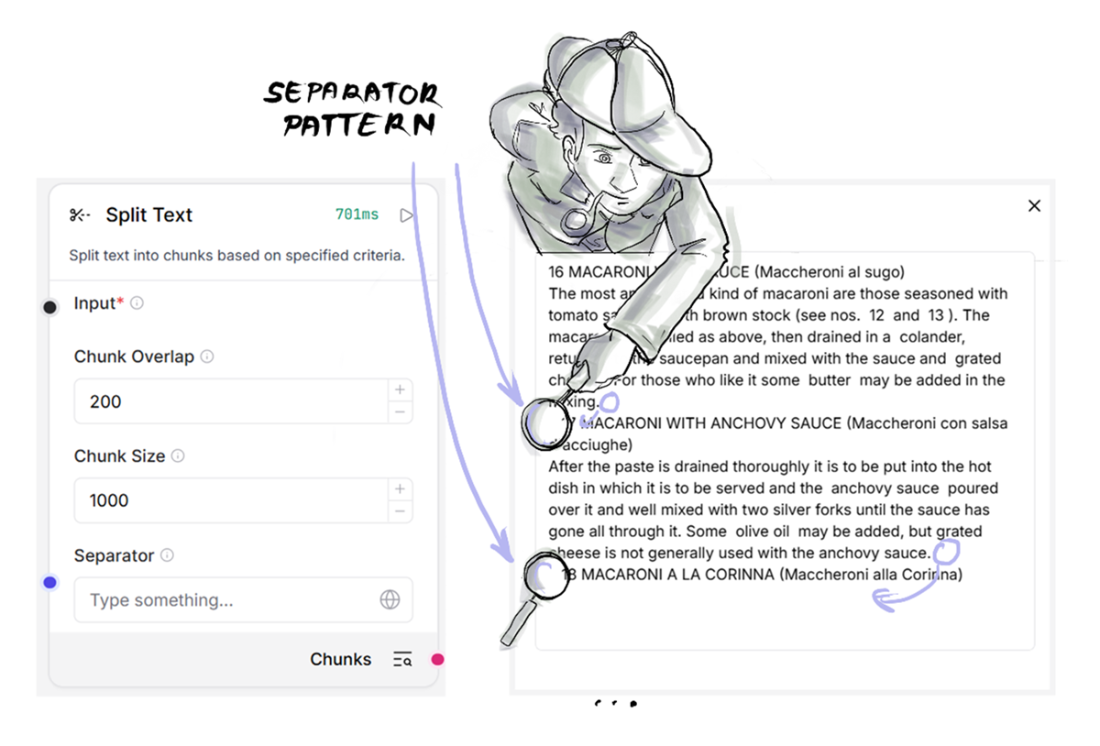
Recipes fall between chunks, but there seems to be a repeated separator pattern between them.
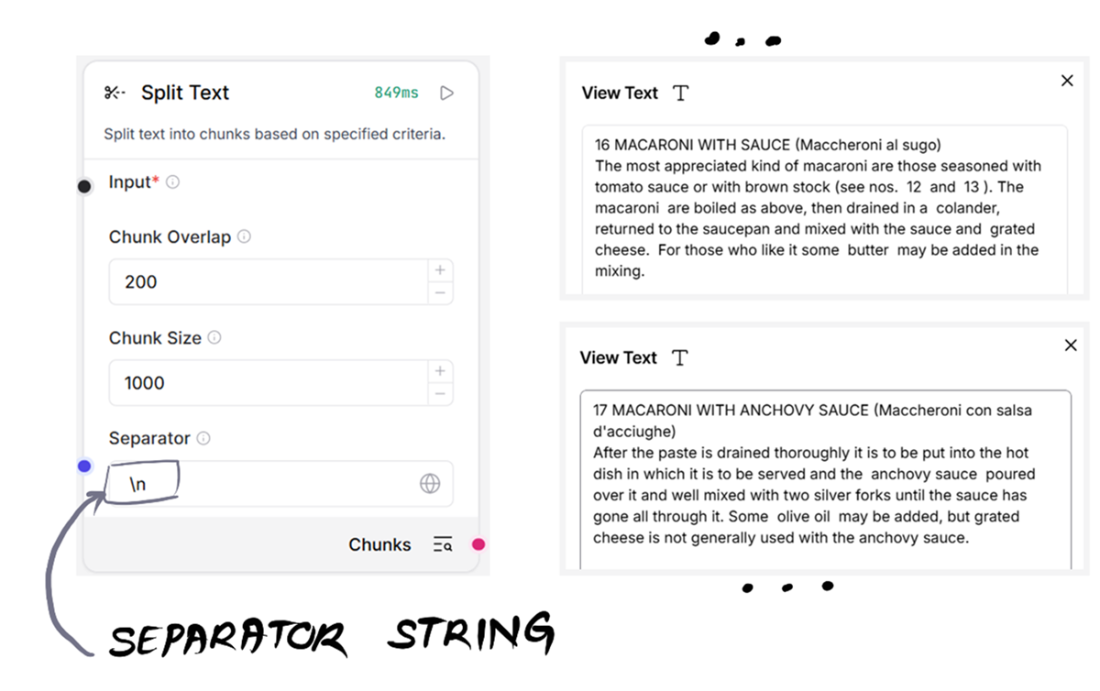
With the right Separator string, the text is split into meaningful chunks: one per recipe.
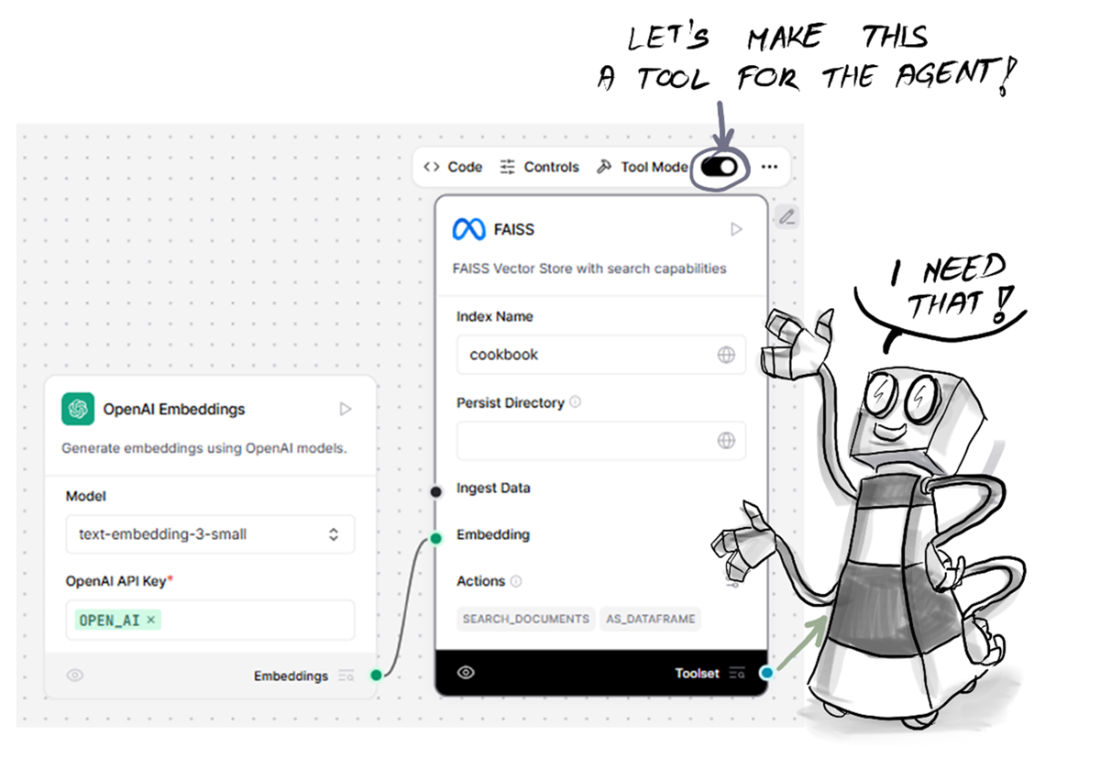
In the first part of our flow, we created a vector database packed with Italian recipes.
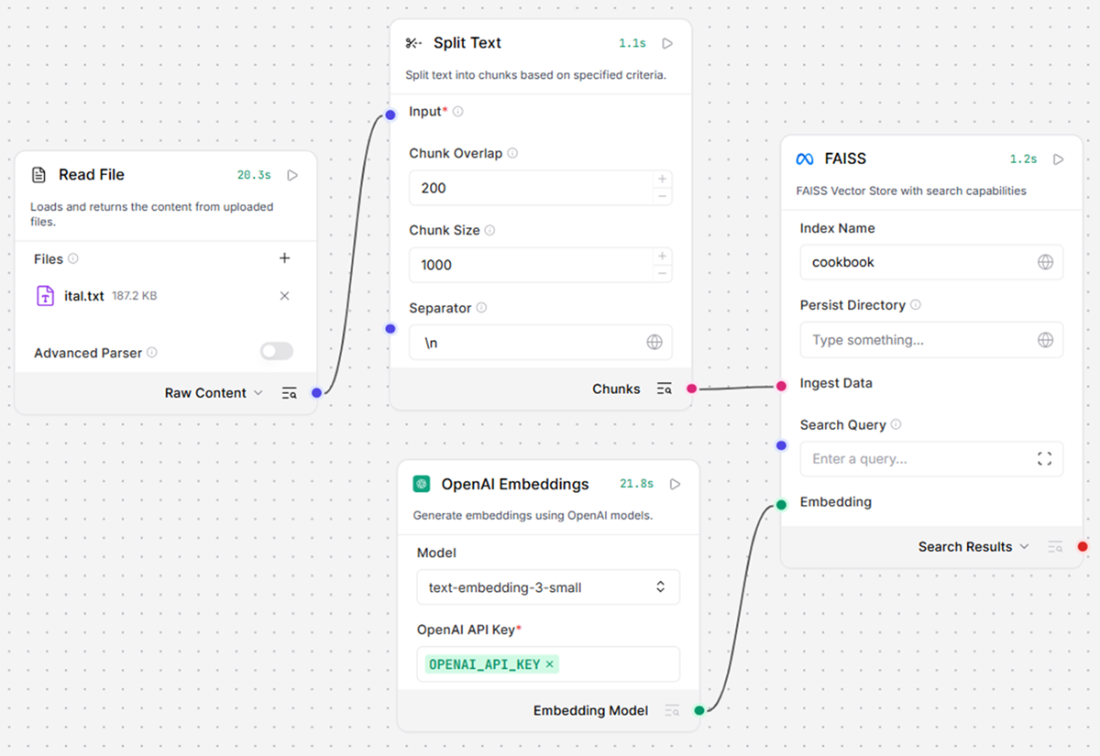
Any agent would be happy to have an Italian cuisine recipe book at hand.
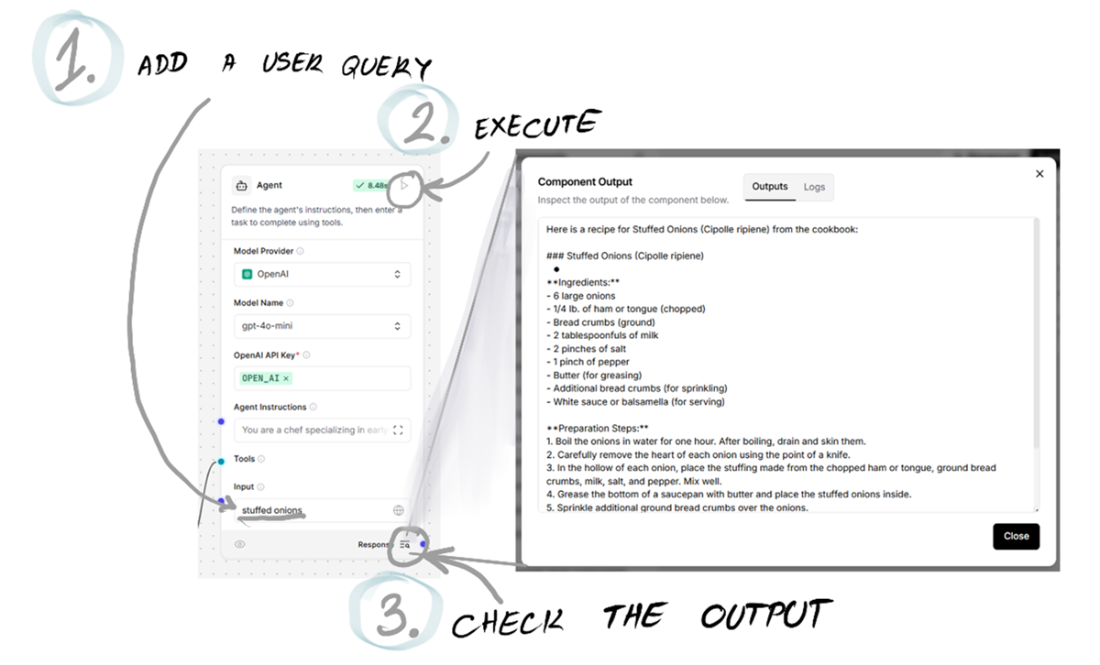
Stuffed onions. What a light starter by our chef!
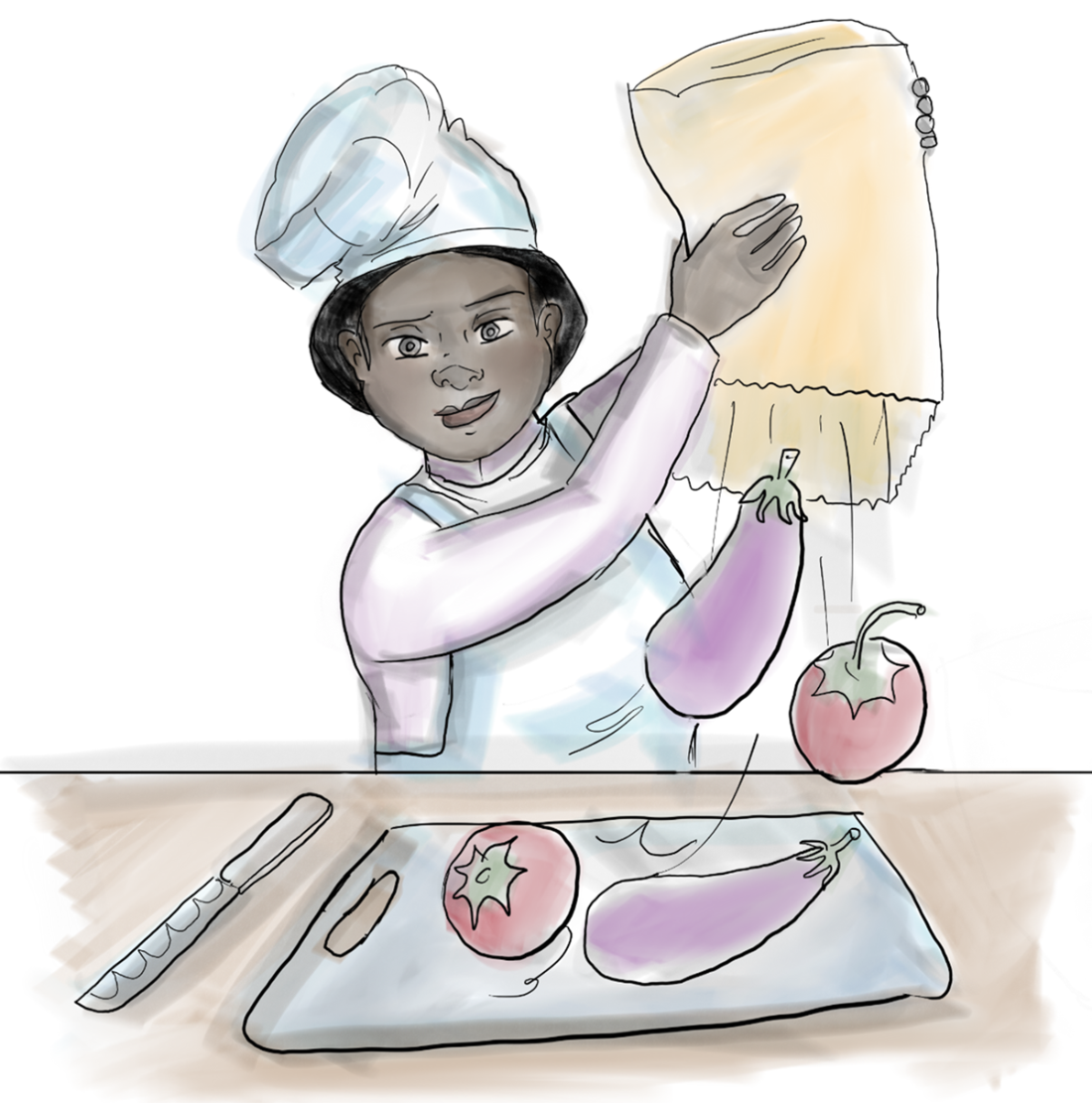
What to cook with only eggplants and tomatoes at hand?
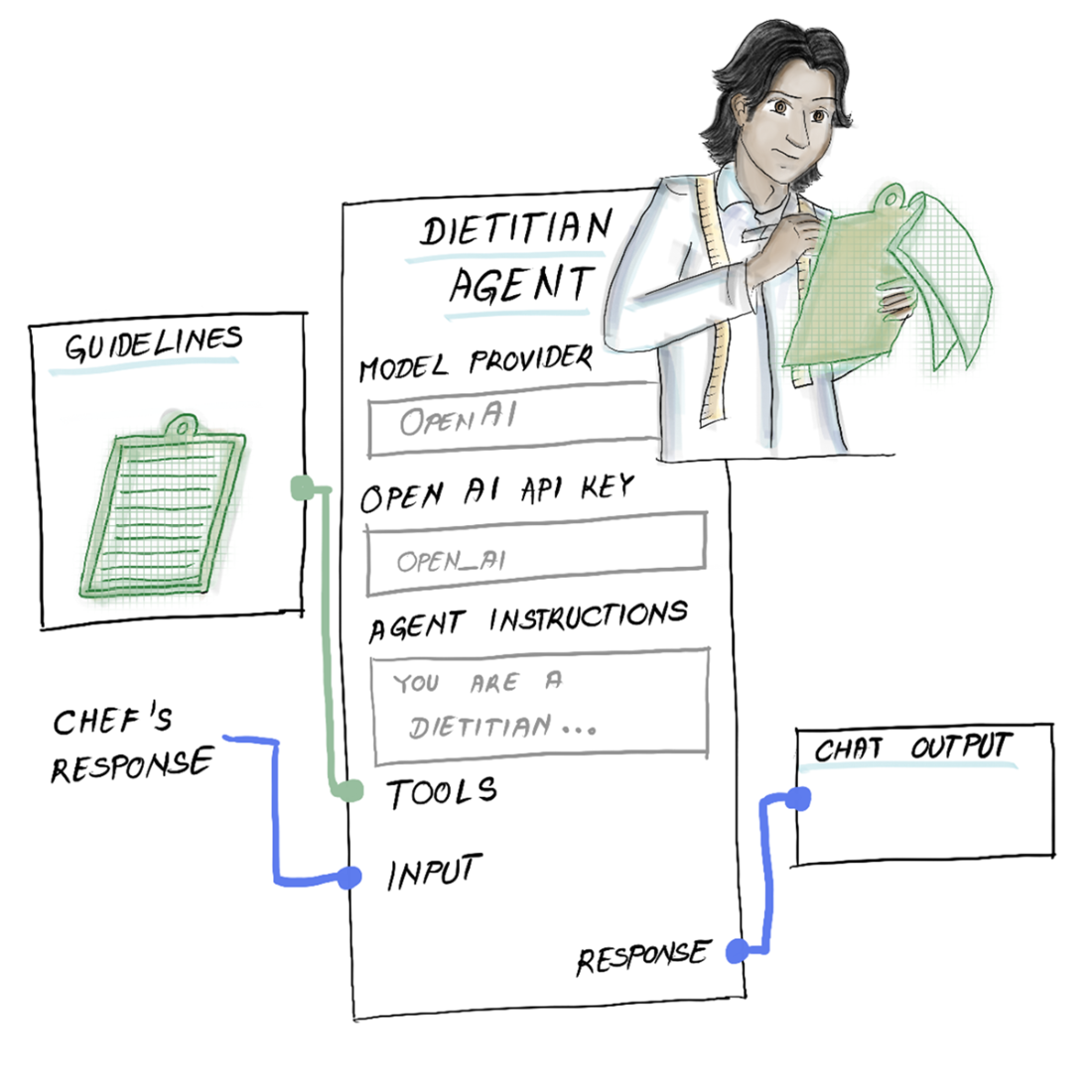
The dietitian agent has a tool to access guidelines.
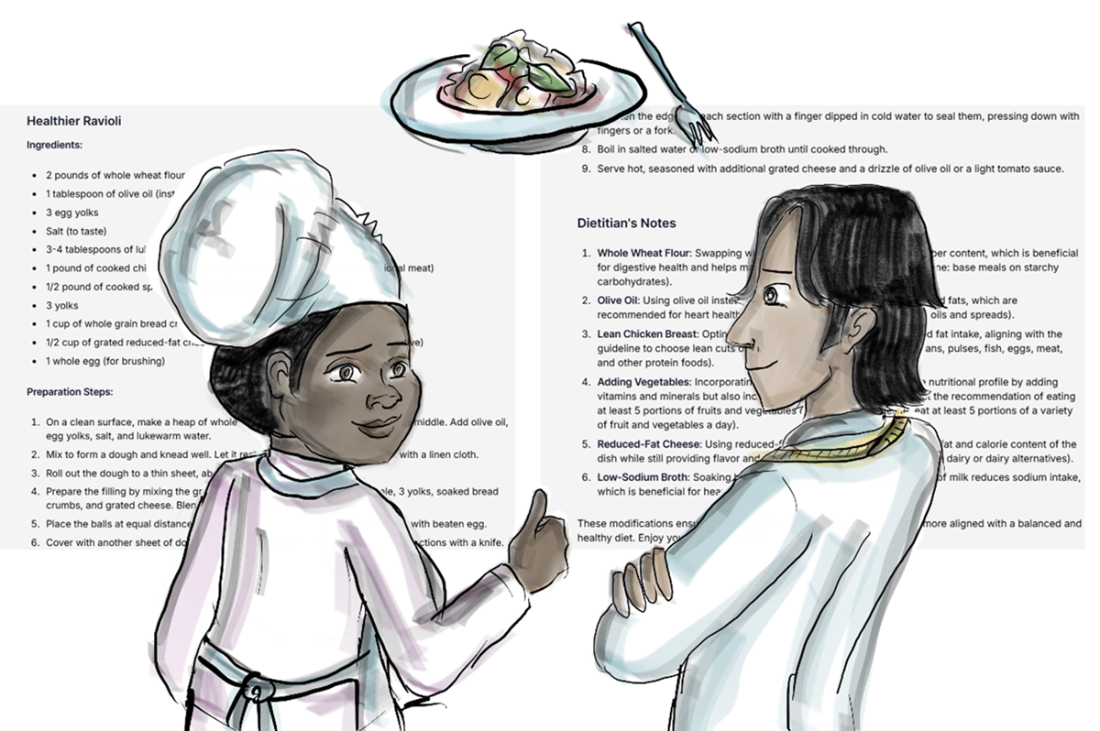
The Chef and Dietitian are back together. This time with some external support.
The Healthier Ravioli Recipe: a masterpiece of balance between authentic Italian tradition and modern healthy eating guidelines.
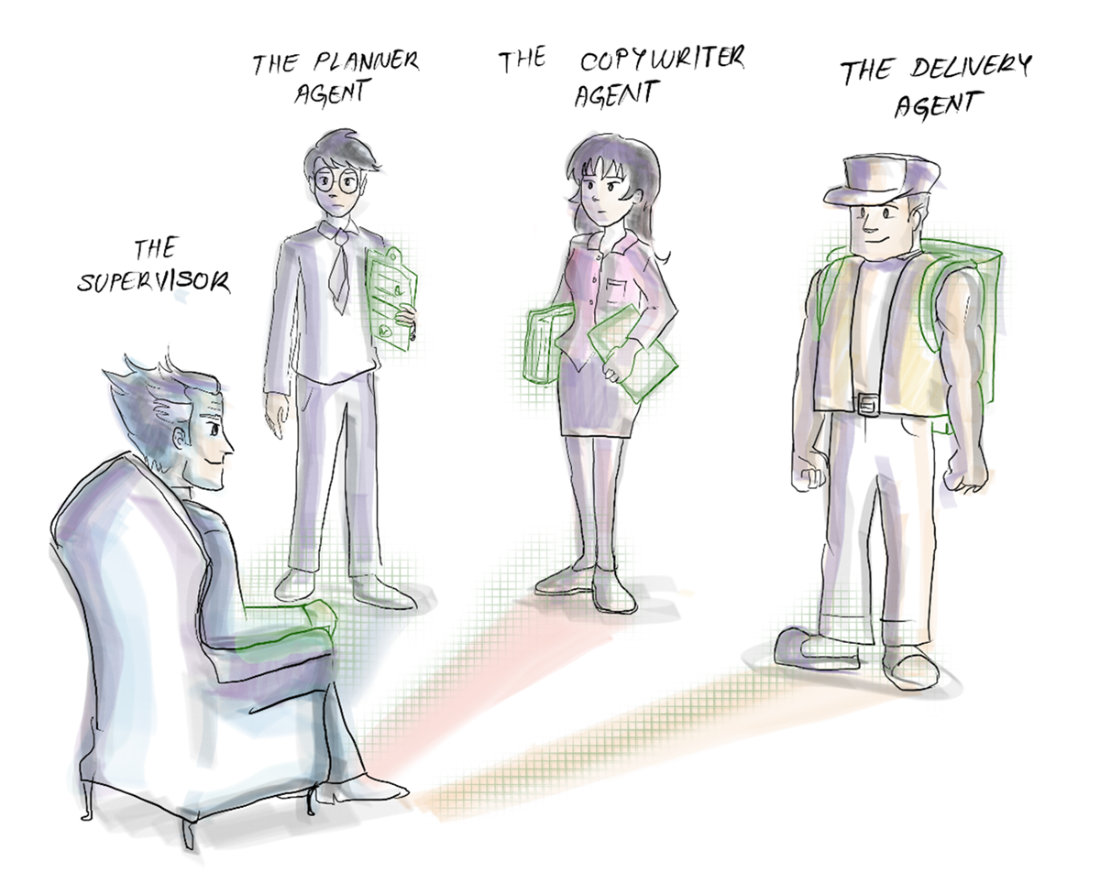
The supervisor comes into the picture.
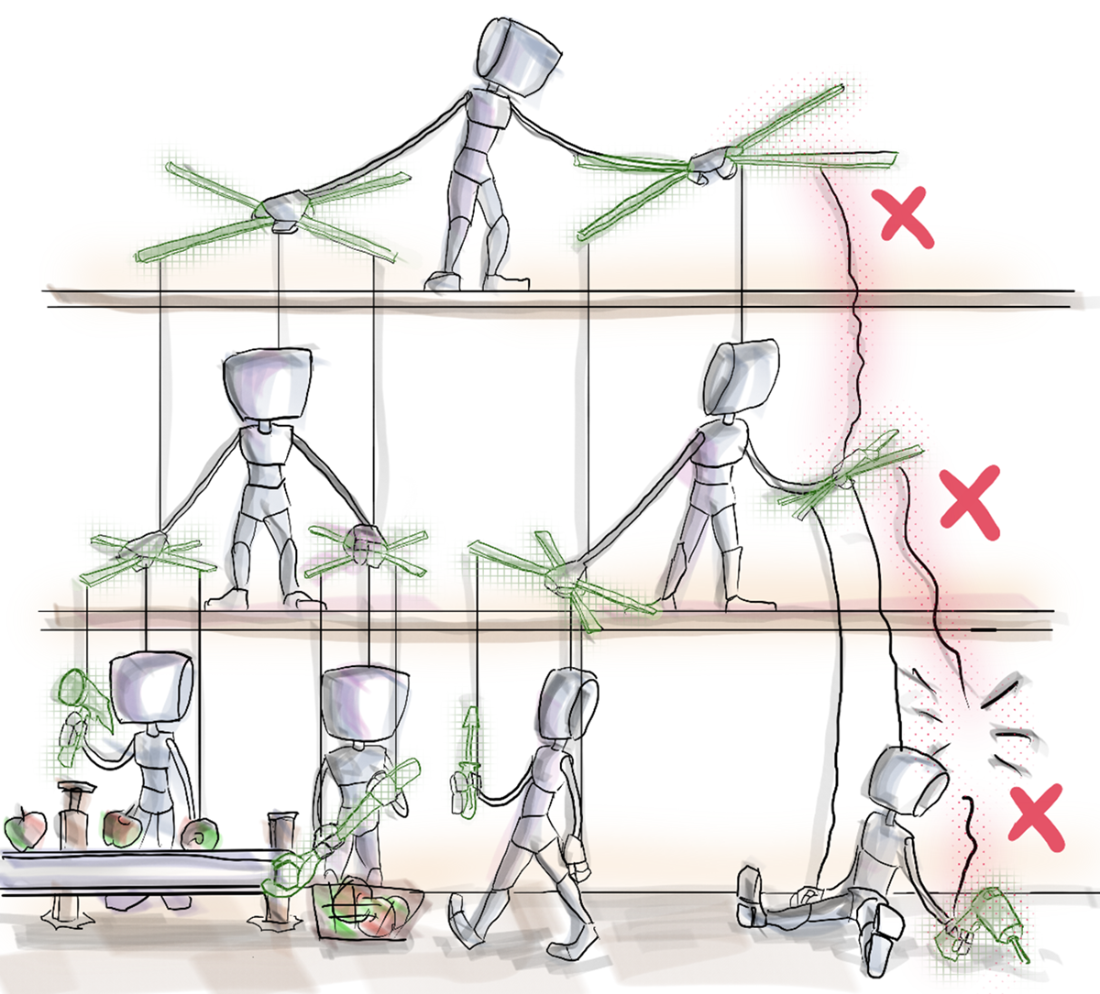
It’s easier to spot bugs when you develop hierarchical structures going bottom-up.
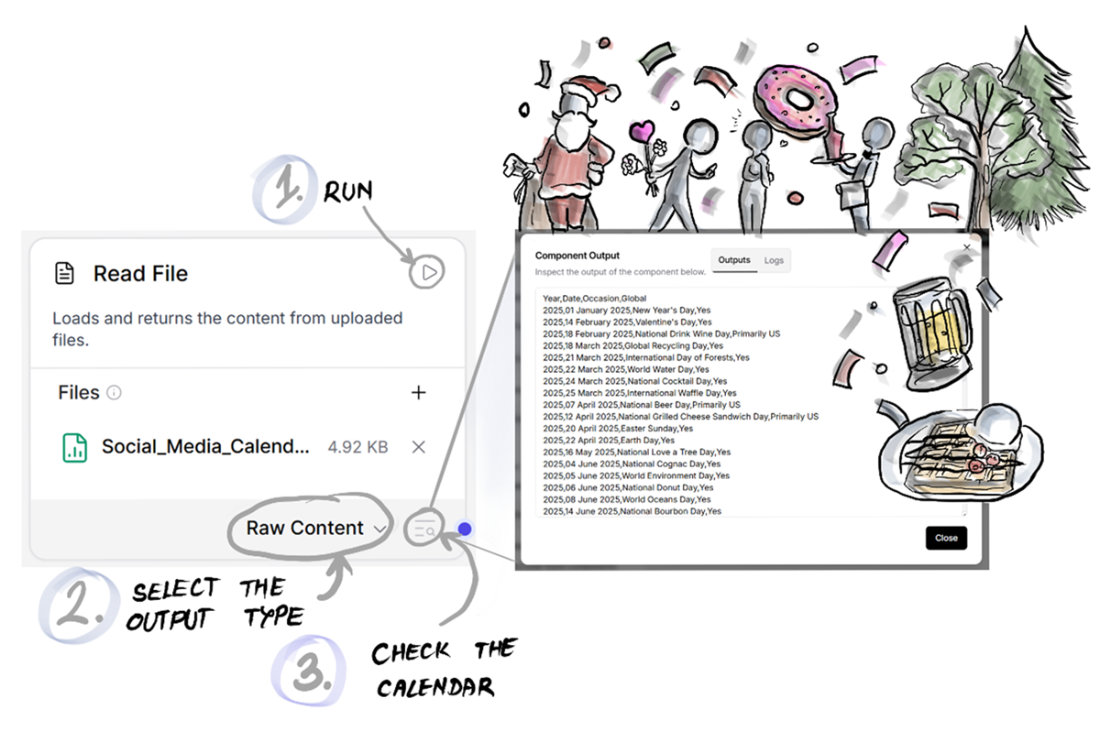
Our social media calendar: so many occasions to post about…
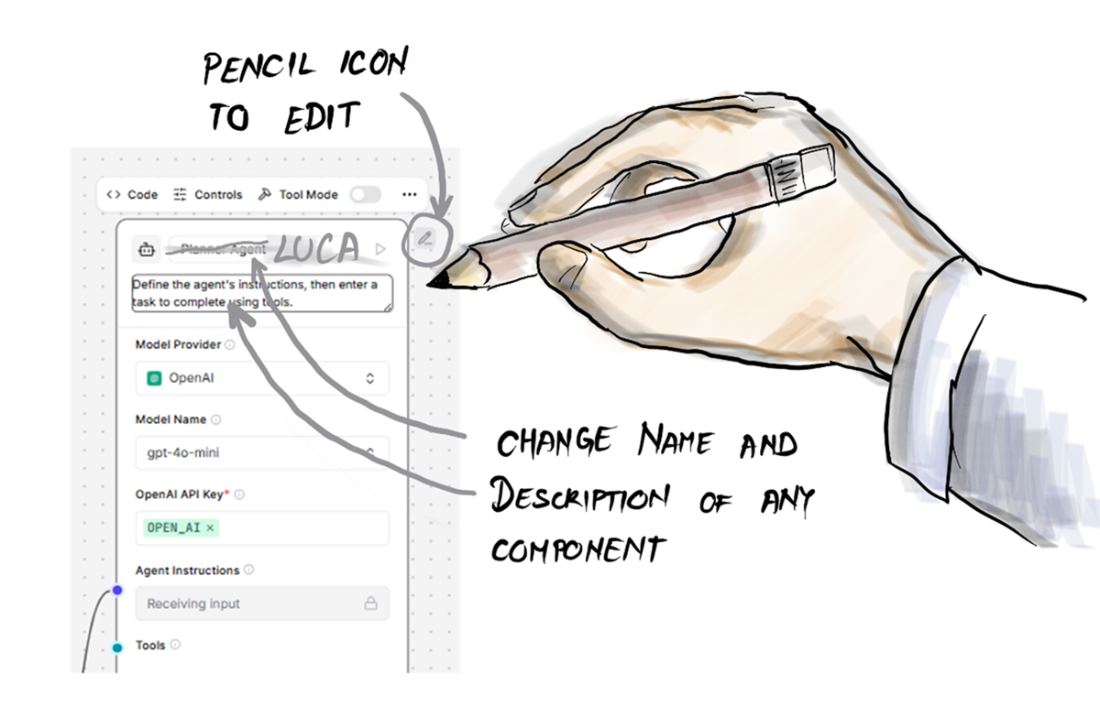
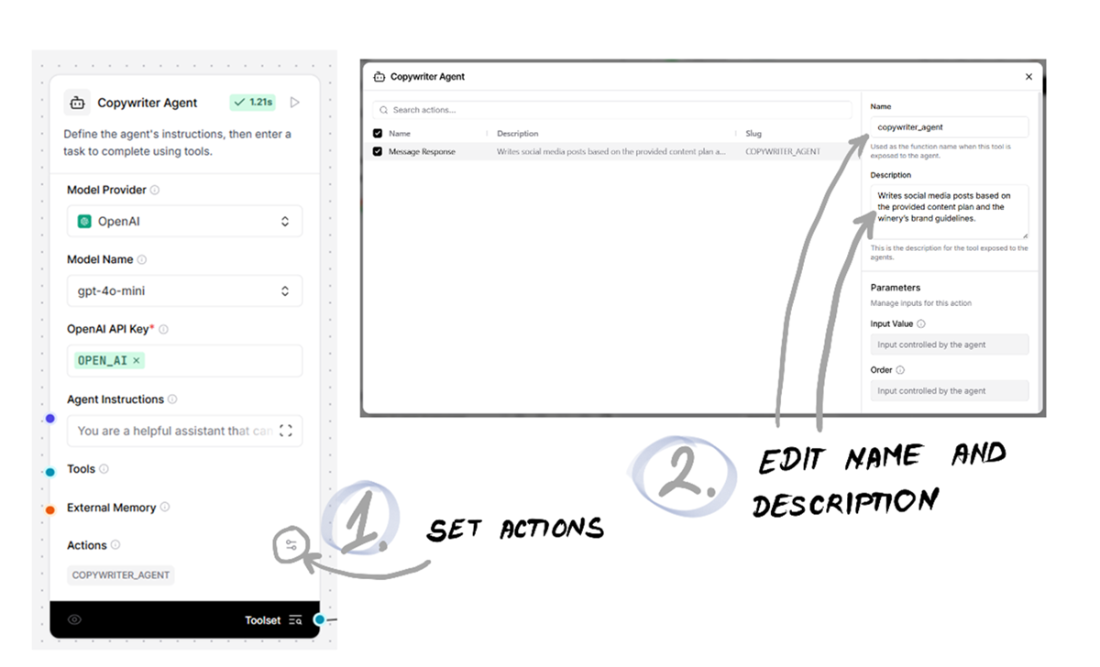
By renaming and editing the description of any component, you can make your flow self-explanatory.
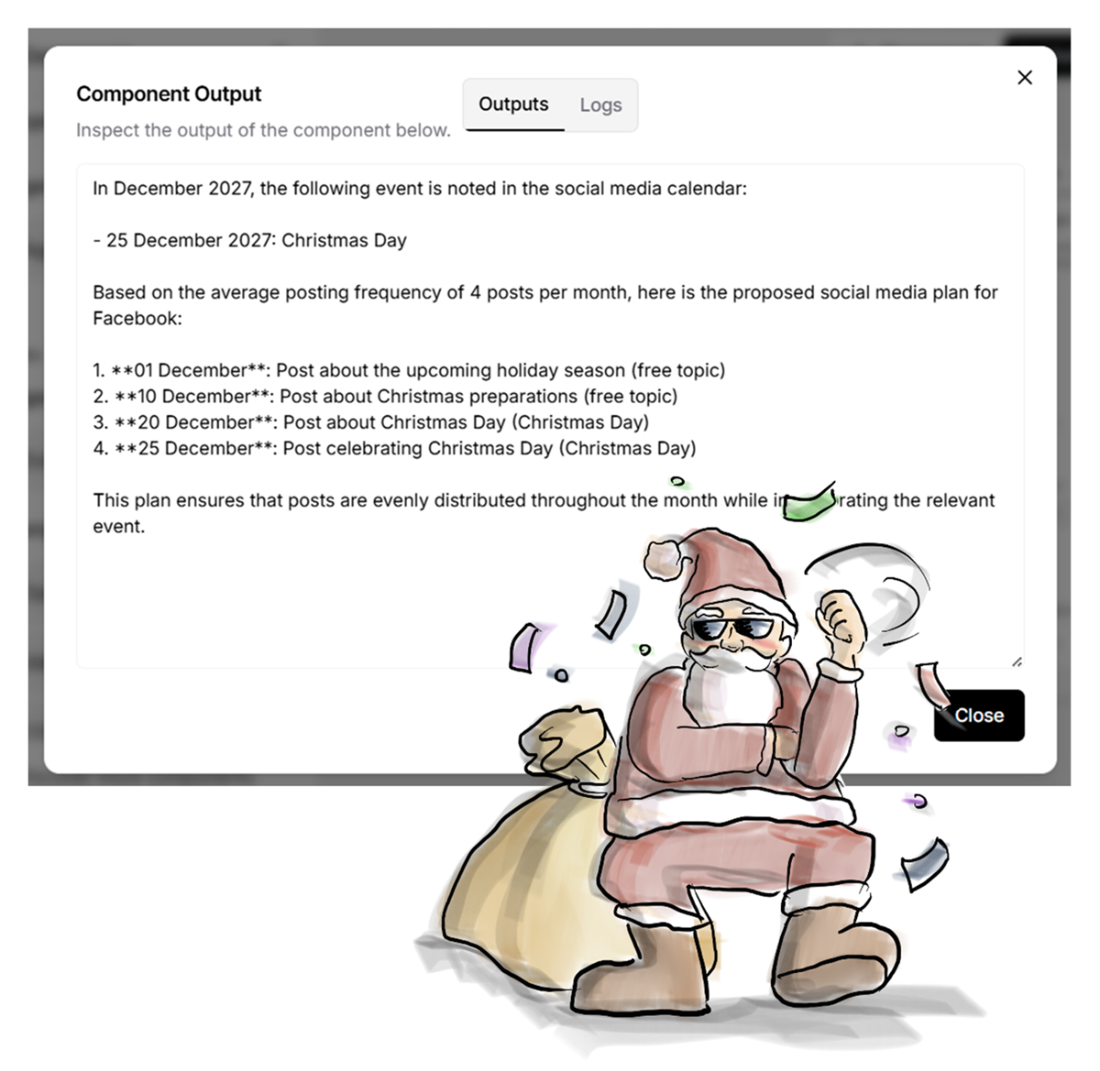
It seems that in December ’27, we can’t get away from a Christmas-themed social media plan.
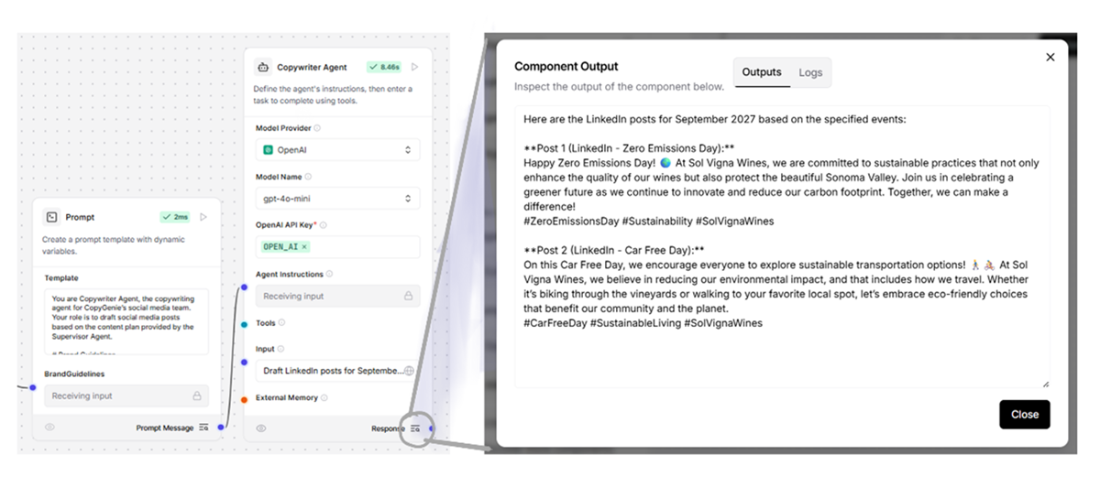
The Copywriter Agent at work: give it a draft, and you get a shiny post.
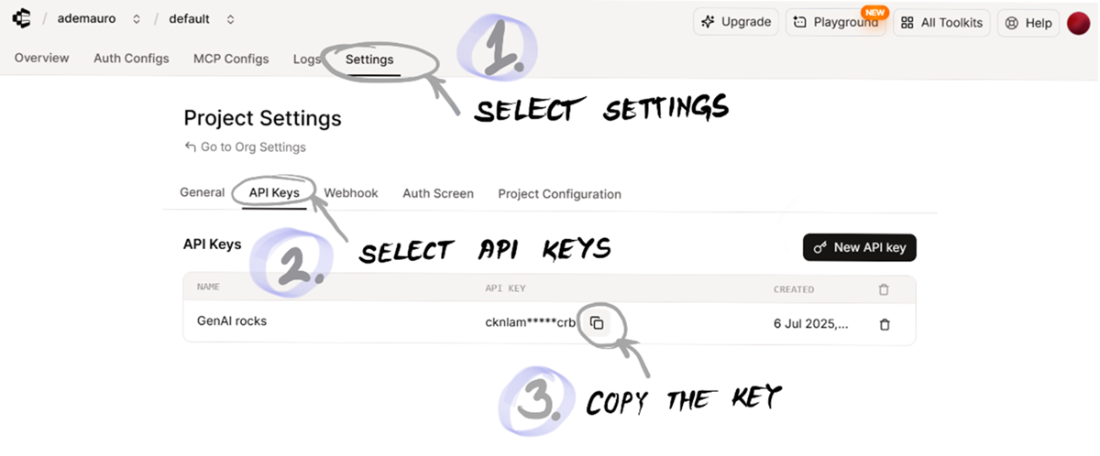
How to retrieve a Composio API Key.
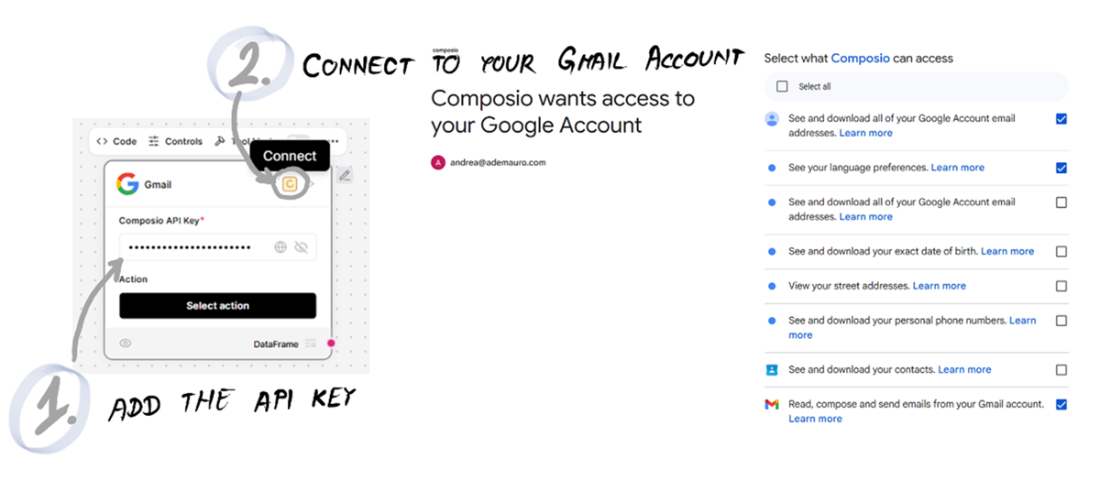
The Gmail component requires a Composio API key and a connection with a Gmail account.
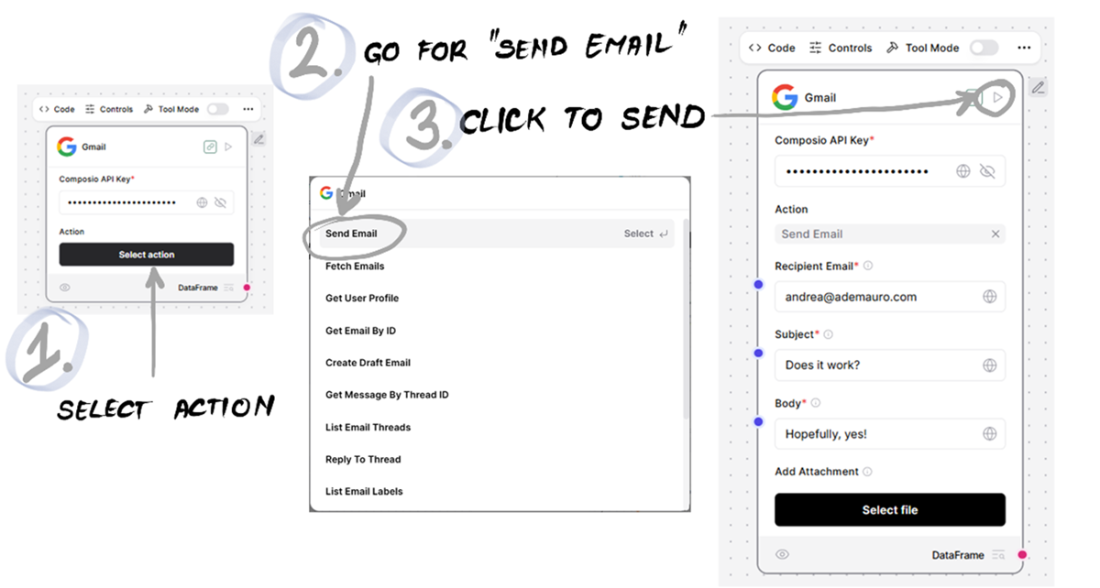
We can select many possible actions in Gmail and test them as we please.
The boss agent in action.

We need to provide a clear summary of what each agent can do for their supervisor.
The ultimate agentic team: three agents reporting to a boss agent acting as supervisor.
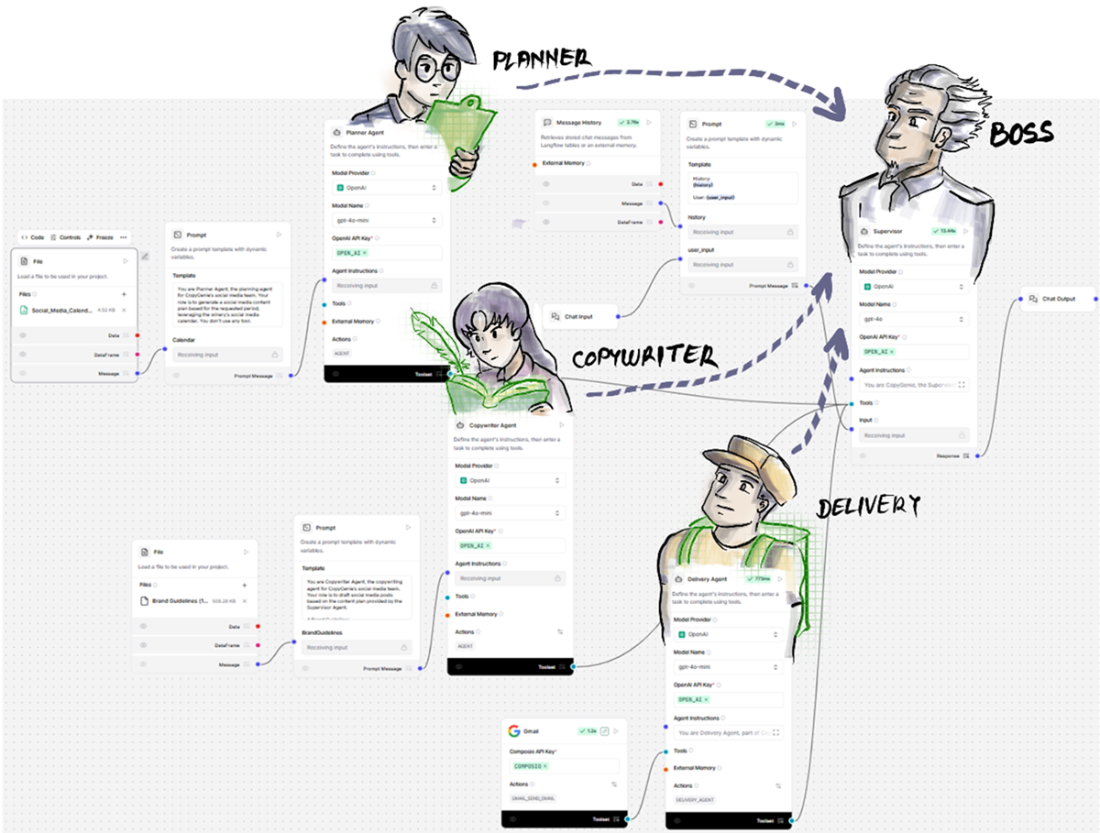
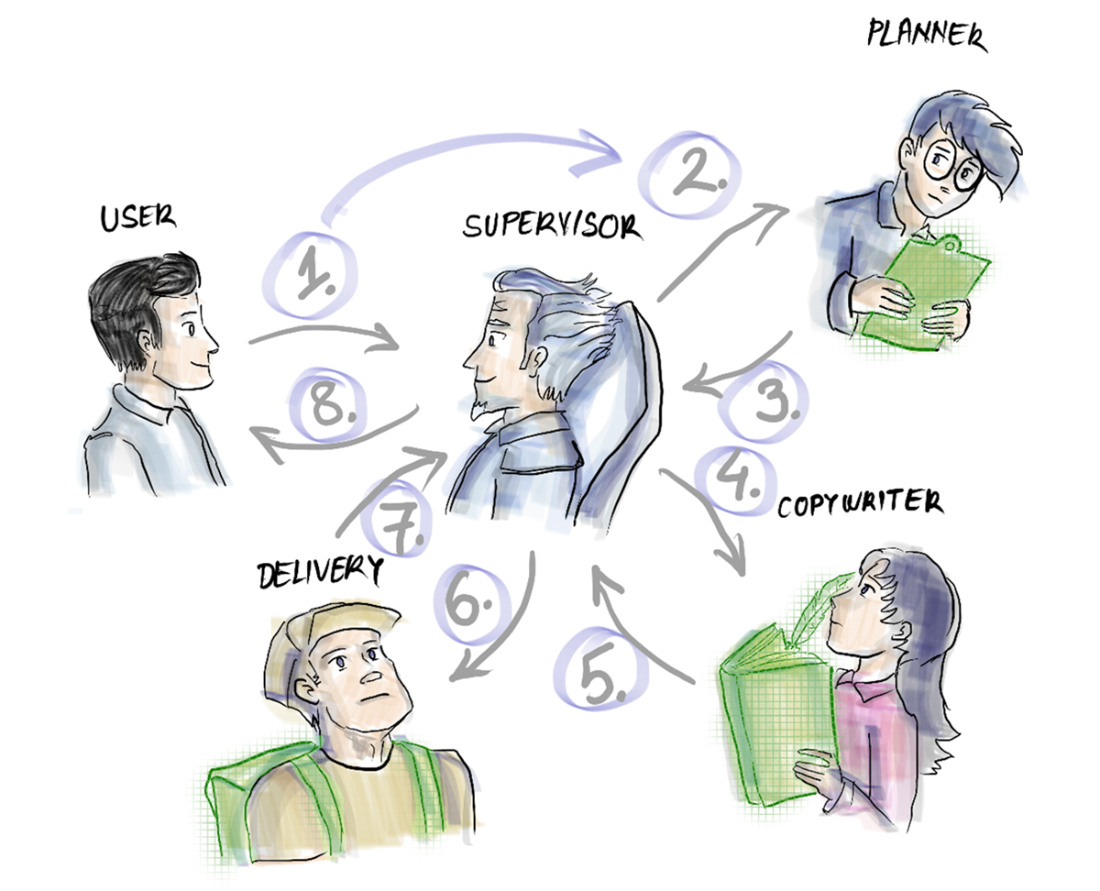
Behind a single request, there are at least seven steps involving three specialized agents under the guidance of a supervisor agent.
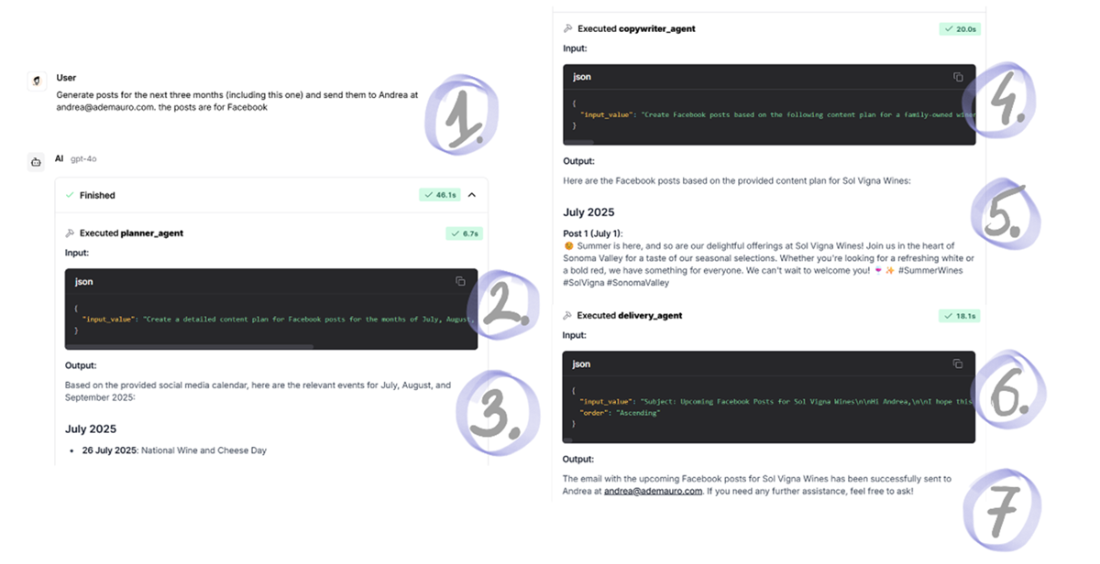
So many collaboration steps behind a work well done!
Summary
- Agentic structures allow you to solve complex tasks by organizing multiple specialized agents into collaborative workflows, instead of relying on a single, overloaded agent.
- Multi-agent setups reduce complexity, improve performance, and enhance maintainability by distributing tasks across modular, role-specific agents.
- Sequential structures (Type 1) execute agents in a fixed order, ideal for linear workflows where each step depends on the previous one.
- Hierarchical structures (Type 2) introduce a supervisor agent that dynamically delegates tasks to other agents, unlocking conditional execution and reuse.
- Designing agentic systems is like building human teams—you must balance roles, manage workloads, and carefully structure interactions through iterative testing of setups, models, and prompts.

 Grokking AI Applications ebook for free
