8 Data clean rooms
As privacy regulations intensify and third-party cookies fade, organizations need safe ways to collaborate on data without exposing people’s identities. Data clean rooms provide that privacy-first environment, enabling multiple parties to combine, analyze, and activate data while keeping sensitive details masked or aggregated. Using privacy-enhancing techniques and strict governance, clean rooms preserve compliance and trust, and they unlock cross-partner insights for audience targeting, performance measurement, and machine learning.
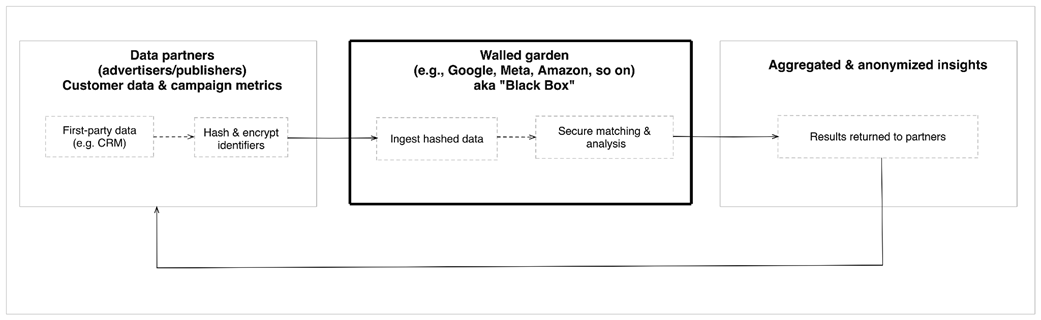
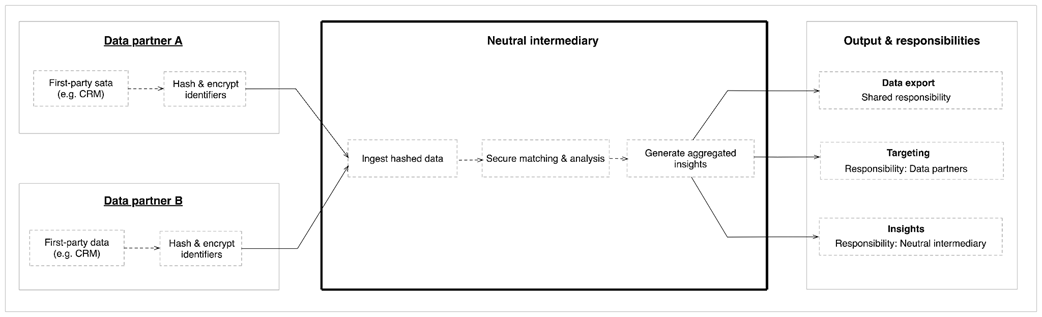
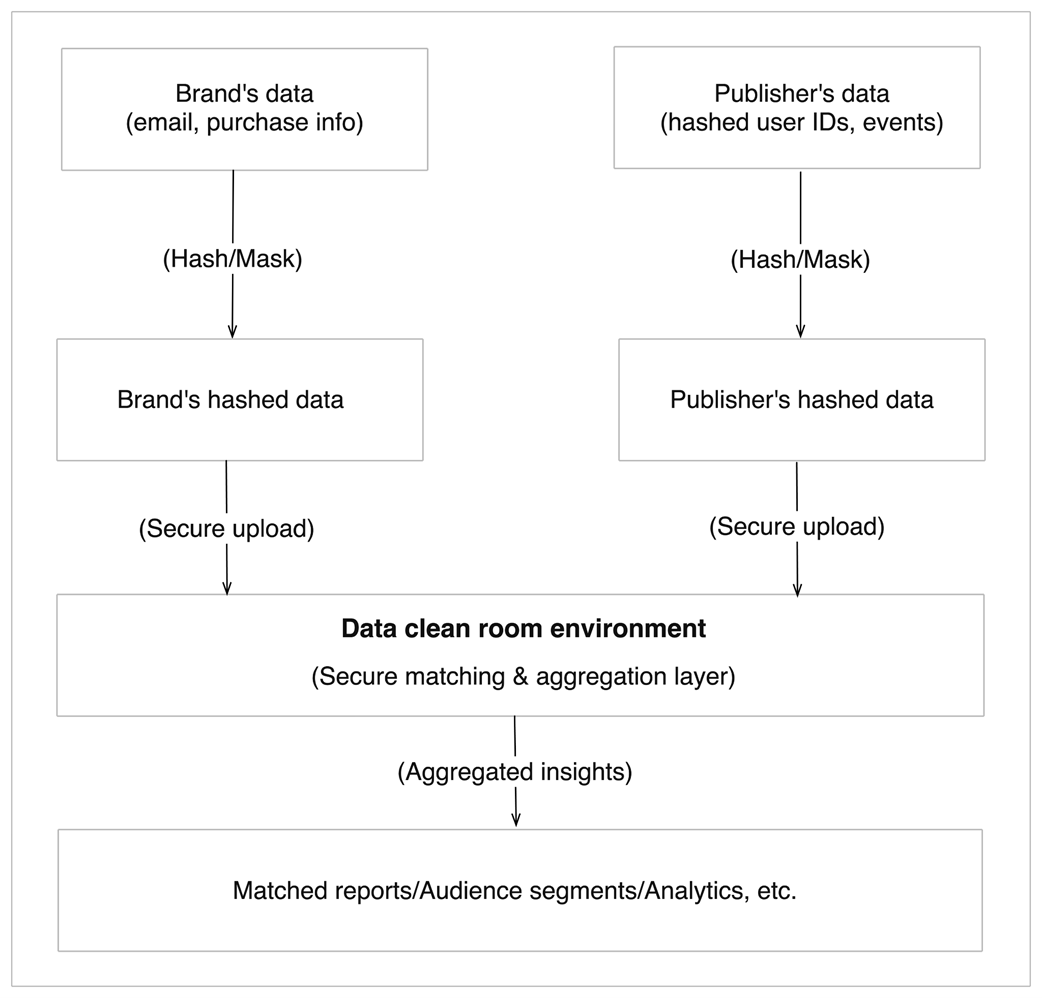
Two main models have emerged. Walled gardens offer deep, platform-native data and tight activation, but they create dependency and limit interoperability across ecosystems. Neutral, third-party or cloud-based clean rooms emphasize flexibility and cross-platform collaboration, albeit with higher costs and operational complexity. In both settings, secure matching relies on anonymized identifiers and methods such as hashing, homomorphic encryption, and differential privacy. Effective programs pair these controls with best practices—shared hashing standards, RBAC, encryption in transit and at rest, consent management, audits, and thoughtful data-retention policies—to ensure privacy-by-design execution.
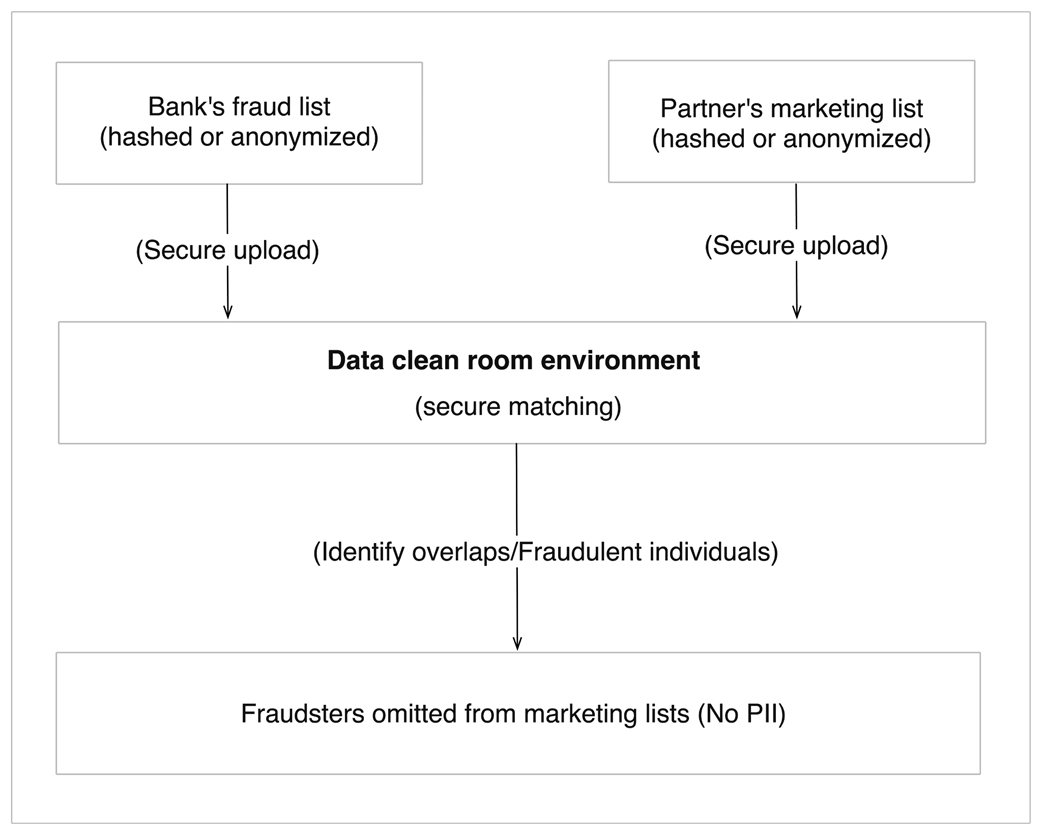
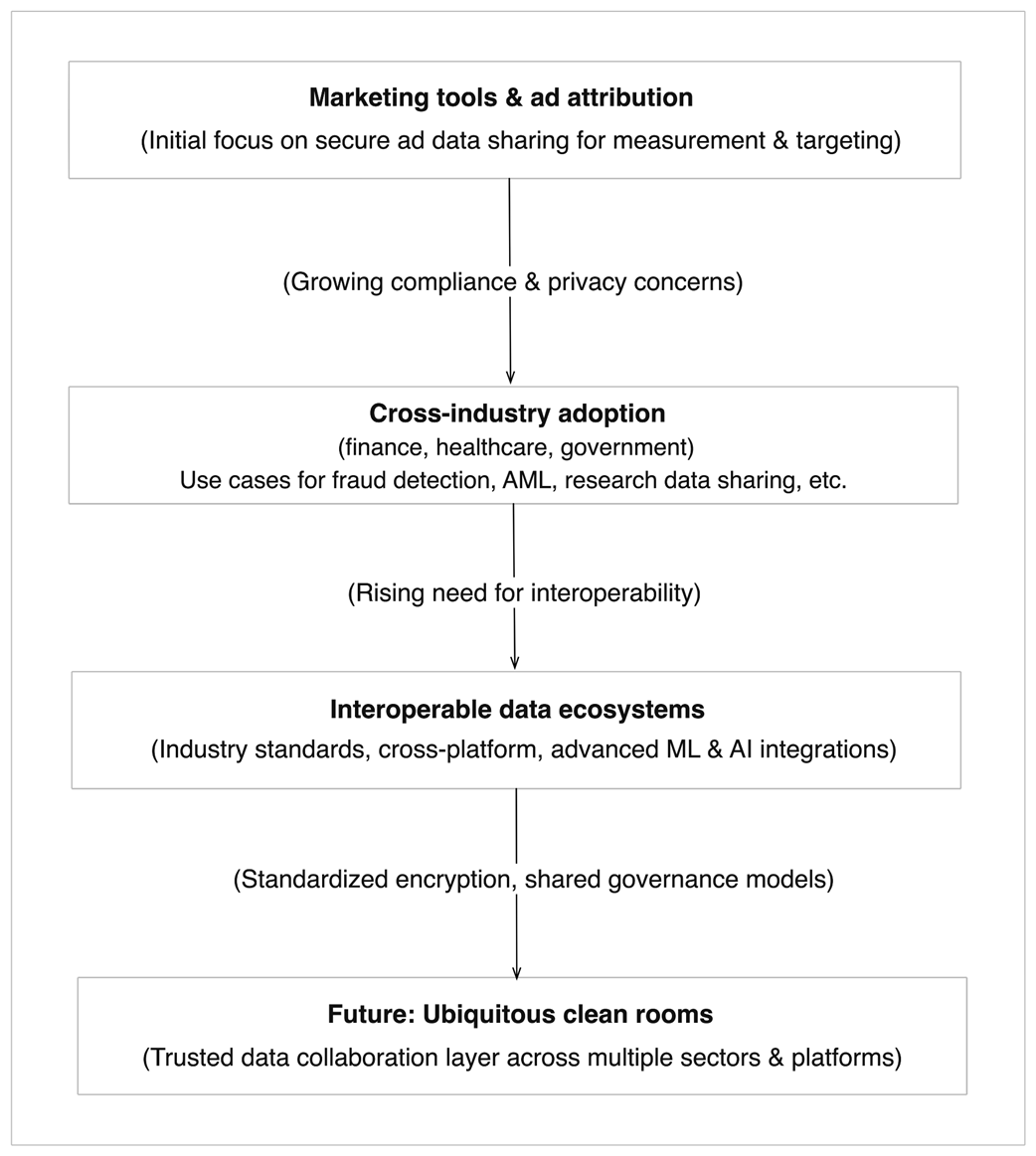
Clean rooms serve use cases beyond advertising. They support compliance and risk needs such as fraud suppression and collaborative anti–money laundering analysis, enabling institutions to share behavioral patterns without exposing raw PII. They also restore measurement accuracy in a cookieless world by enabling cross-channel attribution and ROI analysis, even as limitations like restricted event granularity, technical complexity, and integration overhead persist. Looking ahead, broader adoption across industries, stronger interoperability standards, and advances in AI—especially federated learning and privacy-safe modeling—position clean rooms as a foundational layer for secure data collaboration, balancing actionable insight with rigorous privacy and governance.
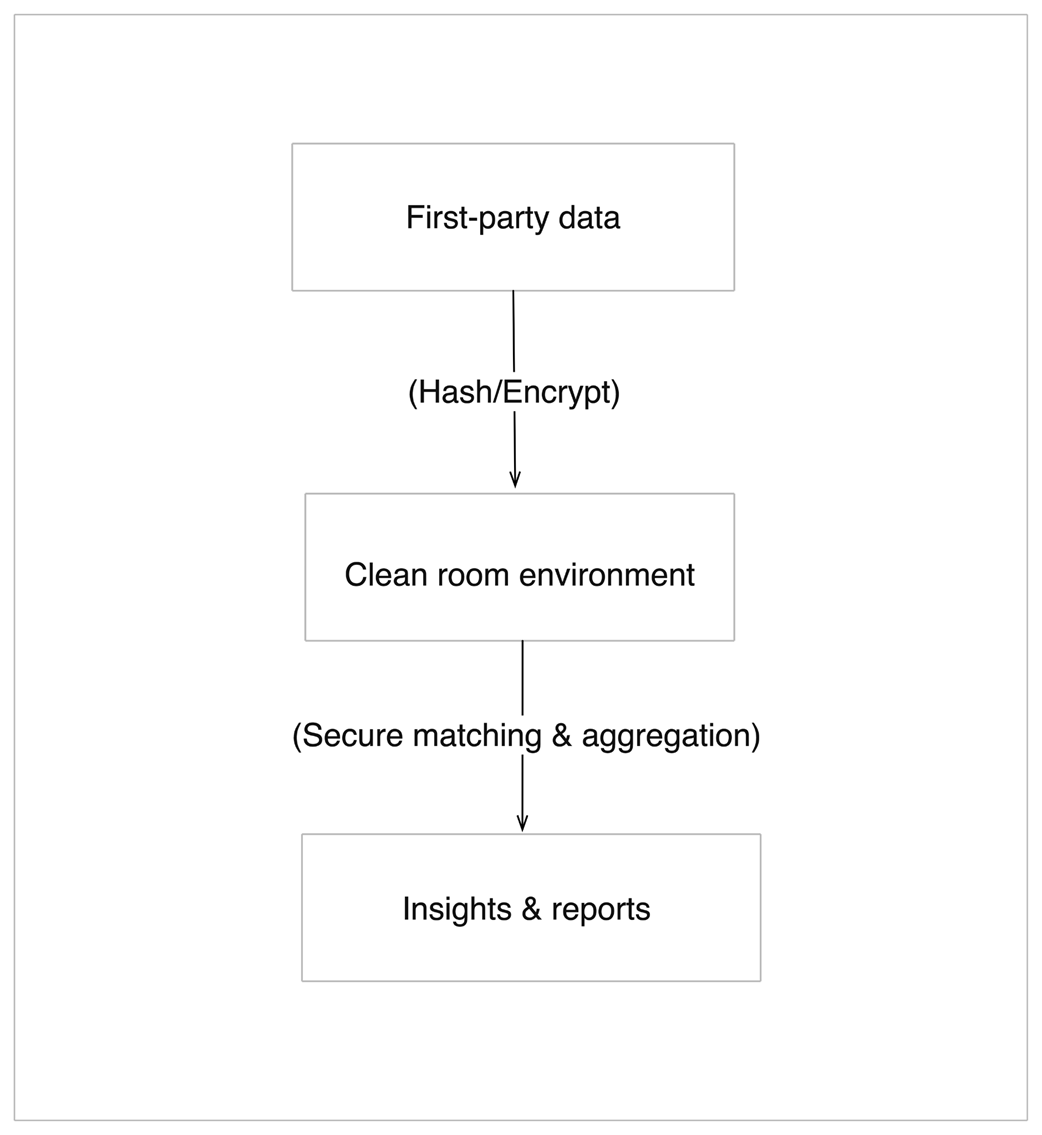
Data flows in a clean room
Walled garden
Neutral intermediary
A high-level secure matching process in a data clean room
A high-level workflow for fraud suppression in a clean room.
The evolution of data clean rooms
Summary
- Data clean rooms are crucial in enabling privacy-compliant collaboration and helping businesses analyze data securely while adhering to regulations like GDPR and CCPA.
- They are widely used for audience targeting, measuring campaign effectiveness, and training machine learning models without exposing sensitive data.
- Clean rooms support cross-industry applications, such as fraud detection in finance and secure data-sharing in healthcare, while ensuring data privacy.
- Walled garden clean rooms focus on platform-specific ecosystems, while third-party providers offer more flexible, cross-platform solutions.
- Interoperability remains a challenge, and efforts toward standardization are essential for widespread adoption.
- As businesses adapt to a cookieless future, clean rooms will be central to how data is securely shared, analyzed, and used for decision-making across industries.

 First-Party Data Activation ebook for free
