8 Navigating Sensitive and Protected Data
Data analysis can create real-world harm when ethical guardrails are missing, even in seemingly routine work. This chapter situates analysts as stewards of people’s rights and well-being, drawing a line from foundational research ethics (e.g., voluntary, informed consent; minimizing harm; proportional risk/benefit) to everyday analytics. It shows how choices about data collection, modeling, and reporting can affect jobs, housing, health, and credit, using examples like a resume-screening model that encoded historical bias. The takeaway: respect for autonomy, privacy, and dignity must be operationalized—from transparent consent practices to thoughtful study design—because the quality and fairness of outputs are bounded by the quality and fairness of inputs.
The legal landscape reinforces those obligations. Broad data protection regimes such as GDPR and CCPA define personal and sensitive data, enshrine individual rights (to be informed, to delete, to restrict processing), and mandate practices like data minimization, limited retention, secure access, and clear purpose specification. Sector rules (e.g., HIPAA in healthcare, FERPA in education, GLBA in finance) impose additional protections tailored to the risks of misuse. The chapter also examines bias in automated systems, showing how rules-based tools and machine learning can yield uneven accuracy and outcomes across groups, with high-stakes implications in hiring and promotion. Emerging regulations—such as New York City’s requirement to disclose and audit employment-related automated decision tools—signal growing expectations for measurement, transparency, and remediation of disparate impact.
Practically, the chapter offers a toolkit for working with sensitive data safely and responsibly. It emphasizes data minimization (collect only what’s necessary, store it briefly, and restrict raw access), and explains when and how to use anonymization versus pseudonymization, including hashing identifiers and separating look-up tables from analytic datasets. It demonstrates reducing identifiability by transforming granular PII into useful but safer features (e.g., city/state/ZIP from full addresses) and details how to prevent deanonymization by managing contextual clues. Finally, it promotes clear guardrails—minimum cell sizes, aggregation thresholds, secure sharing, peer review of sensitive breakouts, and rigorous documentation—so analyses remain reproducible, privacy-preserving, and fair while still delivering actionable insight.
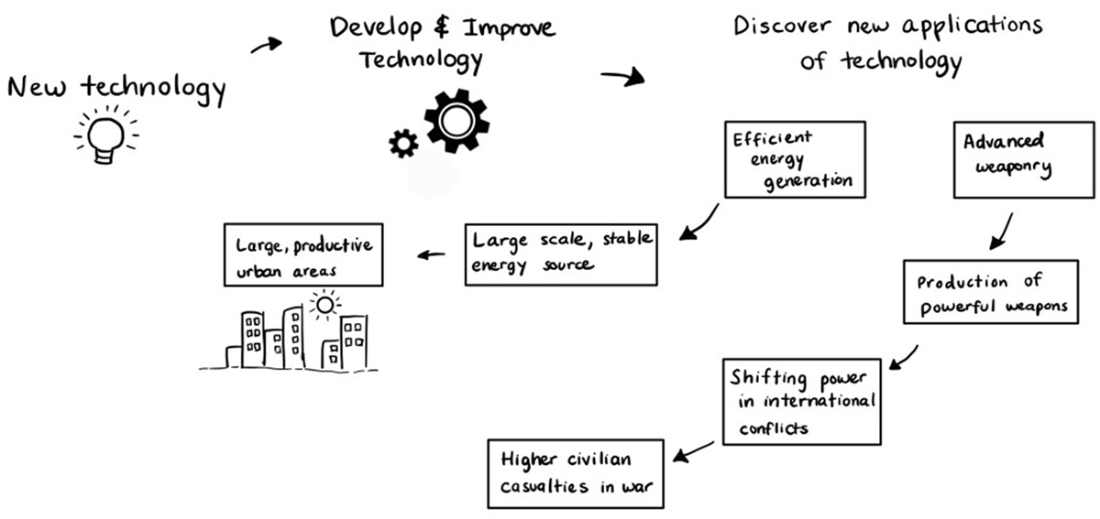
The outcomes of scientific discovery can lead society down a path of societal advancement or collective harm.
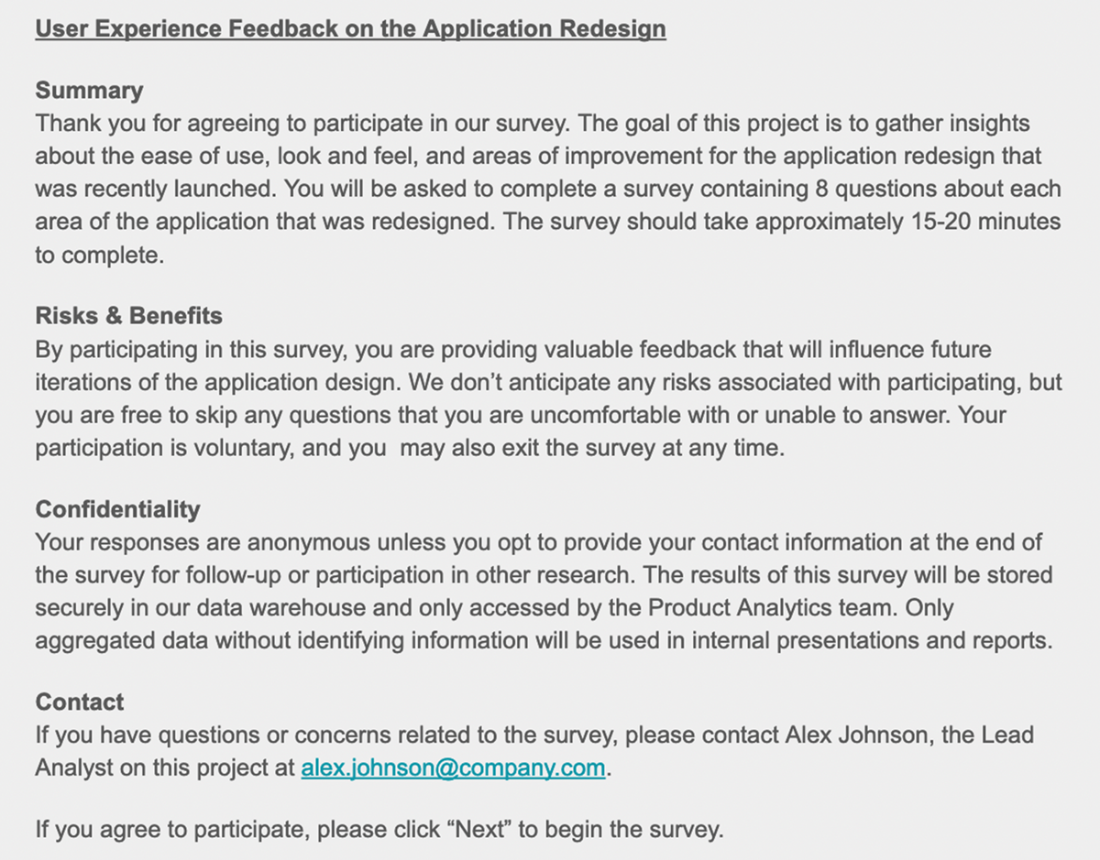
An informed consent document for a survey conducted by a product analytics team.
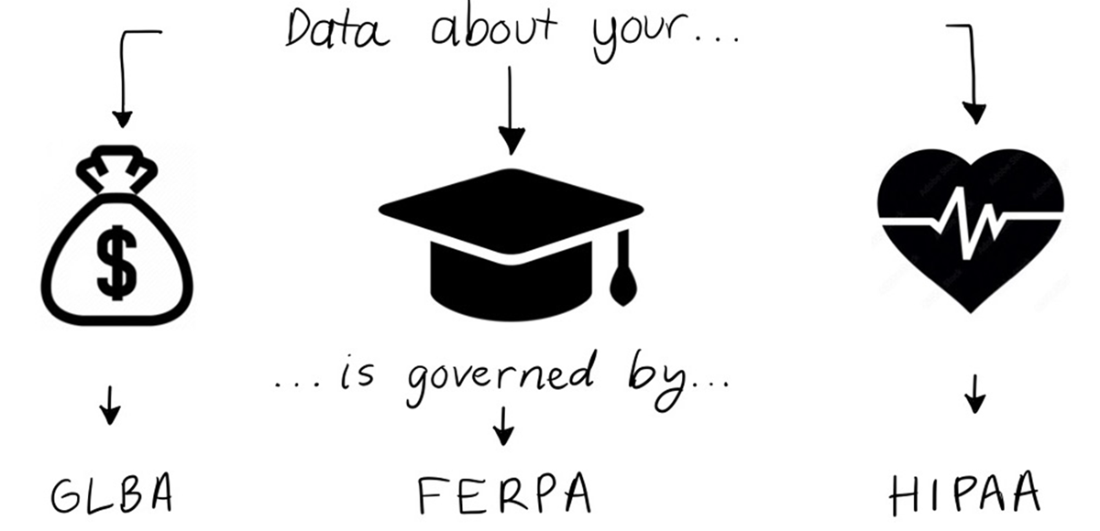
Many types of sensitive information are governed by sector-specific laws, both in the U.S. as the examples shown here, and around the world.
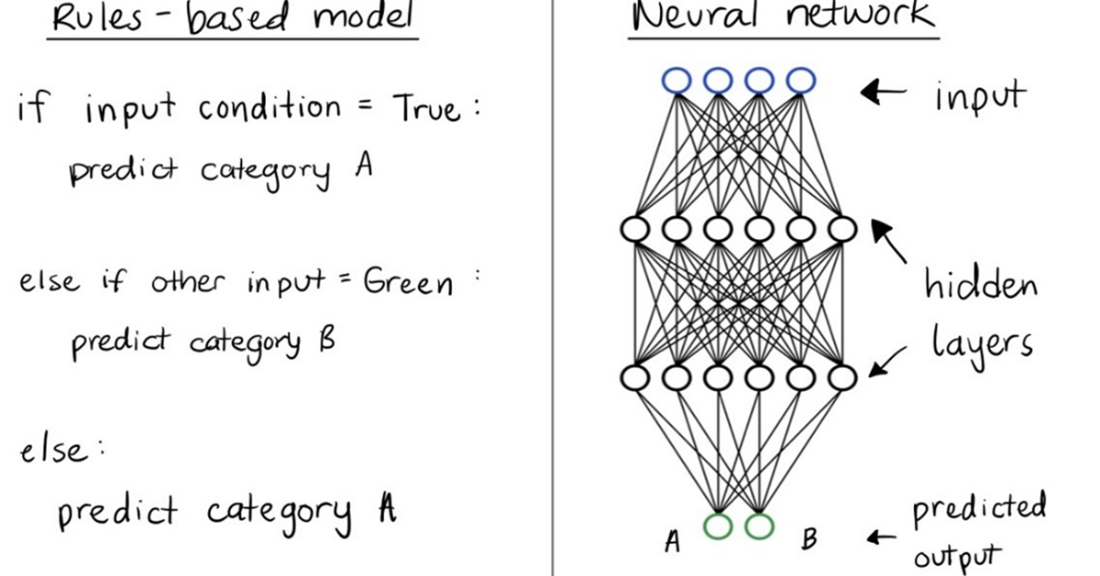
An automated system for categorizing data can employ anything from simple rules to sophisticated machine learning algorithms.
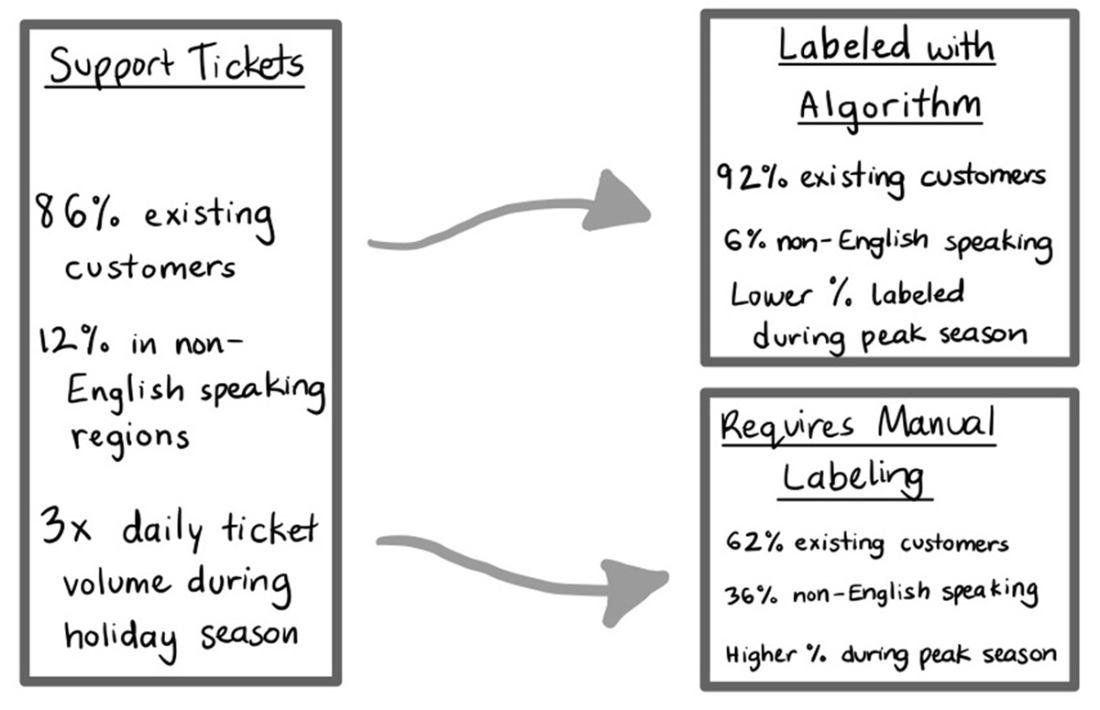
The categorization system developed by the data science and analytics team can streamline the work of the customer support team. Still, it may have an unanticipated negative impact on certain groups of customers.
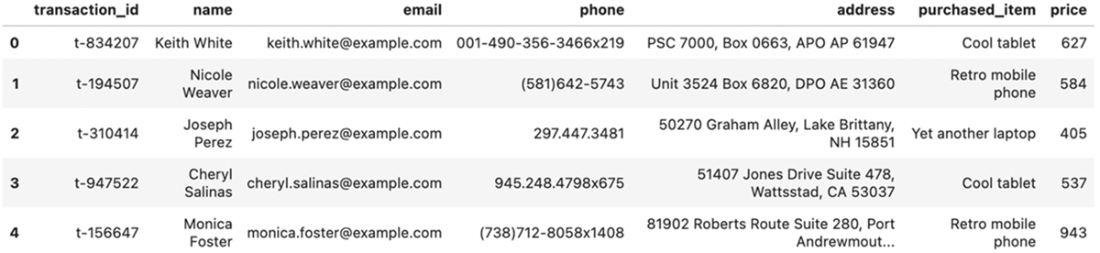
When all else fails, treat protected information as radioactive.

This table contains numerous fields with protected information about the customer.
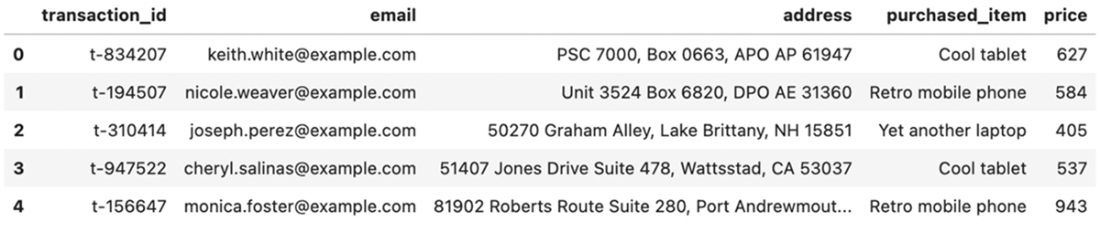
When sensitive data isn't necessary for analysis, you can drop the fields from your dataset.
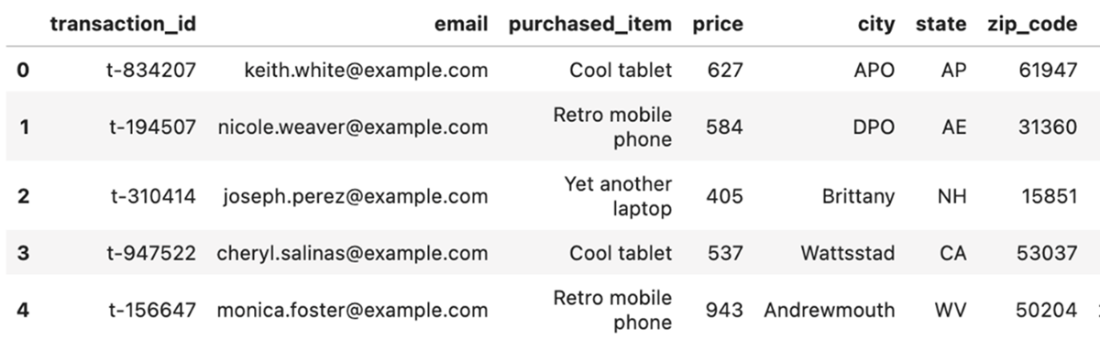
Standardized geographic information is easily extracted from the address column. We can then drop the original versions below.
Hash functions are like a smoothie blender, taking the original data and scrambling it so you cannot undo it and retrieve your original ingredients.
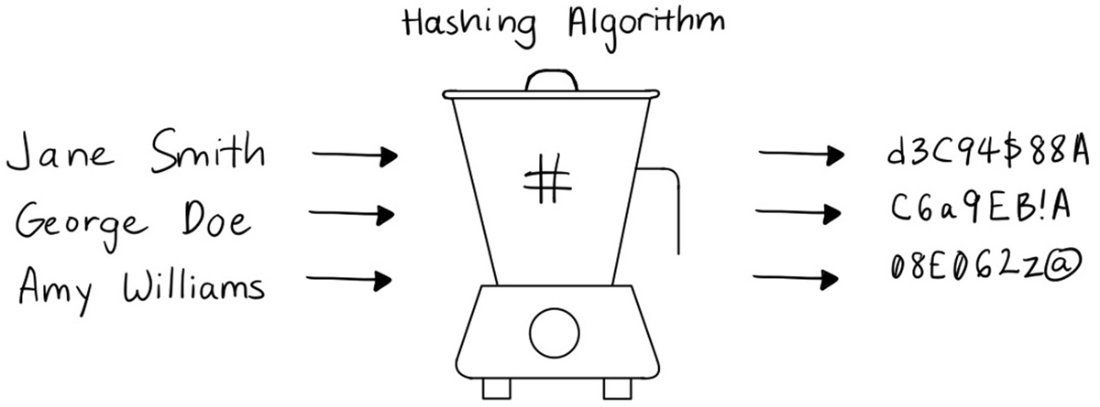
The resulting hash is a long sequence of random letters and numbers.
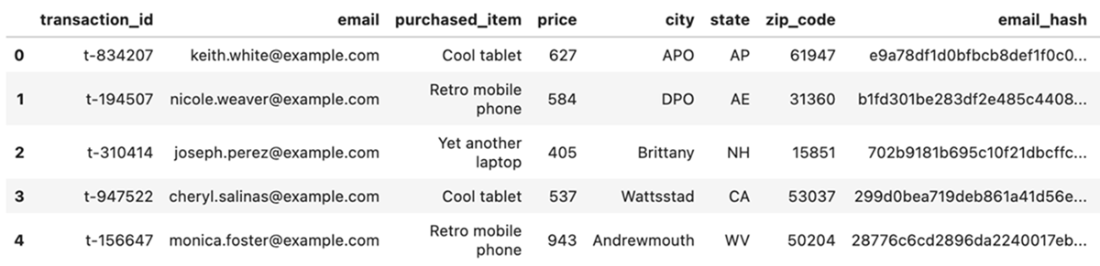
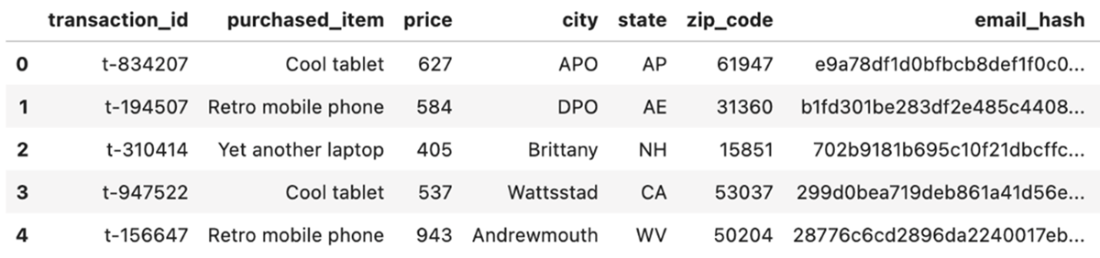
The final transactions table can identify customers without sensitive or protected data.
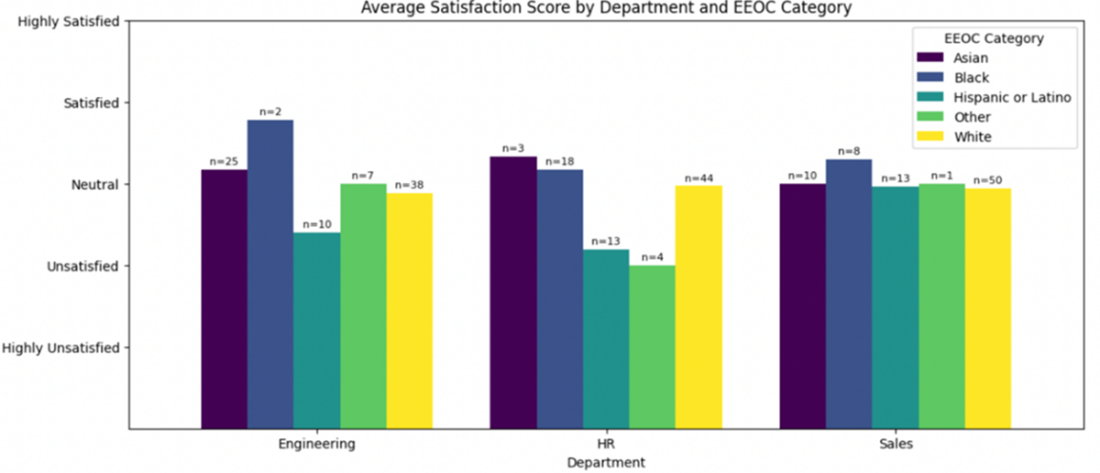
An employee engagement survey with multiple breakouts can accidentally deanonymize individuals in groups with few members. For example, the Sales department has one EEOC group with n=1, making it easy to identify the person and their satisfaction.
Summary
- The Nuremberg Code was established in the aftermath of harmful experiments in WWII. It set guidelines for ethical human subjects research, emphasizing voluntary consent and the rights of participants.
- The informed consent process in research ensures that participants have sufficient information about the purpose, procedures, and potential risks of a research project or study to make informed decisions about participating.
- The General Data Protection Regulation (GDPR) in the European Union provides individuals control over how their personal data is stored and used. It requires that companies have guardrails in place to protect the privacy and security of people's data and obtain consent to store and use personal data for specific purposes.
- The California Consumer Privacy Act (CCPA) is a regulation that offers data protection rights similar to the GDPR, specifically for California residents. It allows consumers to know about and opt out of the usage and sale of their personal data.
- Automated decision tools using rules-based or machine learning algorithms can potentially produce biased output that disproportionately impacts subgroups of your users, customers, or the general population. New York City recently passed a law requiring these decision tools in hiring to be audited for bias. This is a new category of law in the data world and will likely develop quickly in the coming years.
- Sensitive and protected data analysis refers to the analysis of personal information governed by law or that may risk producing harm if it were released without consent. This type of analysis requires special care to maintain the privacy and confidentiality of people and organizations.
- Protected information is data that, if exposed, could produce harm for the individual.
- Personally identifiable information (PII) refers to individual characteristics such as names, addresses, phone numbers, and social security numbers. This type of information is governed by regulations such as GDPR and CCPA.
- Protected health information (PHI) refers to medical records, transactions, diagnoses, and any other information that, if breached, could risk disclosing confidential medical conditions.
- Data minimization is a key principle in analyzing sensitive data, recommending that you only collect the data you need for a specific project and retain it for as long as necessary. This is intended to reduce the risk of data breaches and misuse of sensitive information.
- Anonymization is the process of completely removing personally identifiable information (PII) from your data to prevent the identification of individuals.
- Pseudonymization, in contrast, is the process of removing PII from specific datasets and replacing it with a pseudonym or key. The data is then retained elsewhere in case it's necessary for other purposes.
- Analysts have a responsibility to minimize the likelihood of deanonymization of data. Since anonymized datasets can be easily re-associated with individuals, a set of guardrails for your team should be established to protect from unintended consequences associated with re-identification.

 Effective Data Analysis ebook for free
