4 Data integration and management
Data is presented as the lifeblood of a digital twin, making integration and management the foundation for accuracy, trust, and impact. The chapter catalogs the main data types—reference, timeseries, unstructured and semi-structured objects, spatial, and derived data (including features and embeddings)—explaining how each contributes context, behavior, and semantics. It then maps the principal sources: operational technology (SCADA, historians, IIoT), information technology (ERP, finance, BI), and external feeds, emphasizing that coherent combination across these domains turns raw signals into decision-ready intelligence.
To operationalize this, the chapter surveys data structures and pipelines matched to access patterns: relational, columnar, graph, document, and key-value models; ingestion modes spanning batch for historical context, streaming with sliding windows for live signals, and API integrations for on-demand retrieval; and ETL/ELT to cleanse, standardize, and enrich. It addresses the realities of IT/OT convergence—security constraints, air-gapped networks, proprietary protocols—and recommends mirrored data, demilitarized zones, protocol translation, and layered architectures to protect control systems while enabling analytics.
Storage and governance complete the blueprint. The chapter advocates polyglot persistence—timeseries databases for telemetry, analytical warehouses or columnar files for large-scale queries, data lakes/lakehouses for heterogeneous assets, transactional stores for reference data, and specialized systems such as object, graph, vector, and feature stores—combined with lifecycle tiering (hot/warm/cold) to balance performance and cost. Robust governance spans data classification, regulatory compliance, zero-trust access control, and rigorous data quality management. Selection criteria focus on performance, scale, consistency, cost, and integration complexity, illustrated by a practical example that pairs serverless key-value storage for timeseries, object storage for media, and a graph database for relationships in a home digital twin.
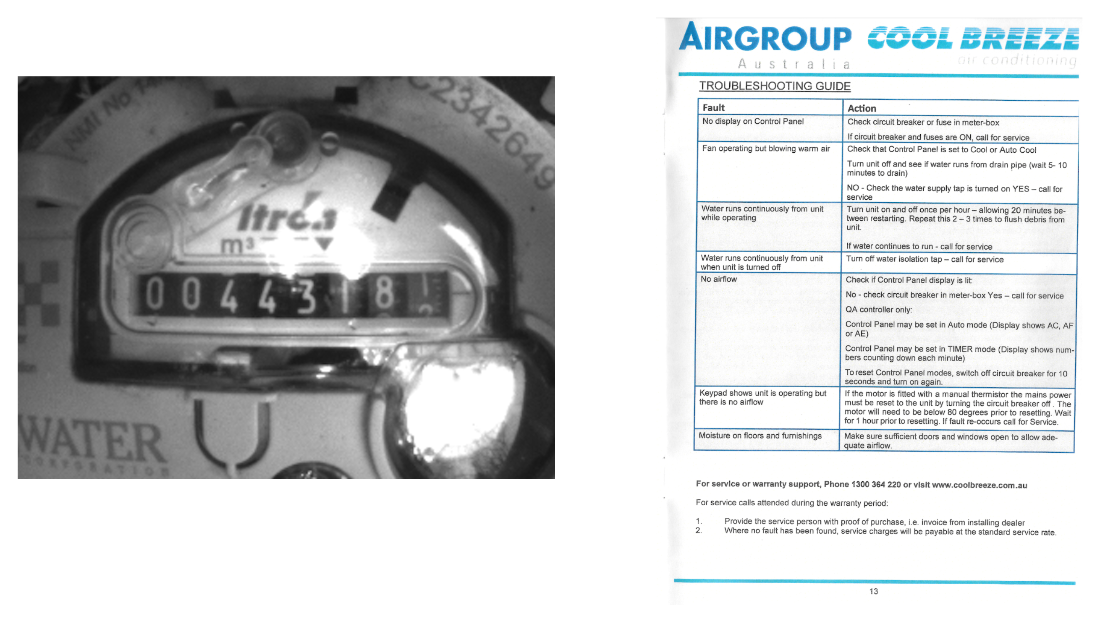
Examples of unstructured data stored in my home digital twin, with an image taken by an IoT camera shown to the left, and a device manual on the right.
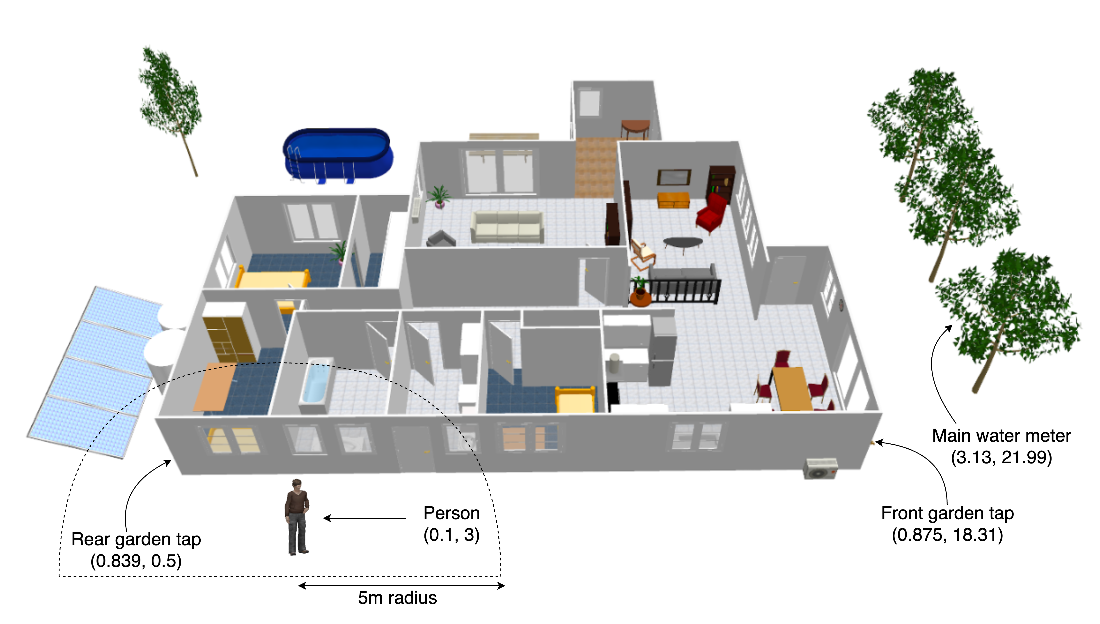
A 3D mesh model of my home that I will use in my digital twin with the coordinates displayed for three sensors I have deployed to measure water usage around the home. Listing 4.2 shows how I can use the coordinates to find objects within five meters of the person.
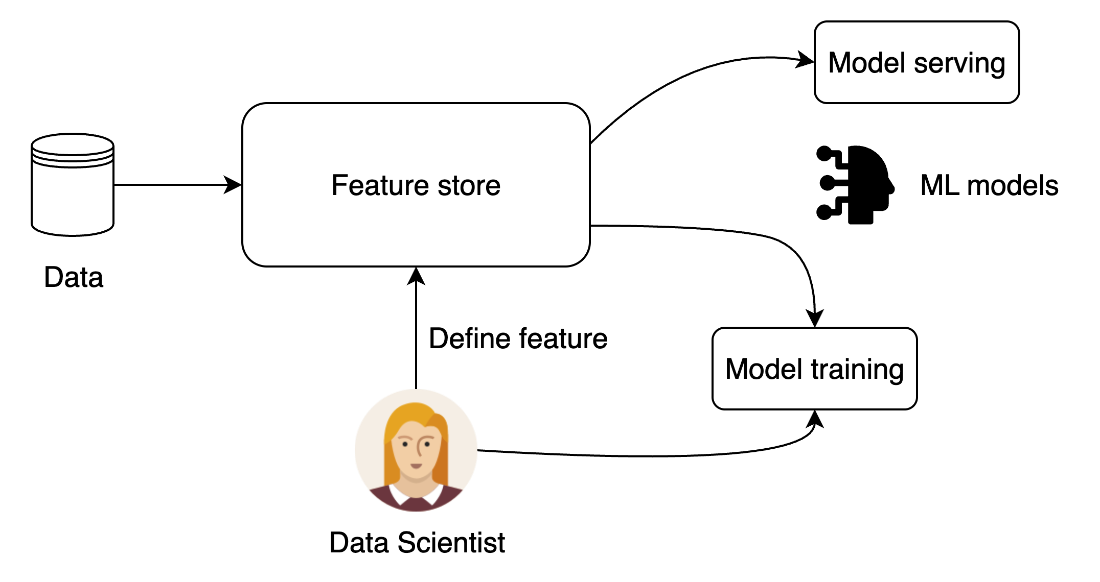
The relationship between a raw data store, derived data in a feature store, and the training and serving of ML models.
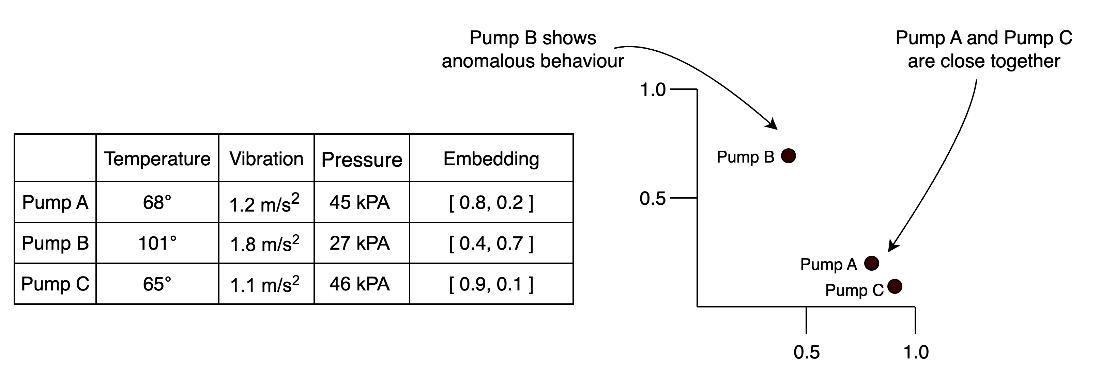
An example of how higher dimensionality raw data can be converted to a compact format that encodes the similarity in operating parameters between Pump A and C, while showing the difference in Pump B.
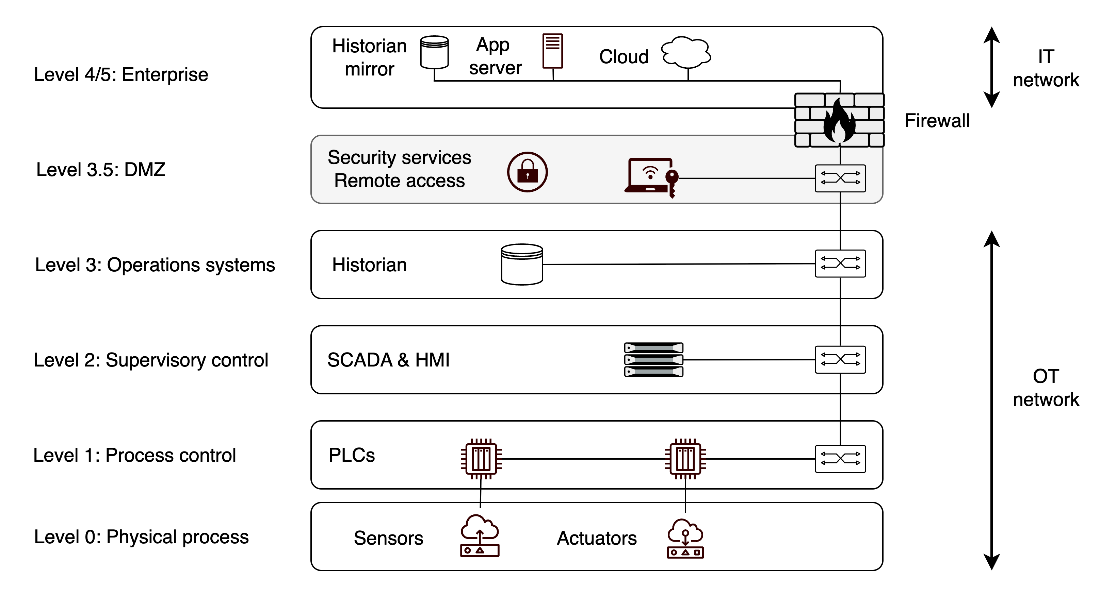
The Purdue model of IT/OT convergence segments the network into layers with a DMZ acting as a buffer zone between the OT and IT networks.
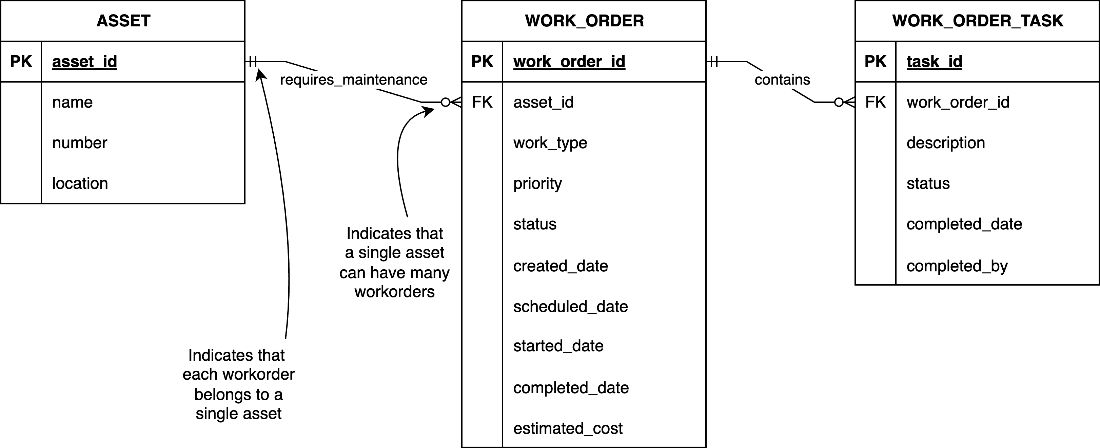
A relational model of a work order showing tables and properties representing entities, and their relationships.
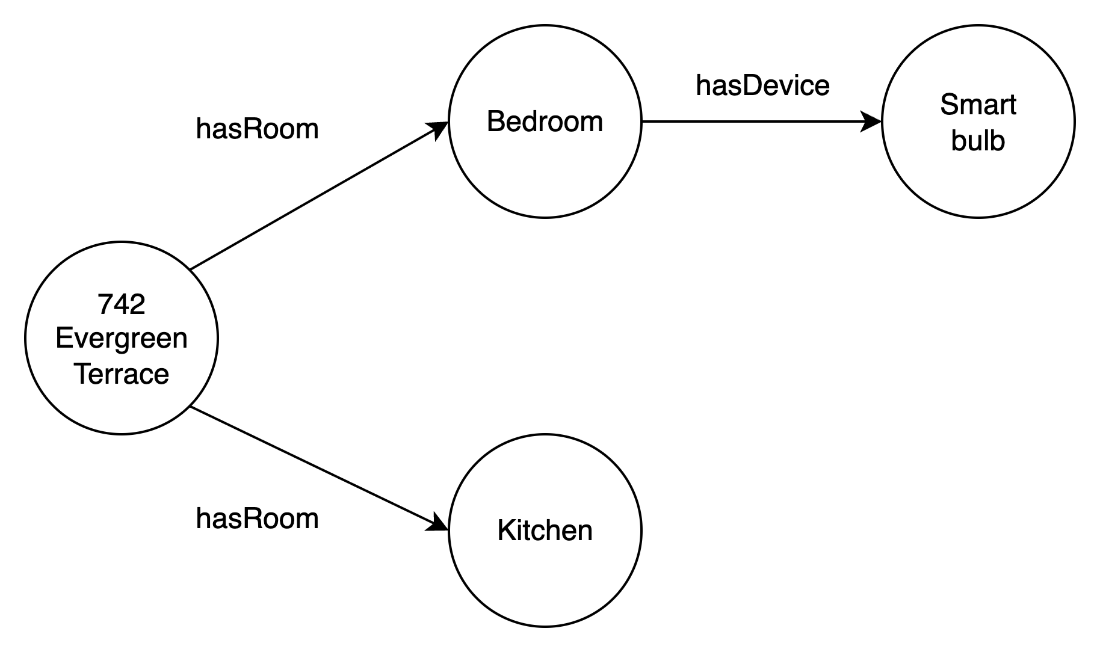
A house, its rooms, and their devices modelled as a graph structure.
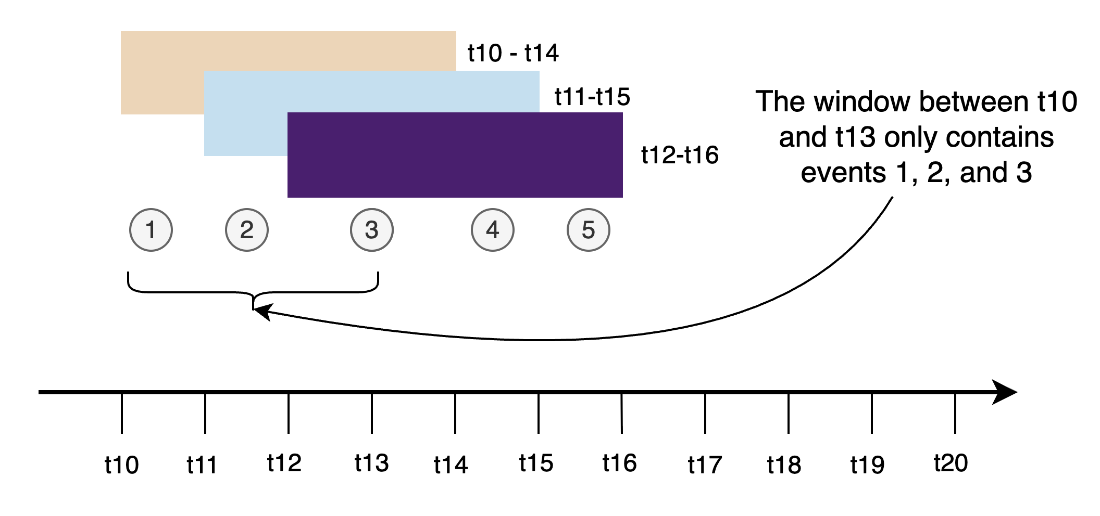
A sliding window of length four over a data stream. As the window slides through time, older readings fall out, and new readings are added.
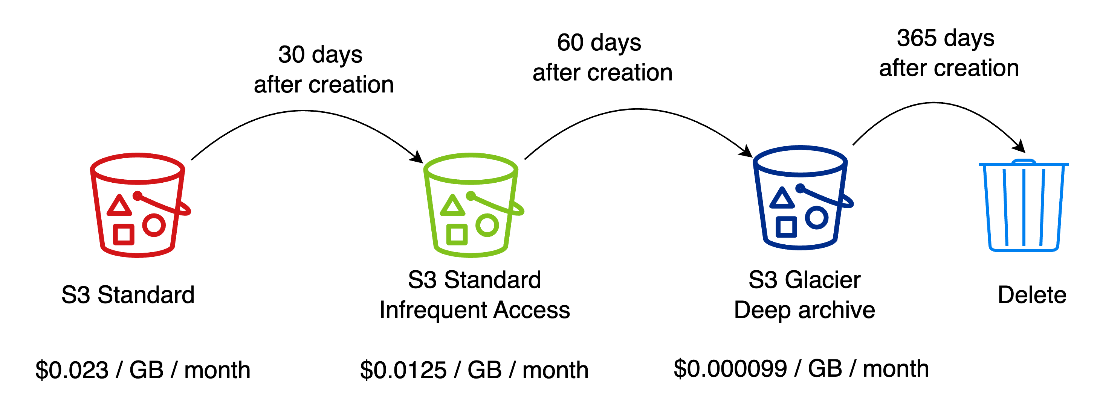
An example lifecycle policy for data stored in Amazon S3 that transitions data to cheaper storage and eventual deletion as it ages.
Summary
- There are a number of different types of data that are found in most digital twins including timeseries, relational, object, spatial, and derived data which includes features and embeddings.
- Digital twins source data from both internal data stores, and from external sources.
- Both operational systems and information technology systems within the organization are important sources of data that digital twins leverage, with these traditionally separate systems beginning to converge.
- There are different strategies digital twins adopt to ingest data including batch-based, streaming, and API-based integrations.
- There are a range of modern data storage technologies that can be adopted to store the types of data a digital twin uses.
- Digital twins aggregate data from many sources and governance and management of compliance of this data is an important consideration.

 Digital Twins in Action ebook for free
