8 Collaboration: When one agent is not enough
The chapter argues that collaboration is only worthwhile when another agent adds real capacity that a single context lacks. It opens with examples showing that parallel workers can improve coverage on broad, decomposable tasks, but also that adding agents can reduce performance when the work is sequential or tightly coupled. The central rule is simple: if one agent can satisfy the acceptance criteria, do not add another unless the new participant contributes independent work, evidence, tools, authority, or judgment that can be cleanly reconnected to the goal.
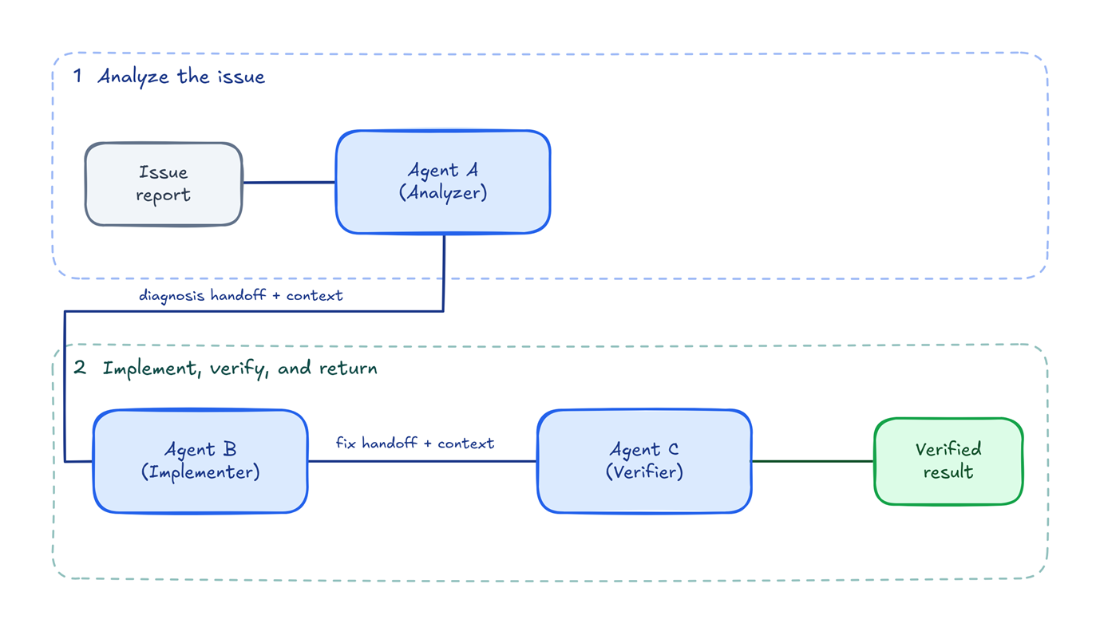
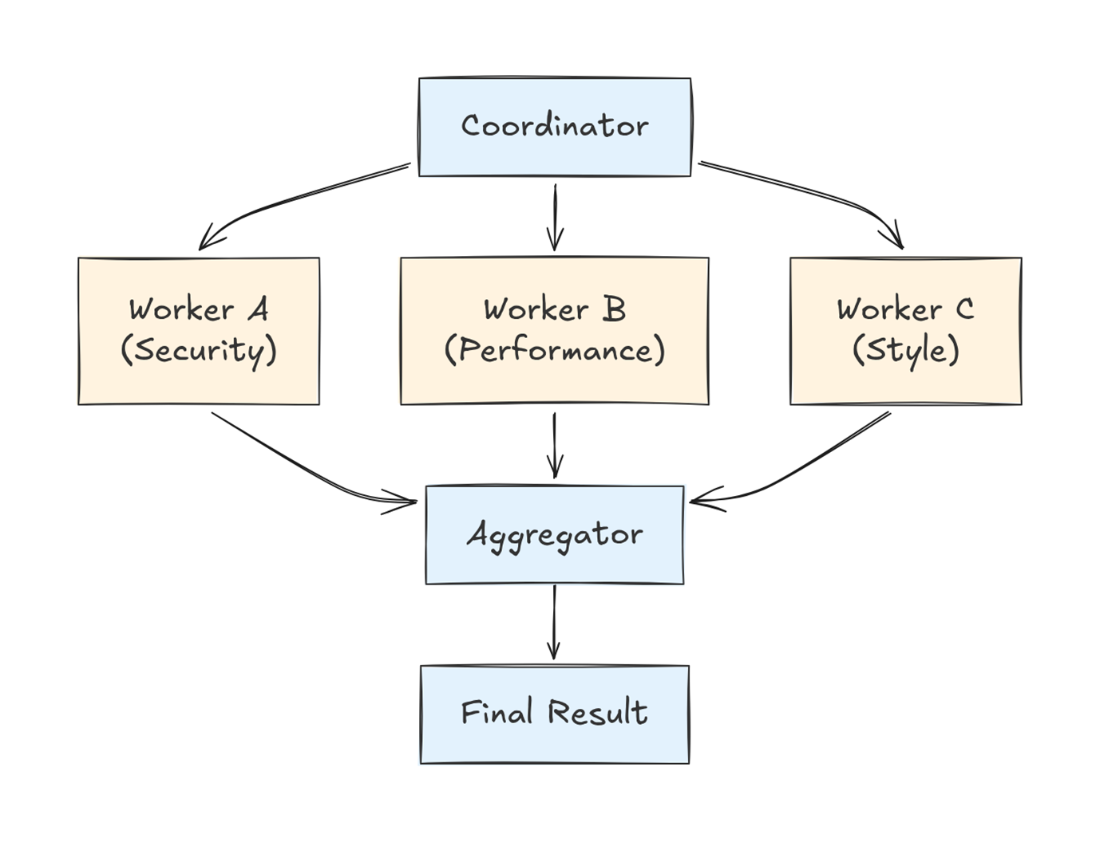
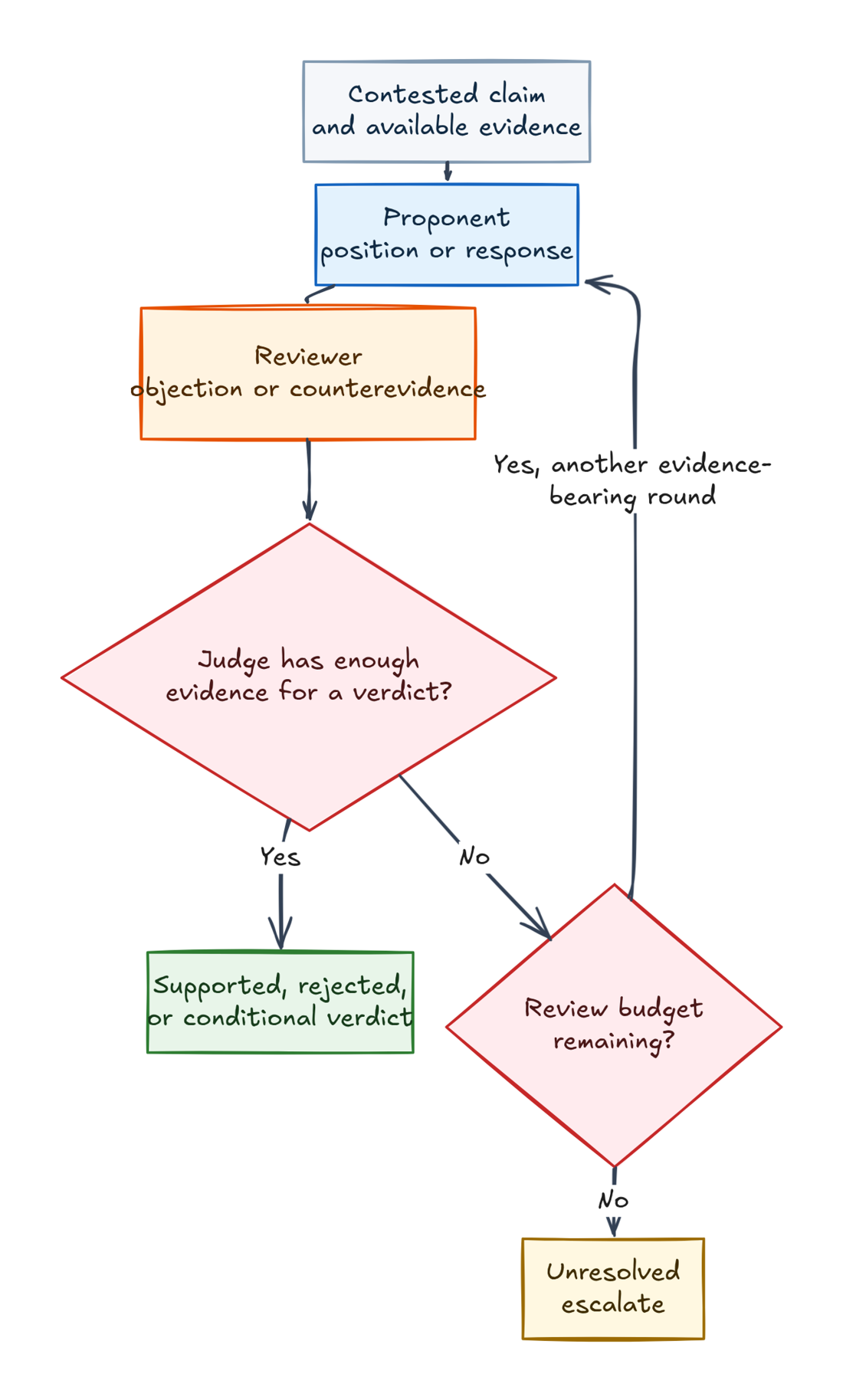
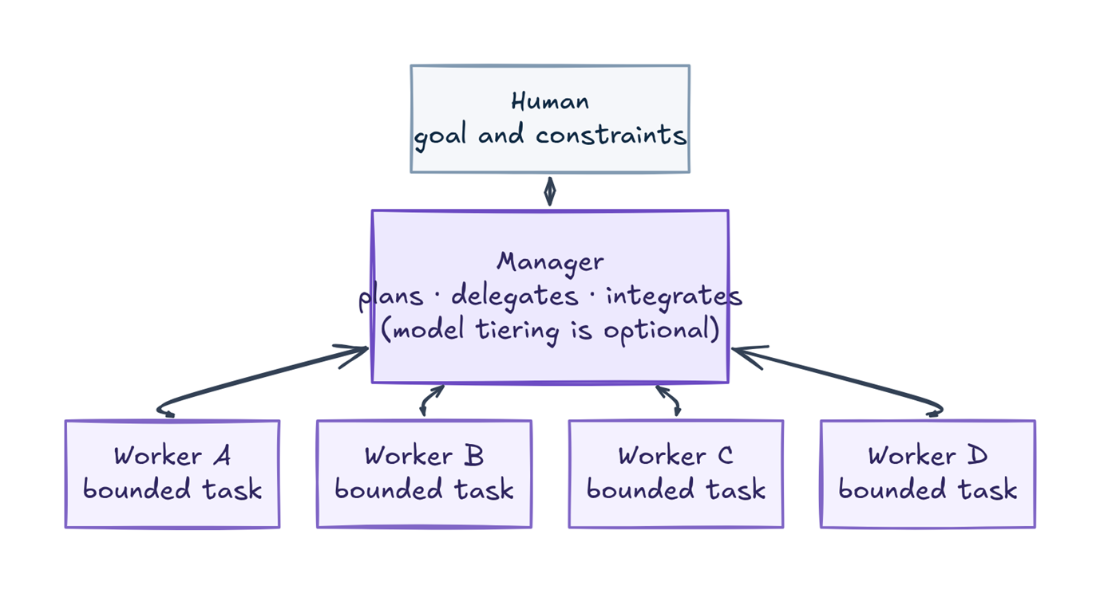
It then develops four collaboration patterns. A handoff chain passes work through specialist phases and requires a typed package so the next agent does not lose critical state. Fan-out/gather splits independent branches, runs them in parallel, and merges structured results while preserving contradictions and minority findings. Adversarial review sets up an independent challenge to a contested claim, using separate roles, evidence, and a stop rule to decide whether the claim survives. Hierarchical delegation gives a manager ownership of the evolving plan while workers handle bounded subtasks, report exceptions, and return evidence for integration.
The chapter repeatedly emphasizes failure modes and measurement. Common problems include omitted constraints, duplicated work, stale or conflicting artifacts, shared bottlenecks that destroy parallelism, performative disagreement, and managers who lose global context. To avoid these traps, the book recommends defining boundaries, ownership, return paths, and acceptance criteria up front, then testing every collaborative design against a credible single-agent baseline. It closes by showing that real systems often compose multiple patterns, but the choice of collaboration should always be driven by the task’s dependency structure rather than by the allure of using more agents.
Handoff Chain passes an owned artifact and a typed handoff packet from one specialist phase to the next. A receiver can accept, request information, reject, or return the task.
Fan-Out/Gather partitions one goal into independent branches, runs them in parallel, and reconnects structured results at an accountable gather point.
Adversarial Review runs a bounded exchange around one claim. New evidence can change the artifact or verdict; an unresolved consequential claim escalates when the review budget ends.
Hierarchical Delegation gives the manager ownership of the evolving plan and integration, while workers own bounded execution and return evidence or exceptions.
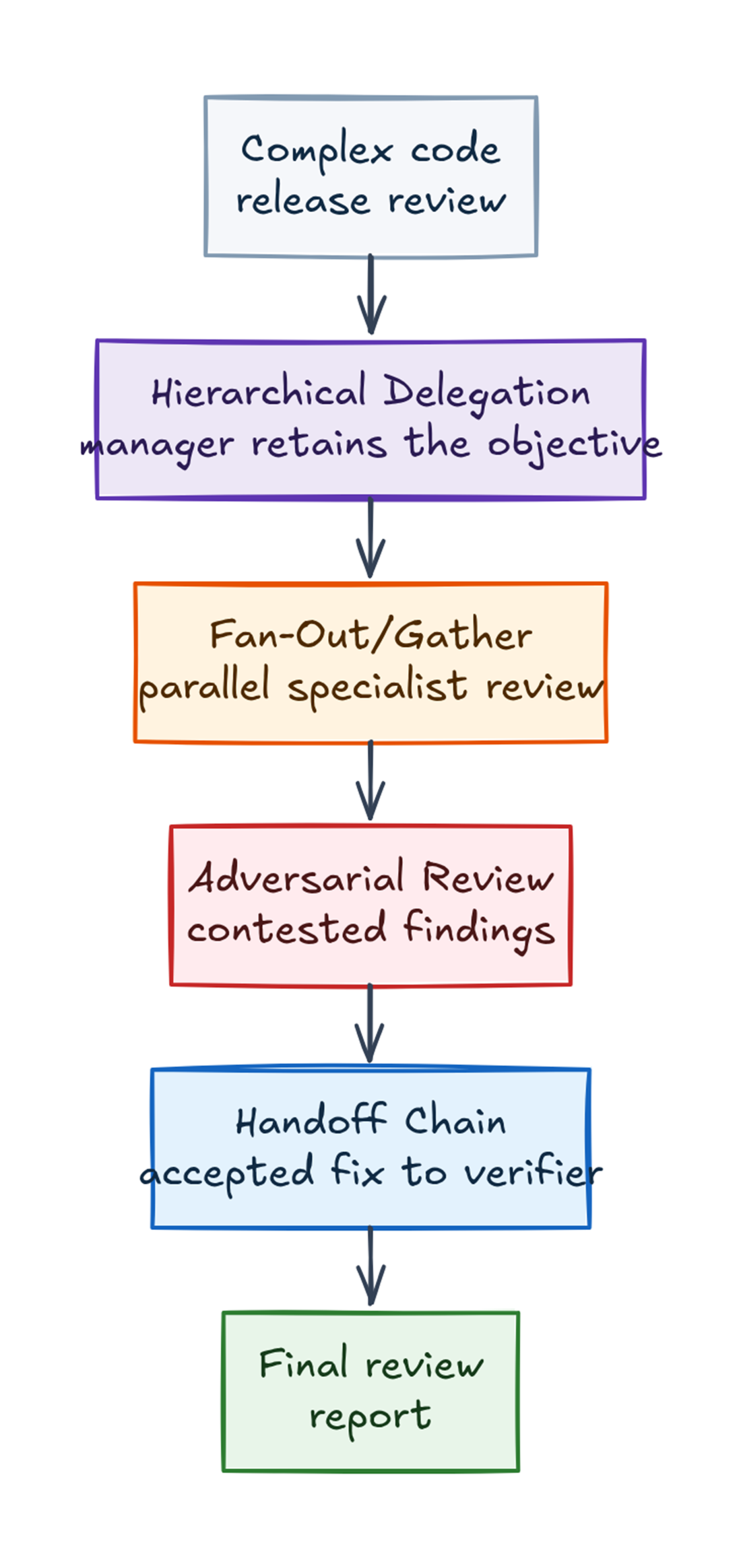
A release combines Hierarchical Delegation for the whole goal, Fan-Out/Gather for independent inspection, Adversarial Review for a contested security claim, and Handoff Chain for versioned transfer to verification.
Summary
- Add another agent only when it contributes independent work, evidence, tools, or judgment, and the system can reconnect that contribution to the original goal.
- Use Handoff Chain at Collaboration × Chain when specialist phases are sequential. Transfer a typed packet, versioned artifact, acceptance checks, and a return path.
- Use Fan-Out/Gather at Collaboration × Parallel when branches can make progress independently, and their structured results can be merged without hiding failures or minority evidence.
- Use Adversarial Review at Collaboration × Loop when a consequential claim deserves an independent attempt to falsify it. Define the evidence, judge, budget, and escalation path.
- Use Hierarchical Delegation at Collaboration × Hierarchy when one manager must preserve a multi-stage goal while workers own bounded deliverables and return evidence or exceptions.
- Compare every team with a credible single-agent baseline. Measure the task outcome first, then inspect tokens, latency, handoff failures, duplicate work, conflicts, plan revisions, and integration effort.
- Frameworks and runtimes express collaboration structures. MCP and A2A carry access or messages. The application still decides where responsibility splits and who accepts the result.

 Designing AI Agents ebook for free
