8 Continuous threat detection
Continuous threat detection is presented as a proactive, real-time capability that safeguards data and assets against evolving threats like phishing and ransomware. The chapter explains how to stand up and operate monitoring that follows NIST SP 800-137’s Information Security Continuous Monitoring cycle: define strategy and risk tolerance, select metrics, collect data, analyze results, and respond. Effective programs combine sensors across endpoints, servers, and networks; analytics that surface anomalies; and automated responses that isolate systems, block malicious activity, and notify teams. Integration with existing defenses (for example, firewalls, intrusion detection, and endpoint protection) creates a cohesive posture focused on the most critical assets and mission impact.
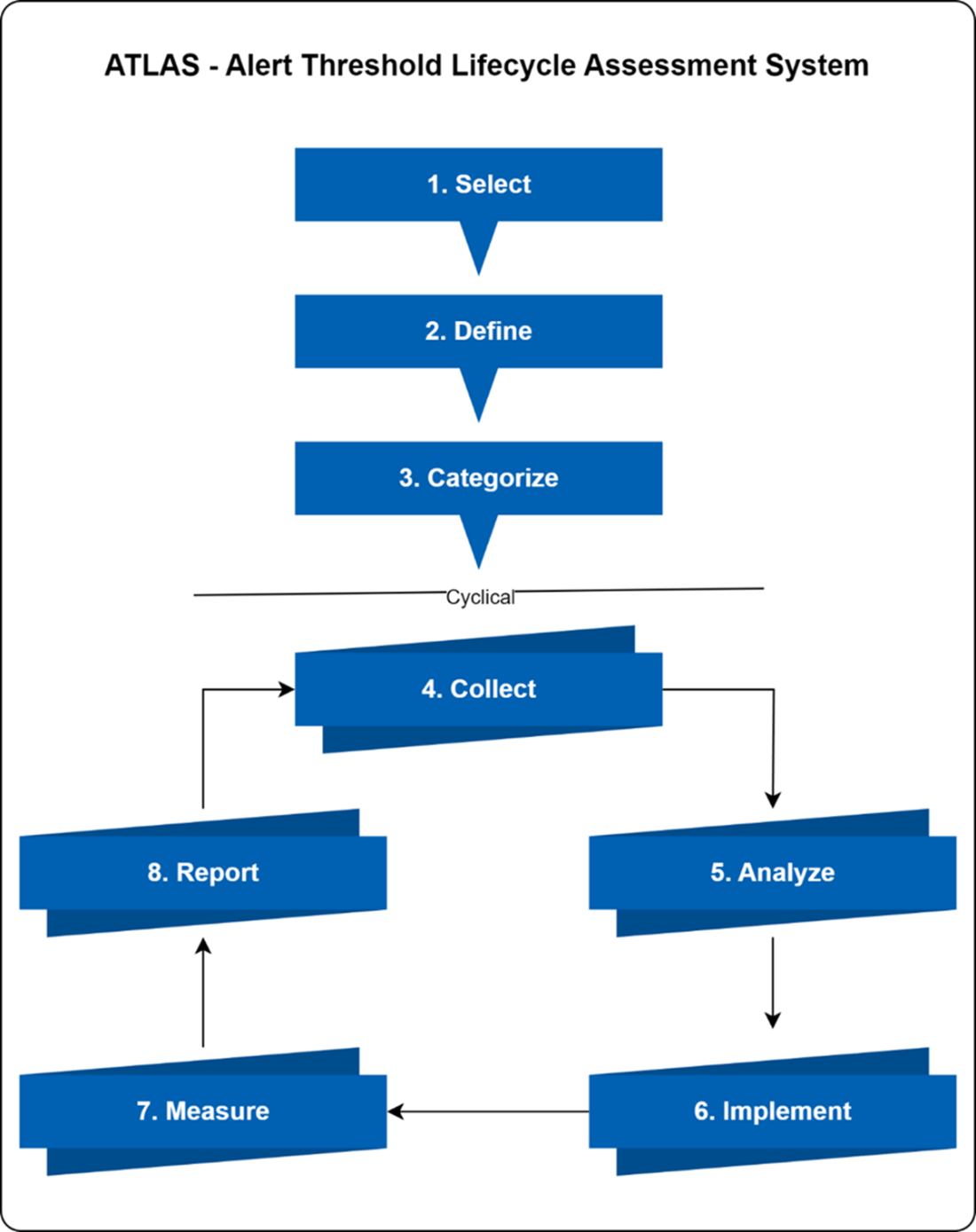
The chapter operationalizes this through open-source tooling such as Wazuh, highlighting capabilities for log monitoring, file integrity, intrusion detection, vulnerability management, and compliance reporting. It details building the monitoring architecture, deploying agents and sensors, and establishing analysis and reporting workflows, then grounds this with practical metrics for detecting ransomware, command-and-control beaconing, crypto-mining, data exfiltration, brute force, and DDoS patterns. A case study shows how refining alert thresholds, adding granular logging, behavioral analytics, and stronger data loss prevention reduced false positives and sped response. To systematically combat alert fatigue, the ATLAS methodology guides teams to select and define alerts, categorize them (zero tolerance, policy violations, anomalies), collect history, apply statistical analyses, implement thresholds, and continually measure and report—yielding improvements in analyst efficiency, accuracy, scalability, and compliance.
To validate detections and balance security with usability, the chapter introduces False Rejection Rate (FRR), False Acceptance Rate (FAR), and Equal Error Rate (EER), illustrating how recalibration and machine learning can lower errors in authentication and anomaly systems. It extends detection quality into adverse event analysis—differentiating anomalies from indicators of compromise, classifying severity, performing root-cause analysis—and tracks progress with Time to Detect, Time to Respond, event volume, false positive rate, incident classification accuracy, and root-cause resolution. A case study demonstrates how filtering, correlation, and ML reduce noise while improving speed and precision. Finally, it surveys alternatives and complements to ATLAS and Wazuh, including MITRE ATT&CK, CIS Controls, risk-based SIEM alerting, Elastic Security, OSSIM, Graylog, and commercial SIEMs—underscoring that continuous, metrics-driven tuning is essential to sustain effective, real-time threat detection.
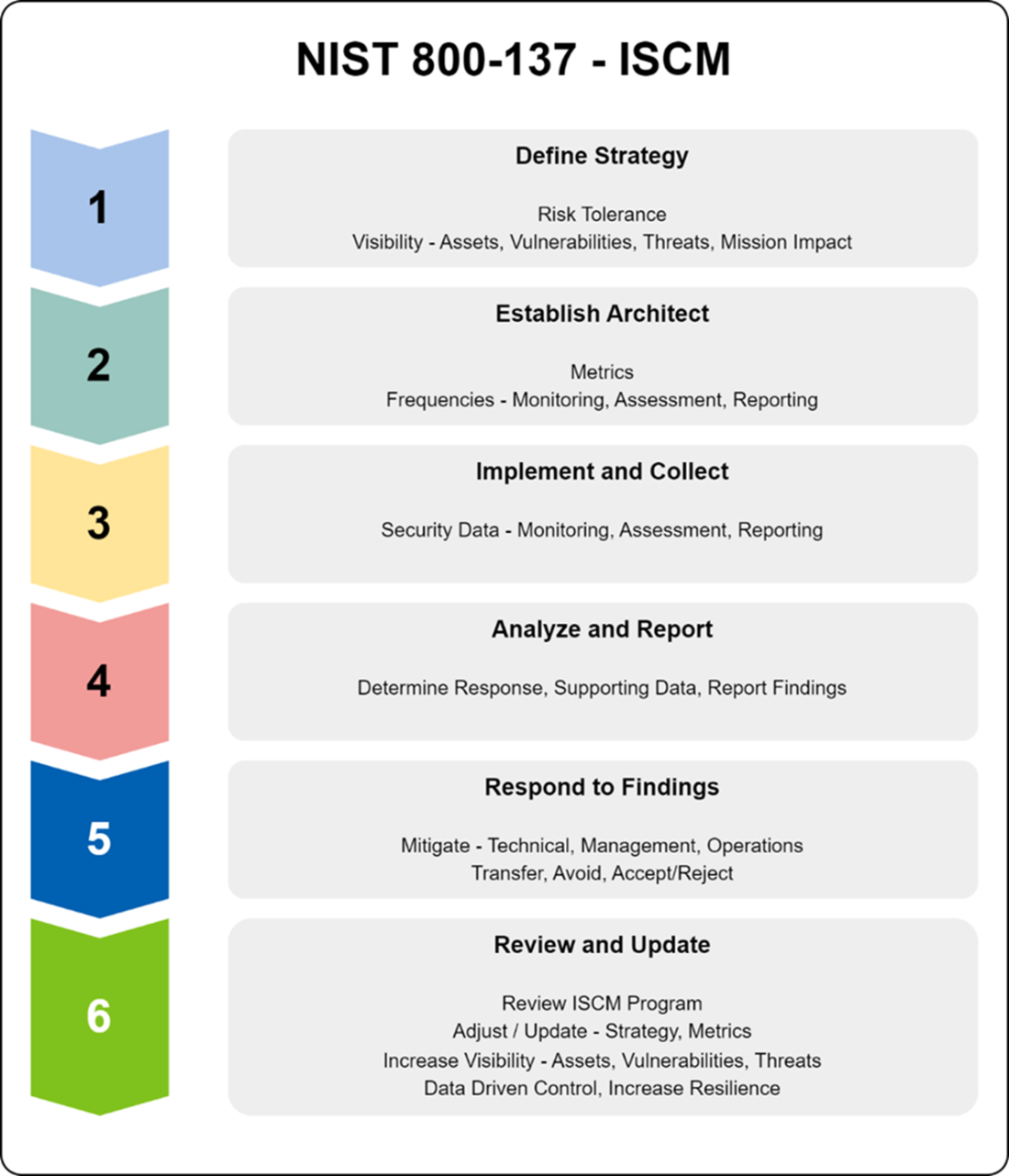
NIST 800-137 Information Security Continuous Monitoring for Federal Information Systems and Organizations describes the steps for implementing ISCM in organizations.
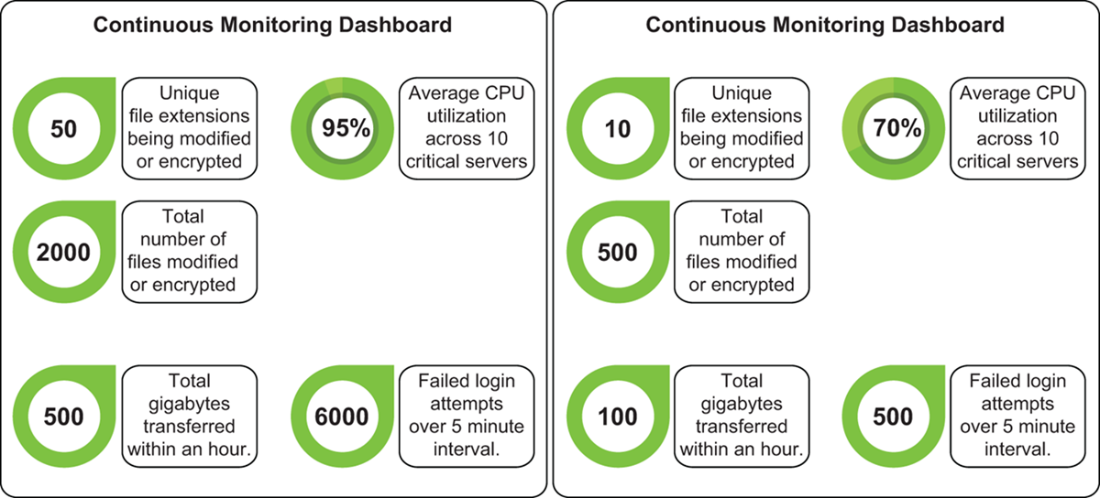
On the left shows SecureTech’s initial continuous monitoring metrics results shown on their example dashboard. On the right are the improved numbers six months after analysis and remediations.
ATLAS - Alert Threshold Lifecycle Assessment System defines a method to set appropriate thresholds for alerts to reduce fatigue.
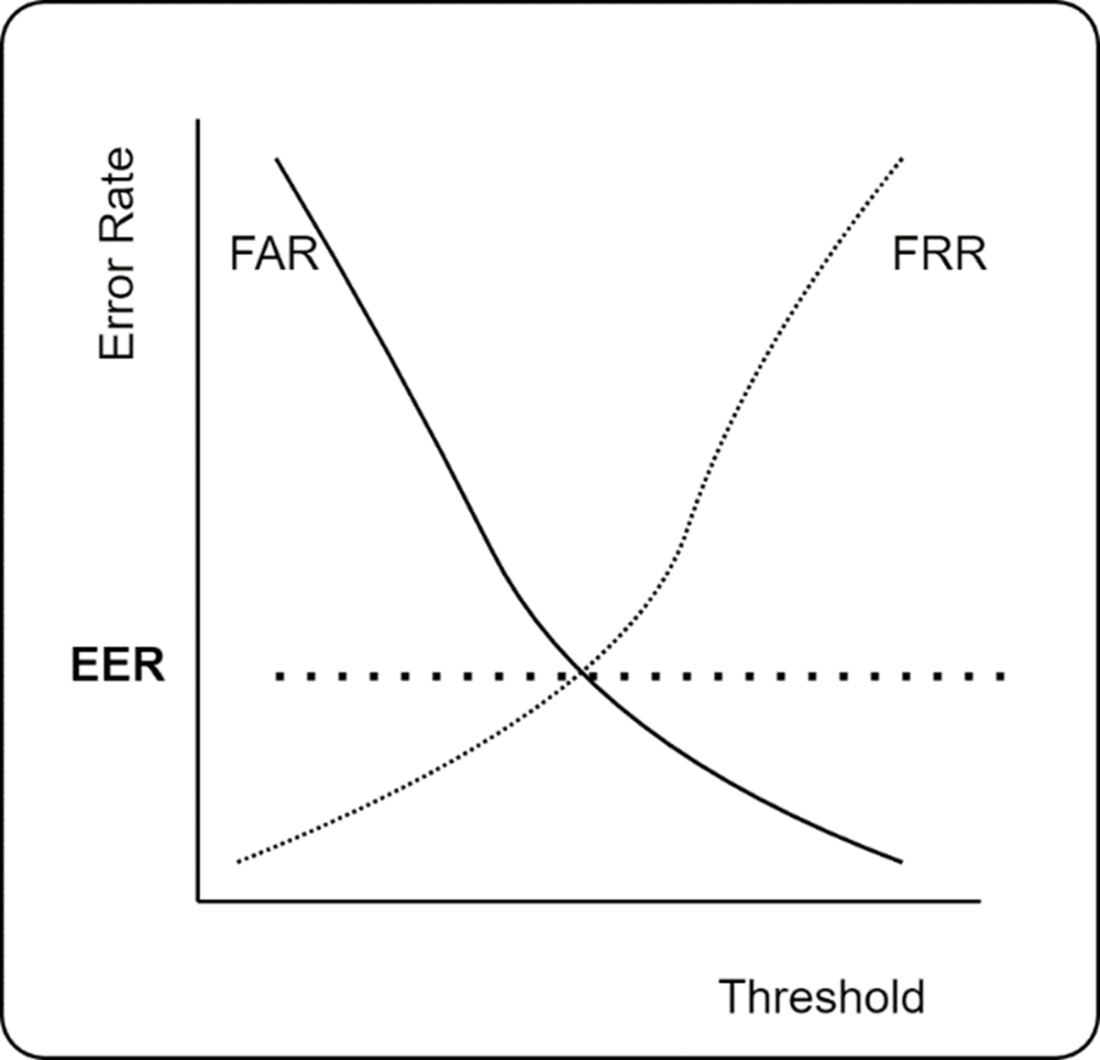
This graph illustrates the relationship between the False Accept Rate (FAR) and False Reject Rate (FRR) as a function of the threshold setting in a security system. The Equal Error Rate (EER) is the point at which the FAR and FRR are equal, indicating the threshold where the probability of false acceptances is equal to the probability of false rejections.
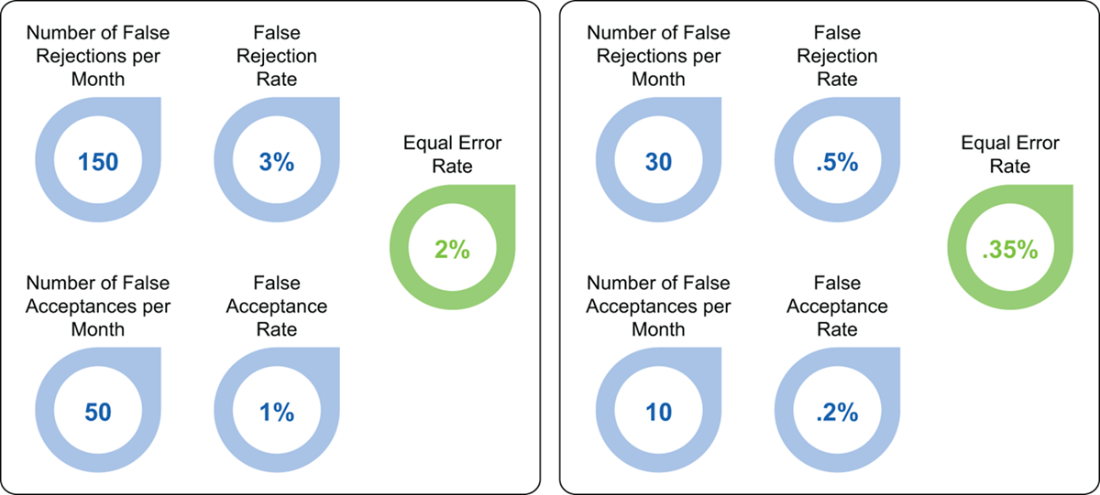
The left side shows DataSecure, Inc. FRR, FAR, and EES Dashboard before implementing improvements. The right side shows improvements after reducing both false rejection and false acceptance rates.
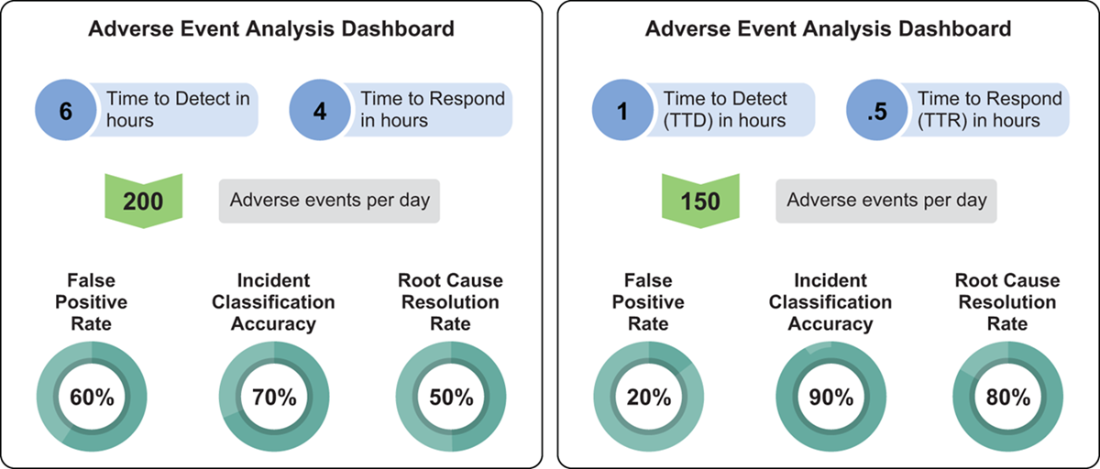
The left shows the adverse event analysis dashboard before implementing enhancements. On the right is the adverse event analysis dashboard after implementing enhancements.
Summary
- Implementing continuous threat monitoring systems is crucial for maintaining a proactive security posture.
- Defining a strategy involves setting clear risk tolerance levels and ensuring comprehensive visibility over assets and vulnerabilities.
- Responding to findings requires timely and effective mitigation strategies to address detected threats.
- Open-source solutions like Wazuh offer powerful tools for continuous threat detection and monitoring, integrating seamlessly with existing infrastructure.
- Establishing a robust architecture for continuous monitoring includes defining key metrics, determining appropriate monitoring frequencies, and setting up reliable reporting mechanisms.
- Effective implementation and data collection are vital for maintaining an up-to-date security posture and ensuring prompt threat detection.
- Thorough analysis and reporting of collected data help in understanding and responding to security incidents effectively
- The ATLAS methodology enhances alert thresholds and reduces alert fatigue, improving overall incident response efficiency.
- Determining valid threat detections involves balancing false rejection, false acceptance, and equal error rates to maintain system accuracy.
- Adverse event analysis helps quickly address potential threats and improve the overall security strategy.

 Data-Driven Cybersecurity ebook for free
