Overview

5 Establishing the foundation

This chapter establishes a data-driven foundation for cybersecurity by defining governance and organizational context, relating identity and risk to business strategy, and showing how to choose and apply an industry-trusted framework. It emphasizes aligning security with mission, vision, values, and board expectations; translating threats into executive-relevant metrics; and integrating security into cross-functional workflows so it enables, rather than obstructs, business outcomes. Through practical examples and scenario-based exercises, the chapter demonstrates how clear measurement and communication turn governance principles into action.

It details the mechanics of governance—decision rights, accountability, and oversight—and connects them to a risk management strategy modeled on iterative frameworks that prepare, categorize, select, implement, assess, authorize, and continuously monitor controls. Risk responses (accept, avoid, transfer, deter, detect/respond) are operationalized via risk registers and dashboards that track open/closed/new/slipped items and time to resolve. The chapter introduces a disciplined metrics taxonomy across domains: organizational alignment (e.g., awareness levels, cybersecurity budget ratios), risk management (e.g., identified vs. addressed risks, treatment time), roles and responsibilities (e.g., role clarity, board action items and timeliness), and policy/process/procedure lifecycle (e.g., on-time reviews, documentation compliance, update cycle, violations). Case studies show why spend or training completion alone is insufficient without outcome-focused measures such as reduced incidents, faster response, and improved audit results.

The foundation extends beyond the enterprise boundary to supply chain risk management, where third parties are inventoried, tiered by criticality, bound by security requirements in contracts, assessed (or validated via recognized certifications), continuously monitored, and integrated into joint incident response and annual review cycles—with staff education to reduce third-party exposure. Corresponding SCRM metrics include counts of vendors and evaluations, incident frequency, percentage compliant by criticality, and aggregated audit scores. The unifying theme is clear: establish crisp roles and authorities (e.g., board, CISO, committees), keep policies simple but current, and measure what matters. This enables leaders to prioritize investments, demonstrate due care and due diligence, and drive continuous improvement toward a resilient, trustworthy cybersecurity program.

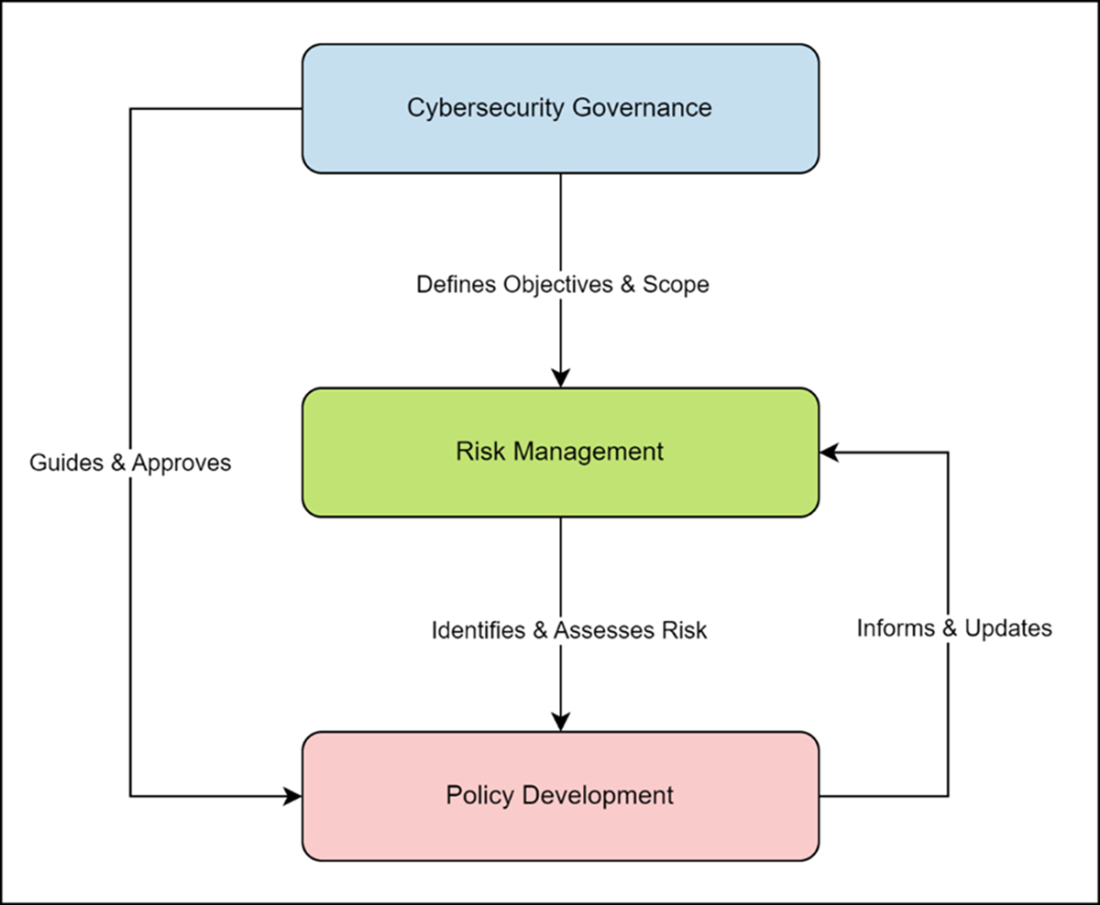
The framework for establishing cybersecurity governance within an organization.
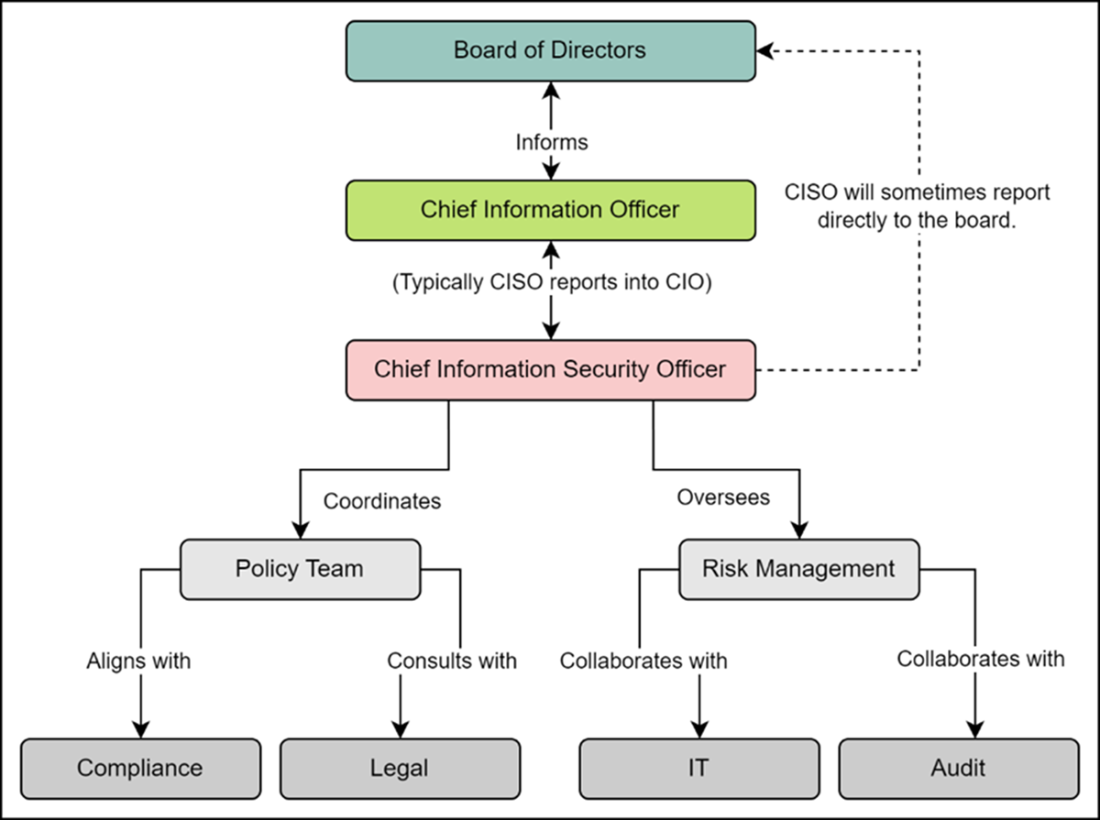
An example of aligning cybersecurity initiatives within the business environment and a typical reporting structure. CISOs most often report to the CIO. Also, the CISO will sometimes report directly to the board.
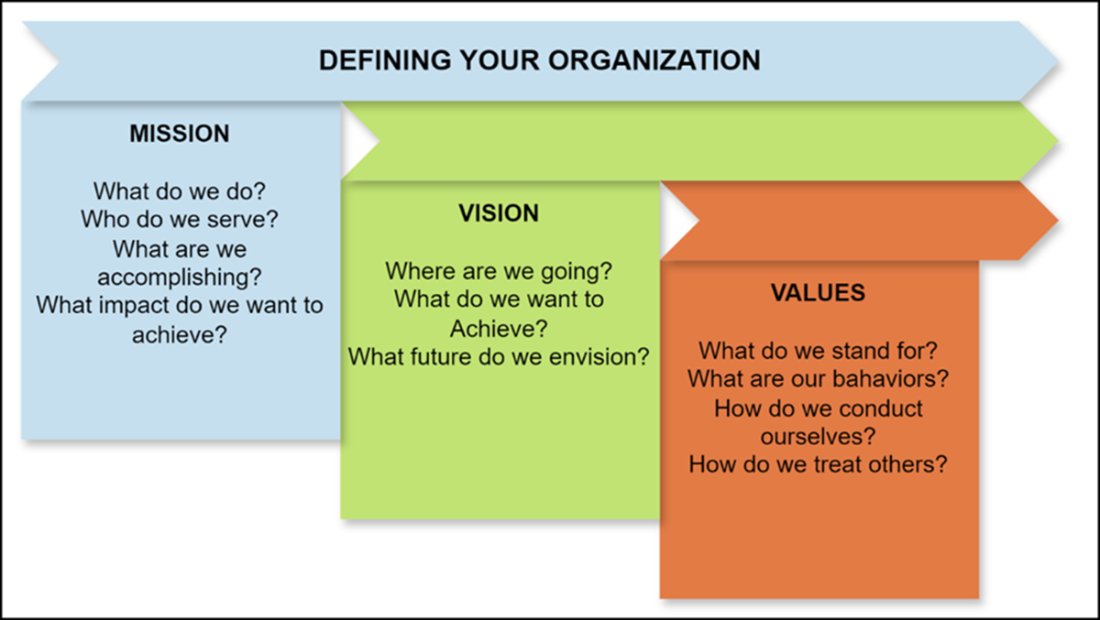
An organization's core beliefs and directional goals are foundational to shaping its cybersecurity policies and posture.
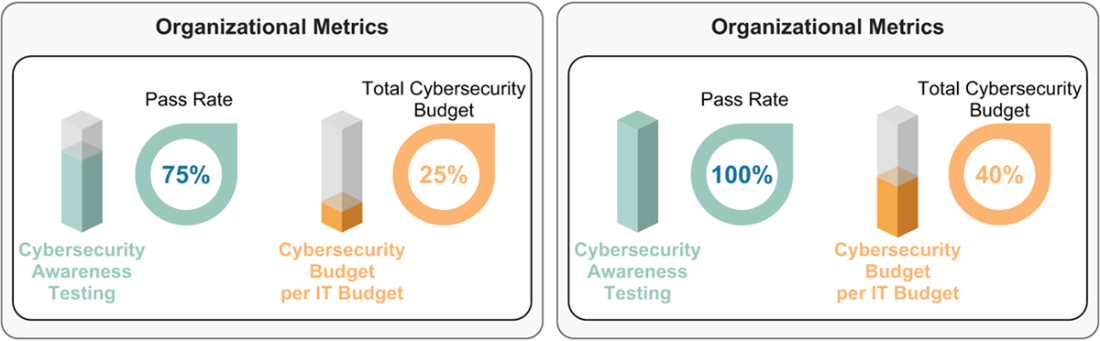
The left side shows TechGuard Solutions' organizational metrics dashboard before the focus on training and budget increases. Testing percentages show the overall pass rate from testing. The cybersecurity budget is the total cyber budget as a percentage of the total IT budget. Cybersecurity budgets are most often a percentage of the overall IT budget. The right shows the organizational metrics dashboard after three years and the implementation of strategic training program improvements.
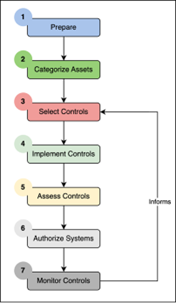
A risk management framework depicting a systematic process for identifying, assessing, and managing cybersecurity risks.
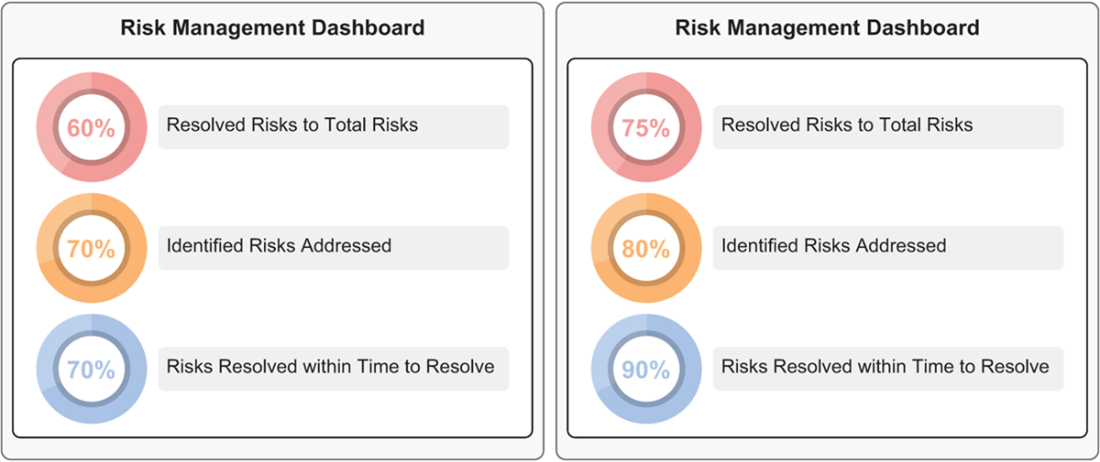
On the left is an example of a risk management dashboard for MedPharma Inc. at the time of the breach several years ago. The risk register will contain the details of the risks. Tracking metrics helps depict the story of how well the organization is doing to reduce risk. The right is the risk management dashboard after focusing on reducing cybersecurity risks.
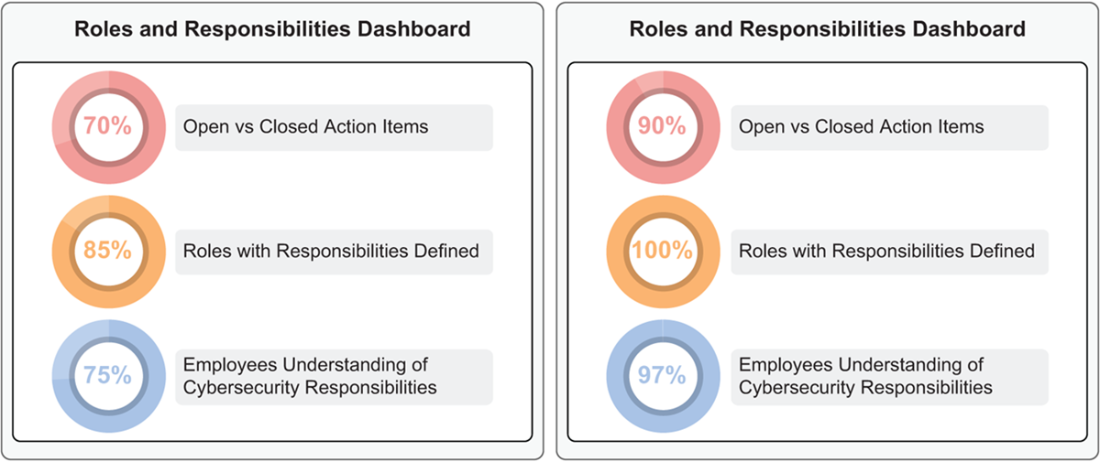
The left side shows TechSecure Solutions' Roles and Responsibilities dashboard before clearly defined roles and responsibilities to increase accountability. The right shows the Roles and Responsibilities dashboard after clearly defined roles and responsibilities to increase accountability.
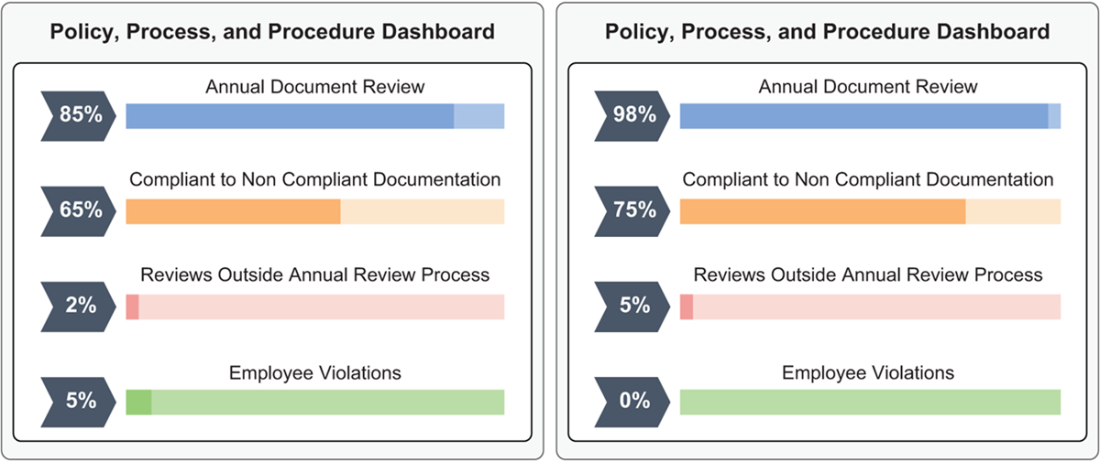
On the left is an example policy and procedure dashboard for MediHealth Solutions depicting the need for policy and procedure improvements. On the right is the dashboard for MediHealth Solutions after implementing a formal document control process to update policies and procedures periodically.
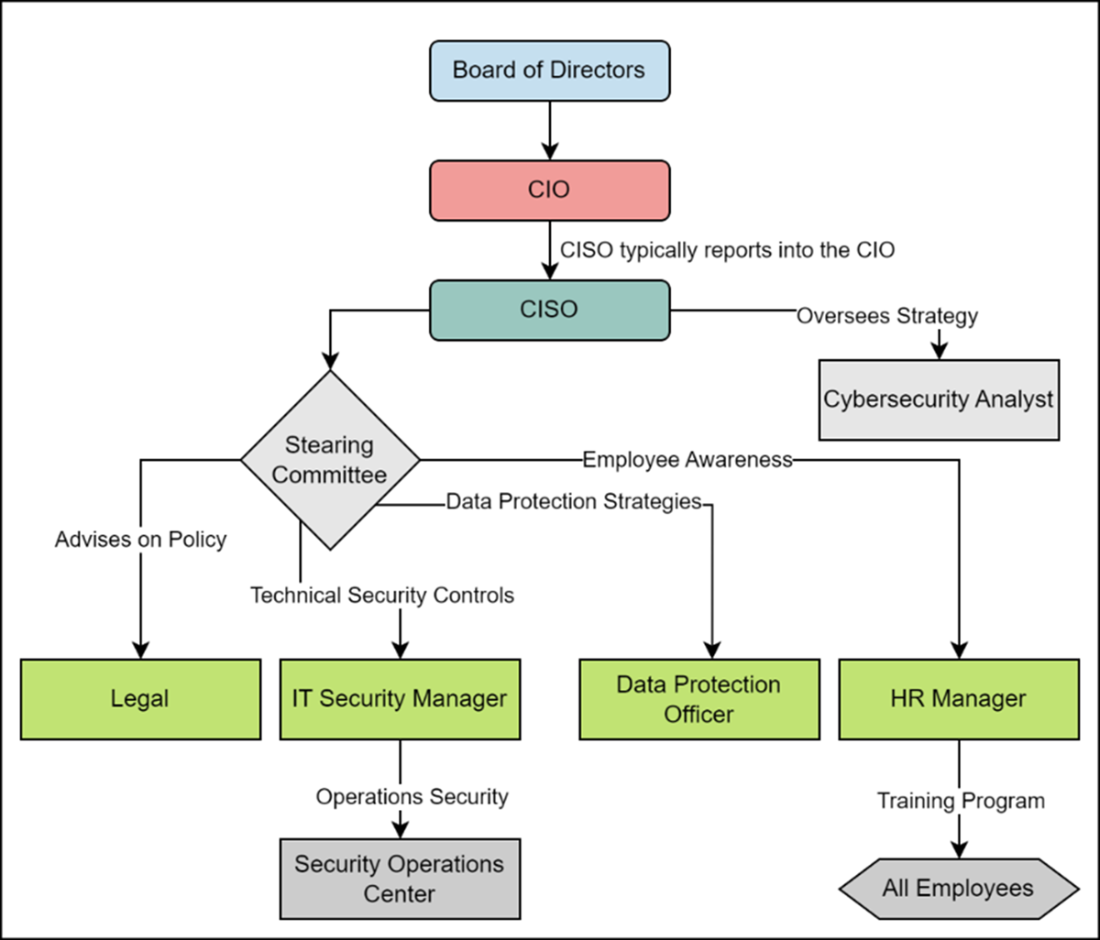
The governance structure of our example company, Acme Tech
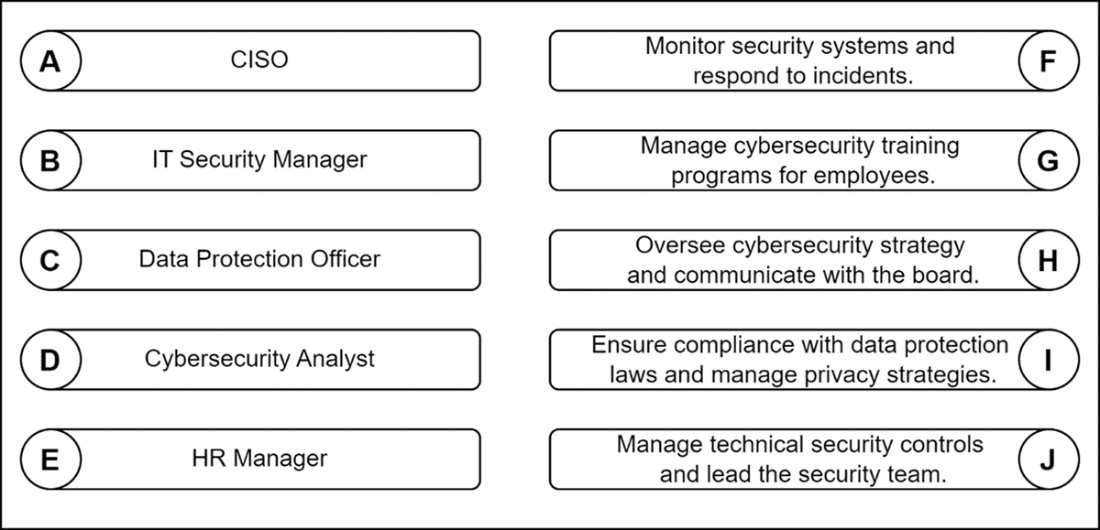
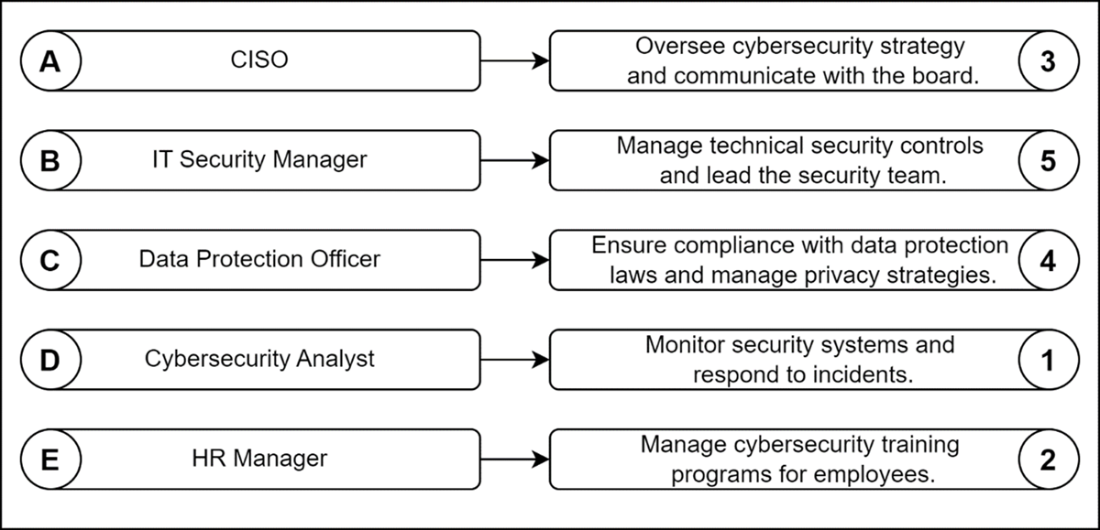
An interactive challenge to match various cybersecurity roles with their corresponding responsibilities.
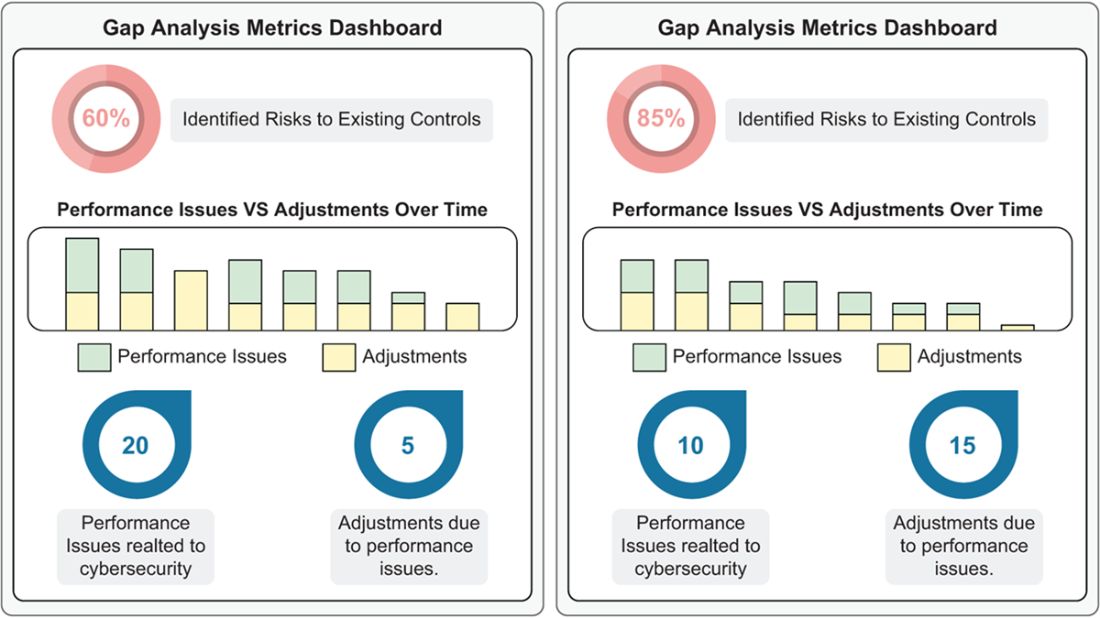
The left side shows TechGuardian Solutions' gap analysis metrics dashboard before implementing a continuous improvement program. The right shows the gap analysis metrics dashboard after implementing a continuous improvement program and tracking metrics over time.
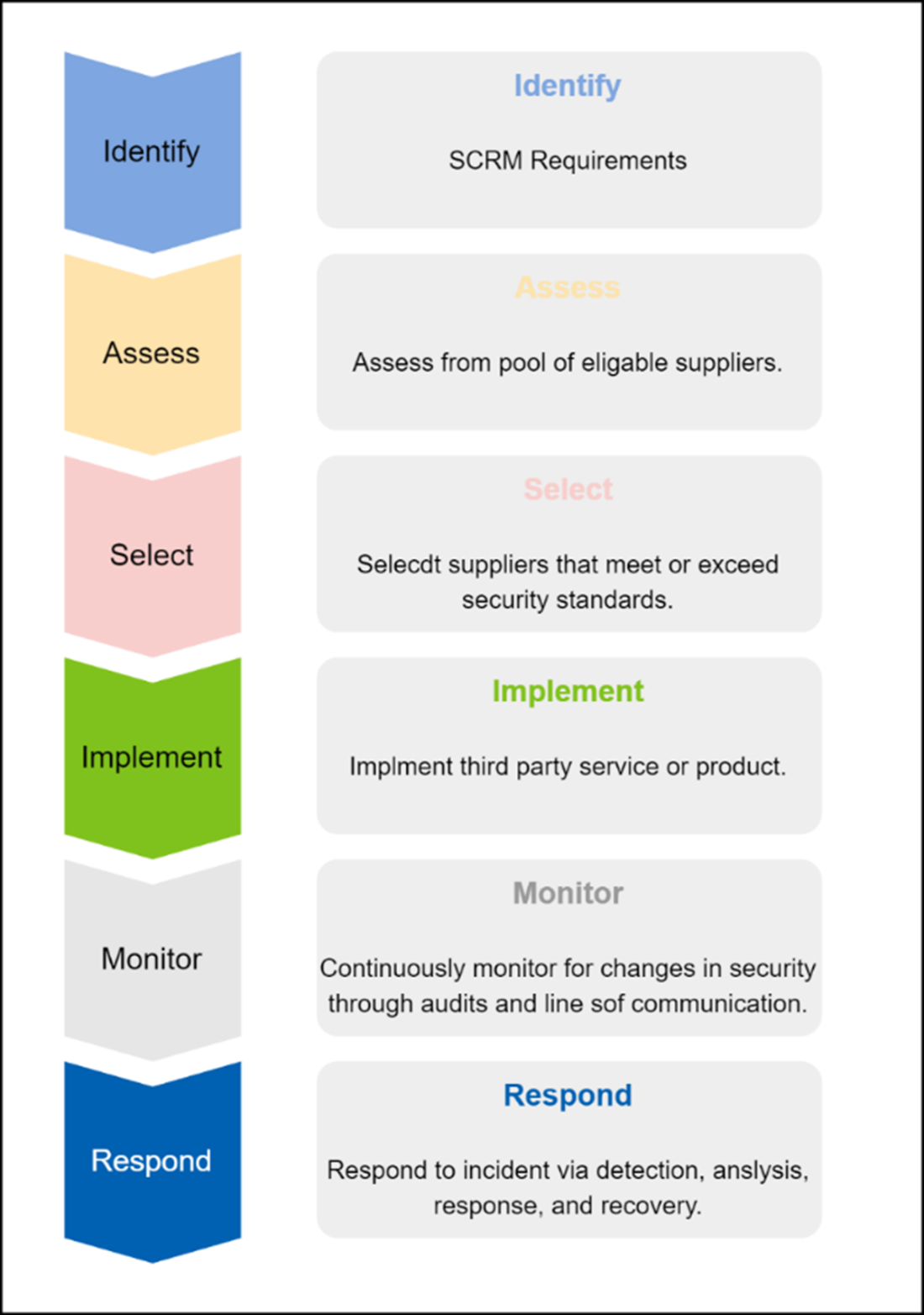
The process of securing an organization's supply chain.
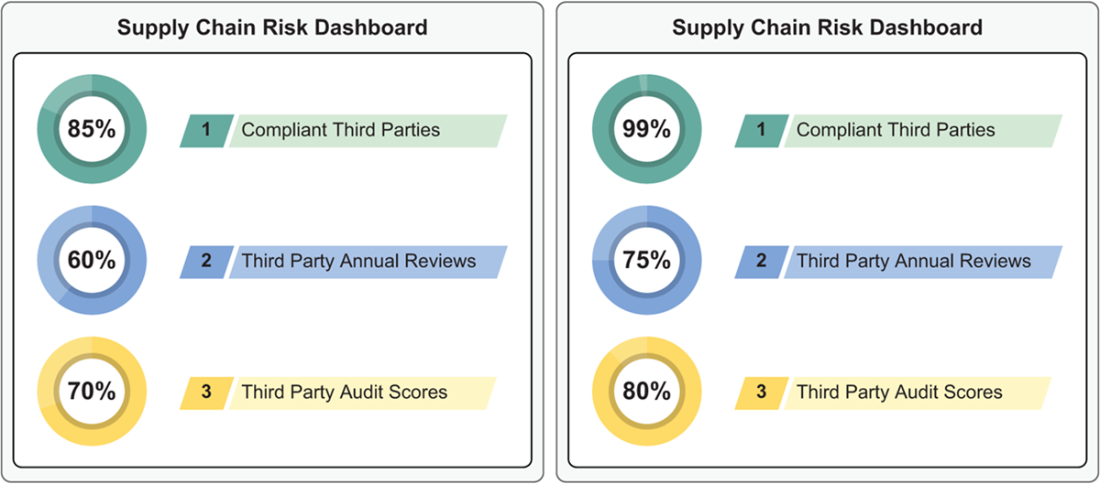
On the left, Foodie Fruits' third-party supply chain risk dashboard indicates issues with delayed compliance and inconsistent adherence to security standards. On the right, the dashboard shows improvements in compliance and adherence to security standards.
Answers to Exercise 5.6.3.
Summary

  • Risk management involves defining acceptable risk levels and decision-making processes.
  • Supply chain risk management ensures that external partners adhere to cybersecurity standards.
  • Roles and responsibilities must be delineated to balance IT and security needs.
  • Regular oversight, through assessment and audit, ensures continuous cybersecurity improvement.
  • Risk assessments are crucial to understanding and mitigating organizational risks.
  • Policies and procedures provide a structured approach to implementing and enforcing cybersecurity practices, ensuring consistency and compliance across the organization.

FAQ

What is cybersecurity governance, and why is it the foundation of a security program?Governance is the policies, processes, procedures, and organizational structure (with clear roles and responsibilities) used to manage cybersecurity. It drives decision-making, accountability, and oversight so security aligns with business goals, safeguards assets, manages risk, and ensures compliance. Governance sets objectives, guides risk management, and approves policy development, while risk management informs and updates policy based on identified risks.
How should cybersecurity align with organizational context and board expectations?Start by grounding security in the mission, vision, values, and strategic objectives. Use a risk-based approach that translates threats into financial and operational terms the board understands, and integrate cybersecurity into enterprise risk assessments. Report at the board level using metrics tied to business continuity, customer trust, and regulatory posture. In product-driven firms, treat security as a peer to engineering/product and embed controls into the SDLC through partnership, not just hierarchy. The Baldrige Cybersecurity Excellence Builder (NIST) is a useful tool to clarify context.
Which organizational metrics best show alignment between security and strategy?- Number of strategic objectives aligned with cybersecurity initiatives - Percentage of business units with customized security guidelines - Employee cybersecurity awareness levels (and post-training behavior change) - Cybersecurity budget as a percentage of the IT budget (commonly 1–25% today; AI impacts may push toward ~35%) These metrics help demonstrate prioritization, preparedness, and whether investments match organizational goals.
What are the main risk treatment strategies, and when are they appropriate?- Acceptance: Choose to accept a risk (e.g., when mitigation costs exceed benefits); monitor to ensure it stays within tolerance. - Avoidance: Eliminate the risk by changing or discontinuing the risky activity or technology (suitable for high-impact risks). - Transference: Shift financial impact to a third party (e.g., insurance, outsourcing); the risk still exists. - Deterrence: Discourage attackers via legal measures or visible controls (may also attract some attackers; use judiciously). - Detection and response: Enhance monitoring and response to limit impact (e.g., IDS, audits, incident response team).
What is the NIST Risk Management Framework (RMF), and how do we use it to get started?NIST RMF provides a repeatable lifecycle to manage security and privacy: - Prepare (define context, priorities, criticality aligned to mission) - Categorize systems (CIA impact levels) - Select controls - Implement controls (and document) - Assess effectiveness - Authorize (risk-based decision; define residual risk) - Monitor continuously Use RMF (and other trusted frameworks) to structure governance and measurement; select the framework that best aligns with your organization’s objectives and terminology.
Which risk management metrics demonstrate progress over time?- Direct: Number of identified risks; number of addressed risks; number of risks slipped past due date - Derived: Percentage of identified-to-addressed risks; average risk treatment time to resolve (mitigate/accept/transfer/avoid) - Indirect: Changes in cybersecurity insurance premiums; number of cybersecurity incidents Tracking these over time shows mitigation velocity, prioritization effectiveness, and business impact.
Why must cybersecurity roles and responsibilities be distinct from IT, and how can we measure clarity?Cybersecurity requires dedicated expertise; “split” duties often cause burnout, conflicts, and gaps. Clearly separate IT and security functions, document authorities (e.g., incident response, access control, compliance), and enable the CISO to bridge technical risk with business strategy. Potential metrics: - Number of roles with clearly defined cybersecurity responsibilities - Board action items: open/closed/slipped and percentage on-time vs slipped - Employee satisfaction with cybersecurity role clarity (survey)
What’s the difference between policies, processes, and procedures, and how do we keep them current?- Policies: Why controls exist; high-level intent and scope aligned to goals and requirements - Processes: How controls are implemented; higher-level, often with flowcharts - Procedures: Step-by-step instructions; operational detail enabling consistency and auditability Review at least annually (and on change), minimize document sprawl, and track: - Policies reviewed on time vs past due - Time to update documentation - Ratios (compliant vs non-compliant; low-change vs high-change docs) - Employee violations of cybersecurity policies (clearly define the denominator and trend)
What does effective oversight look like, and what should we measure?Oversight validates due diligence and due care through assessments, audits, and reviews tied to strategy and risk. Senior management and the board should be engaged, using a governance structure (e.g., Board, CISO, steering committee, Legal/Compliance, IT Security Manager, DPO, HR) that clarifies authority and communication. Useful metrics: - Gap analysis coverage and closure between identified risks and existing controls - Number of cybersecurity-related performance issues (e.g., protocol violations, phishing susceptibility, missed training) - Number of adjustments made due to performance issues (should trend down over time)
How do we manage cybersecurity supply chain risk, and what metrics matter?Adopt SCRM practices: - Inventory and prioritize third parties by criticality and data sensitivity - Specify security requirements in contracts (right-to-audit, incident notification) - Perform third-party assessments (or accept valid certifications like SOC 2, ISO 27001, HITRUST) - Continuously monitor vendors; coordinate incident response - Review and update SCRM at least annually; train staff on third-party risks Track by criticality and measure: - Number of third-party entities; number evaluated - Number of third-party incidents per year (ensure contractual notification) - Percentage of third parties compliant with requirements - Third-party supplier audit scores

pro $24.99 per month

  • access to all Manning books, MEAPs, liveVideos, liveProjects, and audiobooks!
  • choose one free eBook per month to keep
  • exclusive 50% discount on all purchases
  • renews monthly, pause or cancel renewal anytime

lite $19.99 per month

  • access to all Manning books, including MEAPs!

team

5, 10 or 20 seats+ for your team - learn more


choose your plan

team

monthly
annual
$49.99
$499.99
only $41.67 per month
  • five seats for your team
  • access to all Manning books, MEAPs, liveVideos, liveProjects, and audiobooks!
  • choose another free product every time you renew
  • choose twelve free products per year
  • exclusive 50% discount on all purchases
  • renews monthly, pause or cancel renewal anytime
  • renews annually, pause or cancel renewal anytime
  • Data-Driven Cybersecurity ebook for free

choose your plan

team

monthly
annual
$49.99
$499.99
only $41.67 per month
  • five seats for your team
  • access to all Manning books, MEAPs, liveVideos, liveProjects, and audiobooks!
  • choose another free product every time you renew
  • choose twelve free products per year
  • exclusive 50% discount on all purchases
  • renews monthly, pause or cancel renewal anytime
  • renews annually, pause or cancel renewal anytime
  • Data-Driven Cybersecurity ebook for free