4 Integrating metrics into business strategy
This chapter reframes cybersecurity metrics as strategic instruments that must be integrated with, and explicitly mapped to, business objectives. By grounding measurement in the organization’s model and key drivers—such as revenue protection, regulatory obligations, customer trust, and operational continuity—security teams select metrics that matter (for example, uptime, fraud detection, encryption coverage, and audit success). When security KPIs are tied to business outcomes, they become a common language for leadership, enabling clearer communication of risk, better prioritization, and stronger justification for investment.
Well-chosen metrics guide resource allocation, risk prioritization, and roadmaps by quantifying exposure and progress (e.g., time to detect/respond/patch, encryption compliance, trust sentiment, and audit pass rates). The chapter shows how to embed these measures into day-to-day execution and innovation through cross-functional practices: integrating security into agile workflows and product milestones, cultivating security champions, using shared backlogs and dashboards, and aligning incentives so teams co-own security outcomes. This shifts security from a standalone function to a proactive enabler of speed, compliance, and resilient growth.
Effective reporting translates technical signals into business impact tailored to stakeholder needs—concise, strategic narratives for CEOs and boards; deeper operational insights for CISOs and delivery leaders. The chapter emphasizes storytelling, benchmarks, and loss-avoidance economics to demonstrate ROI, showing how initiatives reduce downtime, prevent breaches, and sustain compliance. It also offers practical communication tactics: start in each stakeholder’s language, address resistance with evidence and pilots, and institutionalize transparency through regular updates and accessible dashboards. The result is a metrics program that earns executive buy-in, proves value, and tightly couples cybersecurity with overall business strategy.
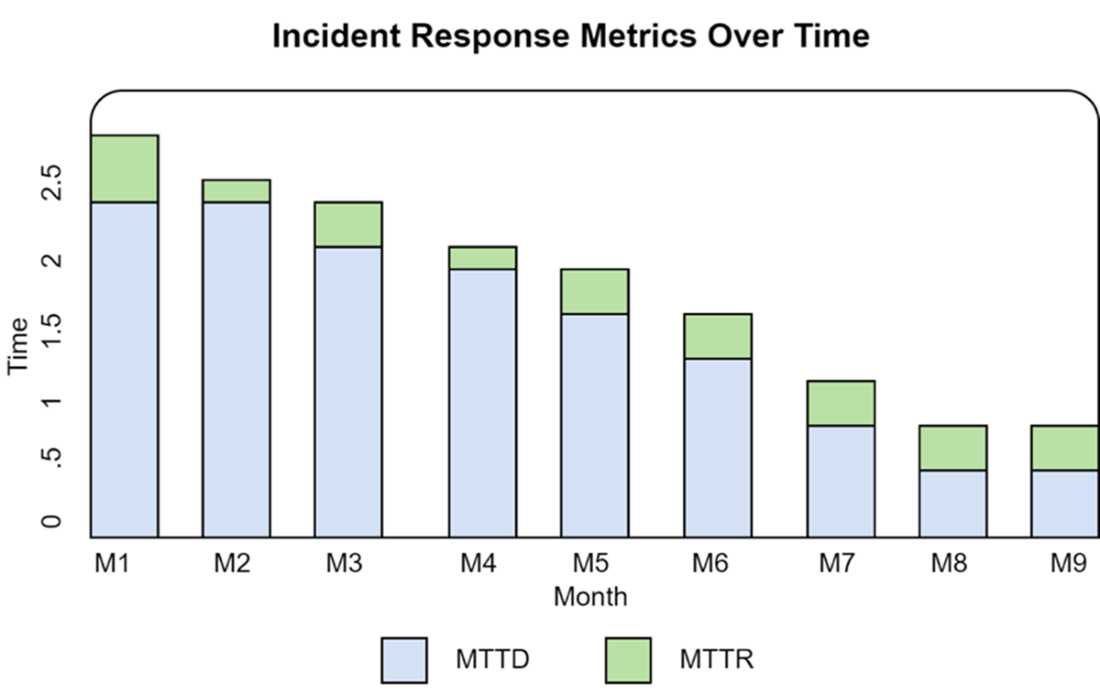
Incident Response Metrics Over Time (Bar Graph showing MTTD, MTTR)
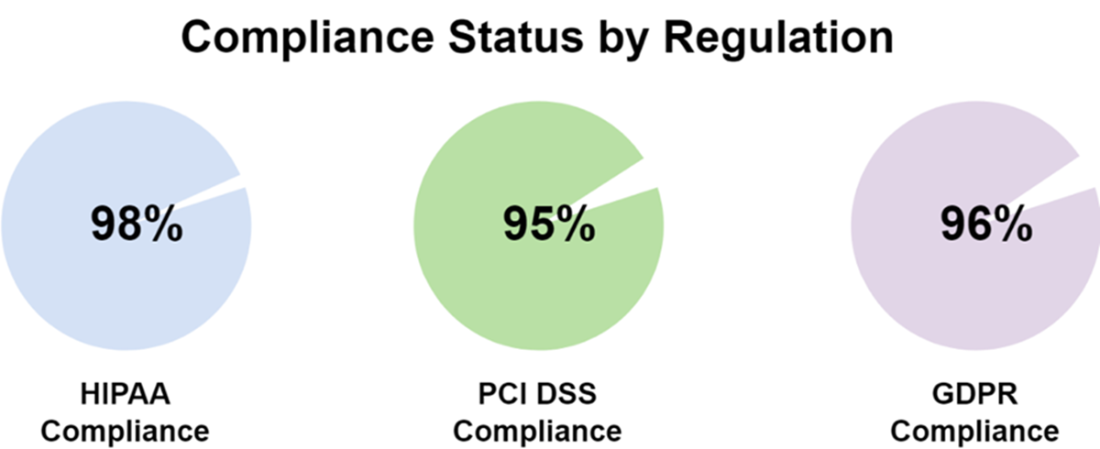
Compliance Status by Regulation (Pie Chart showing compliance percentages)
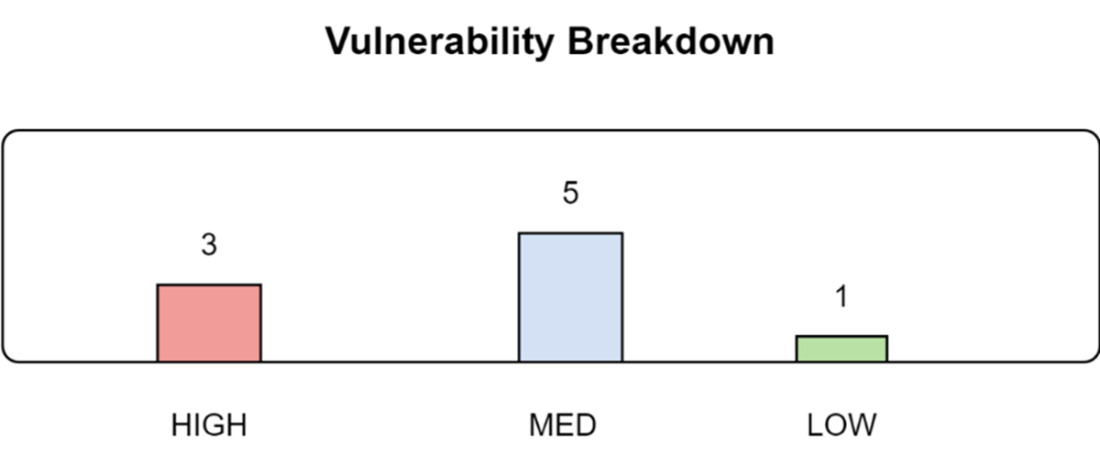
Vulnerability Breakdown (Pie Chart showing the percentage of critical, high, and low vulnerabilities)
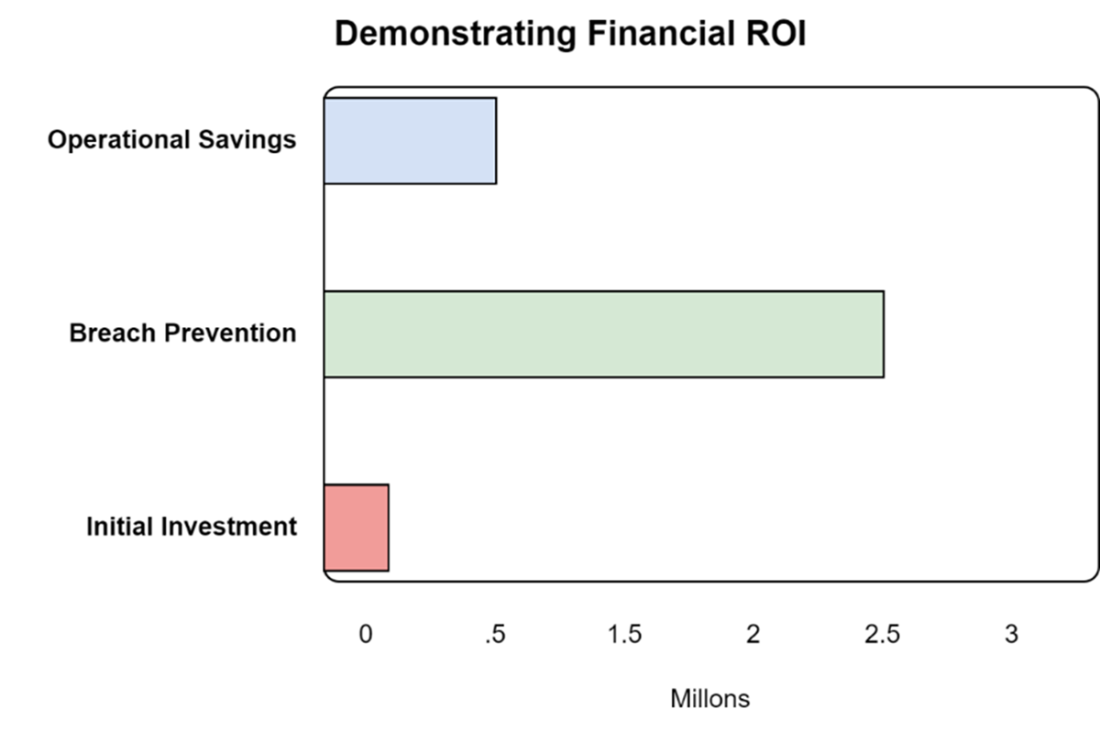
Example Slide #3: Demonstrating Financial ROI showing how $500,000 can have significant returns on investment.
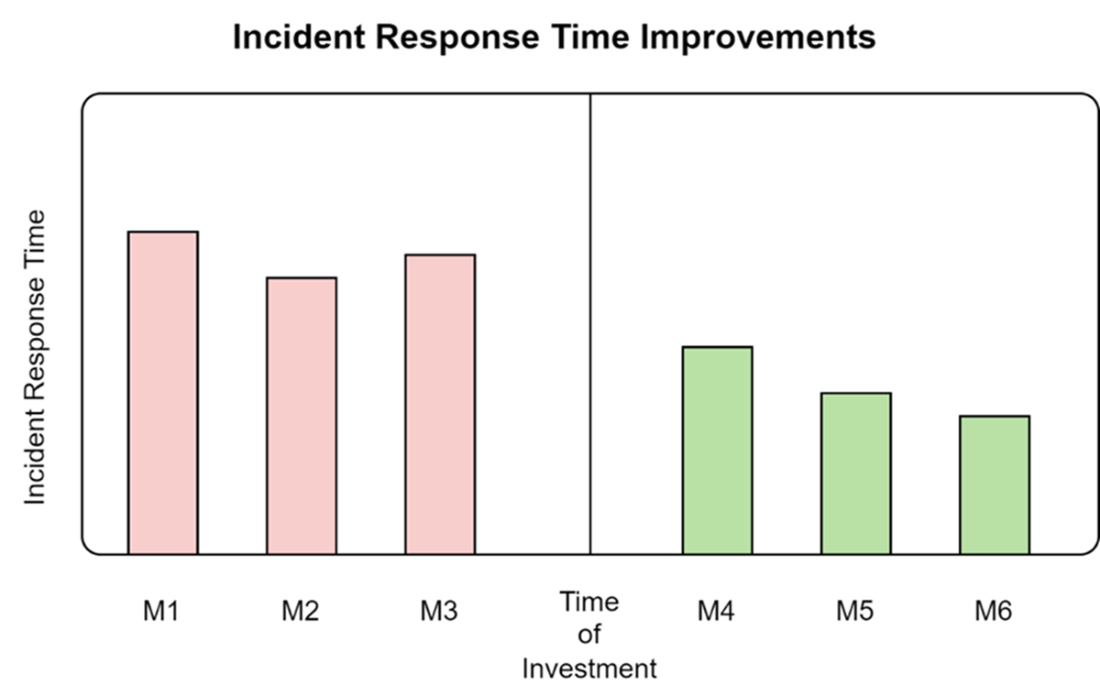
Example Slide #4: Incident response time improvements before and after investment.
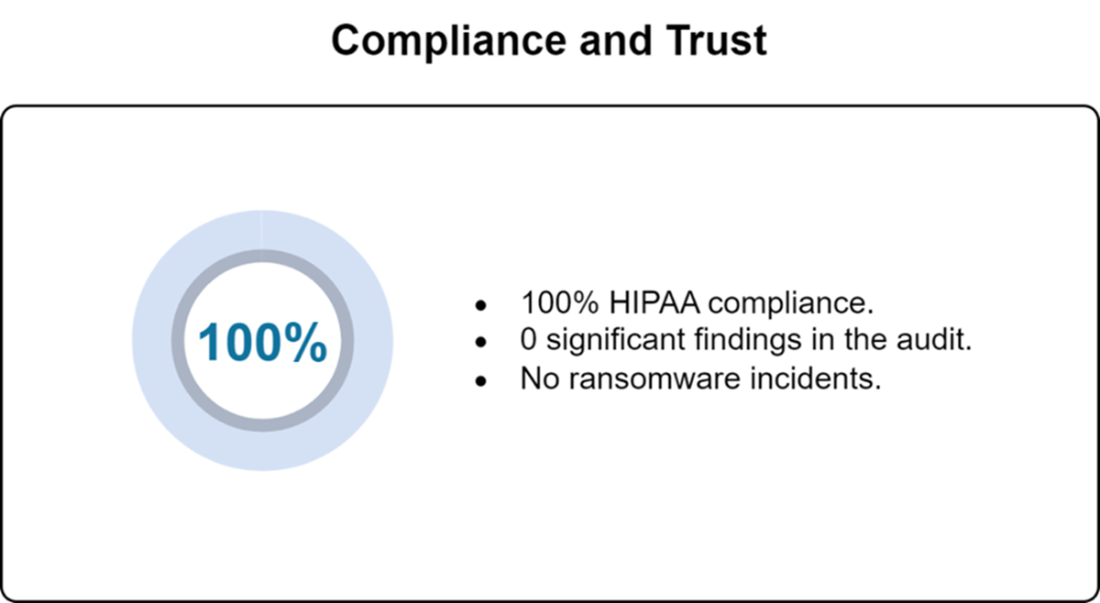
Example slide #5: Compliance and trust showing 100% compliance with HIPAA, no significant audit findings, and no ransomware incidents.
Summary
- Cybersecurity metrics are most effective when aligned with an organization’s broader business goals.
- Presentation of metrics uncovers hidden trends and correlations, providing deeper insights into potential risks.
- Communicating the value of security metrics in business terms ensures that decision-makers see the ROI of security investments.
- A metrics-driven approach to security helps bridge the gap between technical teams and business leaders, fostering stronger collaboration.
FAQ
What does it mean to align cybersecurity metrics with business strategy?
It means selecting and reporting metrics that directly reflect and advance strategic goals such as growth, regulatory compliance, operational continuity, and customer trust. When aligned, metrics help communicate risk in business terms, prioritize resources, and justify investments by showing clear impact on outcomes leadership cares about.How do we choose the right security metrics for our organization?
- Start by understanding the business model and key drivers of success (revenue, uptime, compliance, trust).- Select a small set of metrics that reflect those drivers, define why each matters, and set targets.
- Examples: healthcare—encryption compliance, HIPAA audit pass rates; e-commerce—uptime percentage, transaction fraud detection; financial services—fraud detection rates, audit success.
How can we map security KPIs to business outcomes?
- Build a simple linkage: each security KPI should tie to a business KPI/outcome (e.g., Average Incident Response Time → Business Continuity).- Quantify impact where possible (reduced downtime, avoided fines, higher customer satisfaction).
- Track trends and show before/after changes, not just point-in-time numbers.
- Include the mapping in dashboards and executive scorecards.
What are examples of business-aligned metrics by industry?
- Healthcare: HIPAA audit success rate, data encryption compliance, breach incidents.- E-commerce/Online retail: uptime percentage, peak load performance, transaction fraud detection, data breach incidents.
- Financial institutions: transaction fraud detection rate, regulatory audit success.
- Technology: access control effectiveness, intellectual property theft detection.
How should we communicate metrics differently to the CEO versus the CISO?
- CEO: concise, strategic narrative focused on business impact—risk to revenue/brand, compliance posture, ROI, and high-level trends.- CISO: operational depth—control status, MTTD/MTTR, SLA performance, vulnerability backlog, third-party risk, and specific actions needed.
- Use plain language for CEOs and more technical detail for CISOs; both should clearly link to strategic objectives.
How do we demonstrate ROI for cybersecurity investments?
- Frame ROI as losses avoided and efficiencies gained (fewer breaches, reduced downtime, improved audit outcomes).- Quantify: ROI = (Losses avoided + operational savings − investment) / investment.
- Examples: IDS preventing a multimillion-dollar breach, patch automation reducing exposure and incident costs, AI threat detection lowering MTTD and downtime.
Which metrics support innovation and product launches, especially in regulated industries?
- Compliance readiness (e.g., HIPAA/PCI/GDPR readiness for new products).- Third-party security risk for vendors in the product ecosystem.
- Vulnerability resolution timelines tied to release gates.
- Embed these metrics into sprint reviews and go/no‑go criteria to enable safe, timely launches.
How can metrics improve cross-functional collaboration between security, product, and engineering?
- Establish Security Champions in dev teams to bridge knowledge and drive action.- Make security a standing item in sprint planning/reviews with clear metric ownership.
- Use shared tools (e.g., Jira, Slack/Teams) and centralized dashboards for real-time visibility.
- Align incentives (bonuses/performance goals) to milestones like meeting compliance targets or reducing production vulnerabilities.
What should an executive cybersecurity report include?
- Posture overview and key wins/gaps.- Core metrics: MTTD, MTTR, incidents by severity, SLA adherence.
- Compliance status (e.g., HIPAA/PCI/GDPR) and gaps.
- Vulnerability management performance (critical remediated within SLA, patch compliance).
- Top risks (e.g., third-party risk) with recommendations and next-quarter focus areas.
- Clear visuals and a short business impact narrative.
How do we tailor metric communication to stakeholders and handle resistance?
- Tailor by role: CFO—ROI and cost avoidance; Operations—uptime and efficiency; Marketing—trust and reputation; Executives—risk reduction and strategy alignment.- Start with their goals, avoid jargon, and use relatable stories and visuals.
- Address resistance with real-world case studies, incremental wins, pilots/POCs, and clear cost-benefit comparisons to potential breach/fine costs.

 Data-Driven Cybersecurity ebook for free
