Appendix H. Computational Drug Target Discovery
Drug target discovery is presented as the most consequential upstream decision in the drug pipeline because mistakes made here can waste years and vast sums of money before a compound even reaches clinical testing. The chapter distinguishes target identification from target validation and argues that a defensible target call must satisfy multiple criteria at once: a causal link to disease, acceptable safety, a viable commercial case, technical tractability, and a strong evidence base. In practice, machine learning helps most by organizing enormous, fragmented biomedical data into usable candidate lists and evidence summaries, but it does not replace expert judgment or the need for careful biological validation.
A large portion of the chapter focuses on how to build convincing target-disease evidence using genetics, omics, and network context. Human genetic support, especially when it is causal and well-mapped, is weighted most heavily because it behaves like a natural experiment and strongly enriches clinical success. Transcriptomics, proteomics, metabolomics, epigenomics, and multi-omics integration add context, but each layer has characteristic failure modes, such as bystander signals, technical noise, or interpretability problems. Knowledge graphs and network medicine help connect these data sources, and graph-based methods, text mining, and link prediction are used to surface missing target-disease relationships across the literature and public databases.
The later parts of the chapter broaden target assessment to include druggability, modality choice, safety across tissues, novelty, synthetic lethality, and virtual cells. It emphasizes that “undruggable” often means “not yet addressable by the current modality,” since options now include small molecules, degraders, oligonucleotides, antibodies, ADCs, peptides, and cell therapies. Tissue specificity and biomarker stratification are shown to strongly affect approval odds and safety, while novelty is framed as a tradeoff between confidence and commercial upside. Finally, the chapter highlights emerging ML approaches for synthetic lethality and perturbation prediction, but stresses that these systems are best used for ranking, triage, and experiment design rather than as proof that a target is ready to advance.
Figure H.1 Drug development funnel showing six pipeline stages with approximate duration and cost; target identification is the cheapest stage but its choices set the trajectory for everything downstream.
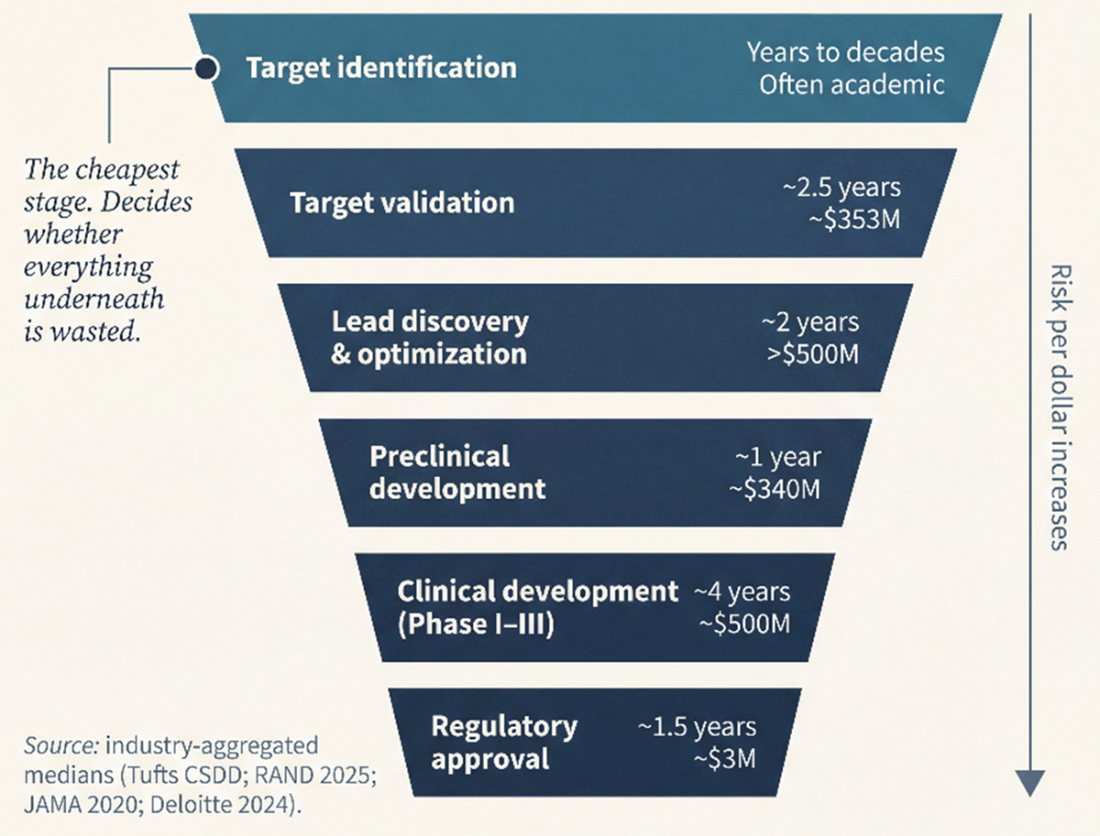
Figure H.2 The five target-assessment criteria. A defensible target call satisfies all five at the same time: a credible causal link to disease, a tolerable safety profile when modulated chronically, a viable commercial path, a tractable modality, and a solid evidence base.
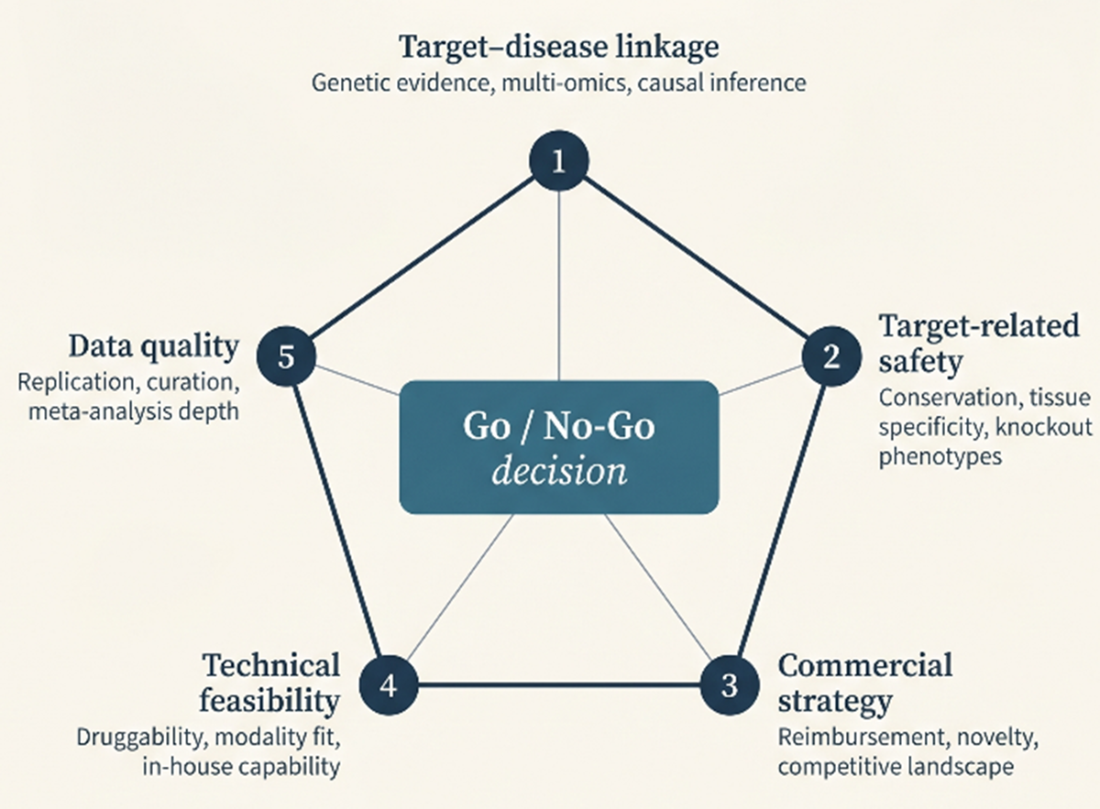
Figure H.3 The AstraZeneca 5R framework with "Right Target" highlighted as the focus of target-disease evidence work. The other four R's map onto the safety, tissue-specificity, patient-stratification, and commercial-strategy threads covered in subsequent sections of this appendix.
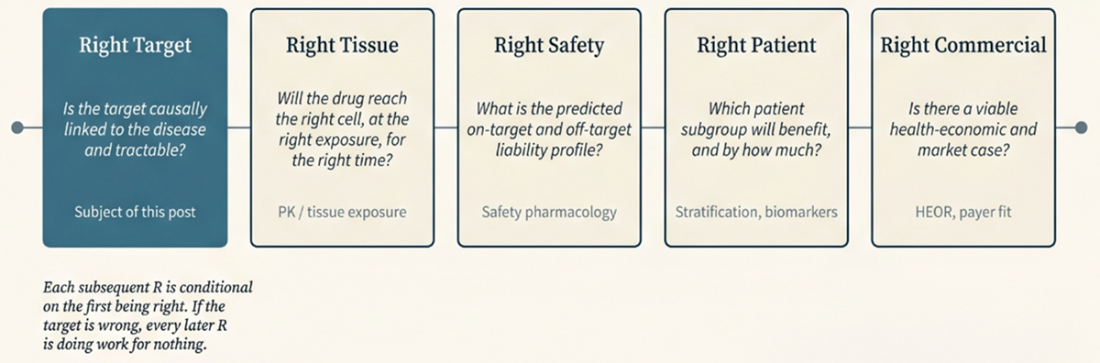
Figure H.4 The omics evidence stack for target-disease linkage. Genomics anchors the argument with the most causal weight, transcriptomics and proteomics provide tissue-context evidence with known caveats, metabolomics covers pathway flux, and epigenomics provides a reversible regulatory layer. Each layer is annotated with its characteristic failure mode: ancestry skew and non-coding-variant interpretation for GWAS, bystander expression for transcriptomics, membrane-protein detection problems for mass-spec proteomics, and limited interpretability for epigenomic marks.
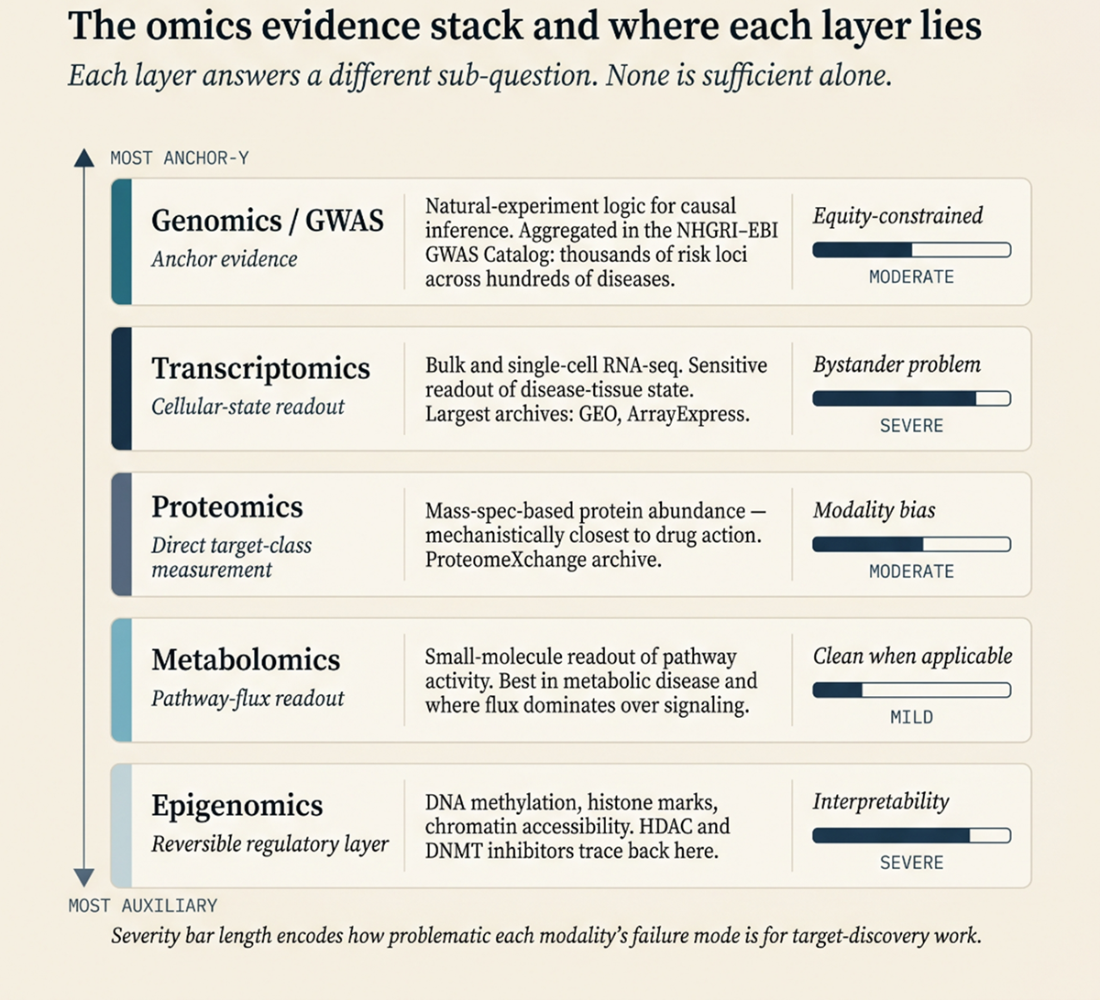
Figure H.5 The AlphaFold inflection and the modality-expansion overlay, 2018 to 2026.
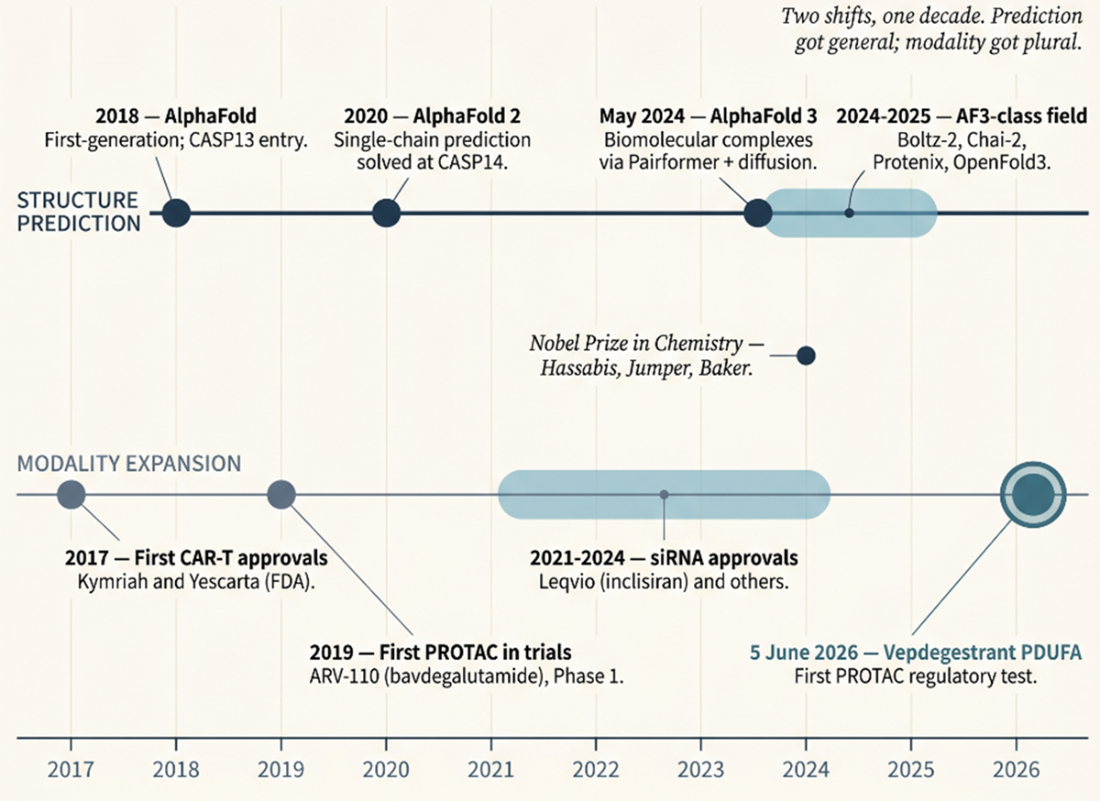
Figure H.6 Druggability decomposed into target quality, ligandability, and modality fit. Target quality asks whether modulating the protein changes disease and whether doing so is safe. Ligandability asks whether a drug molecule can bind the target in a way that modulates it. Modality fit asks which therapeutic class (small molecule, PROTAC, ASO, ADC, peptide) is best suited to the binding chemistry the target offers. The three axes are independent, and many proteins called "undruggable" in 2010 era analyses are really not yet ligandable by small molecules. Their target quality may be excellent.
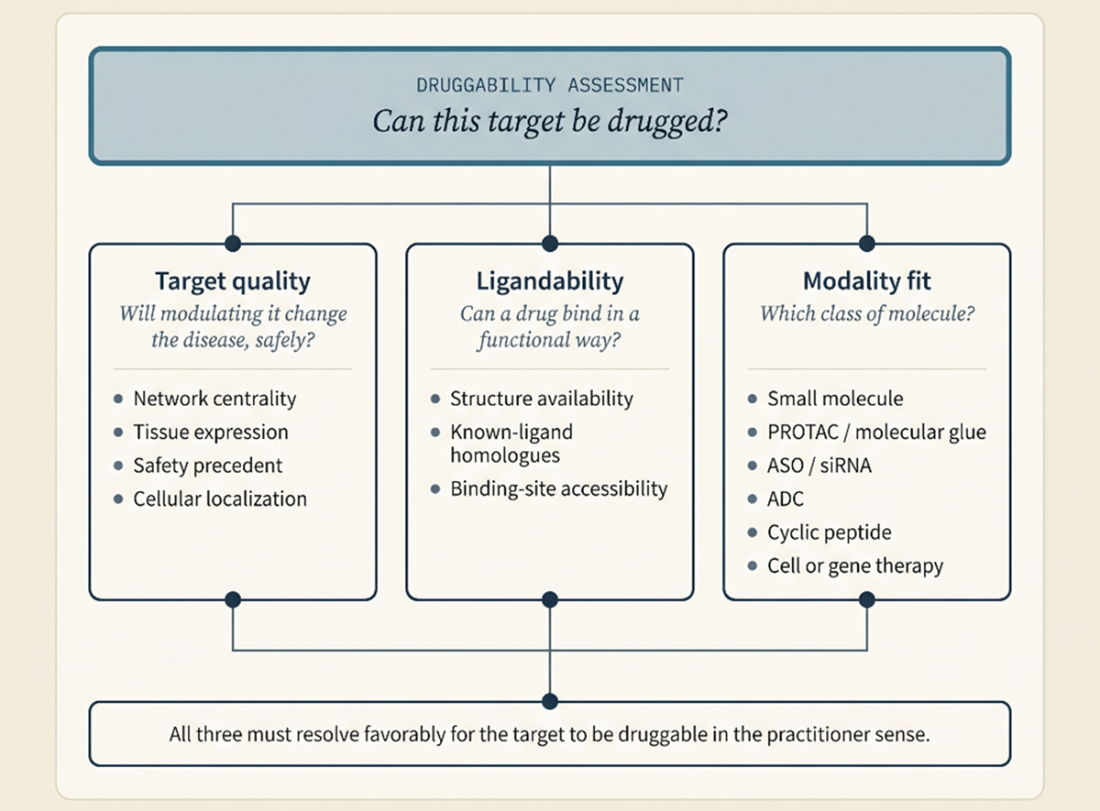
Figure H.7 Six modalities and the kinds of "undruggable" targets they address. No single modality dominates the matrix; modality choice is now part of target selection.
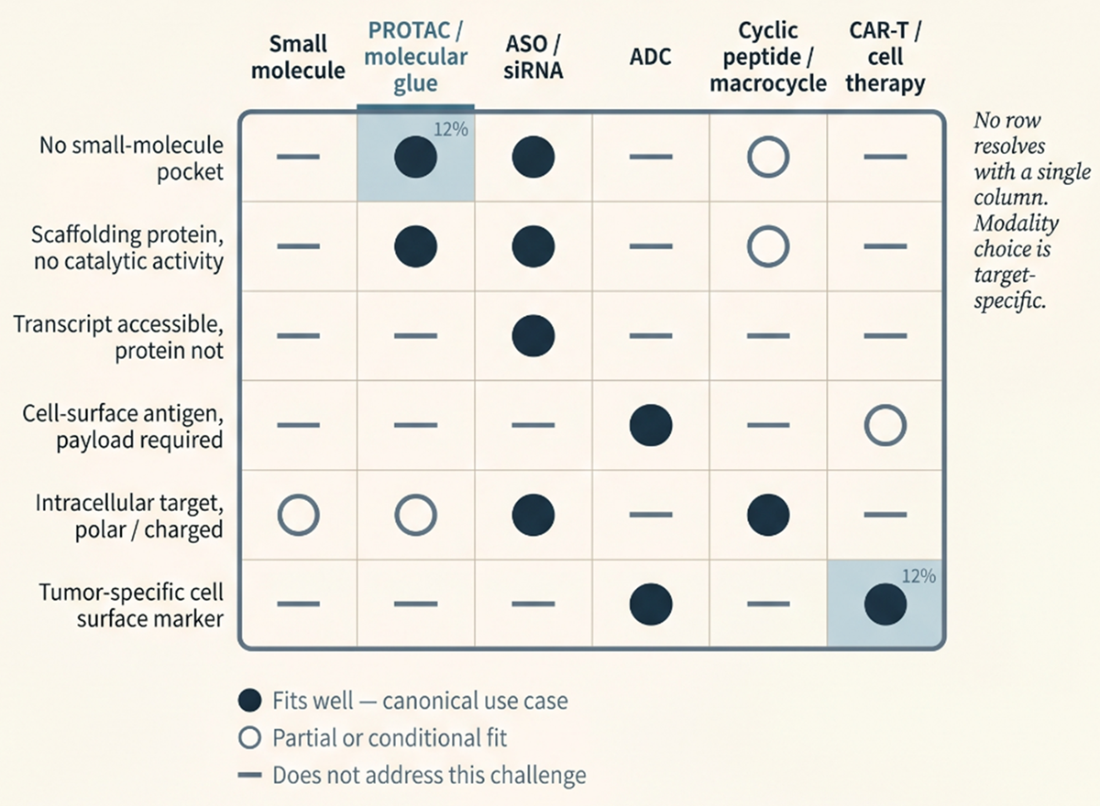
Figure H.8 The Target Development Level pyramid. Tclin proteins (targets of at least one approved drug) sit at the top, the most heavily studied and best-resourced fraction of the proteome. Tchem proteins have characterized small-molecule probes but no approved drug. Tbio proteins have biological characterization (Mendelian disease phenotype, knockout phenotype) but no demonstrated tractable chemistry. Tdark proteins, the ignorome, have minimal characterization across all of those dimensions. Most novel target opportunity lives in the lower two strata; most existing research infrastructure was built on the upper two.
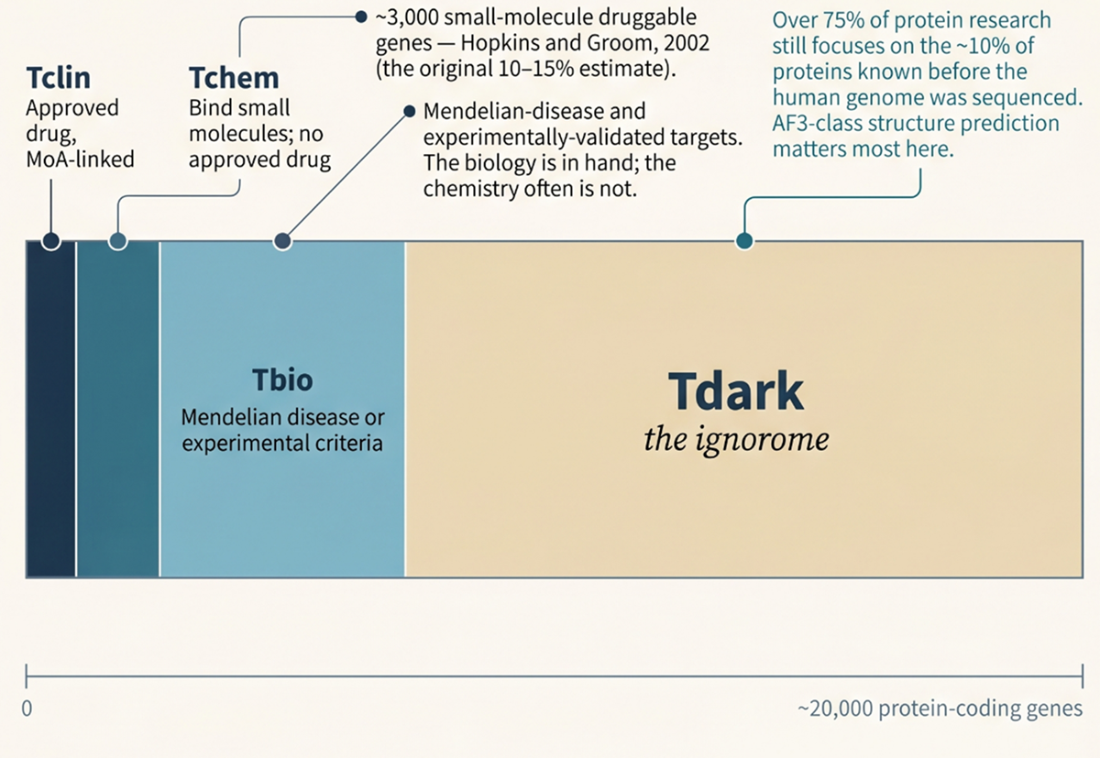
Figure H.9 The tissue-expression distribution of human protein-coding genes. The narrow-expression fraction is overrepresented among drug targets because a drug acts where its target lives, and a target restricted to the intended tissue starts with a built-in safety advantage.
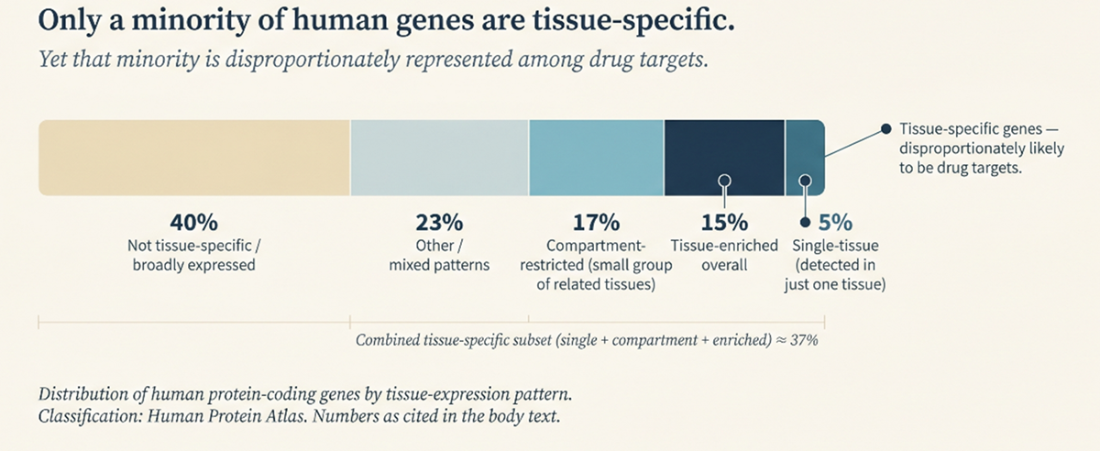
Figure H.10 Modality-conditional tissue-safety matrix. Five modalities (small molecule, PROTAC, ASO/siRNA, CAR-T, ADC) intersect with five tissue-distribution considerations (target expression breadth, modality delivery footprint, catalytic versus occupancy pharmacology, antigen versus pocket access, immune-cell trafficking). The 2024 FDA class-wide boxed warning on CD19- and BCMA-directed autologous CAR-T products for T-cell malignancies is highlighted as the canonical case of a tissue-safety failure that the small-molecule lens would not have captured.
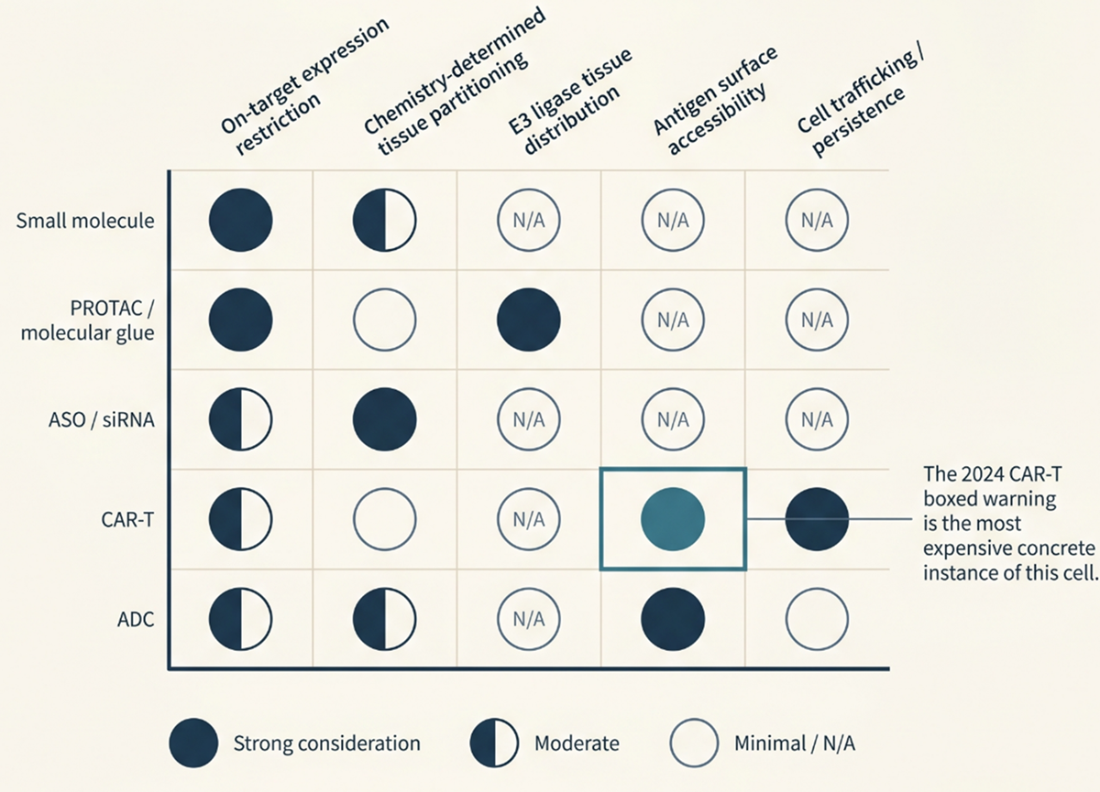
Figure H.11 Oncology occupies the high-crowding, low-LOA quadrant. Hematology and rare-disease segments sit higher on LOA at lower crowdedness. Urology is the most abandoned major area at under 1% of total phase transitions. The plot is built from BIO 2011–2020 data.
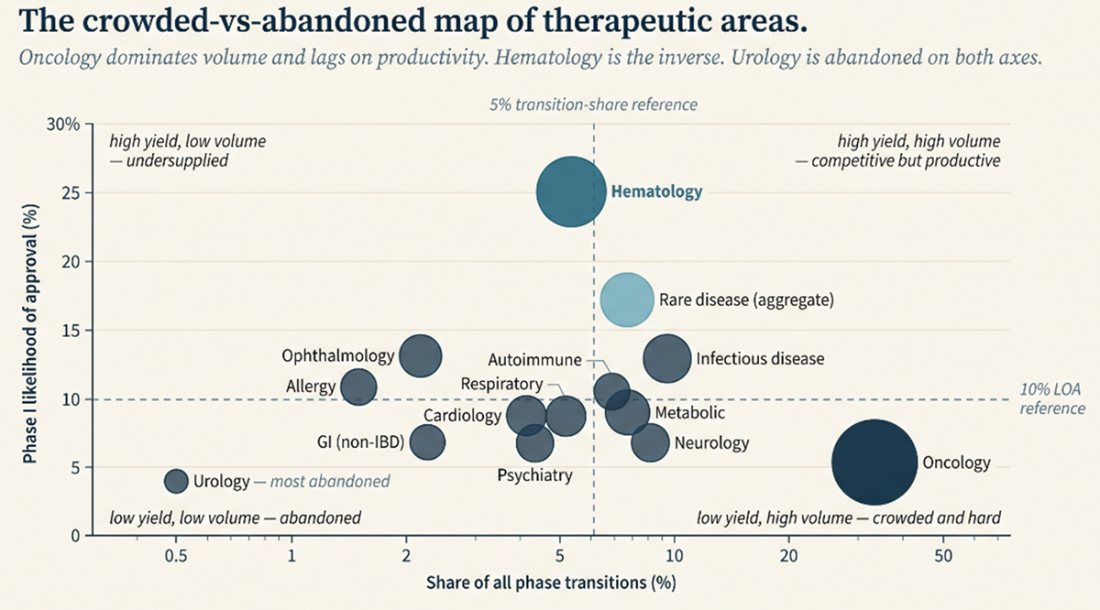
Figure H.12 Biomarker-stratified versus unstratified phase transitions.
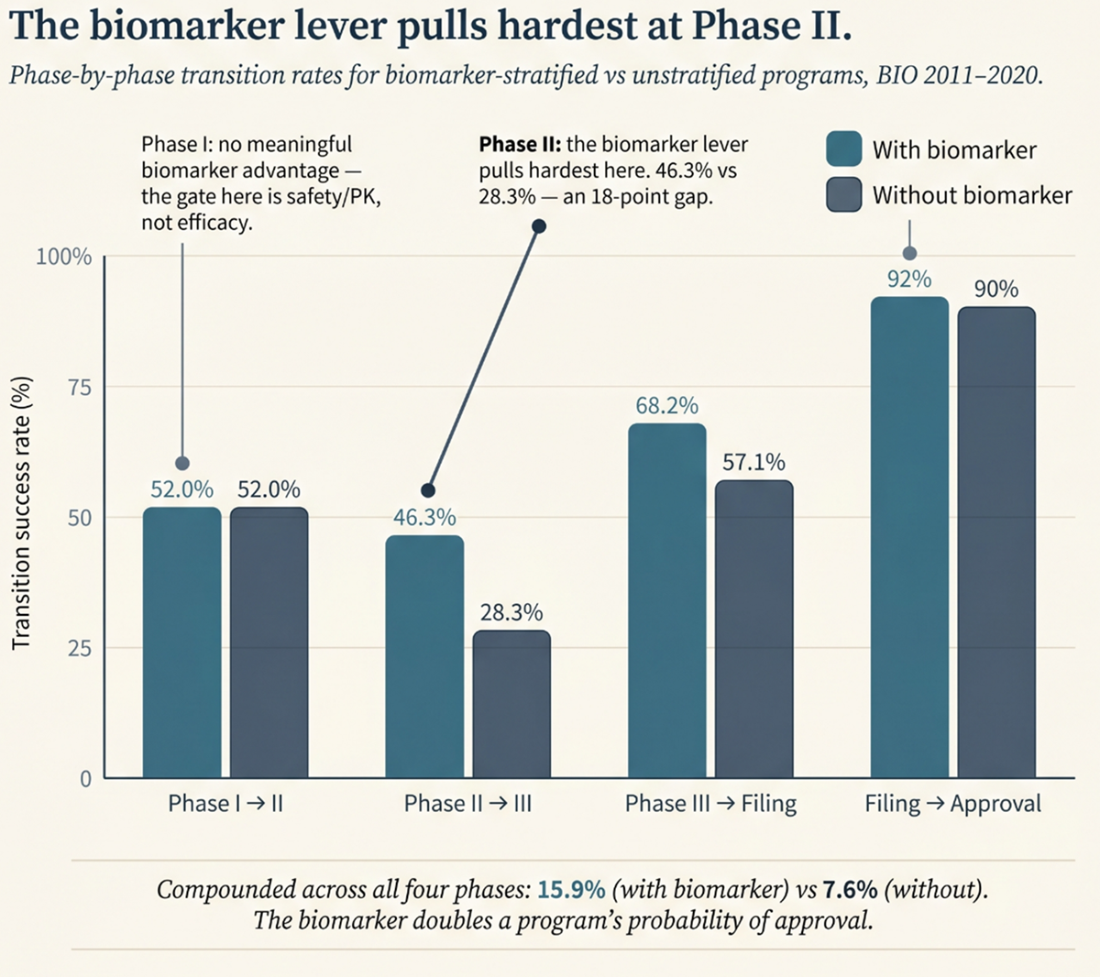
Figure H.13 The novelty-versus-confidence trade-off across the TDL pyramid. Tclin sits in the lower-right of the diagram: crowded, low validation cost, lower commercial upside per program. Tdark sits in the upper-left: empty, high validation cost, high upside but high attrition. Tchem is the operational sweet spot for most industry programs, with enough chemical tractability to move quickly and enough novelty to support competitive positioning. The Tchem-versus-Tbio decision is where most "novel target" debates reside.
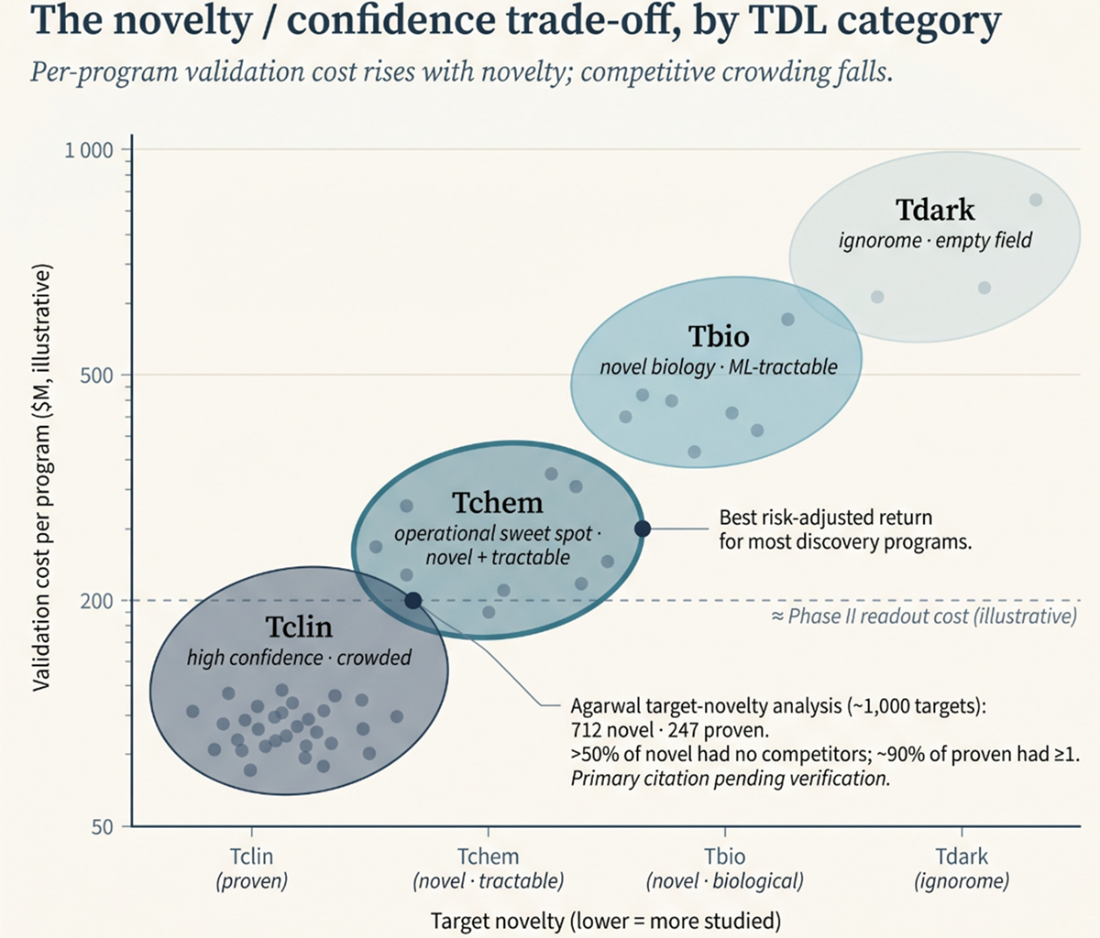
Figure H.14 The Morselli Gysi et al. 2021 PNAS SARS-CoV-2 network-medicine pipeline. The input was the human interactome plus experimentally mapped SARS-CoV-2 viral-host protein interactions plus drug-target annotations for 6,340 approved and investigational drugs. Three scoring pipelines (an AI-based predictor, a network-diffusion score, and a network-proximity score) ranked the candidates. Experimental testing in VeroE6 cells gave a 62% hit rate among top-ranked drugs and the headline finding that 76 of 77 active drugs worked through indirect, host-pathway mechanisms rather than direct viral-target binding.
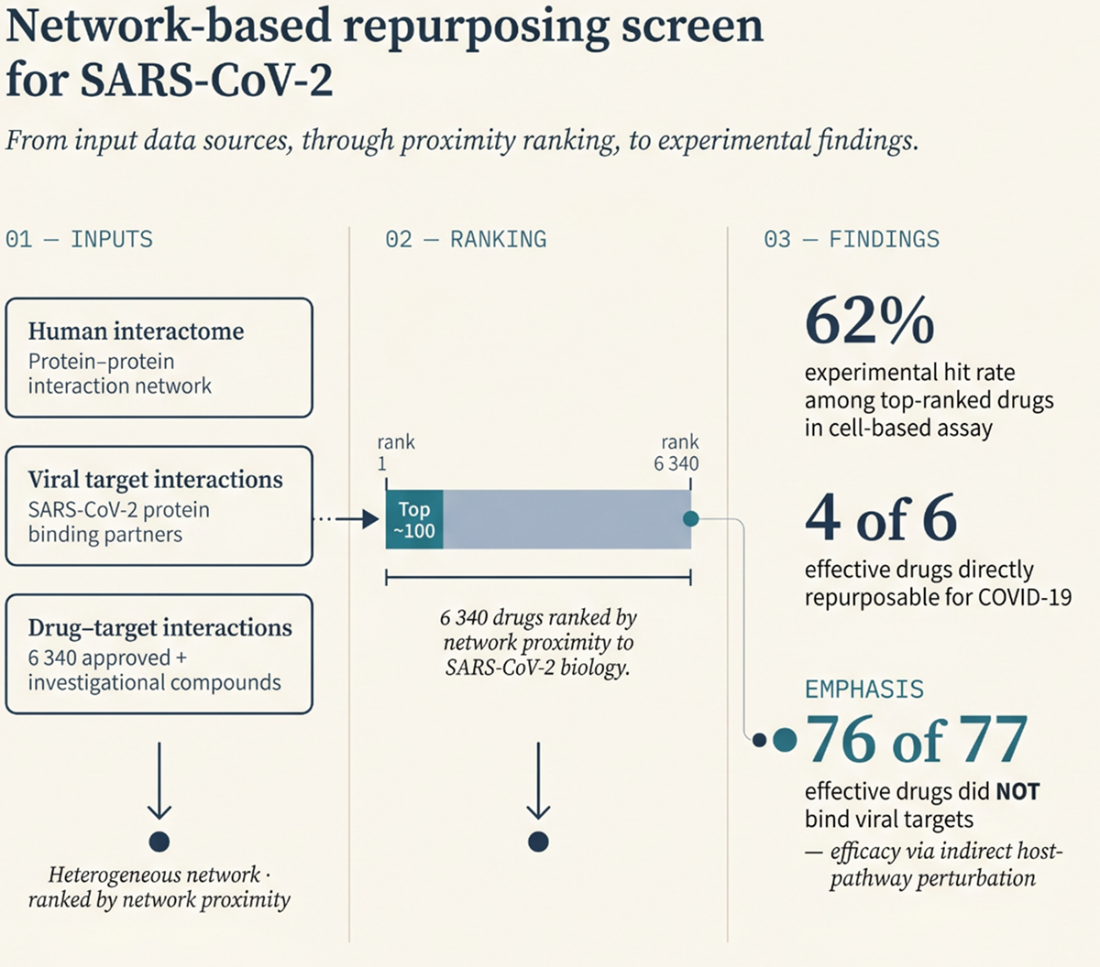
Figure H.15 A novel target-disease linkage produced three approved drugs in the same class within five years. The horizontal axis is approval date; the vertical positioning groups the drugs by improvement axis (broader spectrum for entrectinib, resistance coverage for repotrectinib). The window between "novel target" and "competitive class" is the operational definition of novelty half-life.
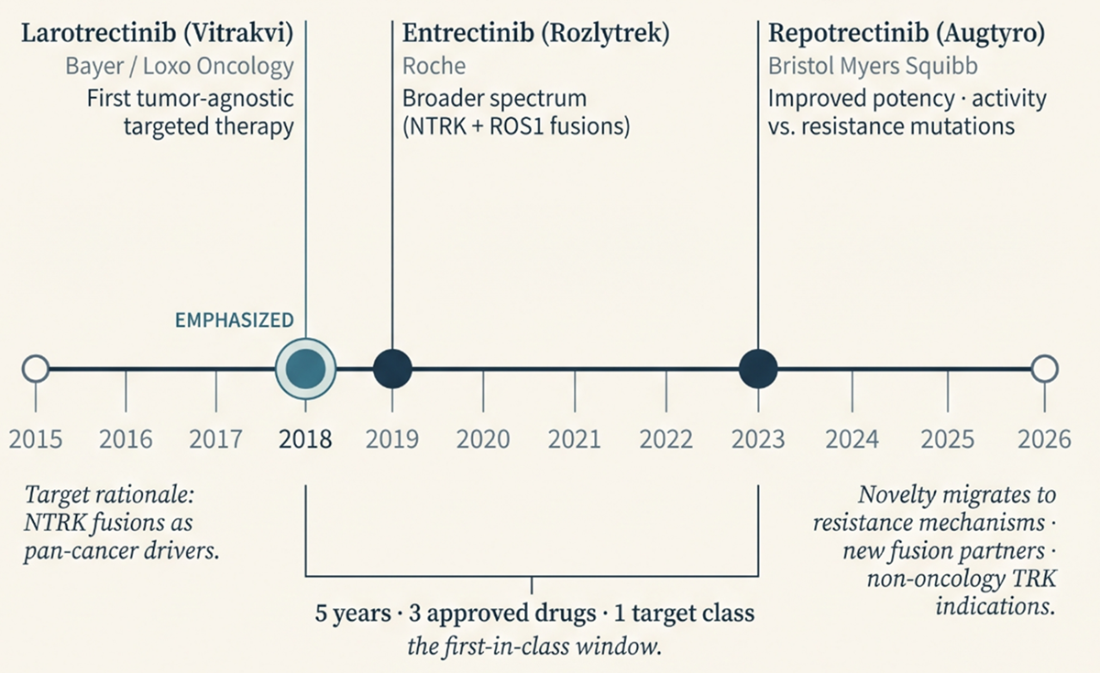
Figure H.16 A biomedical knowledge graph schematic. Node types include genes, proteins, diseases, drugs, pathways, tissues, and phenotypes; edge types include binds, inhibits, expressed-in, associated-with, treats, and dozens more. The teal-highlighted path traces a candidate target-disease edge predicted from a gene-pathway-disease chain. Link prediction over graphs of this shape is the dominant computational frame for knowledge-graph-based target identification.
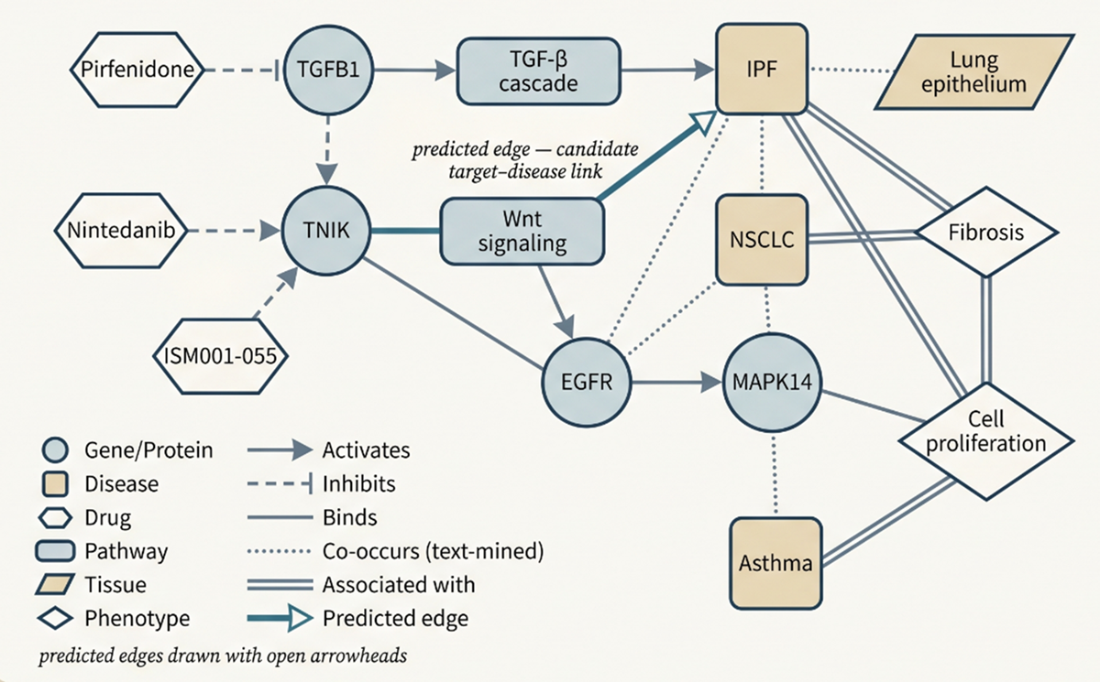
Figure H.17 The text-mining pipeline that feeds biomedical knowledge graphs. Information retrieval narrows a corpus to relevant documents. Named entity recognition (NER) reaches roughly 90% F1-score on well-defined entity types (genes, diseases, chemicals). Relation extraction (RE) sits closer to 50% accuracy and is the limiting factor. The pipeline's output is typed edges that feed the KG, weighted lower than curated edges in most scoring schemes because of the RE accuracy gap.
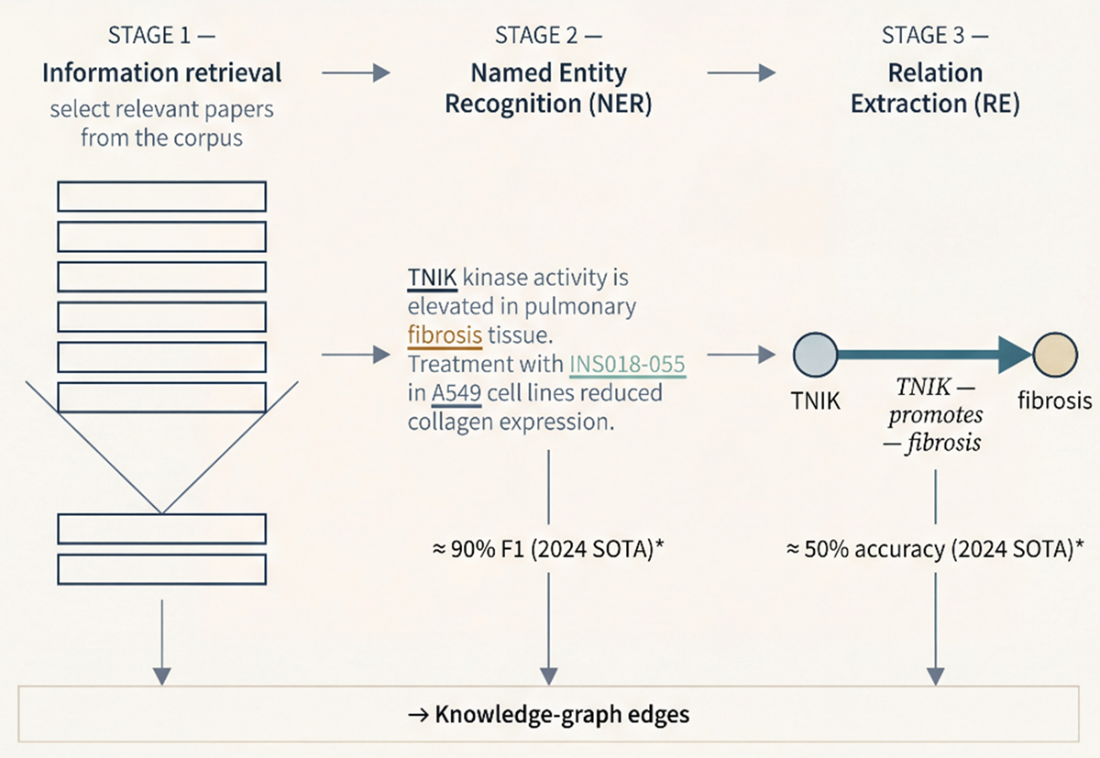
Figure H.18 The rentosertib timeline from 2020 program initiation through regulatory discussions.
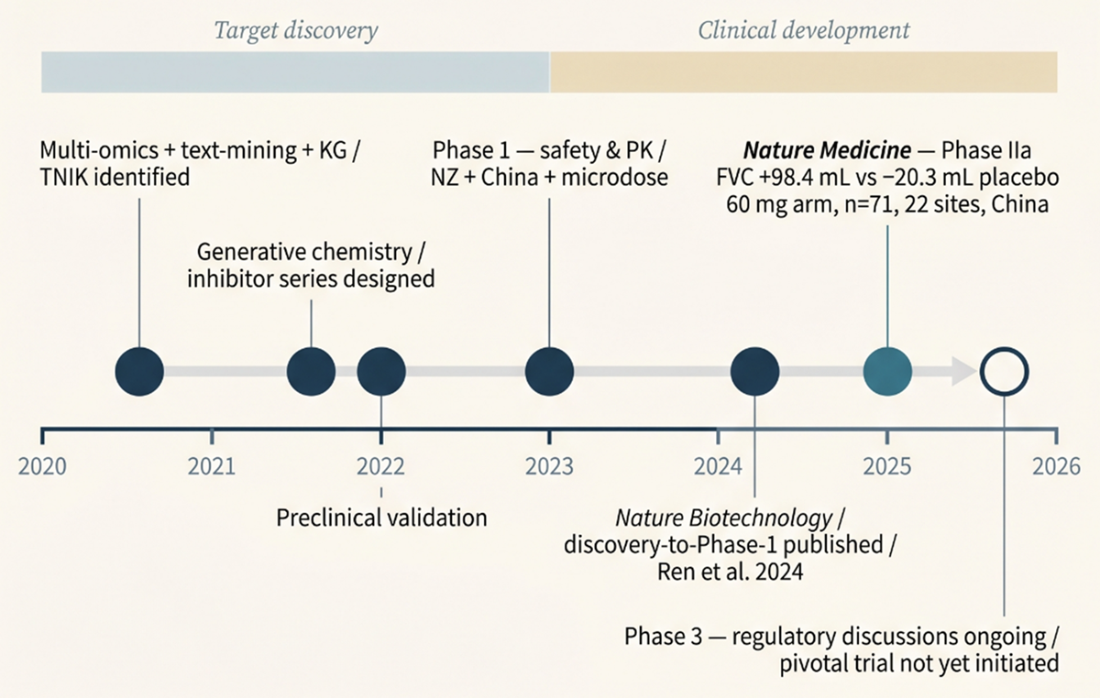
Figure H.19 The synthetic-lethality concept laid out as a 2×2 phenotype matrix. Healthy cells with both genes intact survive normally. Healthy cells losing either gene alone survive because the parallel pathway compensates. Tumor cells that have already lost partner gene B carry the second-axis liability silently. Inhibiting gene A in that genetic background removes the only remaining repair pathway, and only the tumor dies.
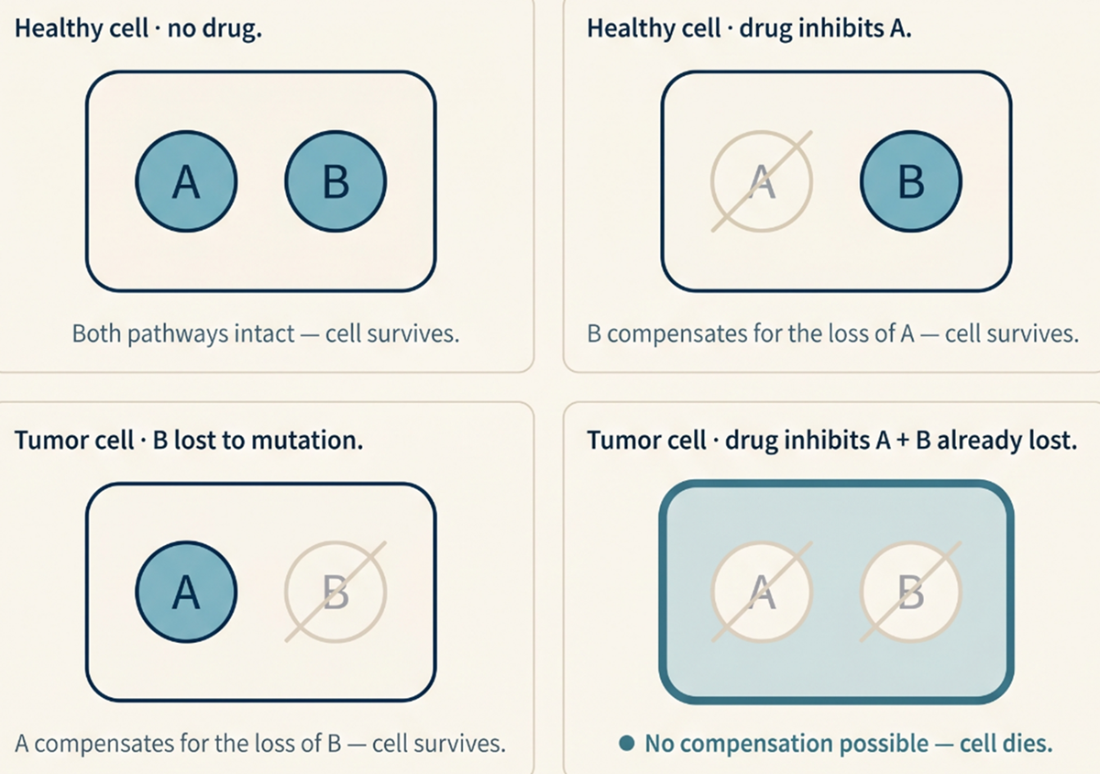
Figure H.20 The pooled CRISPR screen pipeline used to identify synthetic-lethal partners. A guide-RNA library covers the genes of interest. The library is transfected into a cancer cell line carrying a relevant mutation (BRCA1-null, MSI-H, etc.). The cell population is split between control and drug-treated arms. After fixed-duration growth, guide RNAs are recovered by PCR and sequenced. MAGeCK normalizes counts and computes per-gene depletion scores; depleted guides identify genes whose loss sensitizes the mutant cells to the drug. The downstream output is a labeled dataset for any SL-prediction model.
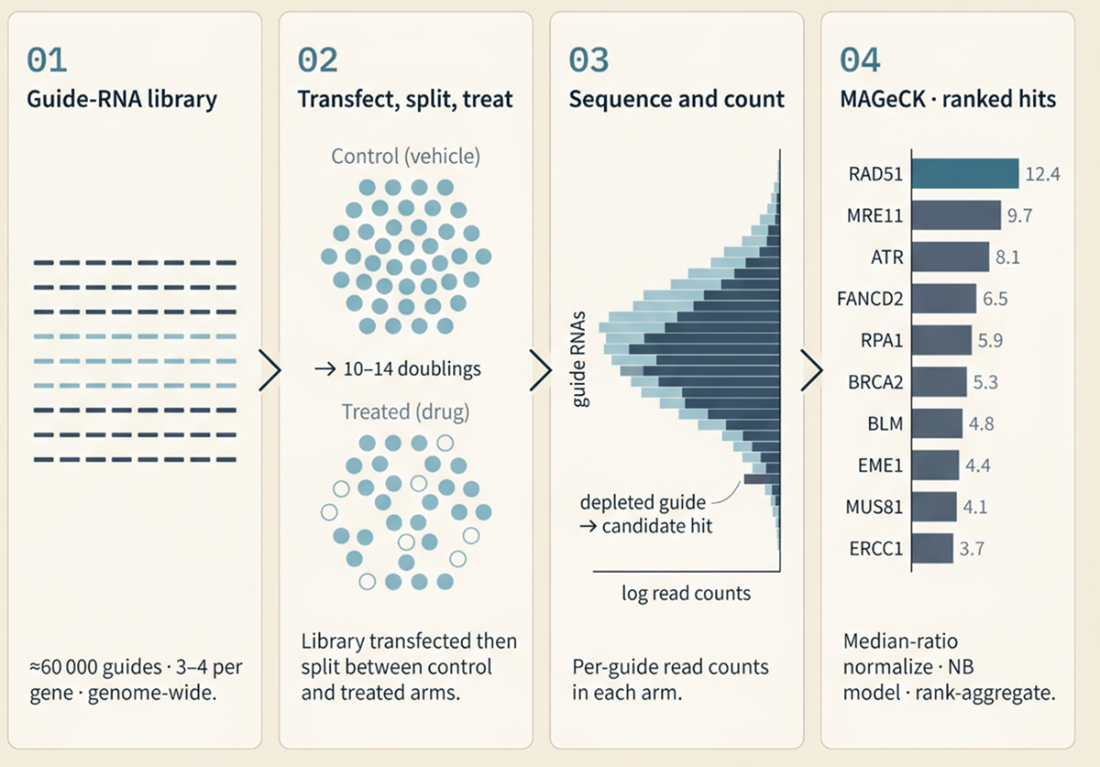
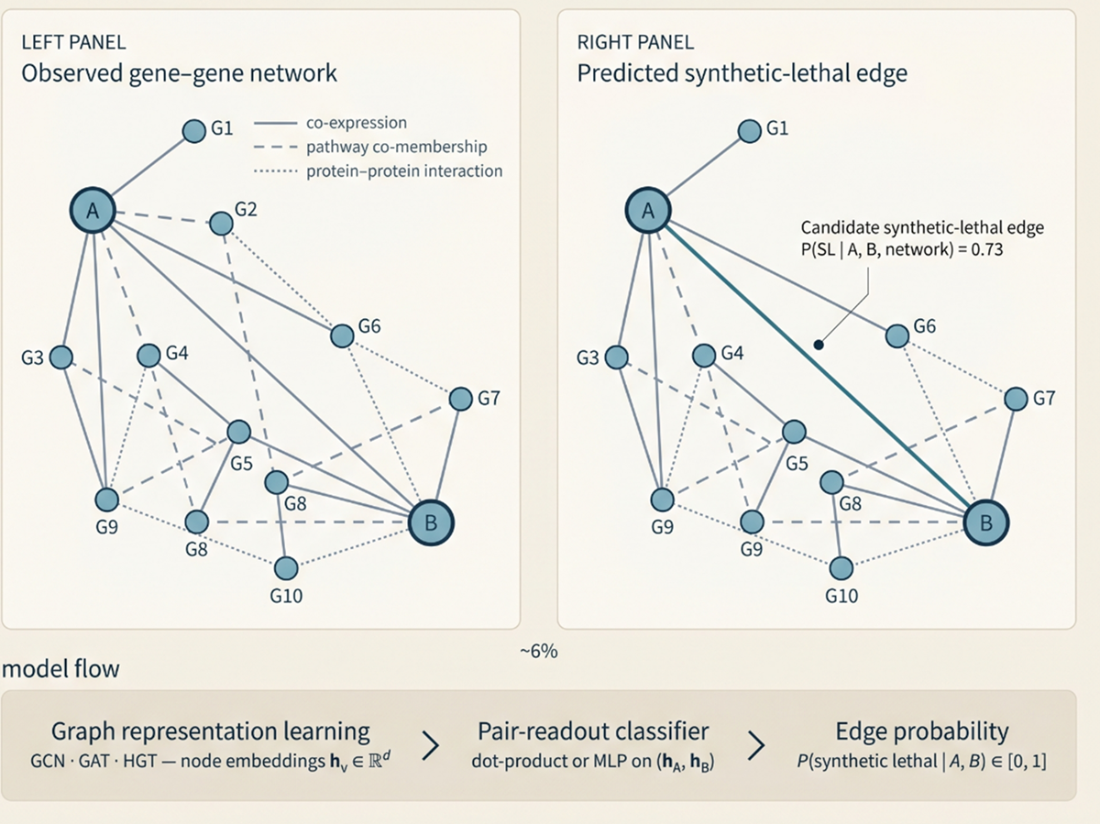
Figure H.21 Synthetic-lethality prediction framed as graph link prediction. The left panel shows an observed gene-gene network (PPI, co-expression, pathway, regulatory edges). The right panel shows the same graph with a model-predicted synthetic-lethal edge highlighted in teal. The intermediate steps are graph representation learning over the input network, followed by a binary classifier (often an MLP) that scores candidate gene pairs. Training labels come from CRISPR screens and curated SL databases such as SynLethDB.
H.10 Summary
- Target discovery is the front-of-funnel decision behind most Phase II failures. Phase II remains the dominant attrition step at ~28% transition probability; a drug entering Phase I in 2014–2023 had about a 6.7% chance of approval. Catching a wrong-target call at target selection rather than in Phase II saves two to three years of work and the associated capital.
- A defensible target call satisfies five criteria at once: causal link to disease, tolerable chronic safety, viable commercial path, tractable modality, solid evidence base. The 5R and GOT-IT frameworks operationalize them. High-confidence human genetic support (Mendelian, coding-variant GWAS) carries a ~3× clinical-success multiplier; lower-confidence non-coding GWAS evidence ~2×.
- AlphaFold 2 (2020) and AlphaFold 3 (2024) changed the structural-biology baseline, and modality plurality (PROTACs, ASOs, ADCs, peptides, CAR-T) changed what counts as druggable — a protein called undruggable in 2010 may now be tractable as a degrader or ADC.
- Tissue specificity is a safety filter, not just an annotation. GTEx, HPA, and single-cell atlases support a workflow asking where a target is expressed, in which cell types, and how each tissue responds to modulation — with modality-conditional safety logic now part of the framework.
- Likelihood of approval is therapeutic-area dependent and asymmetric: oncology runs ~5.3% Phase I LOA; hematology and rare disease 2–3× higher. Patient-preselection biomarkers roughly double Phase I LOA, with the gap at Phase II. The 2022–2023 PARP regulatory recalibration is the reminder that biomarker discipline holds only if the endpoint tracks the disease.
- Biomedical knowledge graphs are the substrate for most target-prioritization workflows; link prediction handles target identification, repurposing, drug-target interaction, and adverse-event prediction on the same architecture. Rentosertib for IPF (TNIK 2020 → Phase IIa +98.4 mL FVC vs −20.3 mL placebo, Nat Med June 2025) is the cleanest end-to-end public example through clinical proof of concept.
- Synthetic lethality reframes target discovery as a target-target problem. CRISPR screens with MAGeCK provide ground truth; computational prediction prunes the search space. The PARP-BRCA arc plus the 2024–2026 next wave (Polθ, USP1, WRN) define what mature SL development looks like.
- Virtual cells are learned transition models for biology. The 2025 Virtual Cell Challenge showed perturbation prediction remains hard and that simple baselines often win — the right kind of progress for a field whose claims have been outrunning evidence. The strongest near-term use is triage, screen design, and uncertainty-aware experimental prioritization, not substitution for wet-lab validation.

 Build AI Drug Discovery Pipelines ebook for free
