Appendix F. Common approaches to model evaluation
The appendix surveys the main ways practitioners evaluate trained LLMs and organizes them into two broad families: benchmark-based and judgment-based methods. It notes that commonly reported metrics such as training loss, perplexity, and rewards are mostly internal development signals, while external evaluation usually relies on multiple-choice tests, verifiers, leaderboards, or LLM judges. In practice, model reports often combine several of these approaches to give a broader picture of performance.
Multiple-choice benchmarks, such as MMLU, measure how often a model selects the correct option from a fixed set of answers, making evaluation simple and highly quantifiable. The text shows how this can be implemented by prompting a model with the question and answer choices, generating a letter, and checking it against the gold label; it also mentions that log-probability variants are common. This method is useful for testing knowledge recall, but it is limited because it does not capture free-form reasoning, writing quality, or real-world usefulness.
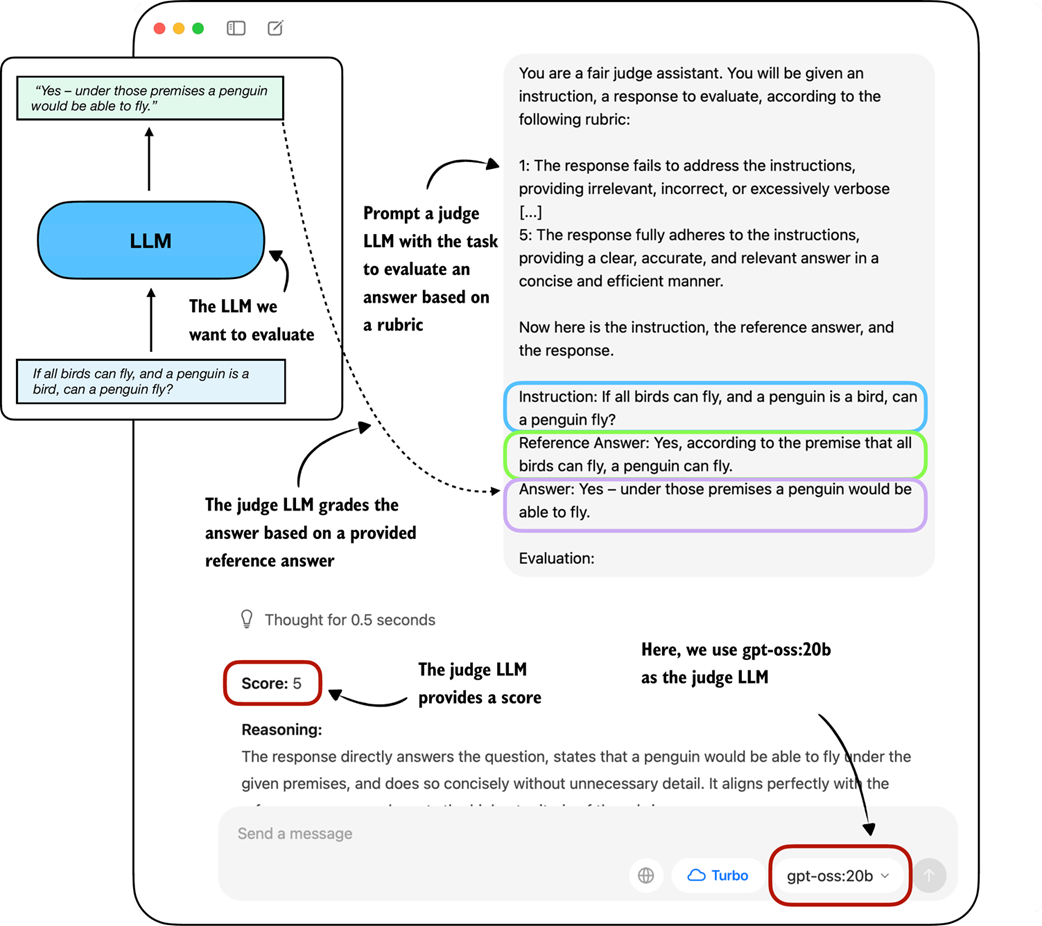
To evaluate open-ended responses, the appendix describes verifier-based methods, where the model gives a free-form answer and an external checker compares the extracted final answer against the reference, often using deterministic tools like code interpreters or calculators. It then moves to judgment-based evaluation: leaderboards rank models by user preferences using Elo-style updates, though order effects and bias can distort results; Bradley–Terry is presented as a more statistically grounded alternative. Finally, it explains LLM-as-a-judge setups, where a strong model scores answers against a rubric and reference response, offering scalable and consistent evaluation, but still inheriting biases from the judge, prompt design, and chosen rubric.
Figure F.1 A mental model of the topics covered in this book with a focus on the two broad evaluation categories, benchmark-based evaluation and judgment-based evaluation, covered in this appendix.

Figure F.2 Evaluating an LLM on MMLU by comparing its multiple-choice prediction with the correct answer from the dataset.
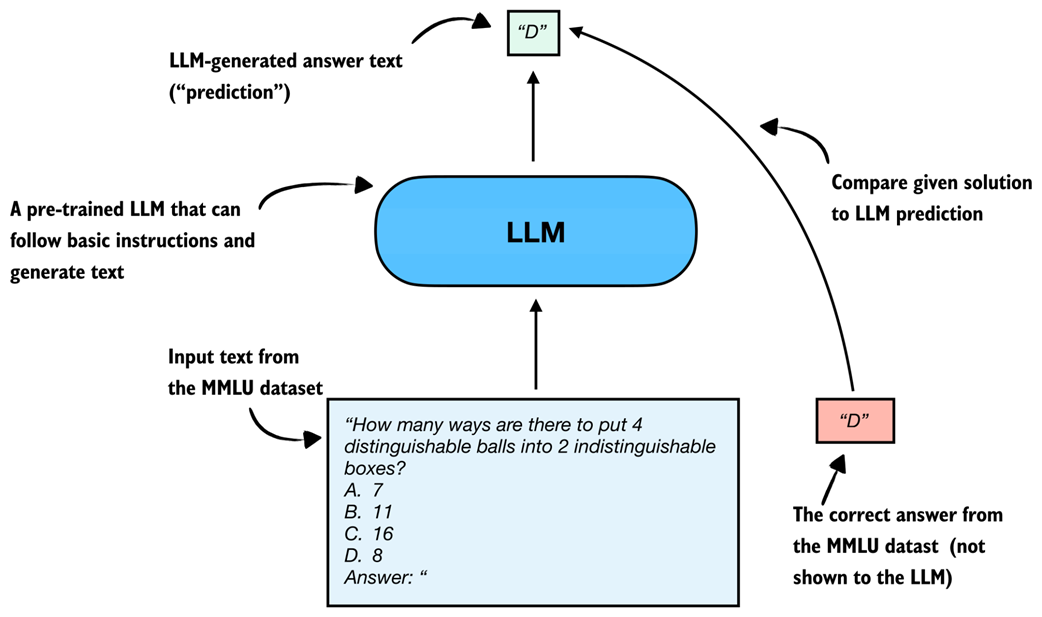
Figure F.3 Evaluating an LLM with a verification-based method in free-form question answering. The model generates a free-form answer (which may include multiple steps) and a final boxed answer, which is extracted and compared against the correct answer from the dataset.
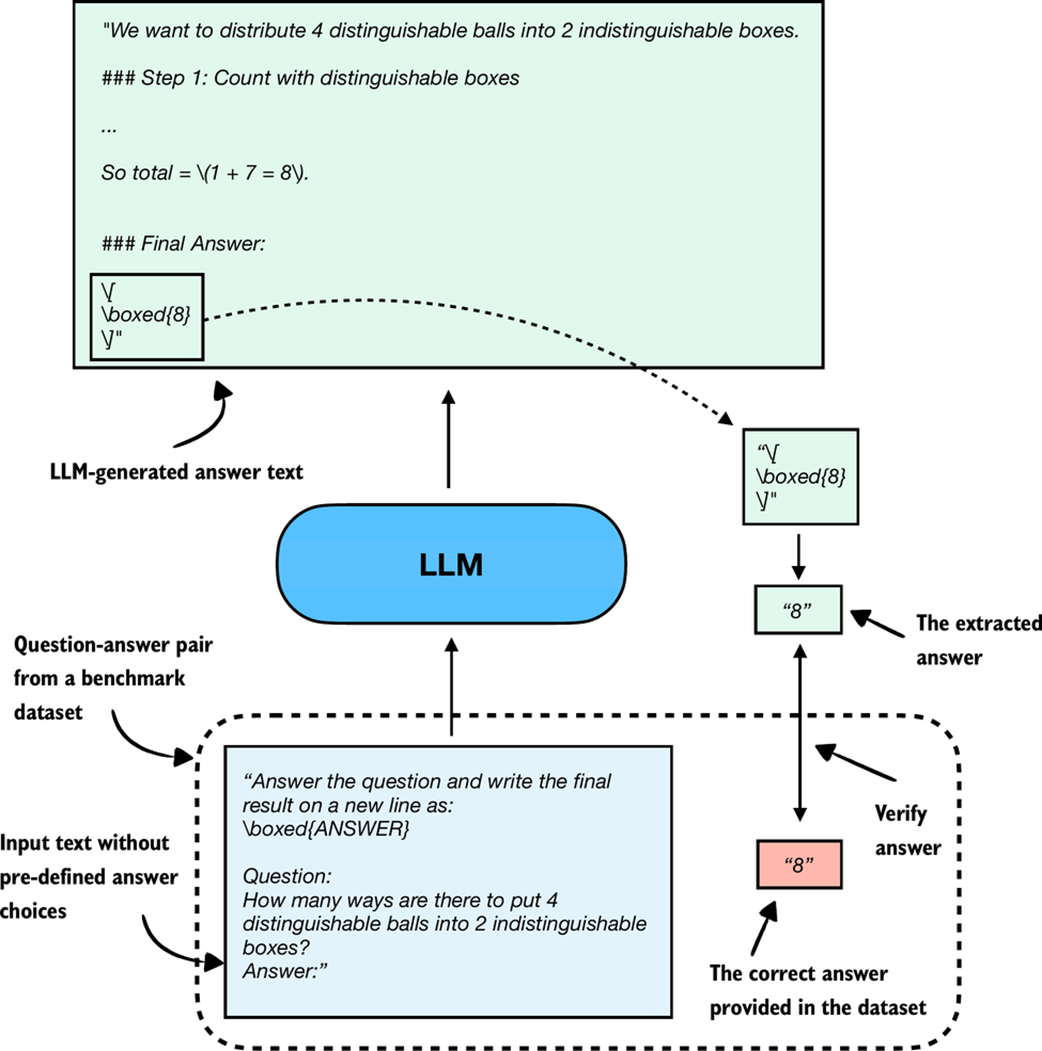
Figure F.4 A mental model of the topics covered in this book with a focus on the judgment- and benchmark-based evaluation methods covered in this appendix. Having already covered benchmark-based approaches (multiple choice, verifiers) in the previous section, we now introduce judgment-based approaches to measure LLM performance, with this subsection focusing on leaderboards.
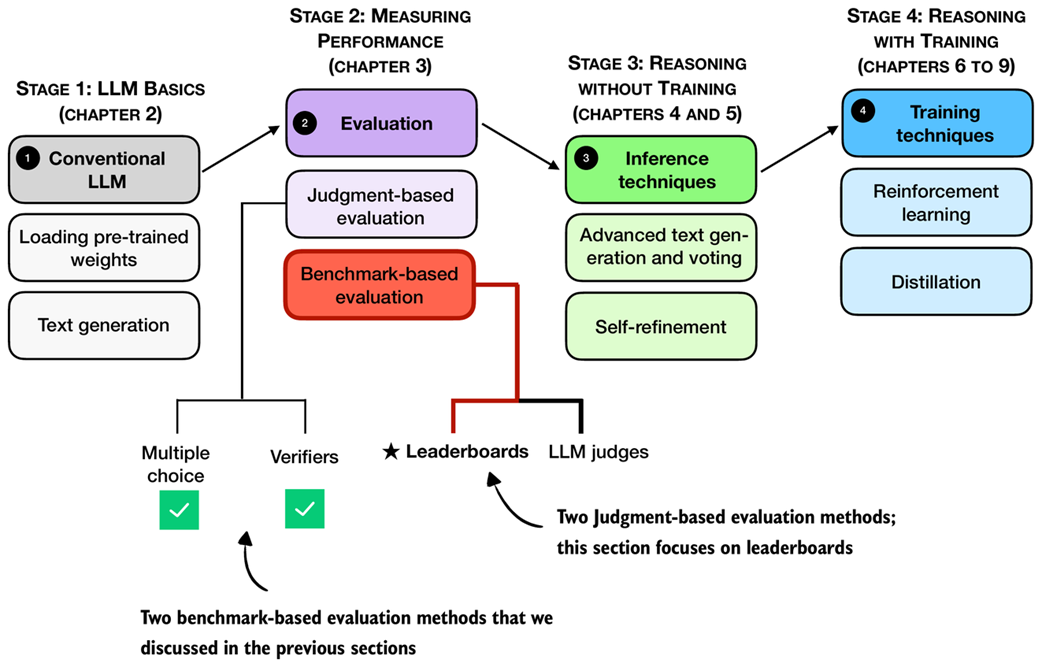
Figure F.5 Example of a judgment-based leaderboard interface (LM Arena). Two LLMs are given the same prompt, their responses are shown side by side, and users vote for the preferred answer.
Figure F.6 Example of an LLM-judge evaluation. The model to be evaluated generates an answer, which is then scored by a separate judge LLM according to a rubric and a provided reference answer.

 Build a Reasoning Model (From Scratch) ebook for free
