5 API design review: Checking for what you cannot automate
API design reviews remain important even after automated checks pass because they surface issues that tools cannot reliably detect. The chapter frames review as a human complement to automation inside an APIOps workflow, where colleagues and prospective users assess usability, consistency, missing operations, naming choices, and alignment with organizational standards. Reviews can happen asynchronously through pull requests or in face-to-face meetings when the change is large, complex, or needs broader discussion.
Effective reviews depend on having the right people, the right context, and a clear process. The chapter recommends involving designers, reviewers, and a facilitator, along with relevant stakeholders such as consumers, writers, security specialists, platform teams, and product roles. A well-run meeting should include an agenda, a short business-context overview, and a review of the API resource model before examining the definition itself. Reviewers should focus on what automation does not cover, including the user journey, resource consistency, error handling, idempotency, security, extensibility, and any gaps or ambiguities in the style guide.
The chapter also emphasizes that review work should be measurable and explicitly governed. Teams can track linting and conformance issues, gather session-level and periodic feedback, and monitor how long reviews stay open to judge effectiveness. To scale the practice, organizations should document the review process, define principles and goals, clarify roles and responsibilities, set review levels by API category, establish approval rules, specify how exceptions are handled, and make review priorities and timelines visible. Examples from large organizations show that successful programs combine early coaching, automated checks, reviewer communities, and selective meetings to improve API quality without slowing delivery.
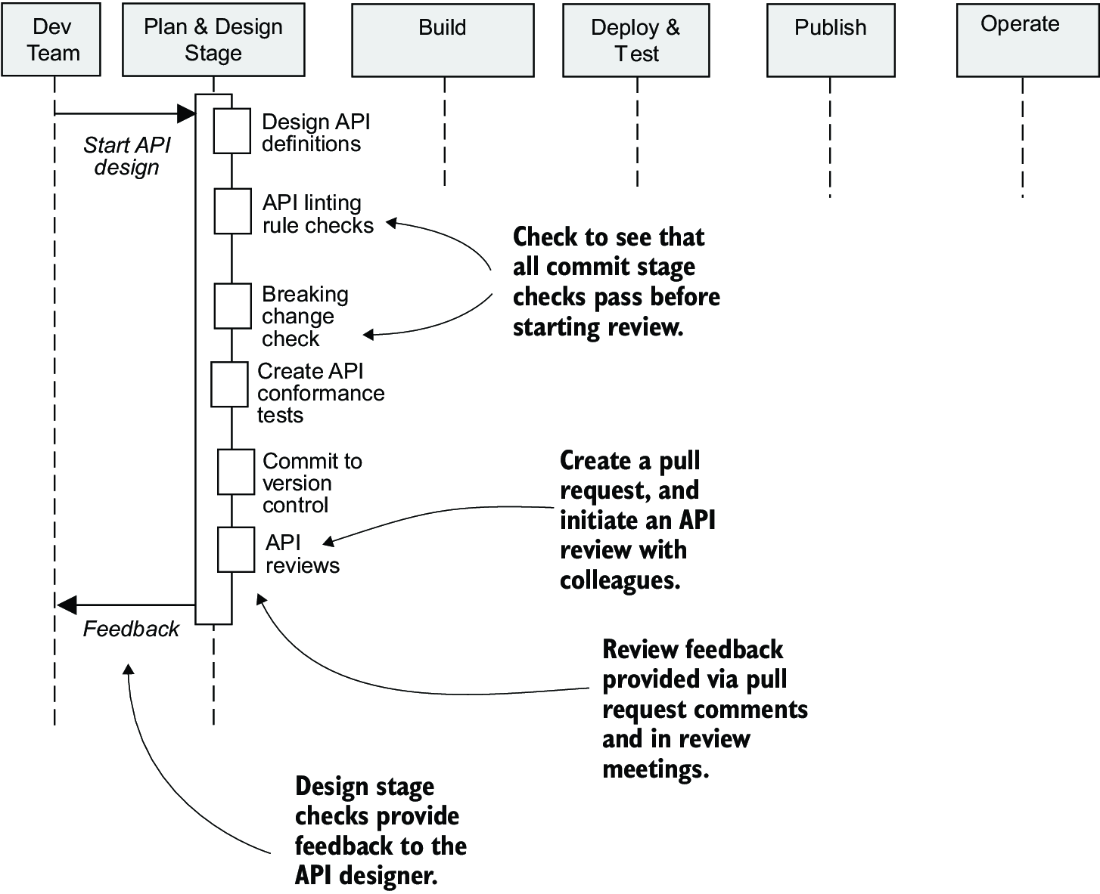
API reviews happen at the design stage of your APIOps workflow. API reviews start after the automated checks all pass. The API review is completed when all review comments have been resolved and the PR is merged.
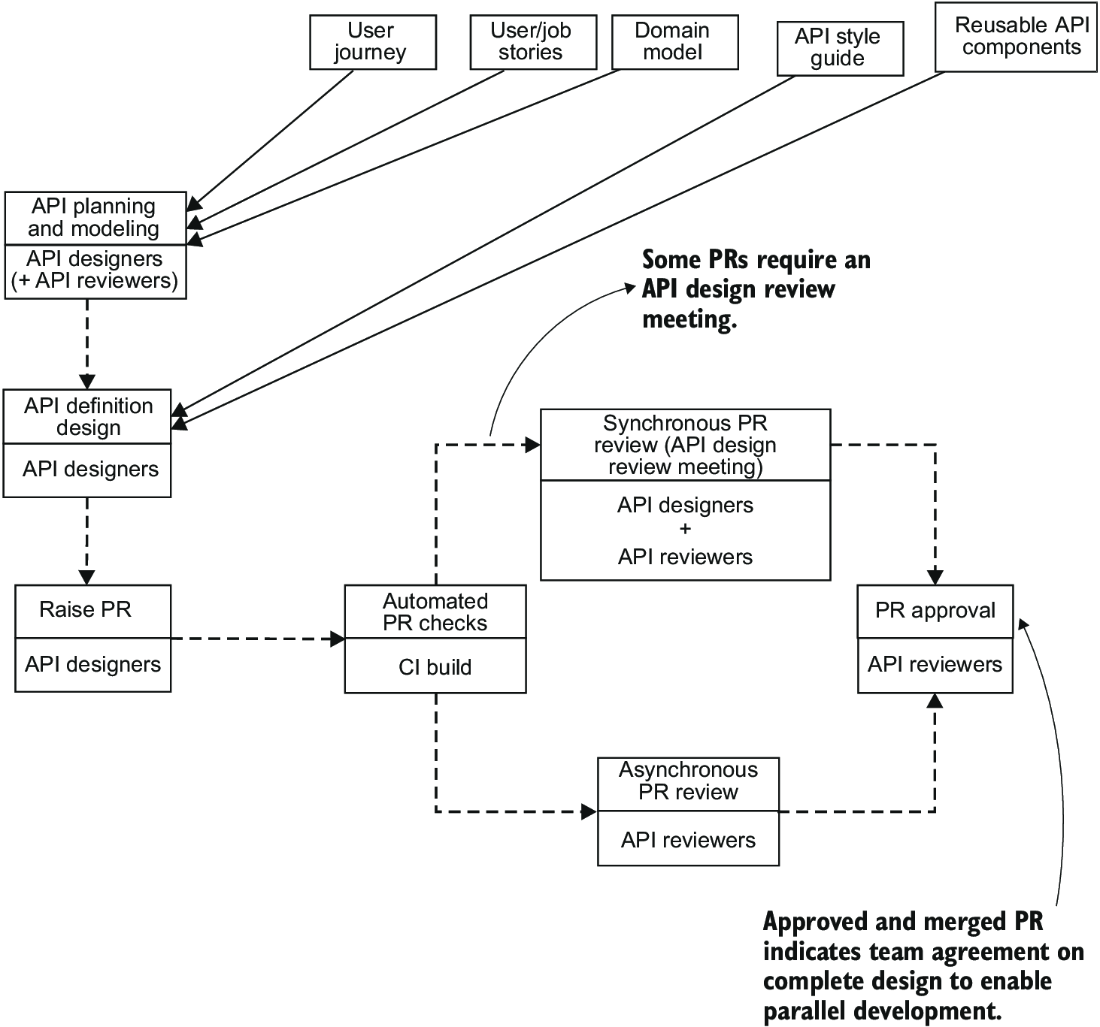
A sample process map for API design reviews. API reviewers can review the PR, leave review comments, approve the PR, or decide if the PR requires an in-person API review meeting for wider review discussion.
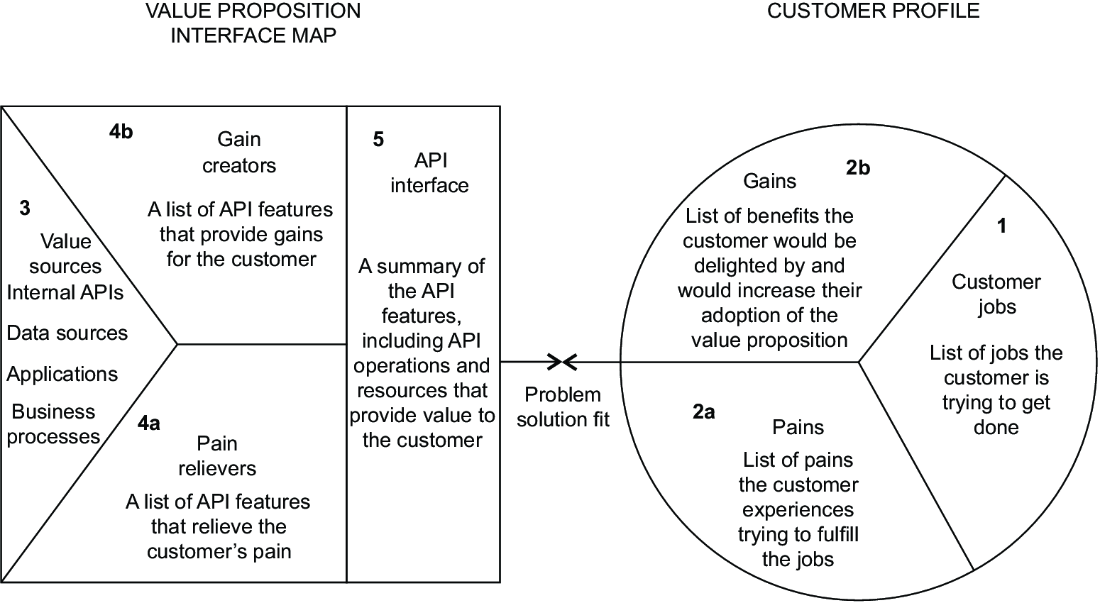
The main sections of an API value proposition map (Source: Adapted from the value proposition interface canvas by Andrea Zulian and Amancio Bouza in API Product Management, Leanpub, 2017)
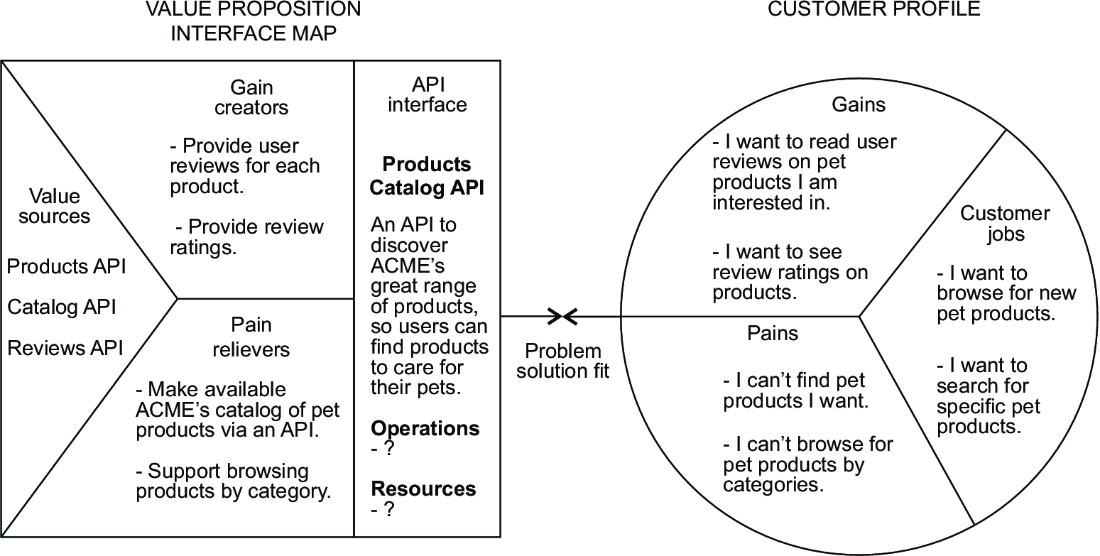
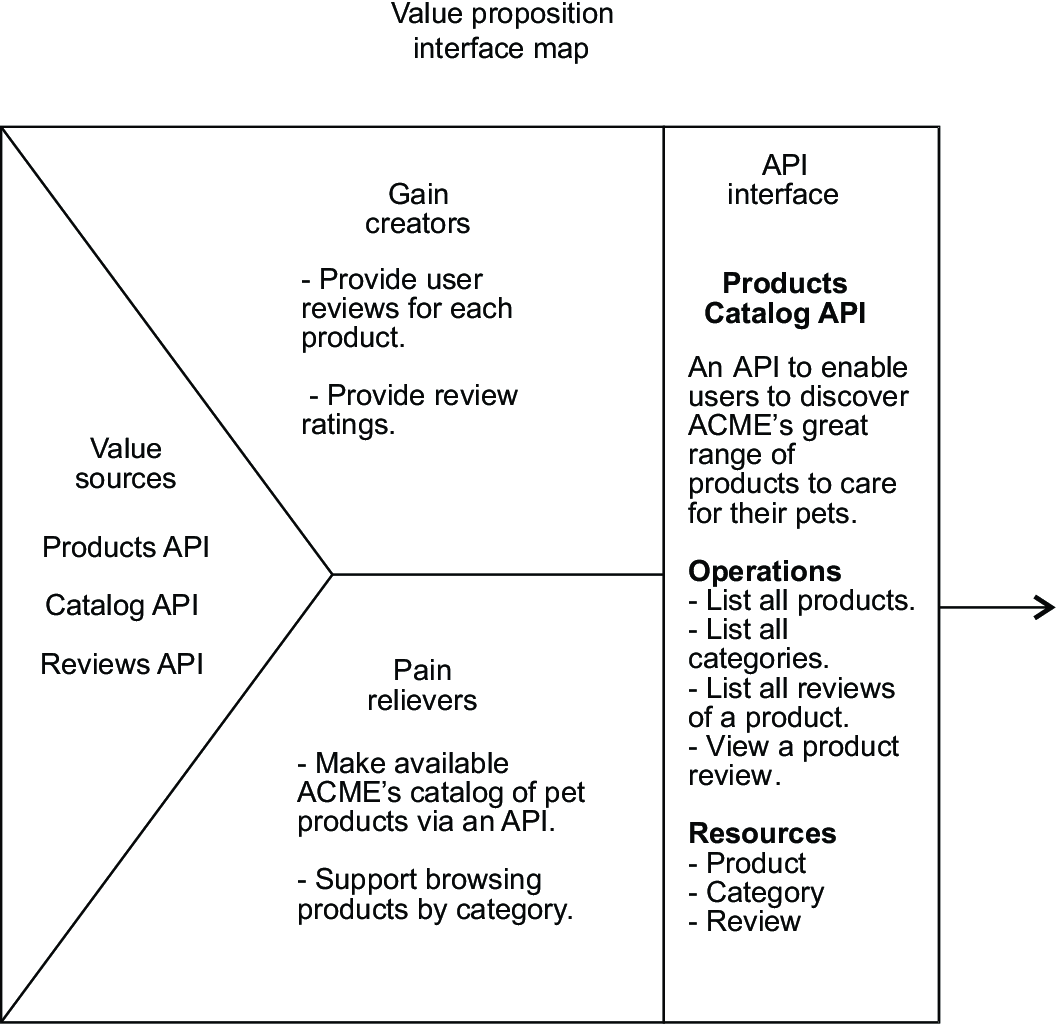
An API value proposition canvas for the Products Catalog API. The Product Catalog API fetches the data it needs from the internal APIs of the Products, Catalog, and Reviews microservices.
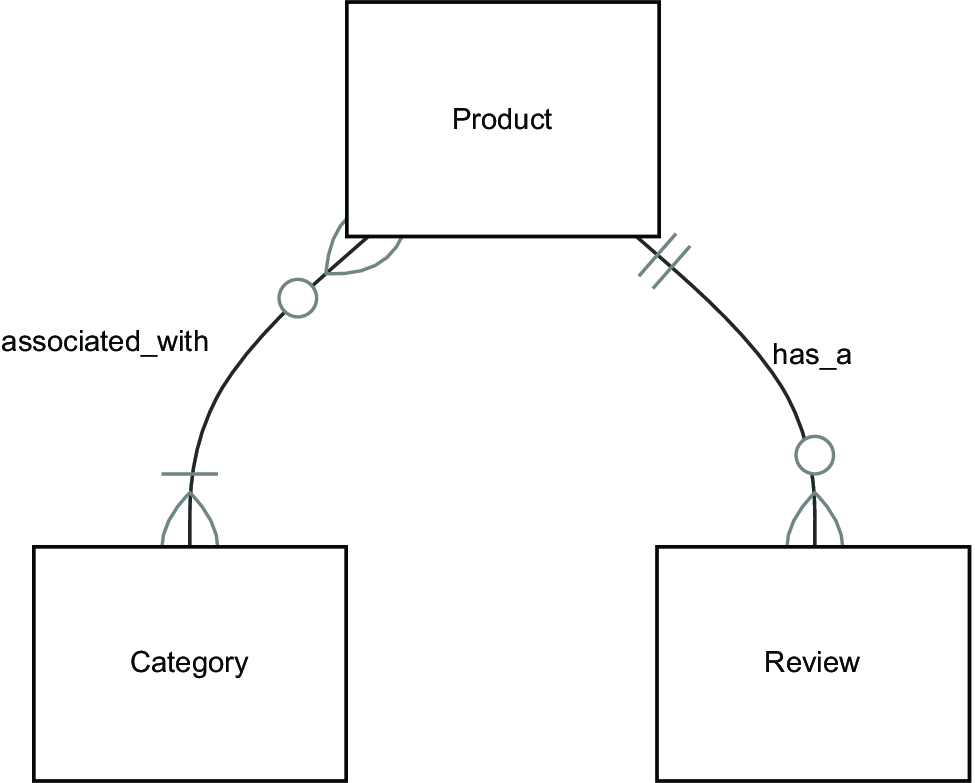
The relationships between the web resources that support the API operations for the Product Catalog API
The updated left part of the API value proposition canvas for the Product Catalog API with the operations and resources filled in
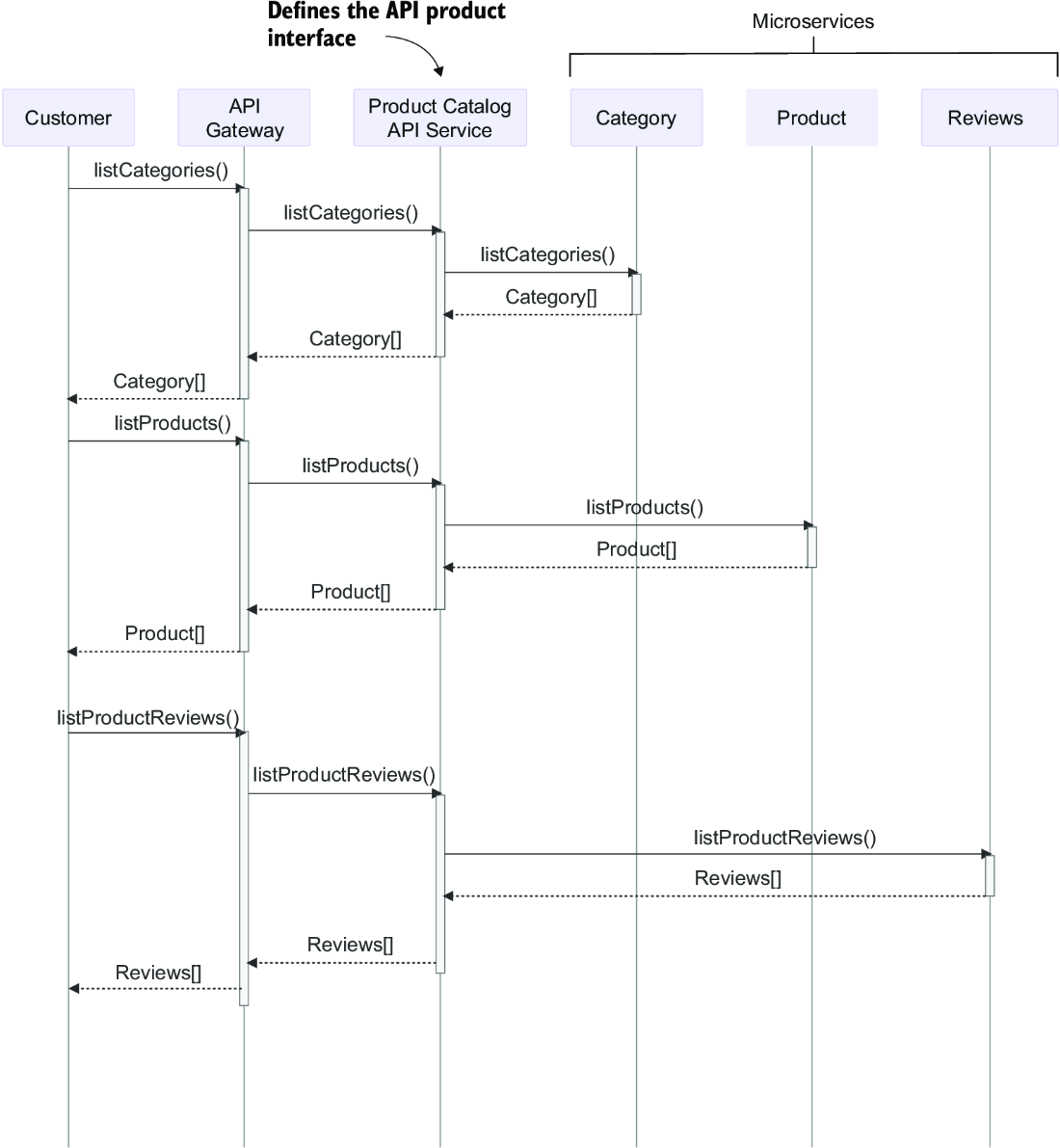
The Products Catalog API service orchestrates requests back to the backend microservices.
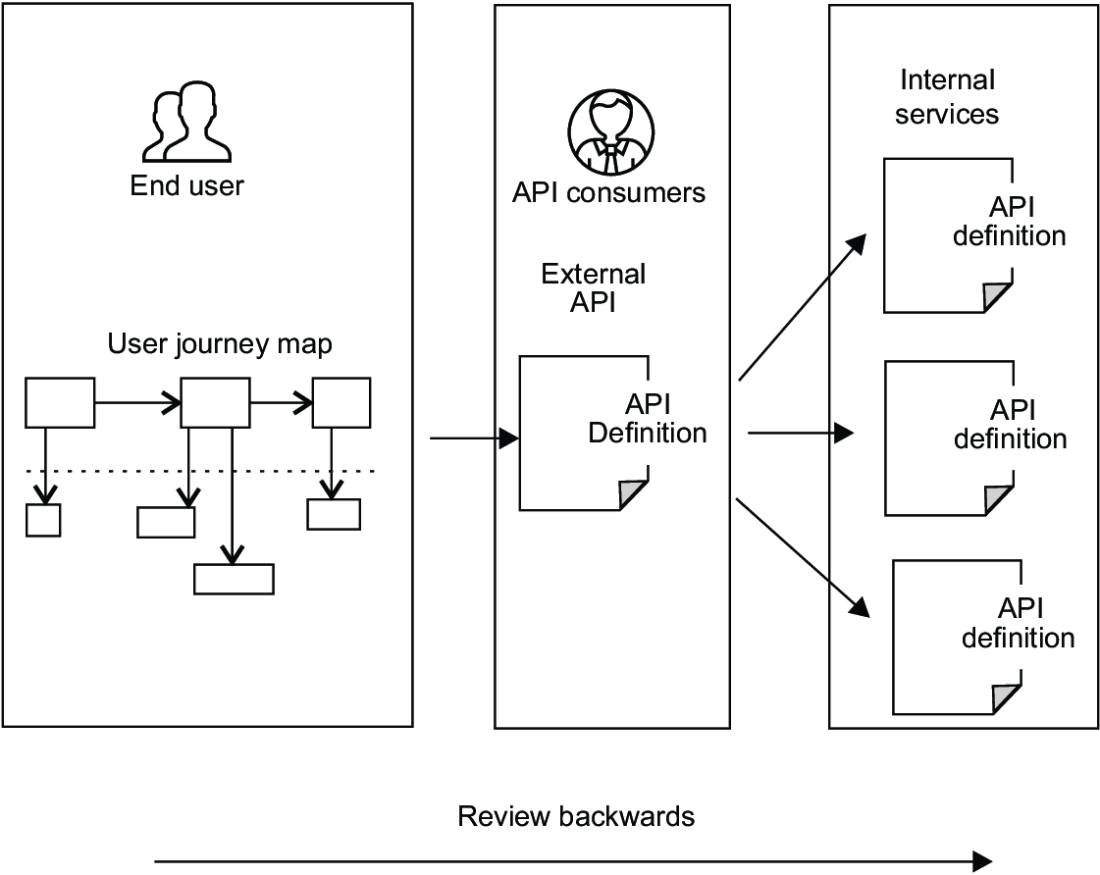
When reviewing an external API, where possible, work backward by reviewing the user journey map before reviewing the external API. This presumes that you have a user journey map prepared. Review the external API before reviewing any internal service APIs they depend on.
Summary
- In an APIOps API review, you review your API design PR after the automated checks have run. Your review is aimed at finding problems the automated checks can’t find.
- An API review can be asynchronous or face-to-face, and API reviewers can leave their review comments on the PR.
- Use a consumer-centric approach in your API review by starting from the API definition the API consumer will use and then working backward to the internal interfaces. Ensure you understand the problem context before starting your review.
- API reviews in larger organizations typically involve an API designer, API reviewers, and an API review facilitator. Reviews should also include any colleagues interested in reviewing APIs.
- User surveys are a good way to measure the effectiveness of API design review meetings. Reports from automatic checks can be collected to keep an API design quality score.

 Automating API Delivery ebook for free
