Overview
13 Conflict resolution and crisis management
This chapter shows how AI can be a practical, empathetic partner for everyday IT teams, helping them prevent small disagreements from derailing projects and guiding leaders through high-stakes incidents. It frames AI as mediator, coach, tie‑breaker, scribe, and simulator: analyzing communication patterns to spot tensions early, structuring difficult conversations, and providing calm, step‑by‑step playbooks during crises. Across stories and prompts, the authors emphasize outcomes that reduce friction, speed decisions, and improve resilience—while reminding readers to handle sensitive data responsibly and tailor AI output to policy and context.
On conflict resolution, the chapter illustrates how AI helps shift debates from positions to evidence. Tools such as sentiment analysis and communication‑pattern recognition surface emerging issues, while chat assistants generate impartial questions, mediation strategies, and balanced rationales leaders can share with stakeholders. Real examples show AI defusing technical standoffs, proposing fair tie‑breakers, and supporting role‑play to rehearse tough conversations. The authors also introduce a proactive conflict resolution agreement—an AI‑drafted framework that sets principles, procedures, and boundaries in calm times so teams can navigate disputes constructively when tensions rise.
On crisis management, the chapter focuses on leadership under pressure, using a ransomware scenario to demonstrate how AI structures first actions, clarifies decision points, drafts executive updates, and even steadies nerves. It extends to preparedness: generating disaster recovery and continuity plans, building templates and documentation, and simulating incidents for training with real‑time feedback and after‑action analysis. The guidance stresses privacy and compliance (use enterprise AI for real data or sanitize inputs), disciplined communication planning for internal and external audiences, and iterative learning post‑incident. The result is a blueprint for using AI to raise operational readiness, improve clarity in the moment, and shorten recovery time when crises hit.
Prompts used to write this chapter
- What are some top 10 conflicts in the IT workplace? Can be common debates or anything else.
- Okay take that prompt, and rewrite it so that I get those questions out of you. I don’t expect the leader to know to even ask these questions.
- Read the following example, written in .adoc format. Understand and explain why it’s an incredibly effective use of AI. After you explain, I will paste in another section that I’d like you to complete now that you know what we, the writers, find valuable:
- Any idea why this prompt <prompt1> would be more effective than this prompt <prompt2>
- Can you turn that commentary into a paragraph for me to conclude this section?
- Can you tell me about a crisis that was made worse by a lack of communication? preferably by Google, Microsoft, OpenAI or Amazon.
- Can you create a template Word document with crisis management then let me download it? (terrible result)
- My editor told me I need more media for this chapter — media is like images or tables or call outs, etc. Can you give me some suggestions?
FAQ
How can AI help identify and prevent workplace conflicts before they escalate?
AI can scan written communications for shifts in tone, frequency, and patterns to spot early signs of tension. Sentiment analysis flags negative or abrupt language, while communication pattern recognition highlights unusual delays, one-sided threads, or escalating detail/clarification requests. Practical steps: define consent and privacy boundaries, export and sanitize representative threads, and ask AI to summarize risks and propose mediation steps. Prompt example: “Analyze these team emails for emerging conflicts and suggest proactive questions and actions to de-escalate.”Is it appropriate to use AI as a tie-breaker in technical disagreements?
Yes, with guardrails. Declaring AI as the official, impartial tie-breaker can reduce personal strain on leaders and help teams focus on evidence instead of personalities. To do it well: define decision criteria upfront (risk, impact, cost, reversibility), share the inputs AI will evaluate, capture the model’s rationale, and require human review for feasibility and ethics. Make the policy transparent and revisit it after major decisions.How do I safely use AI to analyze tense email threads without violating privacy?
Use enterprise-grade AI for real data when possible. If you only have consumer tools, sanitize: remove names, addresses, and sensitive details; replace with roles; strip attachments; and store files securely. Provide context (roles, project goals, constraints) and ask AI to identify tension indicators, motivations, and de-escalation strategies. Never upload regulated data (e.g., protected personal or health information) to consumer services.How can I role‑play difficult conversations with AI to prepare for them?
Give the model a concise scenario, goals, and roles. Ask it to play the other party and to vary responses (cooperative, defensive, terse). Practice framing (“I” statements), acknowledging feelings, and proposing next steps. Prompt example: “Act as [colleague]. I’ll practice addressing [issue]. Rotate between calm, skeptical, and frustrated replies; after each exchange, coach me on tone and clarity.”What is a proactive conflict resolution agreement and how do we create one?
It’s a pre-agreed framework for handling disputes when emotions aren’t running high. Include principles (open communication, active listening, empathy, focus on interests), procedures (issue identification, dedicated discussion, solution exploration, agreement, follow-up), and boundaries (what counts as “unreasonable” requests). Ask AI to draft a first version based on your team’s context, then refine together and ratify.How can AI support a non‑technical leader during a ransomware crisis?
AI can structure an immediate action plan, generate targeted questions for IT (scope, ransomware type, IR plan status, backup integrity, next steps), and craft clear executive updates. It can also draft emails, meeting agendas, and stakeholder FAQs, while helping translate technical details into business impact and decision points. Leaders benefit from both practical guidance and tone coaching for calm, empathetic communication.What should an AI‑assisted crisis communication plan include?
Define audiences (employees, customers, partners, media), owners and approvers, message templates (initial notice, updates, closure), cadence and channels, a legal/compliance review path, and an FAQ. AI can draft scenario-specific posts (e.g., LinkedIn), internal updates, and customer notices that are clear, concise, and empathetic. Always customize to facts, align with policy/regulations, and get legal and executive sign‑off before publishing.How does AI help build Disaster Recovery (DR) and COOP documentation?
AI speeds drafting by turning your inputs into structured docs: inventories and roles, backup/restore procedures, RTO/RPO targets, disaster scenarios, runbooks, communication trees, test plans, and contact lists. Provide inventories, current backup strategy, objectives, constraints, and compliance needs. Use enterprise AI for real data; otherwise request templates, fill with dummy values, then replace locally with the real details.Can AI help us run crisis simulations to train our team?
Yes. AI can generate realistic scenarios (ransomware, data breach, DDoS, critical SaaS outage, vendor failure), inject evolving events, and provide real-time coaching. It can also score your response across containment speed, communication clarity, decision quality, and documentation. Ask it to produce scenario scripts, role briefs, success metrics, and a post‑exercise after‑action report with improvements and owners.What risks and best practices apply when using AI in sensitive conflict or crisis work?
Key risks: privacy leakage, regulatory exposure, biased or incorrect outputs, overreliance. Best practices: prefer enterprise-grade AI; minimize and sanitize data; document assumptions and sources; require human review and legal/compliance checks; keep audit trails; set retention and access controls; and treat AI as decision support, not the decision maker.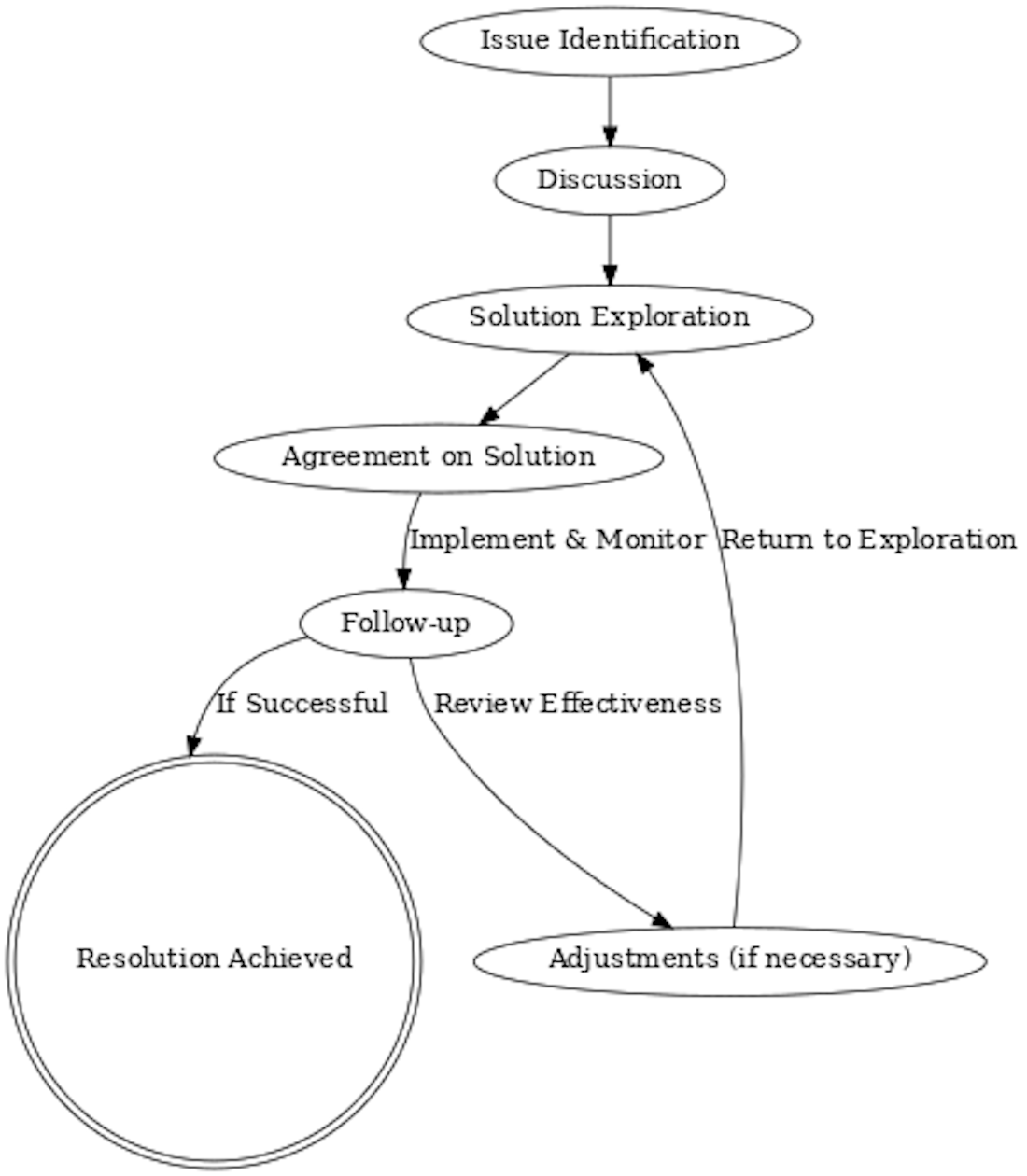

 AI for Everyday IT ebook for free
