pro $24.99 per month
- access to all Manning books, MEAPs, liveVideos, liveProjects, and audiobooks!
- choose one free eBook per month to keep
- exclusive 50% discount on all purchases
- renews monthly, pause or cancel renewal anytime
lite $19.99 per month
- access to all Manning books, including MEAPs!
team
5, 10 or 20 seats+ for your team - learn more

Look inside
Generative Art presents both the technique and the beauty of algorithmic art. The book includes high-quality examples of generative art, along with the specific programmatic steps author and artist Matt Pearson followed to create each unique piece using the Processing programming language.
about the technology
Artists have always explored new media, and computer-based artists are no exception. Generative art, a technique where the artist creates print or onscreen images by using computer algorithms, finds the artistic intersection of programming, computer graphics, and individual expression. The book includes a tutorial on Processing, an open source programming language and environment for people who want to create images, animations, and interactions.
about the book
Generative Art presents both the techniques and the beauty of algorithmic art. In it, you'll find dozens of high-quality examples of generative art, along with the specific steps the author followed to create each unique piece using the Processing programming language. The book includes concise tutorials for each of the technical components required to create the book's images, and it offers countless suggestions for how you can combine and reuse the various techniques to create your own works.
what's inside
- The principles of algorithmic art
- A Processing language tutorial
- Using organic, pseudo-random, emergent, and fractal processes
about the author
Matt Pearson is an artist, coder, and award-winning blogger based in Brighton, UK. His popular blog http://zenbullets.com/ recently won "best blog" at the DiMAS awards. Matt is also the creative force behind the 100 Abandoned Artworks Generative Art project, where you can see many examples of his work.
related titles
related titles
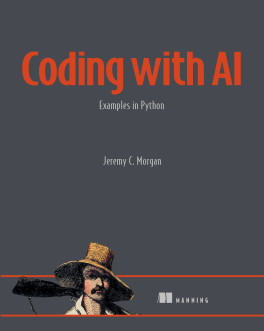
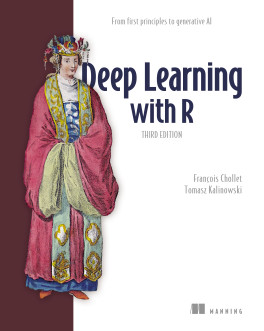


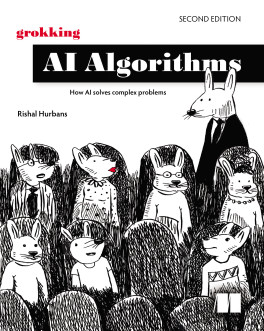
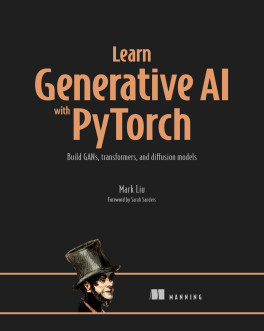


choose your plan
pro
monthly
annual
$24.99
$249.99
only $20.83 per month
- access to all Manning books, MEAPs, liveVideos, liveProjects, and audiobooks!
- choose another free product every time you renew
- choose twelve free products per year
- exclusive 50% discount on all purchases
- renews monthly, pause or cancel renewal anytime
- renews annually, pause or cancel renewal anytime
-
![]() Generative Art ebook for free
Generative Art ebook for free
 Generative Art ebook for free
team
monthly
annual
$49.99
$499.99
only $41.67 per month
- five seats for your team
- access to all Manning books, MEAPs, liveVideos, liveProjects, and audiobooks!
- choose another free product every time you renew
- choose twelve free products per year
- exclusive 50% discount on all purchases
- renews monthly, pause or cancel renewal anytime
- renews annually, pause or cancel renewal anytime
-
![]() Generative Art ebook for free
Generative Art ebook for free
choose your plan
pro
monthly
annual
$24.99
$249.99
only $20.83 per month
- access to all Manning books, MEAPs, liveVideos, liveProjects, and audiobooks!
- choose another free product every time you renew
- choose twelve free products per year
- exclusive 50% discount on all purchases
- renews monthly, pause or cancel renewal anytime
- renews annually, pause or cancel renewal anytime
-
![]() Generative Art ebook for free
Generative Art ebook for free
team
monthly
annual
$49.99
$499.99
only $41.67 per month
- five seats for your team
- access to all Manning books, MEAPs, liveVideos, liveProjects, and audiobooks!
- choose another free product every time you renew
- choose twelve free products per year
- exclusive 50% discount on all purchases
- renews monthly, pause or cancel renewal anytime
- renews annually, pause or cancel renewal anytime
-
![]() Generative Art ebook for free
Generative Art ebook for free
